 German
  English
  Russian
  Japanese
  Korean
  Spanish
  French
  Italian
  Portuguese
 Kurze Antwort:
CNC machining costs are shaped by part geometry, material selection, surface finish requirements, and order volume. A simple aluminum bracket may cost under $50 for one piece, while a complex multi-axis titanium component can run several thousand dollars per unit. The unit purchase price is often only one part of the total ownership cost, and long-term suppliers who offer engineering feedback, tight tolerances, and consistent quality typically deliver better ROI than those competing on price alone.
Many buyers focus narrowly on the per-part price when sourcing CNC machined parts. But the real cost drivers are harder to see upfront. YPMFG has worked with engineers across industries to help buyers understand which factors move the needle most. This article walks through the seven elements that shape CNC machining pricing, what to check before requesting a quote, and how to avoid common cost surprises.
What determines CNC machining cost?
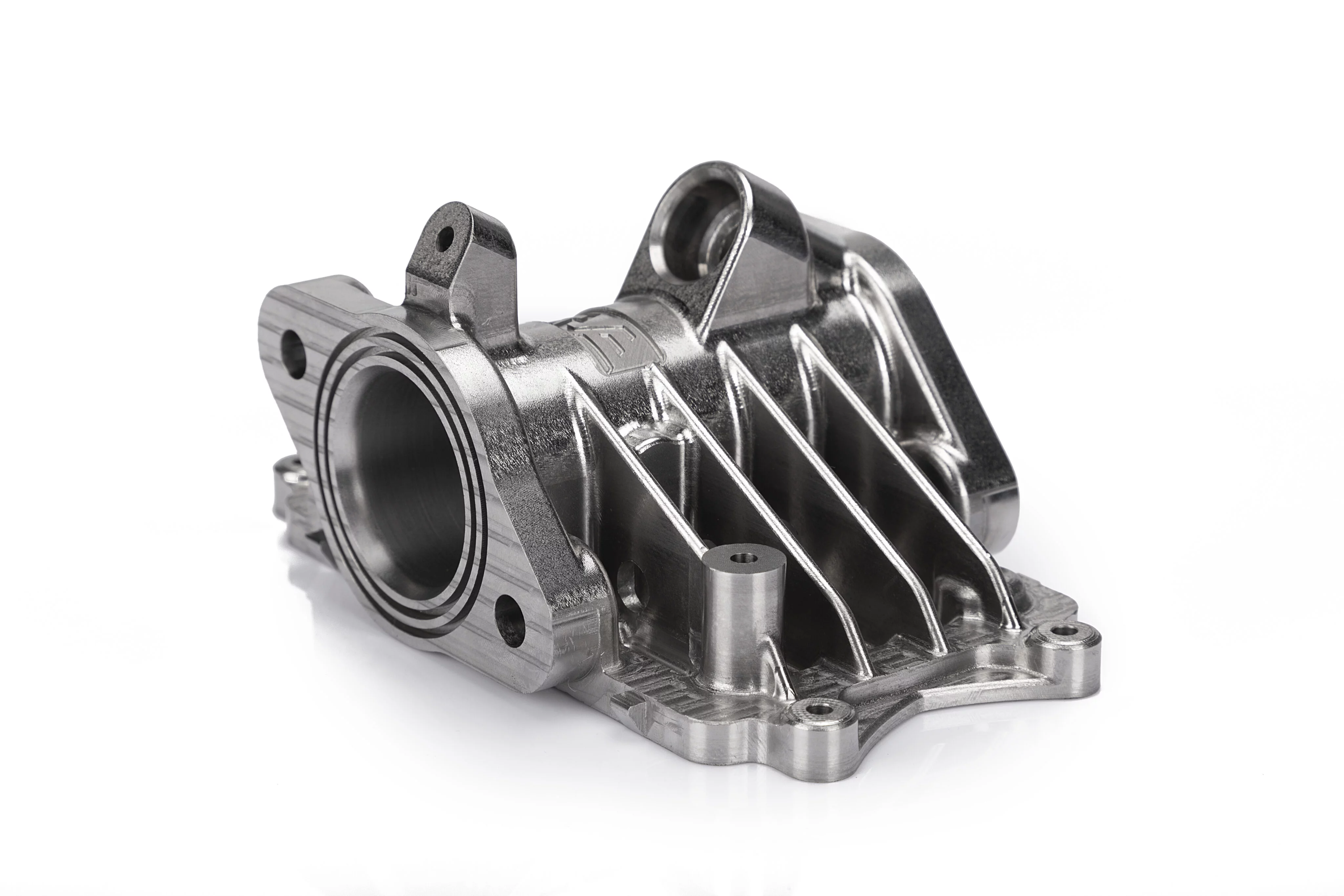
The first factor is part complexity and geometry. A block with flat faces and simple holes machines faster than a part with internal channels, thin walls, or undercuts. Complex features require more tool paths, longer cycle times, and sometimes specialized fixtures or multi-axis setups.
Designers often add unnecessary tolerances that drive up cost without improving performance. Tighter than specified tolerances mean slower cutting, additional inspection steps, and higher scrap risk. If a dimension can hold to ±0.1 mm, there is no need to specify ±0.01 mm unless the assembly actually requires it.
Material choice is the second major driver. Aluminum 6061 is one of the most cost-effective CNC Materialien, cutting quickly and holding good surface finishes. Stainless steel, titanium, and high-temperature alloys wear tools faster, require lower feed rates, and often demand specialized tooling.
Surface finish is the third factor. A standard mill finish may be sufficient for many applications, but if you need anodizing, bead blasting, passivation, or plating, each adds a process step, material cost, and lead time. Roughness specifications like Ra 1.6 or Ra 0.8 should be justified by function, not defaulting to the tightest value available.
Quantity and production scale affect unit pricing through amortization. Setup time, programming, and fixture creation are fixed costs spread across the order. One-off prototypes carry the full weight of these steps, while runs of hundreds or thousands reduce the per-part cost significantly. However, batch sizing should match actual demand, since overproducing ties up capital and risks obsolescence.
Lead time is often treated as separate from price, but it directly impacts cost. Rush quotes and expedited machining allocate machine time away from scheduled work, usually at a premium. If a deadline can shift by a week or two, standard lead times deliver better pricing and often better quality control.
Quality assurance and documentation add to cost but protect against downstream risk. First article inspections, material certifications, CMM reports, and PPAP files require engineering time and inspection resources. Projects in medical, automotive, or aerospace sectors often need these records, and buyers should plan for them early rather than treating documentation as an afterthought.
Hidden cost drivers include secondary operations, tolerancing stack-ups, and design-for-manufacturability gaps. Thread inserts, keyways, tapping, welding, and assembly all add steps. Parts that require multiple setups on different machines accumulate handling and alignment costs. YPMFG reviews drawings before quoting to flag redesign opportunities that lower cost without sacrificing function.
How to reduce CNC machining cost without sacrificing quality
The first practical step is reviewing your drawing for manufacturability. Internal corners should match standard end mill radii, deep cavities should be evaluated for accessibility, and threads should use standard sizes whenever possible. Design changes made before machining begins cost far less than rework after production.
Selecting the right material grade matters. Many engineers default to 6061 aluminum because it is familiar, but alloys like 6082 or 5083 may offer better formability or weldability at similar cost. Steel projects sometimes gain performance from case hardening instead of switching to a more expensive alloy. A CNC parts manufacturing service engineer can recommend materials that meet spec while reducing waste.
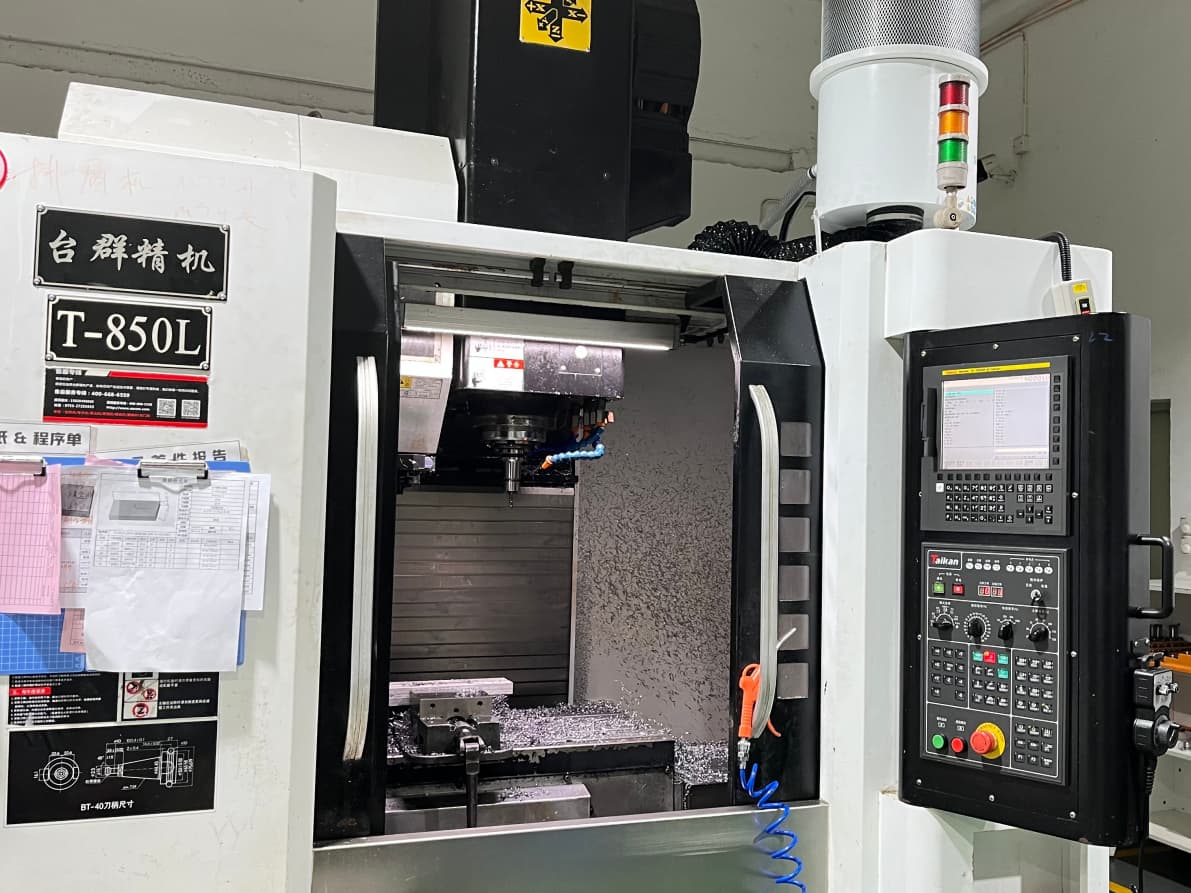
Combining parts into single fixtures lowers cost. Multiple small components that mount together on one plate share setup time and machine cycles. This approach works well for assemblies with mating features or shared datum planes. The trade-off is longer processing per piece,but the overall unit cost often drops.

Tightening the quote brief improves accuracy. Vague requests like “machine to spec” lead to conservative pricing that includes worst-case allowances. Providing clear callouts for critical dimensions, acceptable datums, and real surface finish targets lets the supplier optimize tool paths and quote precisely rather than padding for uncertainty.
Common questions about CNC machining cost
What is the difference between prototype and production CNC pricing?
Prototype pricing includes full setup, programming, and first-article inspection costs allocated to one or a few pieces. Production pricing spreads those fixed costs across a larger batch, lowering the per-part price while maintaining the same quality standards and documentation.
Do material certifications add significant cost?
Material traceability and mill certificates add a modest administrative and procurement step. For most commercial applications, the added cost is small compared to the part itself. Sectors requiring full traceability should budget for this early in the quoting process.
Can I change tolerances after the quote is accepted?
Tolerance changes after commitment usually trigger a revised quote. Reducing tolerance increases cycle time and inspection effort, raising cost. Relaxing tolerance may lower price but requires engineering confirmation that the new spec still meets functional requirements.
Is CNC always the best choice for low-volume production?
CNC machining is competitive for low to medium volumes, typically up to a few thousand parts. Higher volumes may benefit from injection molding or casting, but those processes carry high tooling costs and long lead times. Each project should be evaluated on part geometry, material, and quantity.
What documentation should I expect from a machining supplier?
Standard deliverables include dimensional reports, material certificates, and process logs. Some customers request PPAP, FAI, or calibration records. A professional CNC machining service provider supplies these readily when requested and builds them into the quoted price.
Choosing the right CNC machining partner for your application
Pricing is one factor, but consistency in quality, communication clarity, and engineering support often determine whether a project succeeds. A supplier who reviews drawings before quoting, flags potential issues early, and offers design suggestions typically saves money and time over the life of a program.
Buyers should ask whether the manufacturer holds relevant certifications, maintains calibrated equipment, and follows documented quality procedures. These details matter less for one-off prototypes than they do for serial production, but they signal a mature operation that can scale with your needs.
If you have drawings ready, you can send them to YPMFG for a preliminary review. Our engineering team evaluates manufacturability, suggests tolerances that balance performance and cost, and provides a detailed quote within 24 hours for standard projects. For complex or regulated applications, we offer full documentation support and first-article inspection coordination.