 German
  English
  Russian
  Japanese
  Korean
  Spanish
  French
  Italian
  Portuguese
 Kurze Antwort:
A custom sheet metal fabrication network cabinet is a purpose-built enclosure designed to house networking equipment, servers, and cabling within a specific physical and operational environment. Unlike off-the-shelf options, it is engineered to match exact spatial constraints, weight requirements, environmental conditions, and mounting standards. The fabrication process typically involves laser cutting, bending, welding, and surface finishing to produce a durable enclosure. Working with an experienced manufacturer ensures proper ventilation, EMI/RFI shielding, and compliance with industry standards such as EIA-310 for rack mounting.
For organizations looking for reliable custom sheet metal fabrication solutions, understanding the production workflow and quality controls is essential before placing an order.
When procuring network cabinets, buyers often face a gap between standard catalog sizes and real-world deployment needs. Space limitations, unique equipment configurations, harsh environments, and specific regulatory requirements make one-size-fits-all enclosures impractical. This is where custom network cabinet fabrication becomes a strategic advantage.
Manufacturers such as YPMFG specialize in producing tailored enclosures that align with precise engineering specifications. Whether you need a wall-mounted telecom enclosure or a floor-standing server cabinet, the right partner can deliver components that integrate smoothly into your infrastructure.
Understanding the Sheet Metal Fabrication Process for Network Cabinets
The fabrication of a network cabinet begins with material selection and design engineering. Manufacturers evaluate factors such as load capacity, ambient temperature, corrosion exposure, and electromagnetic interference before choosing the appropriate steel grade or aluminum alloy.
Common materials include cold-rolled steel (CRS), galvanized steel, and Edelstahl. Each offers different trade-offs between cost, strength, and environmental resistance. Once the material is selected, the fabrication flow typically follows these stages:
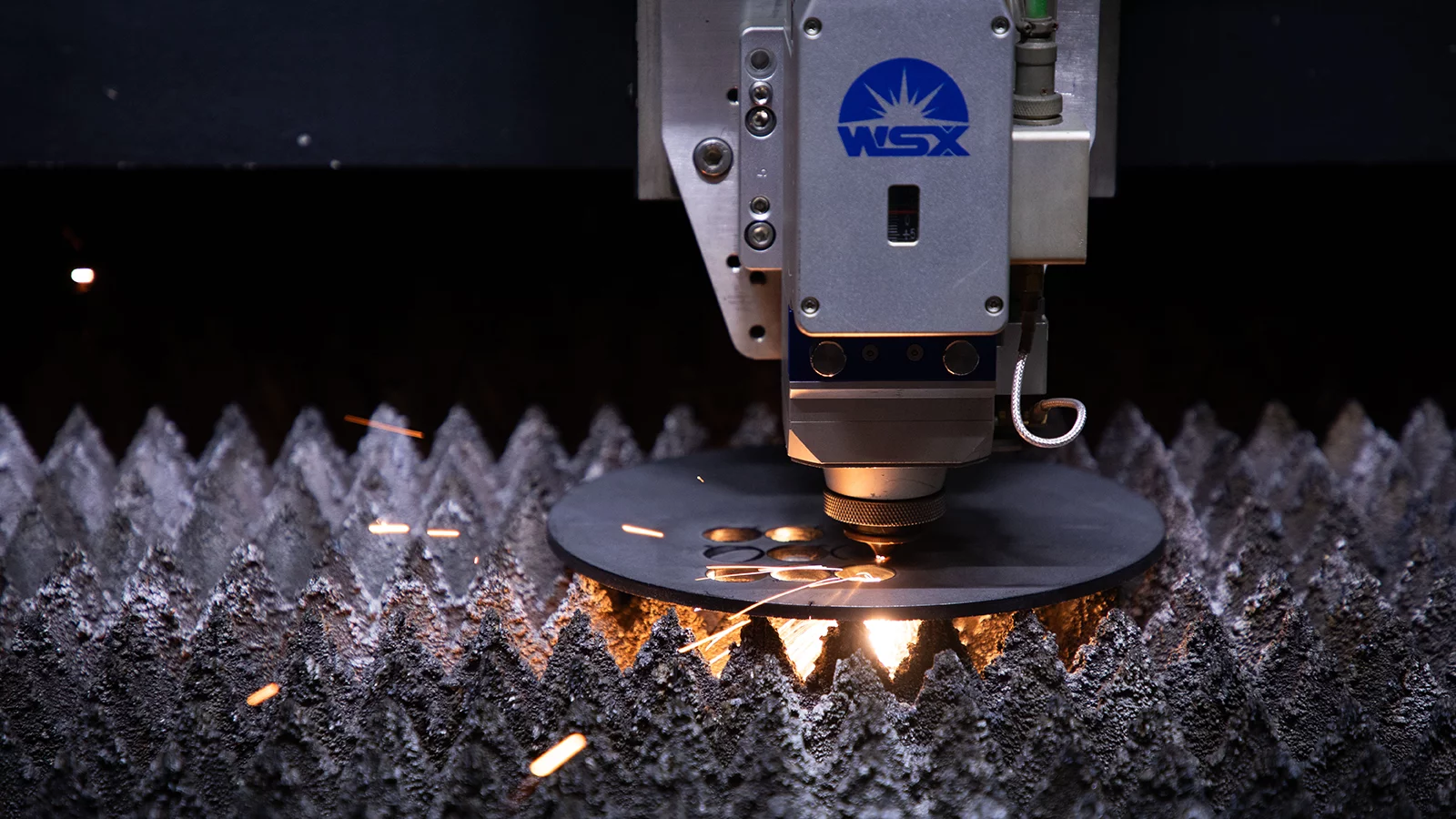
Laser or plasma cutting for precise panel shaping
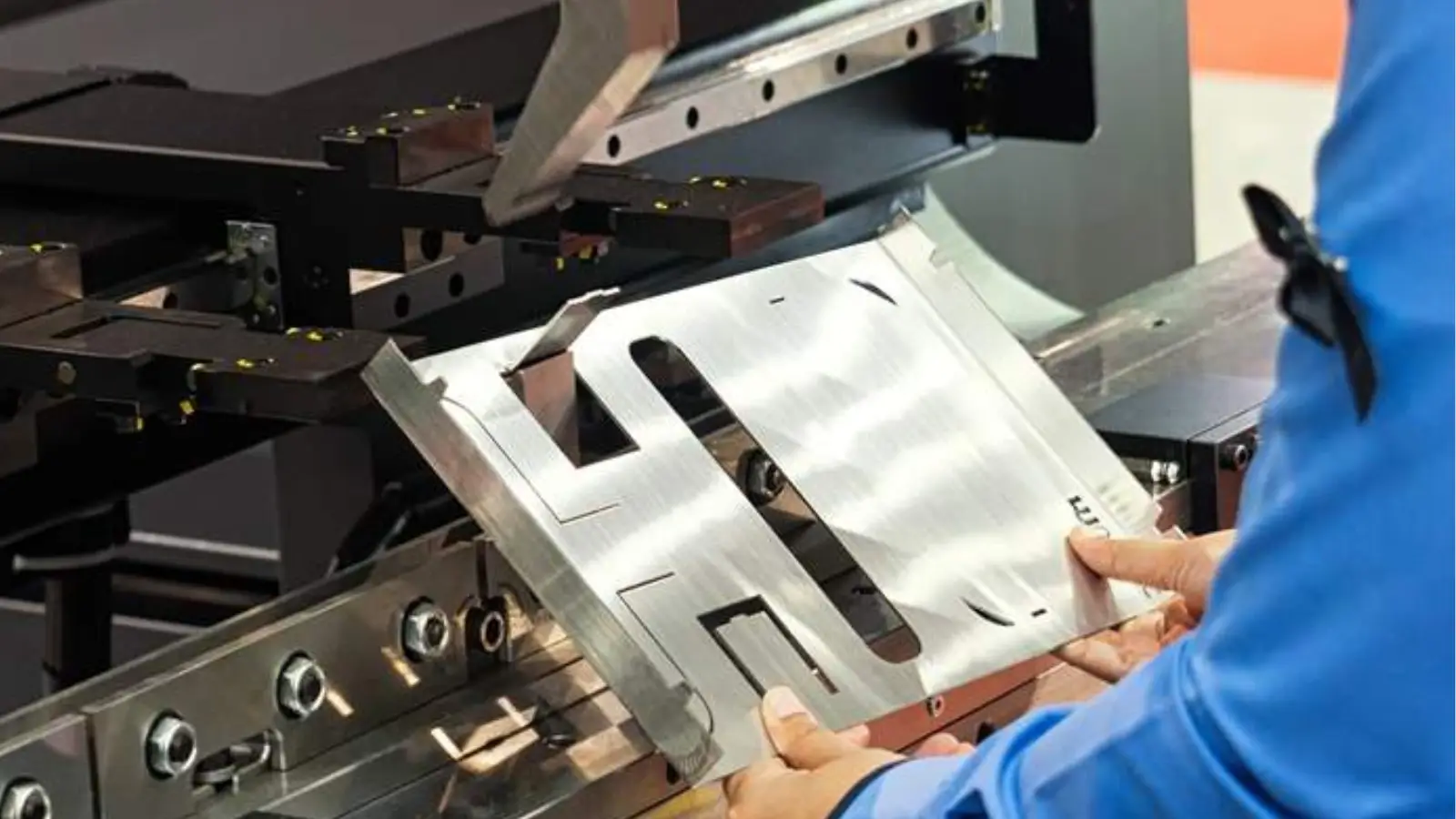
Press braking to form bends and structural folds
Welding at critical joints for rigidity
Surface preparation including shot blasting or phosphating
Final coating via powder coating, paint, or plating
YPMFG supports clients through each phase, offering technische Bewertung and custom solution design to ensure the final product meets functional and aesthetic requirements.
Key Design Considerations for Custom Network Cabinets
Designing a network cabinet requires balancing mechanical integrity with operational accessibility. Several factors influence the final specification and performance of the enclosure.
Enclosure Dimensions and Rack Compatibility
Standard rack units follow the EIA-310-D framework, which defines 19-inch width and 1U = 1.75-inch height. Custom cabinets must maintain compatibility with this standard while accommodating non-standard equipment widths or depth requirements. Buyers should confirm mounting hole patterns, rail profiles, and clearance for cable routing.
Ventilation and Thermal Management
Network equipment generates significant heat. Passive ventilation relies on strategic louver placement and natural convection. Active cooling introduces fans or liquid cooling modules. The choice depends on equipment power density and ambient conditions. A well-designed network equipment enclosure incorporates thermal modeling during the engineering phase.
Environmental Sealing and Protection
In industrial or outdoor settings, cabinets require higher ingress protection ratings. Options include IP54, IP65, or even higher seals. Gasketed doors, filtered vents, and corrosion-resistant coatings extend service life. Buyers should specify the operating environment early in the quotation process.
Weight and Load Distribution
Floor-standing cabinets must support heavy switchgear and power distribution units. The base frame, shelf supports, and caster or leveling foot configuration all affect structural performance. Thin-gauge materials may reduce cost but compromise long-term stability under dynamic loads.
Material Selection and Surface Treatment Options
Material choice directly impacts durability, cost, and appearance. The table below compares common options used in sheet metal enclosures.
Surface treatment adds protection and determines visual quality. Powder coating is the most common finish for indoor cabinets. It provides uniform coverage, chemical resistance, and color consistency. For outdoor or harsh environments, epoxy primers combined with polyurethane topcoats offer extended lifespan.
Custom powder coating services allow branding and color matching. Lead times should account for curing and quality inspection.
Quality Standards and Compliance Requirements
Network cabinets intended for commercial or industrial deployment should meet recognized standards. Compliance verifies mechanical safety, electrical isolation, and environmental resilience.
Key standards include:
EIA-310-D: Defines rack dimensions and mounting hole patterns
IEC 60529: Specifies IP (Ingress Protection) ratings
UL 508A: Covers industrial control panel enclosure requirements
ISO 9001: Indicates a certified quality management system
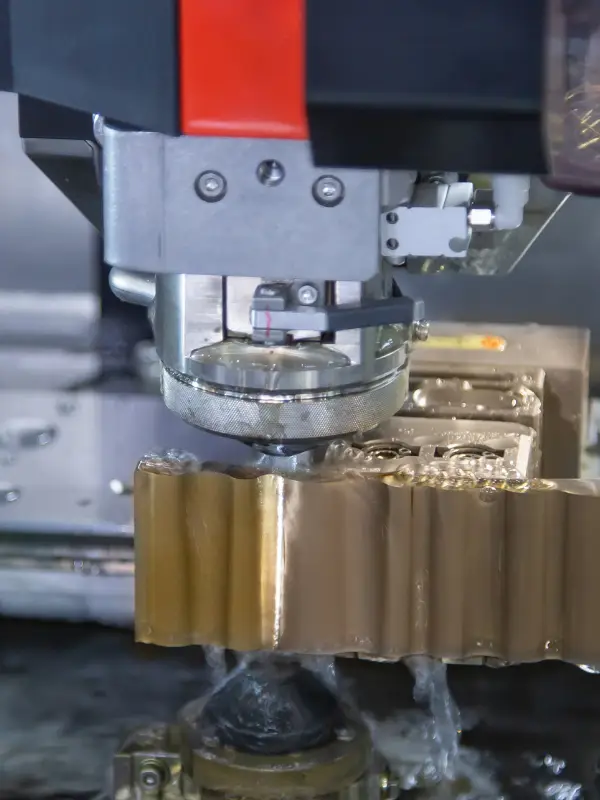
Manufacturers with established processes typically provide material certificates, dimensional reports, and finish test results. Buyers should request documentation before approving prototypes.
YPMFG follows structured quality inspection procedures throughout production. Each batch undergoes dimensional verification and surface defect screening before shipment.
Common Mistakes to Avoid When Ordering Custom Cabinets
Many procurement delays stem from incomplete specifications or unrealistic expectations. Reviewing common pitfalls can prevent costly rework.
First, omitting environmental details leads to under-specification. A cabinet rated for indoor use will fail prematurely in a humid or dusty facility. Second, ignoring thermal modeling results in equipment overheating. Third, selecting the thinnest gauge available to reduce cost often compromises structural rigidity.
Another frequent error is failing to account for cable bend radius and service access. Tight clearances make maintenance difficult and increase downtime risk. Always validate internal layout with actual component dimensions.
Working with a manufacturer that offers free engineering consultation can identify these issues before tooling begins. Clear communication during the design phase saves time and money.
Cost Drivers and Pricing Factors
The price of a custom sheet metal network cabinet depends on several variables. Material cost forms the baseline, but finishing, hardware, and assembly complexity often dominate the final quote.
Primary cost drivers include:
Sheet metal thickness and material type
Number of formed features and weld points
Surface finish complexity and color count
Hardware inclusion such as locks, hinges, and casters
Order quantity and lead time urgency
Small prototype runs carry higher per-unit costs due to setup and programming time. Bulk production benefits from economies of scale. Buyers should request itemized quotations to compare value across suppliers.
Common Questions About Custom Sheet Metal Network Cabinets
What is the typical lead time for a custom fabricated network cabinet?
Lead time depends on design complexity, material availability, and order volume. Standard prototype runs usually take two to four weeks. Production batches may require four to eight weeks depending on finishing steps and quality checks. Rush orders are often available at additional cost.
Can you fabricate enclosures for outdoor deployment?
Yes. Outdoor-rated cabinets require enhanced sealing, corrosion-resistant materials, and UV-stable coatings. Manufacturers can engineer IP65-rated enclosures with filtered ventilation and thermal management systems suitable for exterior installation.
What information is needed to obtain an accurate quotation?
Provide overall dimensions, intended equipment load, mounting type, environmental conditions, IP rating requirement, and any special features such as integrated power distribution or cable management. Detailed CAD drawings or sketches speed up the evaluation process.
How do I verify the quality of a custom fabrication supplier?
Request material certifications, inspect sample finishes, review quality control documentation, and verify whether the facility holds relevant ISO certifications. Visiting the production site or requesting a virtual tour can confirm manufacturing capabilities.
What is the difference between OEM and custom fabrication?
OEM refers to producing parts based on customer-provided drawings. Custom fabrication involves collaborative design where the manufacturer contributes engineering input. Both models are available depending on how much specification detail you already have.
Choosing the Right Custom Fabrication Partner
Selecting a manufacturer requires evaluating technical capability, quality systems, and responsiveness. A capable partner should offer design support, material guidance, and transparent communication throughout the project lifecycle.
During the evaluation phase, review the supplier’s portfolio for similar enclosure types. Ask about their welding qualifications, coating line capacity, and inspection protocols. A structured quotation process reflects organizational maturity.
YPMFG provides comprehensive support from initial concept to final delivery. Clients receive custom design proposals,prototype sampling, und full production tracking. The company assists with technical documentation and after-sales support to ensure long-term satisfaction.
Eine bessere langfristige Entscheidung treffen
A well-engineered custom sheet metal network cabinet reduces installation friction, improves equipment longevity, and minimizes maintenance issues. The initial investment in proper design and quality fabrication pays dividends through reliable operation.
Buyers should prioritize specifications over price alone. Verify that the manufacturer understands your operational context and can address technical questions promptly. Request samples or visit facilities when possible.
If you are planning a new deployment or replacing aging enclosures, consider reaching out to YPMFG. You can send your specifications for a free engineering review or request a detailed quotation. The team provides custom solution advice, production planning, und quality assurance throughout the process.