 German
  English
  Russian
  Japanese
  Korean
  Spanish
  French
  Italian
  Portuguese
 Kurze Antwort:
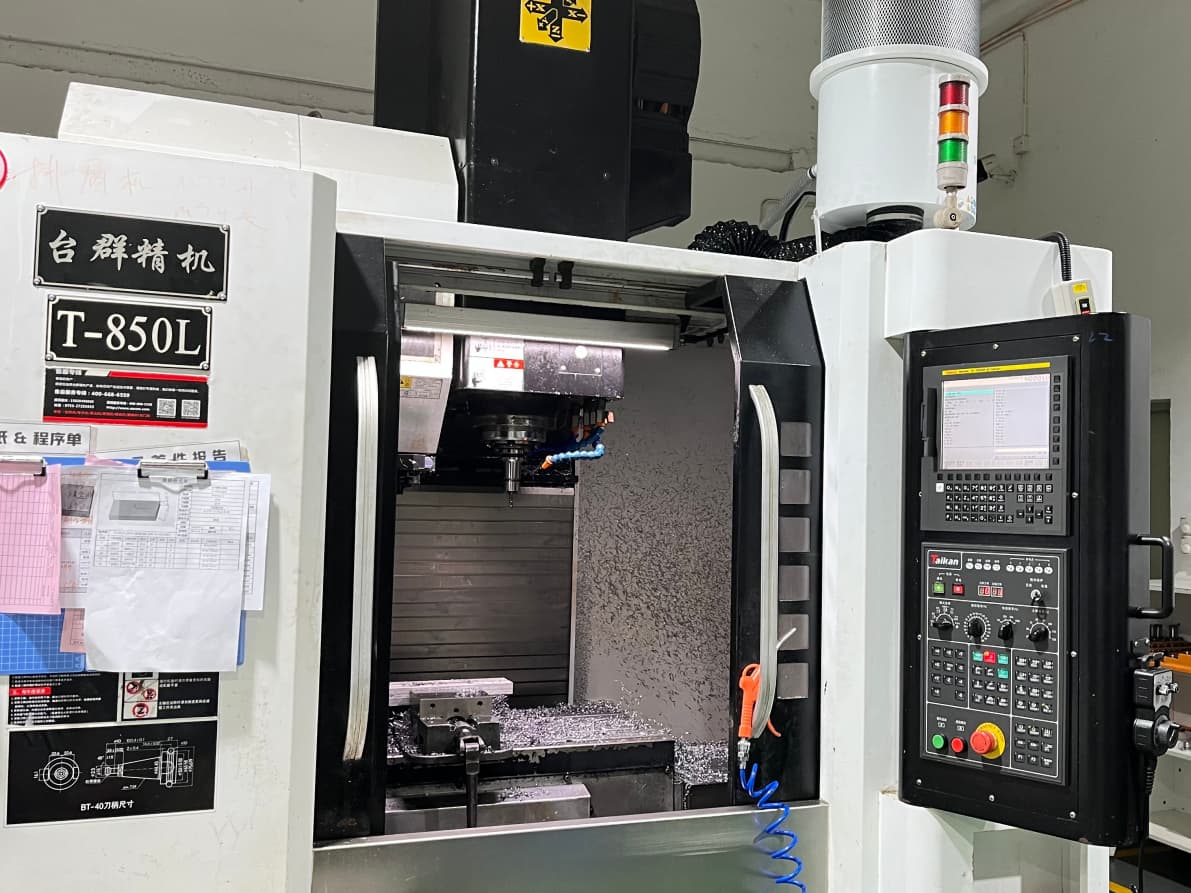
Shandong custom metal fabrication refers to the on-demand manufacturing of precision metal parts and components, mostly supported by advanced CNC-Bearbeitung equipment across the region. It serves industries that require tight tolerances, custom geometries, and consistent material quality for end-use applications. Buyers can access flexible production volumes, engineering support, and verified process controls to reduce procurement lead times.
Many industrial procurement teams face consistent pain points when sourcing custom metal parts. They often deal with delayed lead times, unvalidated dimensional accuracy, unclear material compliance documentation, and inconsistent quality across production batches. These issues can cause production line delays, extra rework costs, and unplanned project timeline overruns. YPMFG works with teams to resolve these common pain points through structured process checks and transparent project updates.
Core Capabilities of Shandong Custom Metal Fabrication
Most professional service providers in this region support a full range of CNC components manufacturing workflows for different project scales. These capabilities cover everything from initial 2D and 3D file review to final surface treatment and pre-shipment inspection. Each step is designed to align with the specific requirements shared by the buyer at the start of the project.
The most commonly offered core services include:
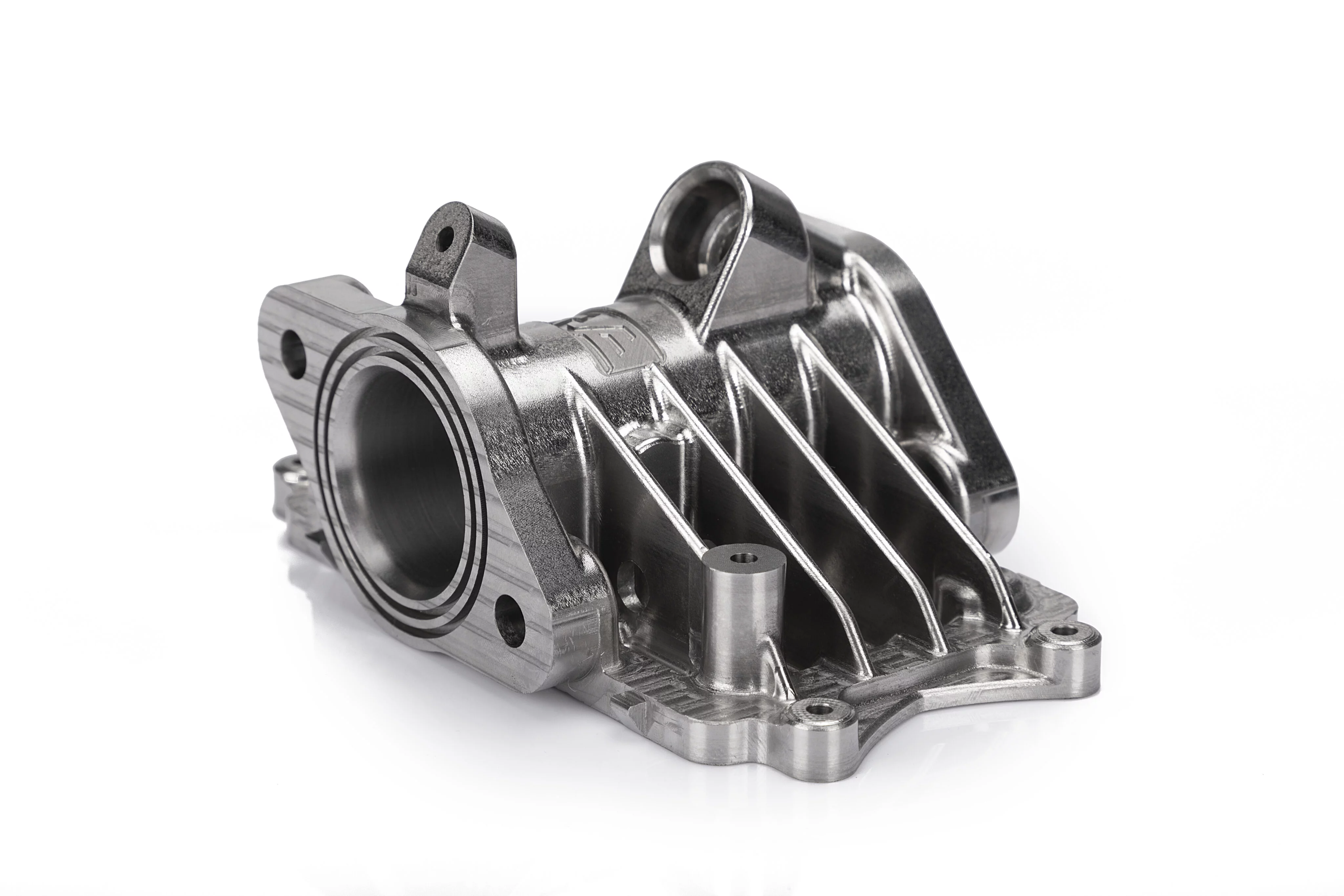
3-axis, 4-axis, and 5-axis CNC milling for complex part geometries
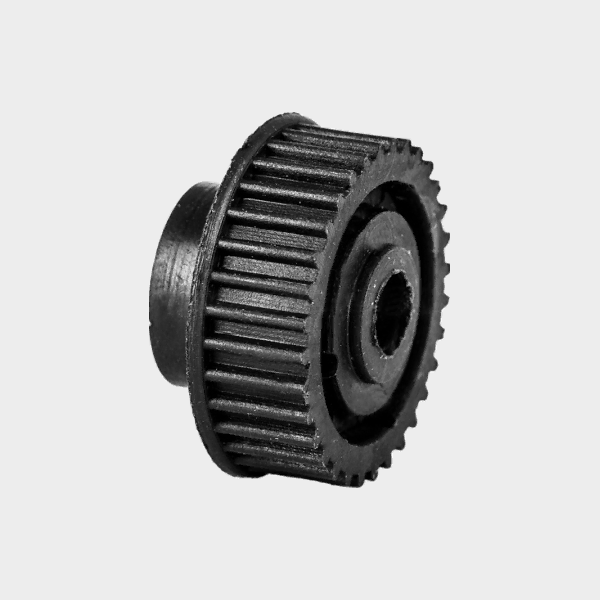
Precision turning for cylindrical and rotational metal components
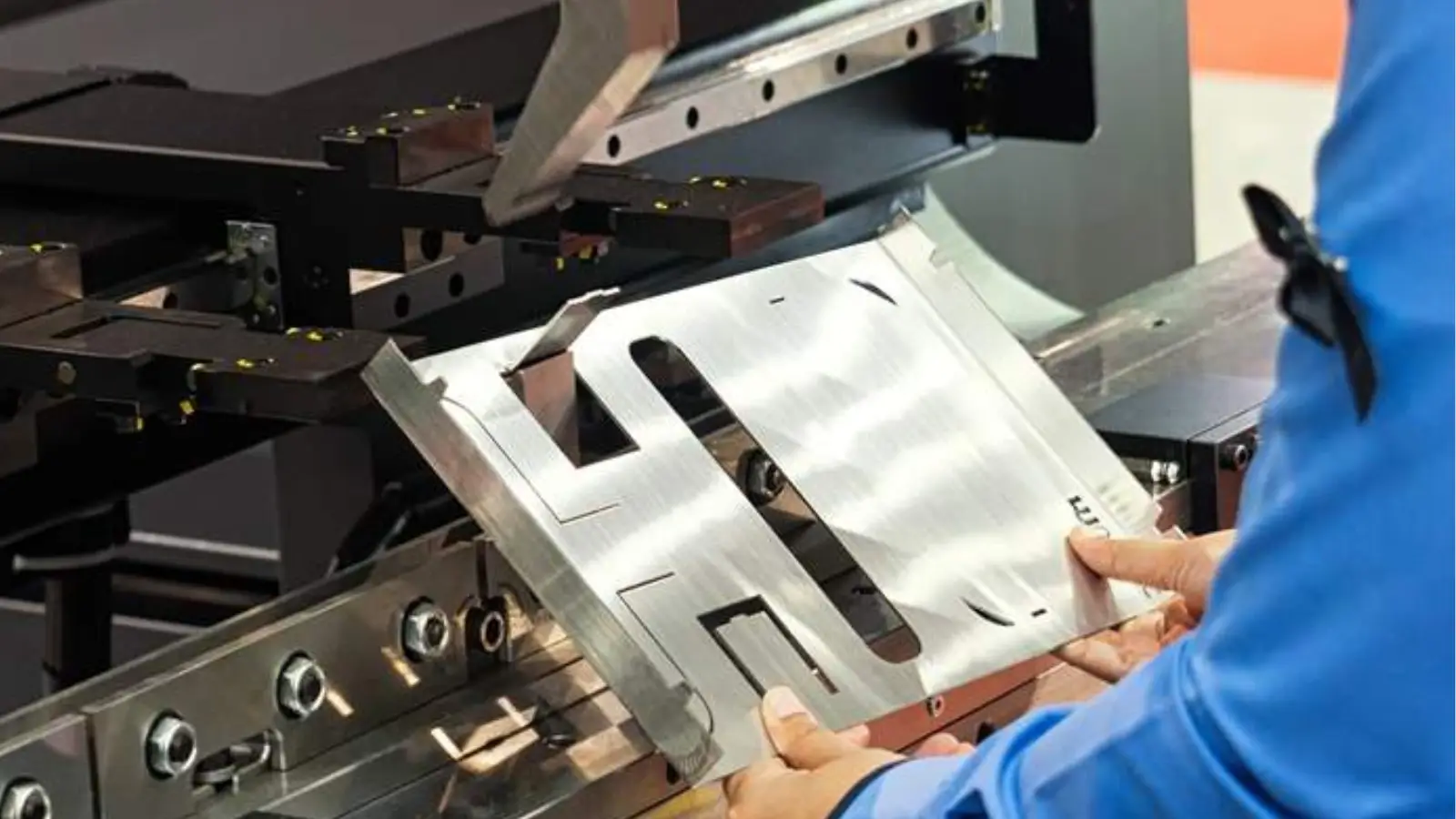
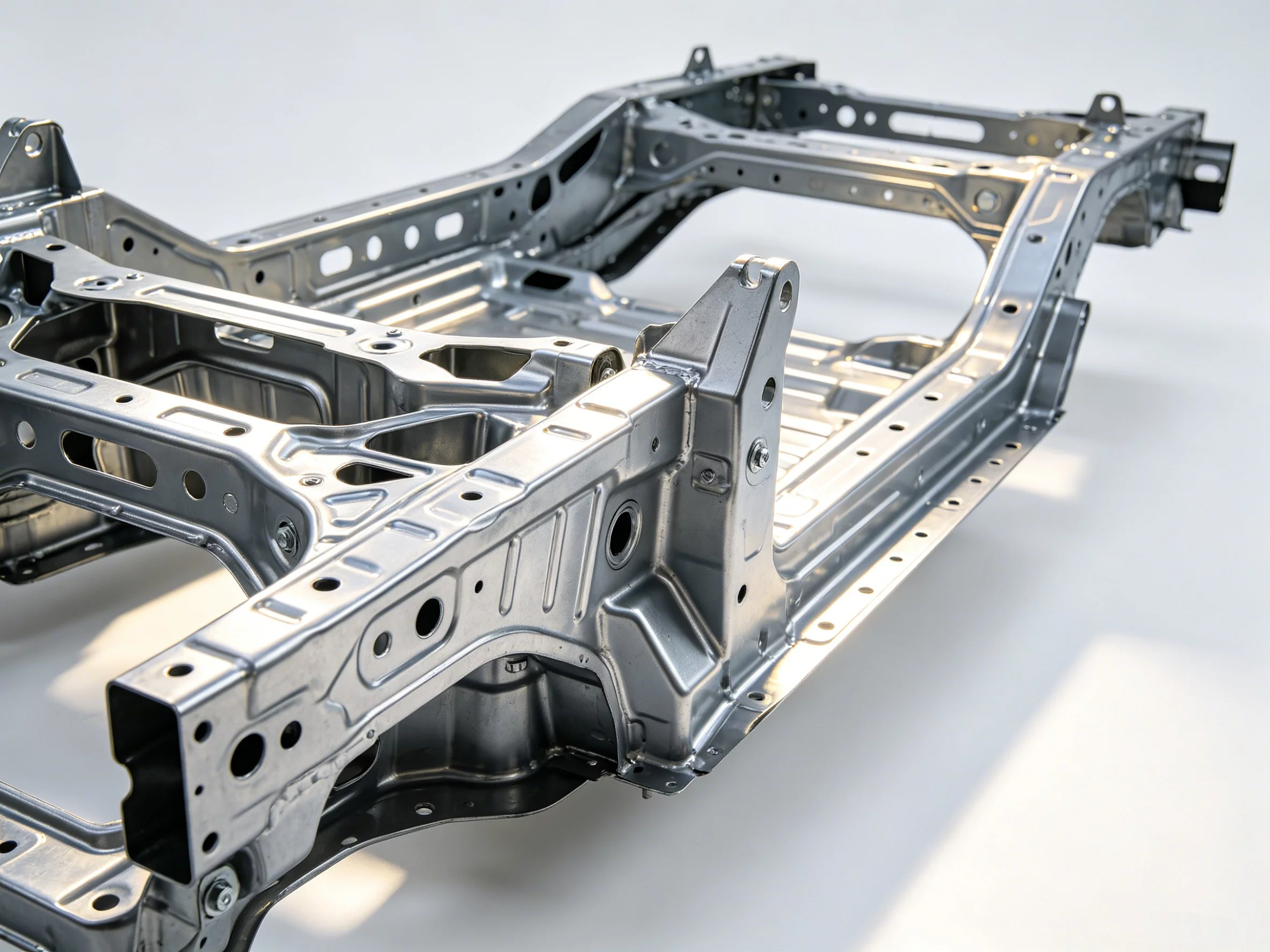
Sheet metal cutting, bending, and welding for structural assemblies
Post-processing options including anodizing, powder coating, and passivation
Material testing and basic dimensional verification before batch production
Not every provider supports all these processes in-house. Buyers should confirm which steps are completed on-site and which are outsourced to avoid unmanaged quality risks.
Key Material Options for Custom Metal Parts
Different application scenarios require specific metal materials to meet performance, durability, and compliance standards. The table below lists commonly used materials, their typical use cases, and key performance notes for reference.
You should always confirm material certification documents with your supplier before starting full production. YPMFG can help you review your material selection against your actual operating environment and performance requirements.
How to Evaluate Dimensional Accuracy and Tolerance Compliance
Tolerance levels directly affect whether your custom parts will fit correctly into your existing assembly system. Most standard CNC-Bearbeitung projects can hold tolerances between ±0.02 mm and ±0.1 mm, depending on part size, geometry, and material hardness. Tighter tolerances will usually require additional processing steps and increase total production cost.
Buyers can take three simple steps to verify tolerance capabilities before placing a formal order. First, ask the supplier to share recent inspection reports for similar parts with your required tolerance range. Second, request a sample test for one or two prototype units before committing to large batch production. Third, confirm that all measurement tools used for inspection are calibrated on a regular schedule.
Skipping these verification steps can lead to parts that do not fit during assembly, requiring costly rework or full re-manufacturing. Even small dimensional deviations can cause unexpected performance issues in high-precision industrial equipment.
Hidden Cost Factors in Shandong Custom Metal Fabrication
The initial quoted unit price is rarely the full total cost of a custom metal fabrication project. Many hidden factors can add unexpected expenses if they are not addressed clearly during the early quoting stage. Understanding these factors helps buyers create more accurate project budgets and avoid unplanned overspending.
The most frequent hidden cost drivers include:
Unnecessary tight tolerance requirements that do not match actual application needs
Frequent design changes submitted after production has already started
Special tooling or fixture costs for very unique part geometries
Additional shipping and customs clearance fees for international orders
Secondary rework caused by unclear or incomplete original design files
You can reduce most of these hidden costs by providing fully detailed, dimensioned design files and all relevant performance requirements to your supplier at the very beginning. YPMFG offers a free technische Bewertung for submitted design files to help identify potential cost saving opportunities before production begins.
Common Questions About Shandong Custom Metal Fabrication
Can I get a custom metal part made from my own unique design file?
Yes, most qualified providers accept standard 2D CAD and 3D STEP files for custom production. You will need to clearly mark all critical dimensions, tolerance requirements, and surface finish notes in your submitted documents.
What is the typical lead time for a small batch of custom CNC machined parts?
Small batch orders for standard materials and moderate complexity usually take between 7 and 15 working days. Lead times can extend for large volumes, special materials, or parts that require multiple post-processing steps.
Do I need to pay full tooling costs for a one-off prototype part?
Many suppliers can produce single prototype parts using existing general tooling, so no full custom tooling fee is required. You should confirm tooling charges during the initial custom solution review to avoid unexpected fees.
Can custom metal fabrication services provide material compliance certificates?
Most professional providers can supply material mill certificates, inspection reports, and other required compliance documents. You should state your documentation requirements clearly in your initial project request.
Is it possible to adjust part design details after the first prototype is completed?
Yes, design adjustments are very common after prototype testing. Each change will require a new review of updated files to confirm it does not introduce new manufacturing challenges or unexpected cost increases.
Choosing the Right Service for Your Project
The most reliable custom metal fabrication partnerships are built on clear communication, documented process controls, and aligned expectations from the first discussion. You do not need to over-specify tolerances or materials beyond what your actual application truly requires, and you should never skip the basic verification steps for quality and capability.
If you are currently sourcing CNC components manufacturing for an upcoming industrial project, you can send your full design specifications to YPMFG for a detailed review. The team will provide a clear, itemized quote, optional sample test arrangements, and professional engineering guidance tailored to your exact application needs.