 German
  English
  Russian
  Japanese
  Korean
  Spanish
  French
  Italian
  Portuguese
 Kurze Antwort:
A 5th axis CNC machine adds two rotational axes (A and C) to the standard three linear movements,enabling complex part geometry to be machined in a single setup. This approach reduces repositioning errors, improves surface finish, and allows for deeper undercuts that 3-axis machines cannot reach. It is ideal for aerospace components, medical implants, and turbine blades. However, 5th axis programming requires specialized CAD/CAM skills, and the machines are significantly more expensive than 3-axis centers. Buyers should evaluate their part complexity, volume, and tolerance requirements before committing to this equipment.
Most engineers and procurement teams face a critical decision when their current CNC setup can no longer handle intricate geometries or tight tolerances. Repeated part repositioning introduces cumulative error and increases cycle time. A properly applied 5 axis CNC machining strategy solves this problem by allowing the tool to approach the workpiece from multiple angles simultaneously. The question is not whether to adopt this technology, but how to implement it correctly and cost-effectively.
How a 5th Axis CNC Machine Works
A standard 3-axis CNC mill moves along X, Y, and Z linear axes. A 5th axis machine introduces two rotational axes, typically labeled A and C, which rotate the workpiece around these additional planes. The A axis tilts the table or head, while the C axis rotates it. Some machines swap the positions, placing rotation on the spindle instead of the table, but the functional outcome remains the same.
This configuration allows the cutting tool to engage the part from five different directions without manual re-fixturing. Compound movements such as simultaneous 5 axis milling enable the creation of spirals, helical surfaces, and complex contoured features in a single operation. The result is a part with superior geometric accuracy and consistent surface quality.
Programming a 5th axis machine requires advanced CAM software capable of generating collision-free toolpaths. Post-processors must translate generic NC code into machine-specific commands. Operators with limited experience may encounter overtravel errors or excessive cycle times if the toolpath strategy is poorly optimized.
Core Benefits of 5th Axis CNC Machining
The primary advantage is reduced setup time. Parts that previously required three or four separate fixtures can now be completed in one clamping. This eliminates alignment errors between operations and preserves datum references throughout the process.
Surface finish improves because the cutting tool maintains an optimal engagement angle with the workpiece. Ball nose end mills can be positioned perpendicular to curved surfaces, producing smoother results compared to the scalloping pattern left by traditional 3-axis approaches.
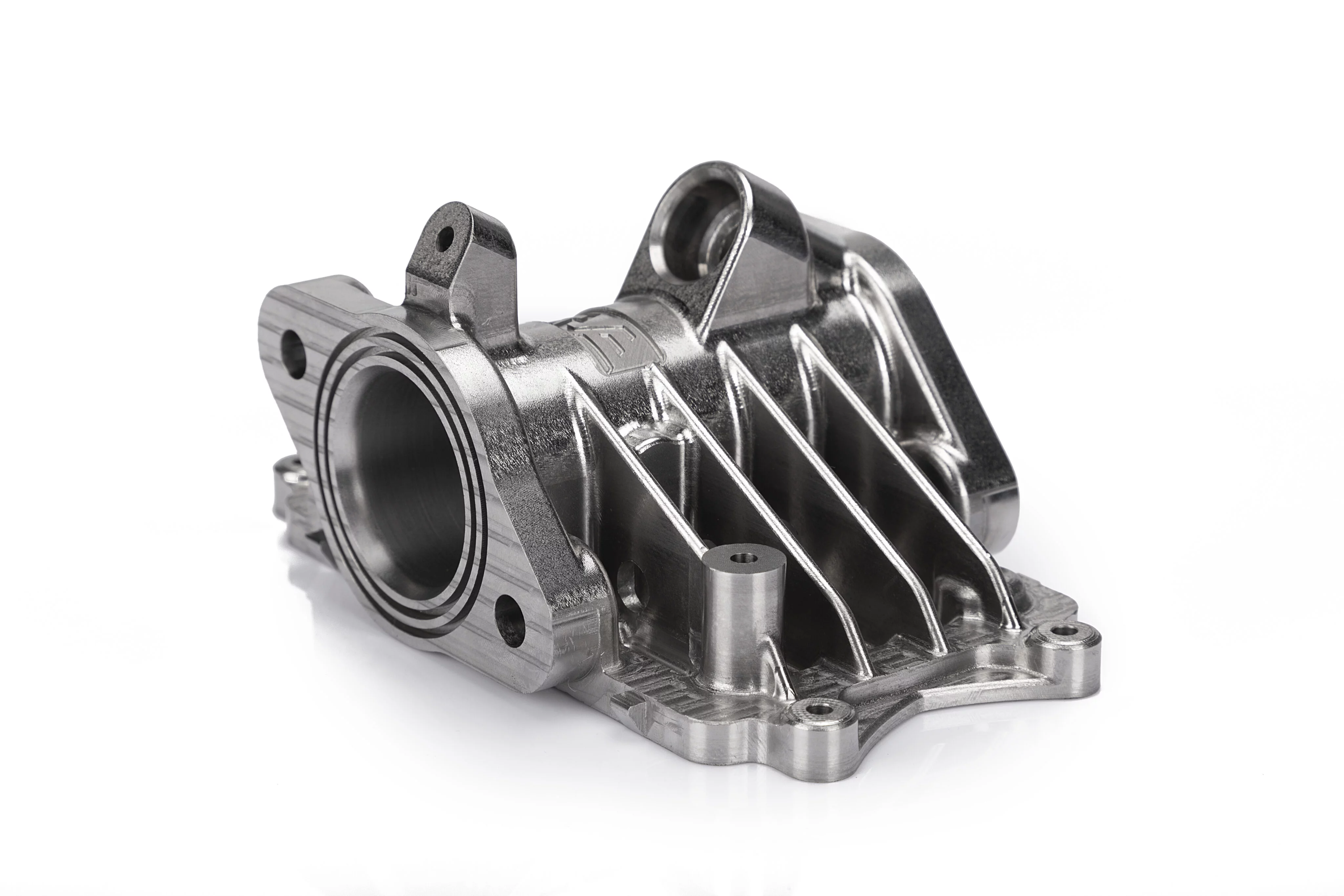
Complex geometries become feasible. Impellers, turbomachinery components, and organic medical shapes that were previously unmanufacturable or extremely costly can now be produced efficiently. 5 axis CNC machining opens design possibilities that were previously limited by mechanical constraints.
However, these benefits come with trade-offs. Machine purchase costs are higher, floor space requirements increase, and maintenance complexity grows. Programming expertise is scarce and expensive. Buyers must weigh these factors against their production volume and part complexity before investing.
Common Applications Across Industries
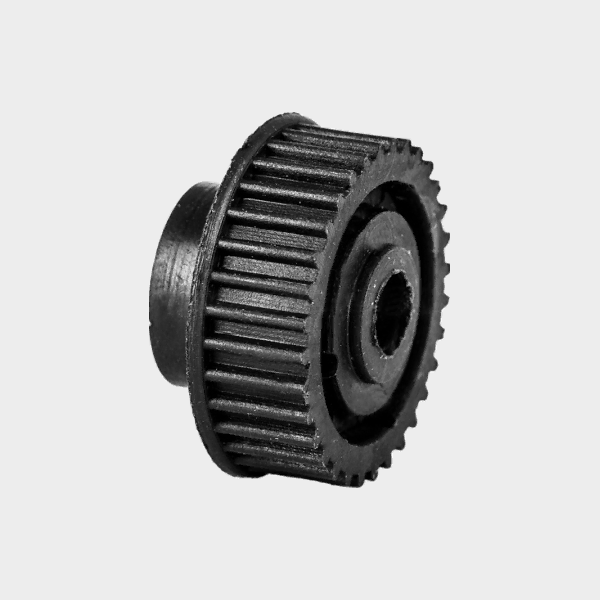
Aerospace components represent the largest application segment. Turbine blades, engine mounts, and structural brackets with compound curves require 5 axis CNC machining to meet stringent quality standards. The ability to machine titanium and Inconel efficiently makes this technology indispensable in this sector.
Medical device manufacturers rely on 5th axis systems for orthopedic implants, surgical tools, and dental components. These parts demand high precision, excellent surface finish, and complex organic shapes. ISO 13485 compliance and material traceability add further requirements that 5th axis centers can handle.
Mold and die production benefits significantly from this technology. Single-setup machining of injection molds, die-casting tools, and stamping dies reduces lead time and improves dimensional consistency. Complex cooling channels and undercut features are milled directly without secondary operations.
Automotive racing and prototype development also utilize 5th axis equipment extensively. Lightweight structural components, intake manifolds, and custom brackets benefit from the speed and accuracy this technology provides.
Cost Factors and Hidden Expenses
Machine acquisition represents the largest upfront investment. A complete 5th axis CNC center typically costs two to four times more than a comparable 3-axis machine. Tooling, fixturing, and maintenance supplies add further capital requirements.
Programming costs should not be overlooked. CAM software licenses for 5 axis CNC machining programs are expensive. Qualified programmers command premium salaries. Training existing staff to operate this equipment requires significant time and investment.
Cycle time analysis must account for toolpath complexity. While 5th axis machining can reduce total setup time, it may increase individual cycle duration due to longer toolpath travel and conservative feed rates. Engineers should simulate operations before committing to production.
Material waste patterns differ from 3-axis setups. Efficient part nesting and strategic fixture design can minimize scrap. Poor toolpath planning, however, can generate excessive chip load and premature tool wear, increasing per-part costs significantly.
How to Choose the Right 5th Axis CNC Machine
Evaluation should begin with part geometry analysis. Identify components that require simultaneous multi-axis movement or undercuts unreachable by standard setups. Create a list of current parts that exceed your existing machine capabilities.
Assess your material inventory. Titanium, Inconel, and hardened steels demand rigid machine structures and powerful spindles. Aluminum and plastic applications have more flexibility in machine selection. Material type heavily influences spindle power and machine frame requirements.
Verify CAM software compatibility. Your existing 5 axis CNC machining programming workflow must support the target machine’s control system. Post-processor availability and quality vary significantly between manufacturers. Confirm this before purchasing.
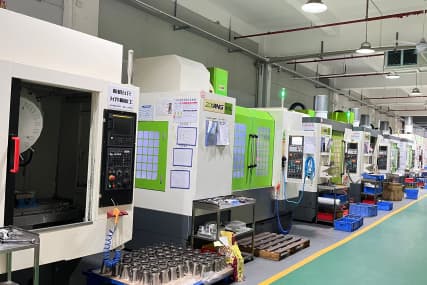
Evaluate your team’s technical readiness. Operating 5th axis equipment requires experienced programmers and operators. If your team lacks this expertise, budget for training or consider starting with a simpler automation solution.
Request a thorough engineering assessment from your supplier. They should analyze your part drawings, suggest optimal fixturing strategies, and provide a realistic cost projection. YPMFG offers free engineering reviews for incoming projects to help buyers validate their 5 axis CNC machining requirements before committing to production.
Comparison: 3 Axis vs 5 Axis CNC Machining
This comparison highlights that the decision depends on part geometry and production volume, not just budget. Simple boxes and brackets do not justify 5 axis CNC machining investment. Highly complex components with tight tolerances often do.
Common Mistakes When Adopting 5th Axis Technology
Underestimating programming complexity is the most frequent error. Engineers new to multi-axis operations often create inefficient toolpaths that cause excessive tool wear or poor surface finish. Simulation and verification are essential before production begins.
Choosing the wrong machine type creates workflow bottlenecks. Table tilting, head tilting, and head-table configurations each suit different part sizes and geometries. Selecting incorrectly forces compromise later.
Ignoring fixture design requirements leads to repeated problems. Proper 5 axis CNC machining fixturing must allow full rotary access while maintaining rigidity under cutting forces. Cheap or generic fixtures fail under these conditions.
Failing to plan for maintenance creates long-term issues. 5th axis machines require more frequent lubrication, ball screw inspection, and rotational axis calibration. Neglecting these tasks results in accelerated wear and unpredictable accuracy loss.
Questions Buyers Often Ask About 5th Axis Machines
What is the typical lead time for a 5th axis CNC machine?
Lead times range from 8 to 16 weeks depending on configuration and manufacturer workload. Standard table-tilt models ship faster than custom head-table combinations with special options.
Can I retrofit a 3 axis machine with a 5th axis rotary table?
Yes, third-party rotary tables exist for many 3-axis platforms. However, integration requires controller upgrades, collision detection modifications, and CAM software adjustments. Full integration is often more reliable than retrofit solutions.
How does part size affect 5th axis machine selection?
Larger parts require larger rotary tables and longer travel axes. Maximum part diameter and weight ratings differ significantly between models. Always verify your largest component fits within both the machine envelope and rotary table capacity.
Is 5th axis CNC machining more expensive per part?
Not necessarily. While machine costs are higher, reduced setup time, fewer errors, and improved surface finish often lower total production cost per part for complex geometries. Simple parts remain cheaper on 3-axis equipment.
What certification should I look for in a supplier?
ISO 9001 manufacturing quality certification is standard. Aerospace suppliers should hold AS9100. Medical device work may require additional process validation. Verify certifications match your industry requirements before engaging.
How do I evaluate a supplier’s technical capability?
Request sample parts similar to your geometry. Review their CAM programming documentation. Ask about post-processor development experience. YPMFG provides detailed engineering assessments and can review your specifications before you commit to production.
Need Help Selecting the Right 5th Axis Solution
Choosing between 3-axis and 5 axis CNC machining depends on your specific part geometry, volume, and tolerance requirements. The right decision requires careful evaluation of your current production challenges and future growth plans.
Professionals at YPMFG can review your part drawings and provide a free engineering assessment. Send your specifications to our team, and we will recommend the most efficient machining strategy for your application. We also offer prototype evaluation services so you can verify results before committing to full production runs.