 Spanish
  English
  German
  Russian
  Japanese
  Korean
  French
  Italian
  Portuguese
 Quick Answer:
A reliable CNC routing company should match your part geometry, material type, and tolerance requirements with the right machine setup and tooling strategy. Look for a supplier that offers engineering review before quoting, provides material certifications, and demonstrates consistent quality through documented processes. YPMFG specializes in CNC machining and CNC parts manufacturing, and we evaluate every routing project based on design-for-manufacturability, tool path efficiency, and real-world production capability before confirming lead time and pricing.
Many buyers struggle to find a CNC routing service that delivers repeatable quality without long back-and-forth communication. A routing company may quote quickly but still lack the process control needed for tight-tolerance parts. The real difference shows up when you compare how each supplier handles design feedback, material selection, and quality documentation. At YPMFG, we start every inquiry with a technical review, so your specifications are validated before production begins. This reduces errors,avoids costly rework, and gives you a clearer picture of what a finished part will actually look like.
Below, we break down what matters most when choosing a CNC routing manufacturer, from machine capability and material expertise to quality standards and common purchasing mistakes.
What CNC Routing Actually Covers
CNC routing is a subtractive manufacturing process that uses computer-controlled spindles and rotating cutting tools to shape flat or formed sheet materials. It is widely used for prototypes, medium-volume production runs, and custom component fabrication across many industries.
The process differs from traditional CNC milling mainly in table size, material type, and typical application scope. Routing machines often feature larger work envelopes and are optimized for cutting sheet stock such as aluminum plates, plastics, composites, y wood-based materials. Milling machines, by contrast, are generally built for heavier cuts on solid metal blocks and precision machined components.
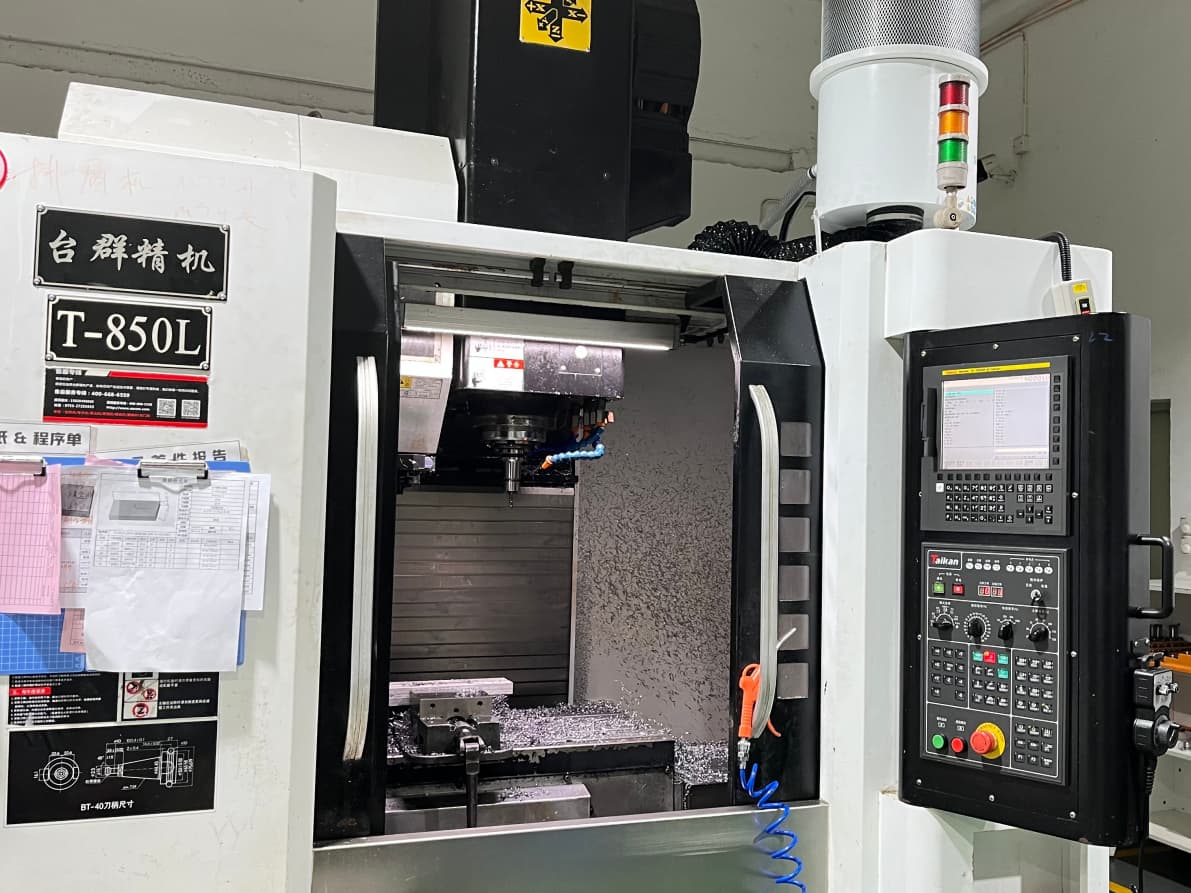
When evaluating a CNC routing company, you should consider whether they operate dedicated routing equipment or share the same machines across multiple processes. Dedicated routing lines usually deliver faster cycle times and more stable surface finishes for sheet-based parts.
Key capabilities to verify include:
Axis configuration (3-axis, 4-axis, or 5-axis routing)
Table travel range and maximum workpiece dimensions
Spindle power and speed range
Tool changer capacity and automatic tool measurement
Dust extraction and workholding system flexibility
Materials That Work Well With CNC Routing
Material selection is one of the most important decisions in any routing project. The wrong choice can cause tool wear, poor surface finish, dimensional drift, or even part failure in service. A strong CNC routing partner should be able to guide you through this decision with engineering experience, not just machine availability.
Commonly routed materials fall into several groups:
If your project involves a specialized alloy or a high-performance plastic, the CNC routing company should be able to confirm compatible cutting parameters and tooling recommendations before you commit to production. Rushing into a material choice without engineering input is one of the most common sources of hidden cost.
How to Evaluate a CNC Routing Company
Most buyers make their first decision based on price alone. That approach often leads to quality variation, delayed delivery, or parts that do not meet drawing requirements. A more practical evaluation method looks at capability, process control, and communication quality together.
Here is a checklist you can use when comparing CNC routing companies:

Does the supplier offer a design-for-manufacturability review before quoting?
Are material certifications and test reports available upon request?
Can they provide sample parts or a pilot run for validation?
Do they use documented quality inspection procedures, not just visual checks?
Is there clear communication about tolerances, surface finish, and secondary operations?
Can the supplier handle your required volume without long queue delays?
Do they support reverse engineering or drawing interpretation for undefined specifications?
YPMFG supports all of the above and recommends buyers verify at least four of these points before placing an order. A supplier that confidently checks most of these items is more likely to deliver consistent results.
Common Mistakes When Choosing a Routing Service
Even experienced buyers can make avoidable mistakes when selecting a CNC routing service provider. These errors usually stem from unclear requirements, rushed decisions, or insufficient technical dialogue with the supplier.
The most frequent mistakes include:
Choosing the lowest quote without reviewing process capability. A cheap quote often reflects minimal engineering support, basic tooling, or loose quality control.
Skipping the design review step. Unclear drawings or unrealistic tolerances can cause production delays and unexpected cost increases.
Assuming all CNC routers are the same. Machine age, maintenance condition, and operator experience significantly affect part consistency.
Neglecting secondary operations upfront. Many routed parts require drilling, tapping, deburring, or surface treatment. These should be planned early, not added later.
Not requesting samples before full production. Samples reveal real-world quality levels that drawings and quotes cannot show.
Avoiding these mistakes requires a structured evaluation and a supplier willing to engage technically before production starts.
Quality Standards and Documentation to Expect
A professional CNC routing company should be able to provide clear documentation throughout the manufacturing process. This documentation protects both parties and makes it easier to trace any quality issue back to its root cause.
Documents you should expect include:
Engineering review notes that confirm feasibility and flag potential design issues
Process plan outlining cutting sequence, tooling list, and machine setup
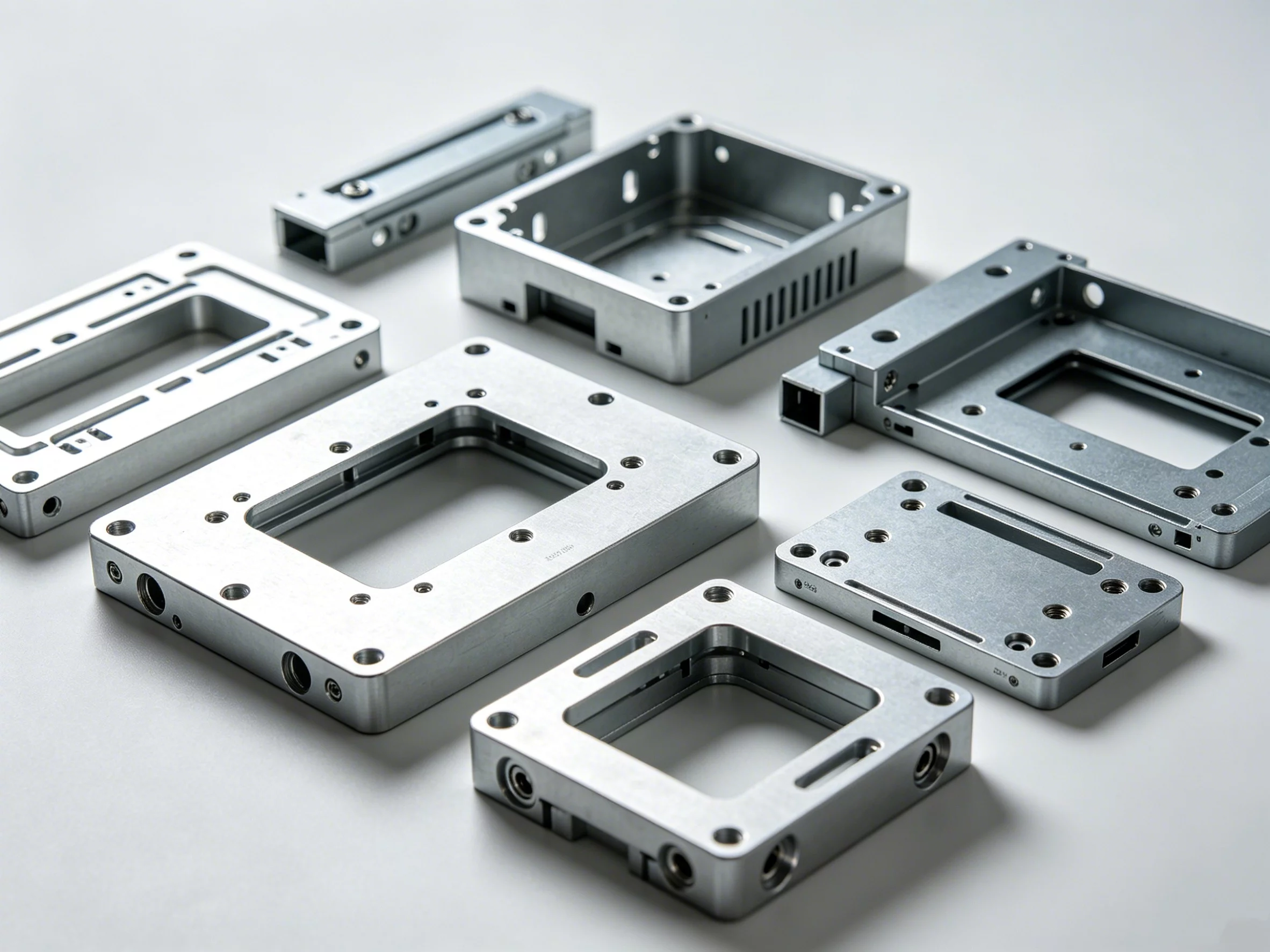
Material certification verifying alloy grade and source
In-process inspection records for critical dimensions
Final inspection report with actual measured values compared to drawing tolerances
Surface finish and visual quality confirmation
If a supplier cannot provide any of these documents, it is a sign that their process control may be inconsistent. YPMFG includes engineering evaluation, process documentation, and final inspection reports with every routing project, ensuring full traceability from quotation to delivery.
Pricing and Lead Time: What Actually Drives Cost
Understanding how CNC routing pricing works helps you compare quotes accurately and avoid surprises. The unit price is rarely just about material cost and machine time. Several factors combine to determine the true production cost.
Major cost drivers include:
Material type, grade, and waste percentage
Part geometry complexity and feature count
Tolerance requirements and surface finish specifications
Tooling strategy and tool wear rate
Number of setups and fixturing complexity
Inspection requirements and documentation level
Order quantity and batch consistency
A detailed quote should break down these elements rather than giving a single lump-sum price. When comparing multiple CNC routing companies, request itemized quotations so you can see where differences actually come from. Low prices that lack transparency often hide extra charges for revisions, rework, or documentation.
How YPMFG Approaches CNC Routing Projects
YPMFG provides CNC machining and CNC parts manufacturing services with a strong focus on routing-compatible processes for sheet materials and precision components. Our approach is built around technical clarity, process control, and practical production experience.
When you send us a routing project, we typically follow this process:
1. Receive your drawings, 3D models, or specification details
2. Conduct a design-for-manufacturability review and provide feedback
3. Confirm material selection, tolerances, surface finish, and secondary operations
4. Generate a detailed quotation with clear scope and lead time
5. Produce samples for validation when requested
6. Move to production with documented quality control and inspection
We support customers across multiple industries and application types. If you have an existing design or need help developing one, our engineering team can review your requirements and recommend a practical manufacturing path.
Practical Questions Before Choosing a CNC Routing Company
These are the questions buyers most often ask when evaluating a CNC routing manufacturer. Getting clear answers early saves time and reduces procurement risk.
What file formats do you accept for routing projects?
Most companies accept PDF drawings, STEP, IGES, and native CAD files. Sending a 3D model with clear tolerances and material notes makes the engineering review faster and more accurate.
Can you route materials thicker than standard sheet sizes?
Yes, many CNC routing companies can handle thick plates and solid blocks, but machine travel limits and fixture availability must be confirmed before quoting.
Do you offer samples before bulk production?
Reputable suppliers usually provide prototype or sample runs. This lets you validate dimensions, surface finish, and material behavior before committing to larger quantities.
How do you handle tight tolerances on routed parts?
Tight tolerances require careful tool path planning, stable fixturing, and calibrated inspection equipment. Ask the supplier to confirm their typical tolerance range and whether it matches your drawing requirements.
What surface finishes can CNC routing achieve?
Standard routed surfaces typically fall within Ra 3.2 to Ra 12.5 micrometers, depending on material and tooling. Finer finishes may require additional machining or post-processing steps.
Do you provide inspection reports and material certifications?
Yes, professional suppliers should provide these documents. They are essential for quality traceability and for meeting customer or industry audit requirements.
Need Help Selecting the Right CNC Routing Solution
Choosing the right CNC routing company comes down to technical capability, process transparency, and reliable communication. A supplier that reviews your design early, confirms material and tolerance feasibility, and provides clear documentation will save you time and reduce production risk.
YPMFG offers CNC machining and CNC parts manufacturing services, including routing-compatible solutions for aluminum, plastics, composites, and other industrial materials. We support engineering evaluation, sample testing, and full production runs with documented quality control.
If you have drawings, a 3D model, or a list of specifications, you can send them to YPMFG for a technical review and quotation. We will confirm material options, machining approach, lead time, and quality documentation before production starts, so you can make a confident purchasing decision.