 Spanish
  English
  German
  Russian
  Japanese
  Korean
  French
  Italian
  Portuguese
 Respuesta rápida:
Metal stamping products are precision-formed metal parts created by pressing raw sheet metal through custom dies under high pressure. The process delivers high repeatability and low per-part costs at volume, making it ideal for brackets, connectors, housings, and structural components. Quality depends on die design, material selection, tolerances, and post-processing capability. For complex geometries or tight-tolerance features, combined approaches like stamping followed by CNC machining often deliver the best results.
When sourcing metal stamping products for production, buyers face a narrow set of real questions: what materials work, what tolerances are achievable, what hidden costs exist, and how to evaluate a supplier beyond price. YPMFG works with engineering and procurement teams who need clear guidance before committing to a stamping project. This article covers the factors that determine part quality, cost, and suitability for your application.
What Metal Stamping Actually Covers
Metal stamping is not a single operation. It describes a family of forming processes that use a press and a custom die to shape flat sheet metal into defined geometries. The core processes include blanking, piercing, bending, deep drawing, y progressive stamping. Each serves a different purpose in part production.
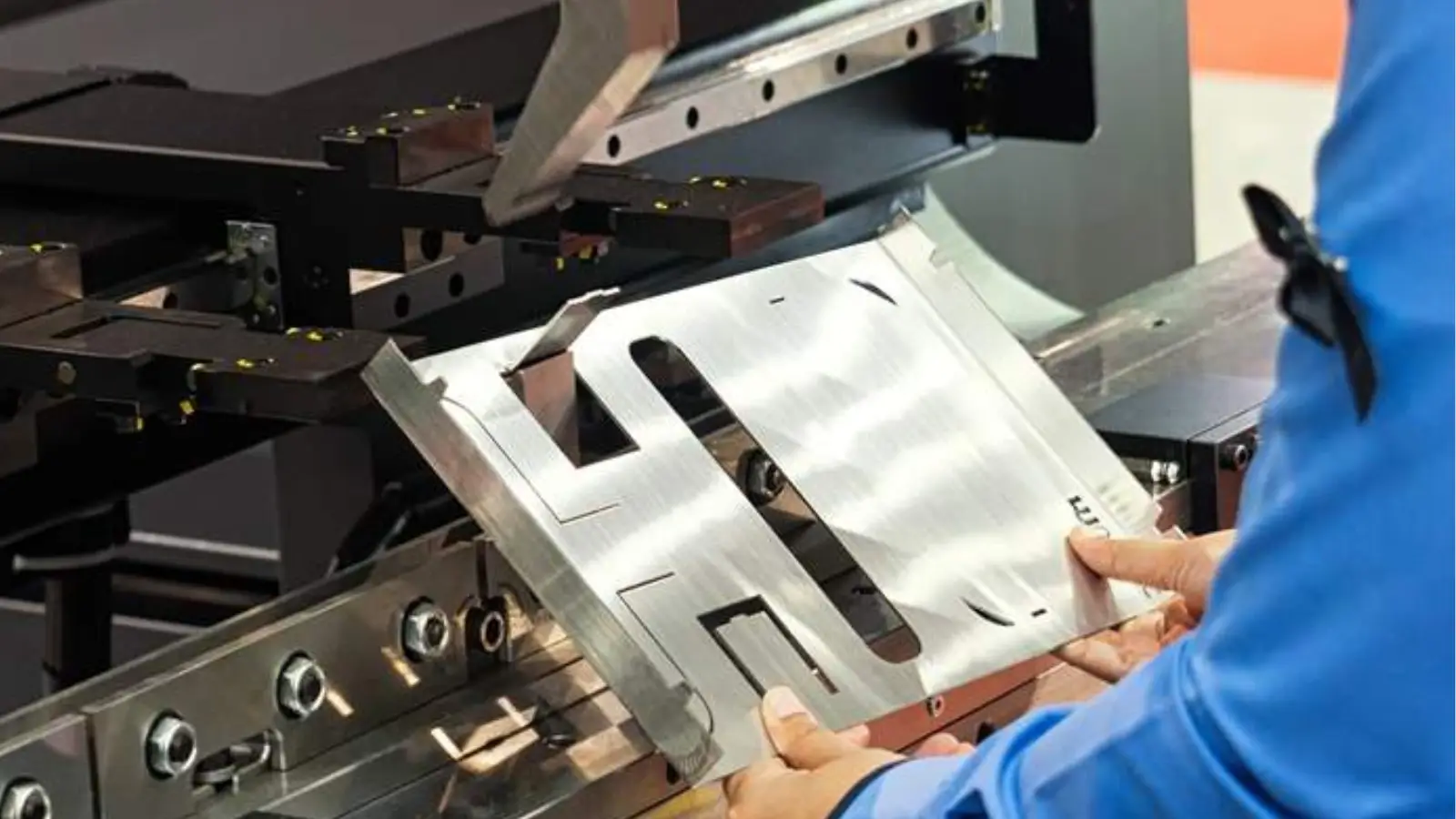
Blanking cuts the outer shape from the sheet. Piercing creates holes. Bending folds the material along a line. Deep drawing pulls the sheet into a cup or channel shape. Progressive stamping combines multiple operations in a single die run, advancing the strip automatically through each station.
These processes can be used alone or in combination. A typical stamped bracket may undergo blanking, bending, and piercing in a single progressive die cycle. Understanding which operations your part requires helps you estimate tooling cost, lead time, and per-unit pricing more accurately.
Common Types of Stamped Metal Products
Stamped parts span a wide range of shapes and applications. Below is a breakdown of the most frequently ordered product categories and what distinguishes them.
Each category carries different expectations around material choice, tolerance class, and surface treatment. A stamped electrical contact requires different quality criteria than a structural mounting bracket, even though both come from the same press process.
Materials Used in Metal Stamping
Material selection is one of the most consequential decisions in a stamping project. It affects formability, final strength, corrosion resistance, surface finish, and cost. The most commonly specified materials fall into four groups.
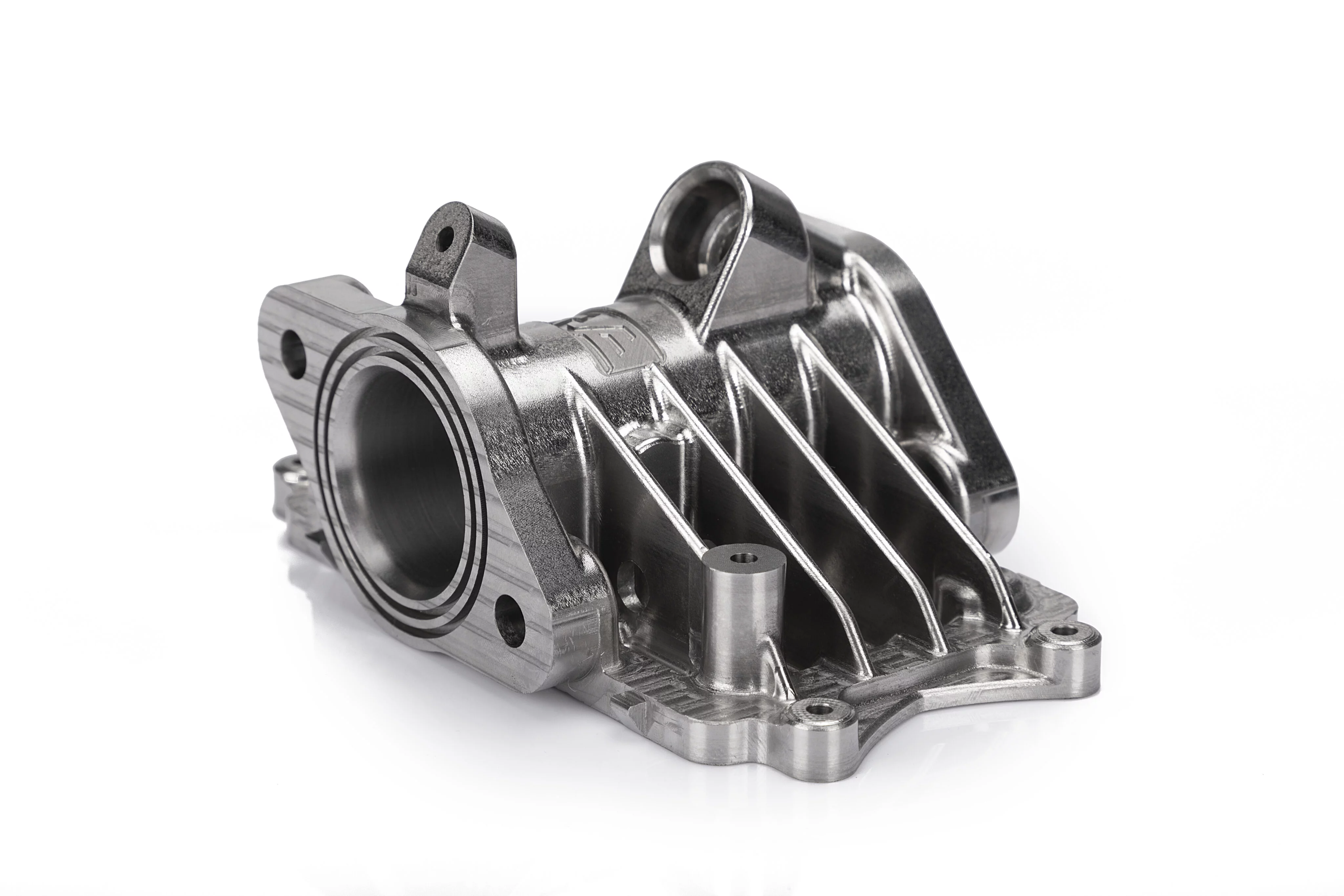
Steel grades include low-carbon mild steel for general forming, high-strength low-alloy (HSLA) steel when tensile strength matters, and stainless steel for corrosion resistance. Cold-rolled steel provides a smoother surface than hot-rolled stock.
Aluminum alloys are chosen for lightweight applications and natural corrosion resistance. Alloy 1100 offers excellent formability. Alloy 3003 provides moderate strength with good workability. Alloy 6061 is heat-treatable and used when higher mechanical properties are required after forming.
Copper and brass are selected primarily for conductivity and aesthetic appearance. Brass is particularly common in electrical connectors and decorative components. Copper alloys can work-harden during stamping, which may require intermediate annealing in deep drawing operations.
Specialty alloys include beryllium copper for spring applications, nickel alloys for high-temperature service, and titanium for aerospace-grade lightweight strength. These materials carry significantly higher material costs and often require specialized tooling and process controls.
When evaluating a supplier, ask whether they have experience with your chosen material. Forming behavior varies substantially between alloy temper conditions, and an experienced CNC parts manufacturer familiar with material characteristics can flag potential issues early in the engineering review.
Tolerancias and Quality Expectations
Tolerance requirements drive die complexity, tooling cost, and per-part pricing more than any other factor. Standard metal stamping tolerances typically fall within ±0.005 to ±0.015 inches for general-purpose parts. Achieving tighter tolerances requires precision tooling, controlled material stock, and often secondary operations.
Key tolerance areas buyers should specify include flatness across large surfaces, bend angle accuracy, hole location relative to datum edges, and thickness consistency in drawn sections. Surface finish expectations also vary by application. A stamped enclosure may require a smooth roll-finished surface suitable for powder coating, while a precision shim demands ground or lapped faces to meet thickness specifications.
Quality verification typically involves first-article inspection reports, dimensional sampling per batch, and material certifications. Buyers should confirm that the supplier performs in-process inspection during high-volume runs, not just initial validation. Process variation in stamping can emerge from die wear, material lot changes, and press maintenance cycles.
Cost Structure and Hidden Factors
Stamping project costs break down into three distinct components. Understanding how each behaves helps you evaluate quotes accurately and avoid surprises during production.
Tooling and die cost is the upfront investment. A simple single-station die may cost a few thousand dollars. A complex progressive die with multiple forming, piercing, and coining stations can exceed $20,000 to $50,000 or more. Die life typically ranges from 100,000 to several million strokes depending on material hardness, part complexity, and maintenance quality.
Per-part material and labor cost decreases as volume increases due to faster cycle times and optimized strip layout. However, material utilization efficiency varies significantly. Simple shapes may achieve 80 percent or higher utilization. Complex parts with many pierced features and tight spacing can drop below 50 percent, making scrap removal and strip design an important cost factor.
Post-processing cost is where many buyers underestimate total project expense. Stamping followed by secondary operations such as CNC tapping,welding, surface treatment, or assembly adds time and cost. Each additional operation introduces its own setup requirement and quality control step.
How to Choose the Right Stamping Supplier
Selecting a supplier involves evaluating technical capability, quality systems, and communication responsiveness. Price should be one factor among several, not the sole decision driver.
Key evaluation areas include die design and manufacturing capability in-house versus outsourced, material sourcing relationships and certification traceability, inspection equipment and documented quality procedures, production capacity and lead time commitment, and willingness to provide engineering feedback during the design phase.
A supplier that only accepts drawings without suggesting improvements is not providing the full value of a manufacturing partnership. An experienced partner will flag potential issues like insufficient bend relief, unrealistic tolerance stacking, or material suitability concerns before tooling begins. You can send your specifications to YPMFG for an evaluación técnica to identify potential challenges early.
Common Mistakes That Increase Project Cost
Several recurring errors in stamping projects lead to unnecessary expense and delays. Recognizing these patterns helps you avoid them.
Over-specifying tolerances where functional requirements do not demand tight control is the most common mistake. Every tightened tolerance increases die precision requirements, inspection time, and rejection rates. Specify tolerances only where assembly function or fit requires them.
Ignoring material grain direction during part layout can cause unexpected cracking or uneven springback during bending. The grain structure of sheet metal affects formability along different axes. A good supplier will advise on optimal blank orientation.
Skipping prototype or trial runs before full production is another frequent error. Even with well-designed tooling, material batch variations and press dynamics can produce unexpected defects in the first production run. A controlled trial run catches these issues before they affect your schedule.
Assuming stamping alone solves the design without considering whether CNC machining would better serve certain features. Holes requiring precise thread engagement, surfaces needing flatness beyond stamping capability, or features requiring multiple-axis access are better suited to machining. The most effective approach often combines both processes.
Practical Questions Before Choosing a Stamping Project
What is the minimum order quantity that makes stamping cost-effective?
Stamping becomes economical at volumes typically above 500 to 1,000 pieces depending on part complexity. For lower volumes, fabricating from stock or using CNC machining may be more cost-efficient.
How long does die design and manufacturing take?
A simple die may take two to four weeks. A complex progressive die often requires six to twelve weeks including design review, manufacturing, and trial optimization.
Can stamping achieve thread-bearing holes?
Standard stamping does not produce threaded holes. Threads require tapping, helicoil insertion, or knurling as secondary operations after the stamped blank is formed.
What surface treatments are compatible with stamped parts?
Powder coating, electroplating, anodizing, and passivation are common. Surface preparation requirements vary by treatment, and some coatings may fill tight tolerances if applied before final dimensioning.
How do you verify material composition for regulatory compliance?
Request mill test certificates from the material supplier. Reputable manufacturers verify incoming material against specifications and maintain traceability records for each production batch.
What documentation should you expect from a qualified supplier?
Engineering drawings with GD&T, material certifications, first-article inspection reports, process flow documentation, and quality control records for each production lot.
Tomar una mejor decisión a largo plazo
The right metal stamping product balances form, function, and manufacturability from the earliest design stage. Tolerances that are too tight inflate cost without functional benefit. Material choices that ignore forming behavior create defects downstream. And relying on a single manufacturing process when a combined approach would serve the part better is a common source of production problems.
YPMFG supports projects that require careful evaluation of process selection, material suitability, and tooling strategy. Whether you need a high-volume progressive stamped component, a precision CNC machined part, or a hybrid solution combining both processes, an engineering review can clarify the most effective path forward.
You can send your specifications or preliminary drawings to YPMFG for a free engineering assessment. The review covers manufacturability, recommended process combination, estimated tolerance capability, and material selection guidance tailored to your application.