 Spanish
  English
  German
  Russian
  Japanese
  Korean
  French
  Italian
  Portuguese
 Respuesta rápida:
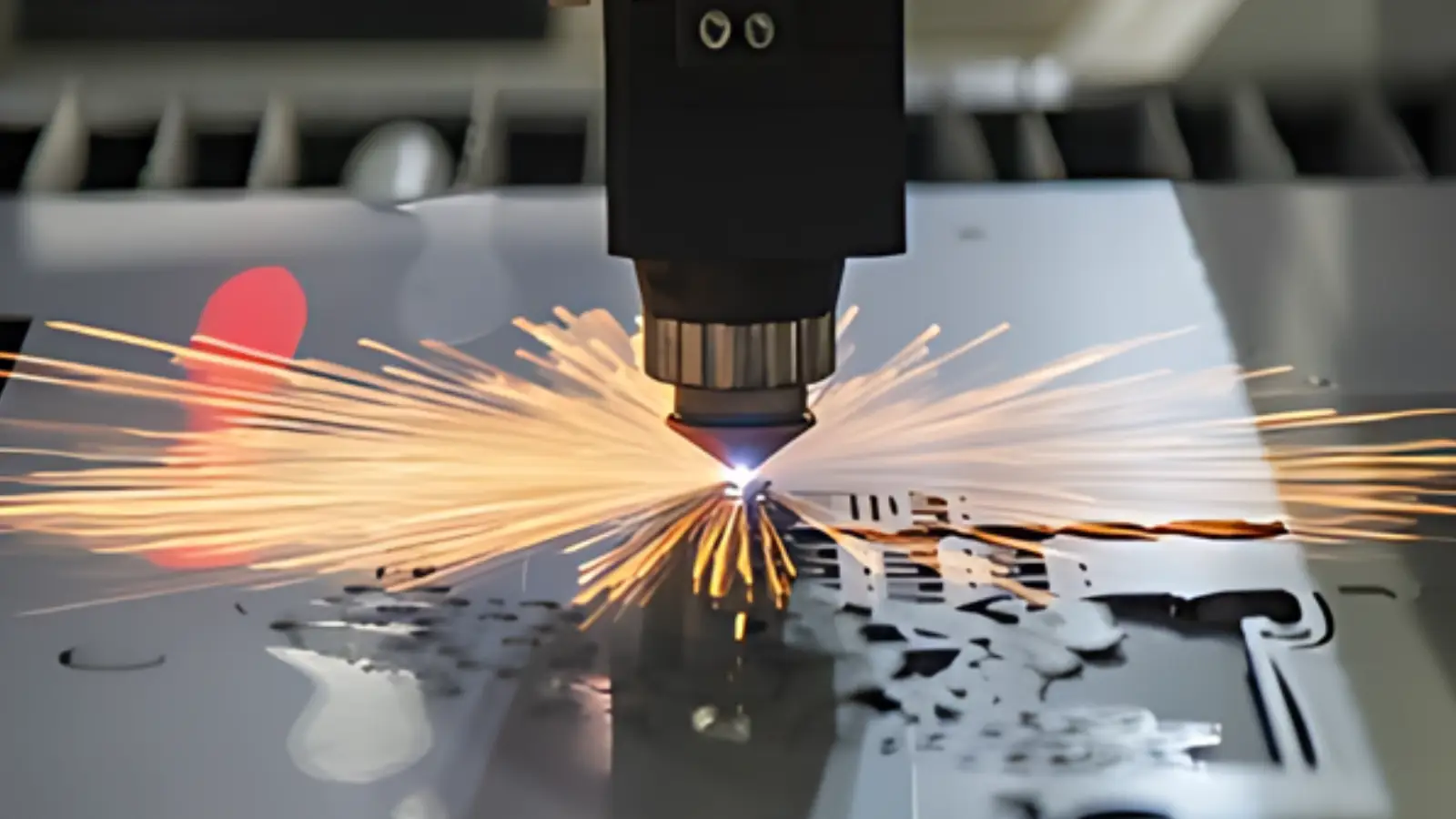
Laser cut metal refers to the process of using a focused high-power laser beam to melt, burn, or vaporize material along a programmed path, producing precise cuts with minimal heat-affected zones. It is widely used across industries for parts that require tight tolerances, clean edges, and complex geometries that traditional mechanical cutting cannot achieve efficiently. The technology is suitable for metals such as mild steel, stainless steel, aluminum, brass, and titanium, though each material behaves differently under the laser.
The two most common types are fiber laser cutting and CO₂ laser cutting, with fiber lasers dominating the current market for most industrial applications due to their higher efficiency, lower operating costs, and superior performance on reflective metals. Selection depends on factors like material type, thickness range, production volume, edge quality requirements, and budget constraints.
Metal laser cutting is a core manufacturing process for engineers and procurement specialists who need precise, repeatable parts without the cost of tooling or the limitations of traditional machining. At YPMFG, we work with clients across multiple sectors to deliver laser-cut components that meet specific dimensional, material, and finish requirements. This article explains how laser cutting works, which process is appropriate for different materials and thicknesses, what cost and quality factors matter most, and how to make a reliable selection for your project.
How Laser Metal Cutting Works
A laser cutting system uses a high-powered beam that is directed through lenses or mirrors onto the surface of the metal workpiece. The energy concentrates at a small focal point, causing the material to melt or vaporize at the cut line. A assist gas such as oxygen, nitrogen, or compressed air is blown through a nozzle alongside the beam to eject molten material and protect the lens. The cutting head follows a computer-controlled path, usually driven by a CNC system, allowing intricate shapes and tight tolerances to be produced consistently.
The precision of the cut depends on several interrelated variables. Laser power output determines the maximum thickness the machine can handle in a single pass. Beam quality, measured by the M² factor, affects focus spot size and kerf width. Material reflectivity plays a significant role, especially with aluminum and copper, which can reflect a substantial portion of the incoming beam and cause inconsistent cuts if the laser wavelength and power are not properly matched. Assist gas selection and pressure also influence edge quality, oxidation control, and cutting speed.
Modern fiber laser sources have largely replaced CO₂ lasers in metal cutting applications because they convert electrical energy into laser light with greater efficiency, require less maintenance, and deliver a beam wavelength that is better absorbed by metals. A typical industrial fiber laser system operates between 1 kW and 12 kW, with higher power levels enabling faster cutting on thicker sections. Understanding these fundamentals helps buyers evaluate whether a given laser cutting service can meet their project specifications.
Common Materials and Thickness Limits
Different metals respond differently to laser cutting, and material selection directly affects achievable quality, speed, and cost. Mild steel is one of the most common materials processed by laser cutting and is well suited for both oxygen and nitrogen assist gas configurations. Stainless steel requires careful gas selection to avoid unwanted oxidation on the cut surface. Aluminum and brass are more challenging due to their high thermal conductivity and reflectivity, often requiring higher laser power and optimized focus settings. Titanium cuts cleanly with nitrogen assist but demands careful control of gas purity to maintain edge quality.
Thickness capability is one of the primary constraints when selecting a laser cutting process. A general reference for typical industrial fiber laser systems is shown below.

These values represent typical capabilities of standard industrial machines and can vary depending on laser power, material condition, and desired tolerance. For thicker plates, plasma or waterjet cutting may be more economical, while thinner gauges can often be processed at high speed with excellent edge finish.
Fiber Laser vs CO₂ Laser Cutting
The choice between fiber and CO₂ laser cutting is one of the most frequent decisions in metal fabrication sourcing. Fiber lasers use a solid-state gain medium and are generally more energy-efficient, converting approximately 30 to 50 percent of input power into usable laser light. CO₂ lasers rely on a gas mixture and typically achieve lower wall-plug efficiency. This difference becomes significant in high-volume production environments where energy consumption directly affects operating cost.
Beam delivery is another key distinction. Fiber lasers transmit light through a flexible fiber cable, which simplifies machine design and reduces alignment maintenance. CO₂ systems use a series of mirrors and beamsplitters that require periodic adjustment and cleaning. Over the past decade, fiber laser adoption in metal cutting has grown substantially, and most new installations in the industrial segment are fiber-based.
Material compatibility also favors fiber lasers for many common fabrication metals. The 1.06 micrometer wavelength produced by fiber lasers is better absorbed by metals than the 10.6 micrometer wavelength of CO₂ lasers. This makes fiber systems more effective on reflective materials such as aluminum and copper. However, CO₂ lasers still have niche applications, particularly in cutting certain non-metallic materials or in specific industrial contexts where established equipment is already in place.
Factors That Influence Laser Cutting Cost
Understanding cost drivers helps procurement teams evaluate quotes accurately and avoid unexpected expenses. Material cost is usually the largest component, especially for high-grade stainless steel, titanium, or specialty alloys. Thickness directly affects processing time and assist gas consumption, so even small increases in gauge can raise the per-part price noticeably. Lead time and order volume also matter, as shorter turnaround schedules often carry a premium and low-volume runs distribute setup cost over fewer units.
Surface finish requirements are another frequently underestimated factor. Parts that require a straight, dross-free edge suitable for welding or finishing will typically use nitrogen assist, which is more expensive than oxygen. Oxygen cutting produces a slightly oxidized surface that may require secondary cleaning if appearance or downstream processes demand it. Additional operations such as deburring, bending, welding, powder coating, or anodizing will increase total landed cost regardless of the cutting method used.
Machine time, programming complexity, and nesting efficiency all affect the final price. Dense nesting of parts on a sheet reduces material waste and improves machine utilization, which suppliers often reflect in their pricing. Complex geometries with many small features or sharp internal corners may require slower cutting speeds or additional support structures, which can increase cycle time. When comparing quotes from different fabricators, requesting a detailed breakdown that separates material, processing, and any secondary operations provides a clearer basis for evaluation.
Tolerance and Surface Quality Standards
Laser cutting can achieve relatively tight tolerances, but the achievable range depends on material, thickness, and machine capability. A typical specification for industrial fiber laser cutting is ±0.1 mm for thin to medium gauges and ±0.2 mm for thicker sections up to around 15 mm. These values should be verified with the fabricator, as some shops offer tighter control on selected materials and thicknesses with additional process validation.
Surface roughness on a laser-cut edge is generally measured in micrometers Ra. A good nitrogen-cut edge on stainless steel or aluminum typically falls in the range of 3 to 8 μm Ra, which is often acceptable for visible or functional surfaces without additional finishing. Oxygen-cut mild steel edges tend to be slightly rougher and may show a thin oxide layer. If downstream processes such as welding, painting, or assembly are sensitive to edge condition, specifying the required surface quality in the drawing or purchase order prevents misunderstandings and rework.
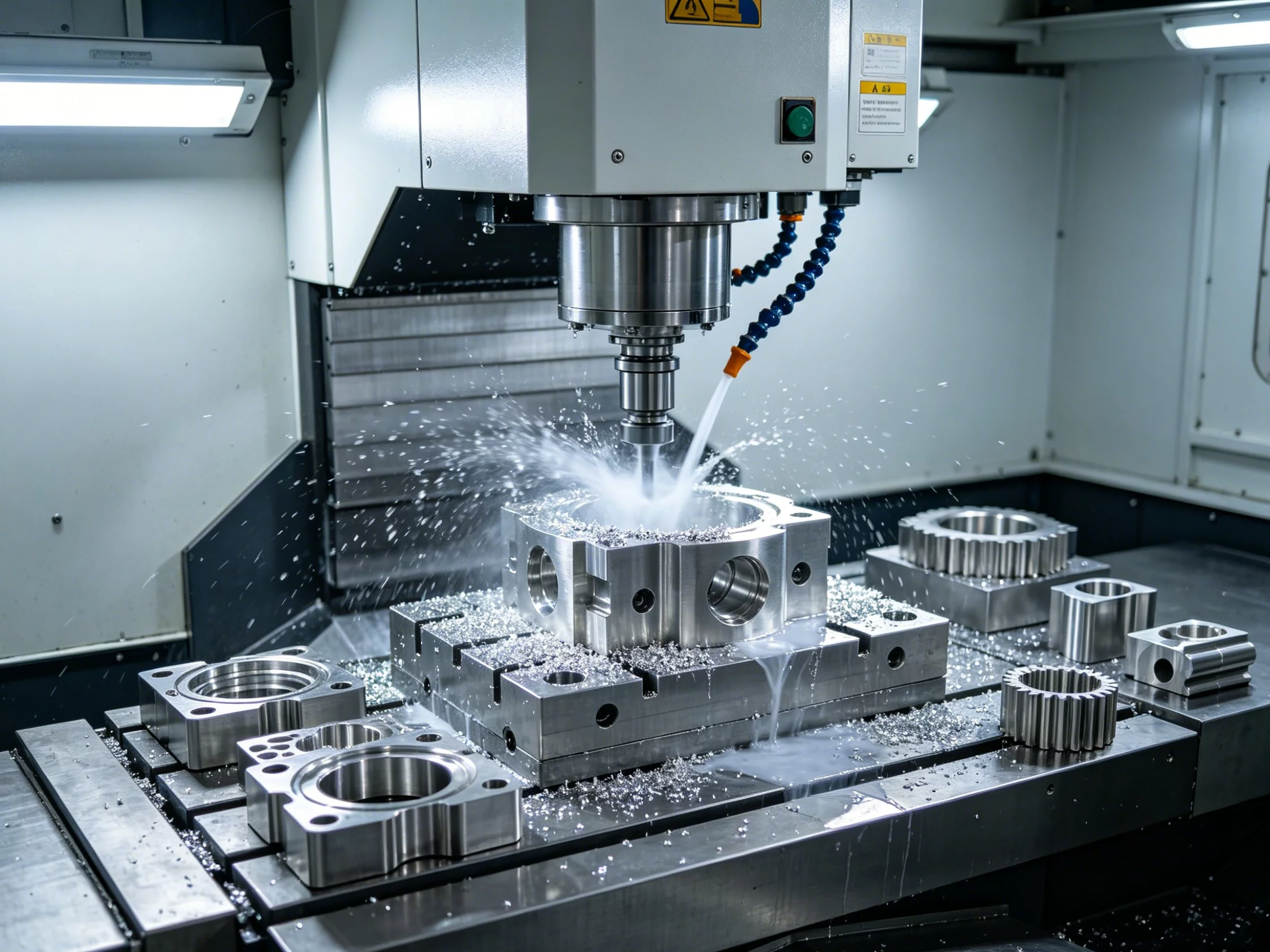
Kerf width, or cut width, is another important parameter. Fiber laser cutting commonly produces a kerf between 0.1 mm and 0.3 mm depending on focus settings and material thickness. A narrower kerf preserves more material and allows tighter spacing between nested features, which can reduce sheet cost. However, extremely narrow settings may compromise cut quality on thicker sections, so the right balance depends on the specific application.
Common Mistakes to Avoid When Specifying Laser Cutting
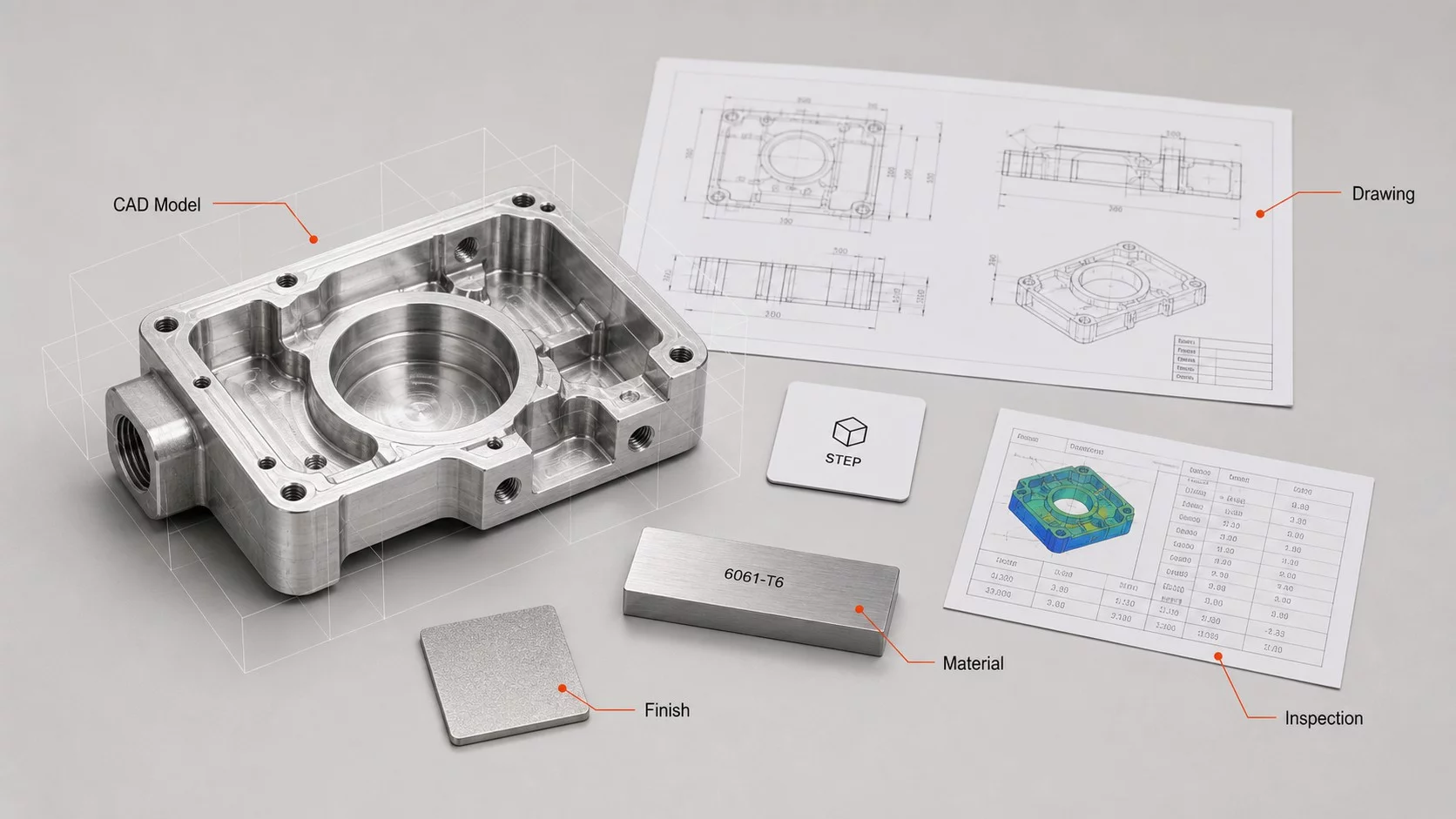
One frequent error is treating laser cutting as a one-size-fits-all process. Each material and thickness combination has optimal laser power, focus position, travel speed, and assist gas parameters. Submitting a generic request without specifying material grade, thickness tolerance, and edge finish requirements often leads to mismatched quotes and disappointing results. Engineers should provide clear drawing annotations for critical dimensions and surface expectations.
Another common issue is underestimating the impact of part geometry on cost and quality. Very small internal radii may not be achievable due to the physical kerf width, and long thin features can warp during cutting if the thermal input is not managed properly. Designs that include unnecessary tight tolerances on non-critical dimensions increase processing time and rejection risk without adding functional value. Reviewing the part layout with the fabricator before finalizing the drawing can prevent these problems early.
Choosing the wrong assist gas for the application is a third mistake. Oxygen is efficient and economical for mild steel but leaves an oxidized surface. Nitrogen produces a clean, bright edge but consumes more gas and requires higher pressure. Using oxygen when a clean weld-prep edge is needed, or using nitrogen on mild steel when cost is the priority, both result in either additional finishing work or unnecessary expense. Clarifying the intended downstream process helps the supplier recommend the most appropriate configuration.
How YPMFG Supports Laser Cut Metal Projects
YPMFG specializes in precision CNC parts manufacturing and laser cut metal services for industrial applications. Our engineering team reviews submitted drawings and specifications to recommend optimal material, assist gas, and process parameters before production begins. We provide sample parts for verification, detailed inspection reports, and documentation that supports quality audits and incoming inspection procedures.
When sourcing laser cut parts, buyers often benefit from a partner who can evaluate the design for manufacturability and suggest adjustments that improve yield without compromising function. YPMFG offers engineering review, custom solution development, y prototype testing to help projects move from concept to production with fewer iterations. Each project receives attention to tolerances, edge quality, and secondary operation requirements so that the final parts match the intended application.
Practical Questions Buyers Should Consider Before Ordering
What surface finish does your application require after cutting?
The answer determines whether nitrogen or oxygen assist is appropriate and whether secondary cleaning or polishing is necessary. Specify the intended downstream process, such as welding, painting, or visible assembly, so the fabricator can select the correct parameters.
Do you need certified material traceability for your order?
Many structural and regulated applications require material certificates that verify alloy composition and mechanical properties. Confirm with your supplier whether Mill Test Certificates or equivalent documentation are available for the requested material grade.
How will you verify dimensional accuracy after delivery?
Inspecting critical dimensions using calibrated tools or CMM reporting helps confirm that delivered parts meet drawing tolerances. Establish acceptance criteria before production, and request first-article inspection reports if the project involves tight fits or assembly interfaces.
What is your expected production volume and lead time requirement?
Volume influences pricing structure and process selection. High-volume runs may justify optimized nesting and automated handling, while low-volume prototypes benefit from faster quoting and flexible scheduling. Communicating realistic timelines helps the supplier allocate capacity appropriately.
Can your design accommodate the minimum internal corner radius for laser cutting?
Internal corners are limited by the kerf width and cannot produce sharp theoretical angles. Allowing a small radius at internal corners reduces stress concentration, improves cut quality, and avoids unnecessary process complications.
Do you need secondary operations such as bending, welding, or surface treatment?
Integrating secondary processes with the cutting job can reduce handling, improve dimensional consistency, and simplify supply chain management. Discuss post-cut requirements with the fabricator early to ensure compatible scheduling and quality control.
Choosing the Right Laser Cutting Partner for Your Project
Successful laser cut metal projects depend on clear communication of requirements, realistic tolerance specifications,and a fabricator who understands both the technology and the end application. By evaluating material suitability, process capability, surface quality needs, and support services before placing an order, buyers can reduce risk and improve part performance.
If you are preparing a new project or reviewing an existing design, you can send your specifications to YPMFG for an engineering review and a competitive quote. Our team provides custom solutions based on your material, thickness, tolerance, and finish requirements, and we support buyers through sampling, documentation, and ongoing production as needed.