 Portuguese
  English
  German
  Russian
  Japanese
  Korean
  Spanish
  French
  Italian
 Quick answer: Screw and nut hardware parts are precision fasteners used to join and secure components across industries. CNC machined versions deliver tight tolerances, higher strength, and consistent quality compared to standard off-the-shelf hardware. For demanding applications in aerospace, automotive, medical devices, and industrial machinery, choosing the right CNC machined screws and nuts means selecting appropriate materials, thread standards, surface treatments, and precision fastener specifications. YPMFG specializes in custom and standard CNC turned hardware parts that meet exact engineering requirements.
The challenge most buyers face is balancing cost with performance. Wrong material choice leads to premature failure. Poor thread tolerance causes assembly issues. Inadequate surface treatment results in corrosion and downtime. Understanding what to look for before placing an order can prevent costly rework and production delays.
What Are Screw Nut Hardware Parts
Screw and nut hardware parts are mechanical fasteners designed to hold assemblies together under various loads and environmental conditions. Screws generally feature external threading and are driven into matching internal threads or tapped holes. Nuts are internally threaded components that mate with bolts or screws to create a secure clamping force.
These components appear in nearly every engineered product. From small electronics enclosures to heavy industrial machinery, hardware fastener solutions provide the structural integrity required for safe and reliable operation. CNC machining allows manufacturers to produce these parts with dimensional accuracy that stamping or casting cannot achieve.
Material selection depends on the operating environment. Common options include stainless steel for corrosion resistance, carbon steel for high strength applications, aluminum for lightweight needs, and titanium for extreme conditions. Each material offers distinct mechanical properties that must match the application requirements.
Precision machined fasteners from YPMFG are manufactured to meet or exceed international standards for thread quality, mechanical strength, and surface finish. Engineers can specify custom dimensions when standard sizes do not fit the design.
Key Standards and Thread Specifications
Thread standards define the geometry, pitch, tolerance class, and measurement system for screw and nut components. Using the correct standard ensures compatibility between mating parts and predictable performance under load.
The two primary thread systems are metric and imperial. Metric threads follow ISO standards and are specified by nominal diameter and pitch, such as M6x1.0. Imperial threads use Unified National (UN) or Unified Thread Fine (UNF) designs and are measured in inches, such as 1/4-20 UNF.
Tolerance classes determine how tightly or loosely the threads fit together. A class 6g or 6h designation is common for general engineering applications. Tighter classes like 5g or 4h are used when precise alignment or minimal backlash is required, such as in precision screw and nut assemblies for optical equipment or robotics.
Thread length, head style, and drive type further define each screw variant. Hex socket cap screws, pan head machine screws, and button head Allen screws each serve different assembly needs. Proper specification prevents cross-threading, stripping, and joint failure during service.
Material Options and Their Applications
Material choice directly affects the strength, corrosion resistance, weight, and cost of screw and nut hardware. Understanding these trade-offs helps buyers select the right component for their specific environment.
Stainless steel fasteners offer excellent corrosion resistance and are suitable for food processing, marine, and chemical environments. Grade 304 stainless provides general-purpose performance, while grade 316 offers superior resistance to chlorides and acids. These materials maintain good strength across a broad temperature range.
Carbon steel screws and nuts deliver high tensile strength at a lower cost. They are commonly used in structural applications, automotive frames, and industrial equipment. Carbon steel parts typically require plating or coating, such as zinc or black oxide, to prevent rust during storage and service.
Aluminum hardware is chosen when weight reduction is critical. Aerospace and portable equipment benefit from aluminum alloys like 6061-T6, which offer moderate strength and natural corrosion resistance. Aluminum does not spark, making it suitable for explosive atmosphere environments.
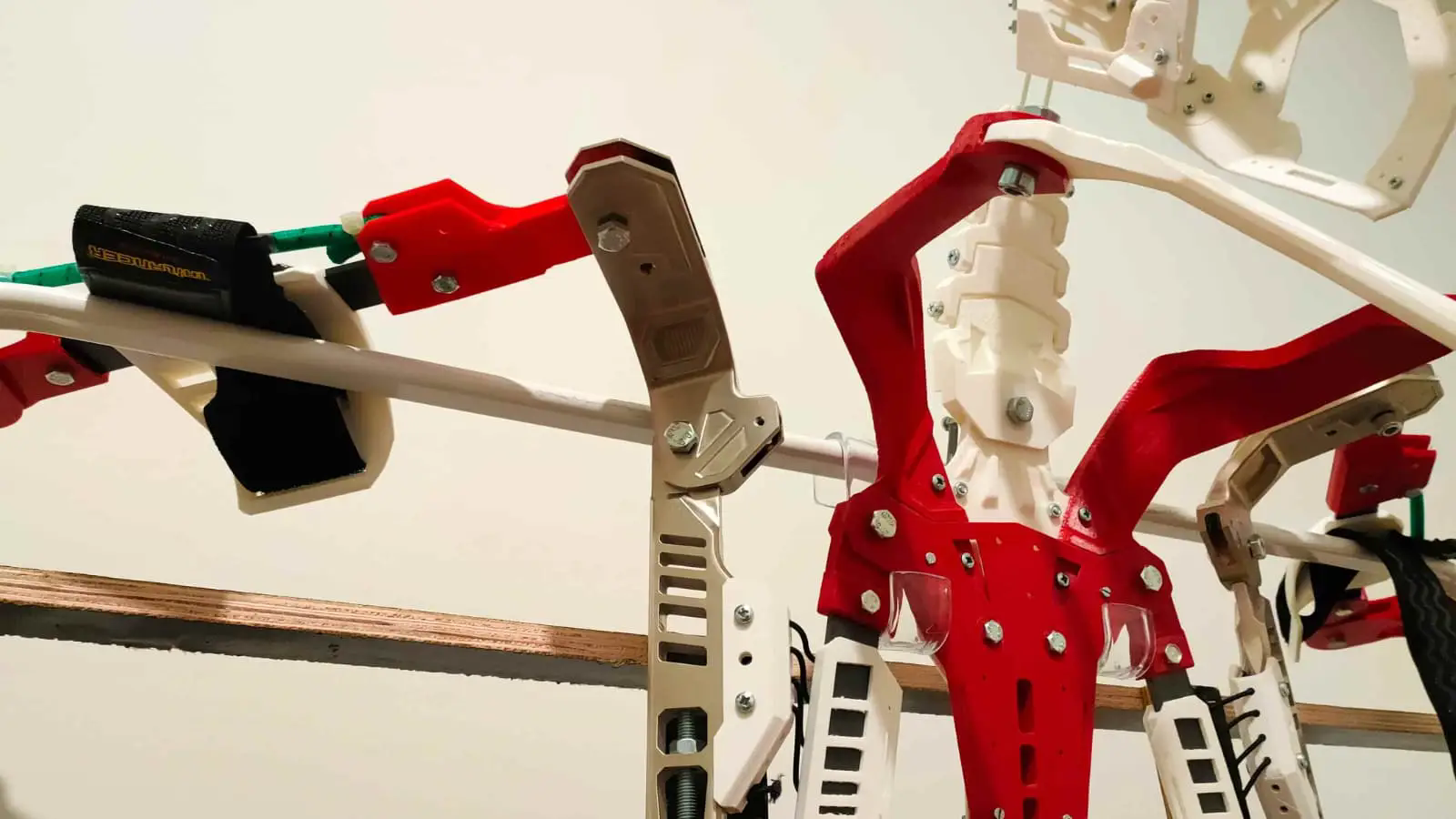
Titanium fasteners provide exceptional strength-to-weight ratio and outstanding corrosion resistance. They are used in high-performance aerospace, medical implants, and demanding chemical processing applications. Titanium is more expensive than other options but delivers long service life in extreme conditions.
Surface Treatments and Coating Options
Surface treatments protect screw and nut hardware from corrosion, reduce friction during installation, and can provide electrical conductivity or non-magnetic properties. The right treatment extends component life and maintains performance over time.
Zinc plating is the most widely used coating for carbon steel fasteners. It provides good corrosion protection for indoor and mild outdoor environments. Clear zinc offers basic protection, while yellow or white zinc chromate coatings provide enhanced resistance in harsher conditions.
Black oxide treatment creates a dark finish on steel hardware and provides mild corrosion resistance. It is often used when a low-visibility appearance is desired or when the parts will be oiled after installation. Black oxide does not significantly change dimensional tolerances, which makes it suitable for precision applications.
Passivation is applied to stainless steel parts to remove free iron particles and enhance the natural oxide layer. This process improves corrosion resistance without adding a visible coating. Passivated stainless steel components are standard in medical and pharmaceutical equipment.
For high-wear applications, coatings like PTFE, Dacromet, or mechanical galvanizing provide additional lubricity and protection. Each treatment has specific chemical and thermal limits that must match the operating environment.
How to Choose the Right Hardware Parts
Selecting appropriate screw and nut components requires evaluating mechanical loads, environmental exposure, assembly requirements, and budget constraints. A systematic approach reduces the risk of part failure and unnecessary spending.
First, determine the required tensile strength and shear load for your application. Consult engineering handbooks or supplier technical data to find the minimum grade needed. Operating temperature also affects material performance, so verify that the selected material maintains its properties at your service temperature range.
Second, assess the environmental conditions the hardware will face. Moisture, chemicals, UV exposure, and temperature cycling all influence material and coating selection. Parts exposed to salt spray or aggressive chemicals typically require stainless steel or specialized coatings.
Third, consider the assembly process and tool access. Some head styles require more space for wrench engagement. Tapped hole depth and thread engagement length affect joint strength. Insufficient engagement can lead to stripped threads under load.
Fourth, verify that the supplier provides proper documentation. Material certificates,tolerance reports, and inspection records are essential for quality assurance in regulated industries.
Quality Indicators to Check Before Purchasing
Not all screw and nut hardware suppliers meet the same quality standards. Evaluating several key indicators helps buyers avoid substandard components that may fail during service.
Thread quality is the most important quality factor. Threads should be clean, properly formed, and free of burrs or rolling defects. Gage testing using GO and NO-GO ring gages confirms that threads fall within specified tolerance ranges. Visual inspection alone cannot detect out-of-tolerance threads.
Surface finish quality indicates the level of machining precision. Rough surfaces on screws and nuts can initiate stress cracks and accelerate corrosion. Machined fasteners should exhibit consistent surface texture without visible tool marks, pits, or discoloration from heat treatment.
Material certification is critical for applications requiring traceability. Certified materials come with documentation confirming chemical composition and mechanical properties. Suppliers that provide mill test reports demonstrate commitment to quality and compliance.
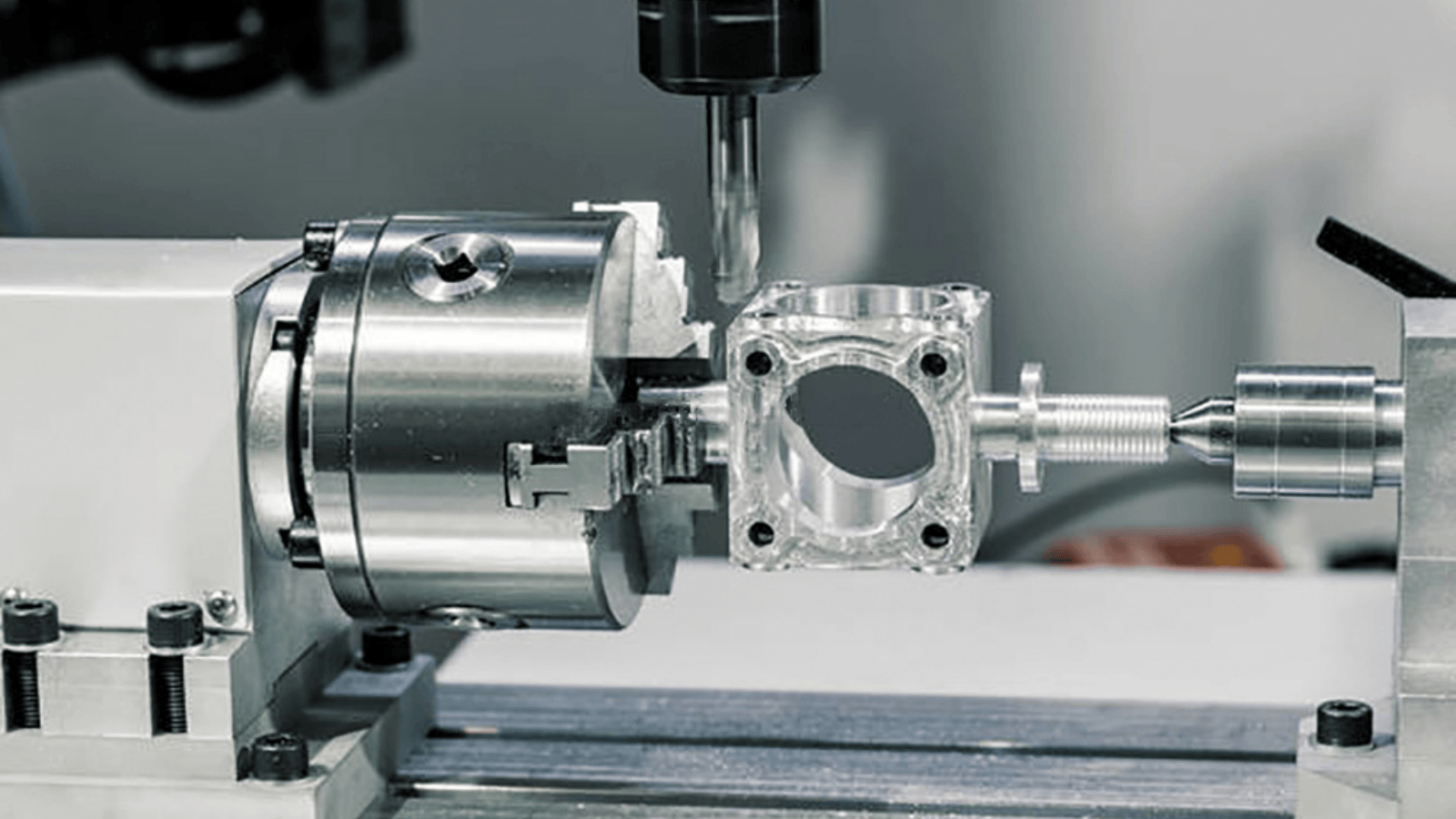
Dimensional consistency across production lots shows process control maturity. Parts that vary significantly in length, diameter, or thread pitch indicate poor manufacturing discipline. Request samples from multiple lots to assess consistency before committing to a large order.
Cost Factors and Pricing Considerations
The price of screw and nut hardware parts varies based on material, complexity, quantity, and finishing requirements. Understanding cost drivers helps buyers make informed purchasing decisions and avoid unexpected expenses.
Material cost is the primary factor. Stainless steel and titanium raw material prices fluctuate with market conditions. Carbon steel is generally more economical for high-volume production runs. The weight of each part multiplied by current material rates gives a baseline cost estimate.
Machining complexity directly affects labor and machine time. Simple cylindrical parts with standard threading cost less than components requiring multiple operations, secondary machining, or tight tolerances. Custom lengths, special head profiles, and unconventional thread pitches increase manufacturing steps and pricing.
Order quantity influences per-unit pricing significantly. High-volume orders benefit from economies of scale in material procurement and production scheduling. Low-volume and prototype orders carry higher per-part costs due to setup time and smaller batch efficiency.
Surface treatment and packaging add to the final price. Multiple coating processes, special packaging for sensitive components, and expedited delivery all contribute to cost increases. Request detailed quotations that break down each cost element for transparent comparison.
Common Mistakes When Ordering Hardware Parts
Buyers often encounter avoidable problems when ordering screw and nut hardware without sufficient technical preparation. Recognizing these mistakes helps ensure smooth procurement and satisfactory results.
One common error is specifying only diameter and length without defining thread pitch, tolerance class, and head style. Incomplete specifications lead to supplier assumptions that may not match the design intent. Always provide complete thread callouts on drawings or purchase orders.
Another mistake is selecting material based on price alone without considering environmental factors. Carbon steel hardware used in wet or corrosive environments will deteriorate quickly, causing joint failure and potential safety hazards. Match material and coating to the actual service conditions.
Specifying impossibly tight tolerances on all features increases cost dramatically with limited benefit. Not every dimension on a fastener requires precision class tolerance. Identify critical features that affect fit and function, and apply standard tolerances to non-critical dimensions.
Ignoring lead time requirements is a frequent oversight. Custom machined parts may require one to four weeks depending on complexity and material availability. Planning ahead prevents production line stoppages caused by late hardware deliveries.
Comparison of Common Screw and Nut Types
Different screw and nut configurations serve distinct mechanical and assembly purposes. Choosing the right type for each joint ensures optimal performance and service life.
Each type has specific load ratings and installation requirements. Selecting based on the joint condition rather than convenience prevents premature failures and unsafe operating conditions.
Practical Questions Before Choosing Hardware Parts
What material is best for outdoor screw and nut hardware?
Stainless steel 304 or 316 is recommended for outdoor use. Grade 316 offers better chloride resistance for coastal environments. Coated carbon steel is a lower-cost alternative for less demanding outdoor applications.
How do I determine the correct thread engagement length?
Thread engagement should be at least one to one-and-a-half times the nominal diameter for standard steel-on-steel joints. Softer materials like aluminum may require longer engagement, typically two to three times the diameter, to prevent thread stripping.
Can I use standard hardware in place of precision machined parts?
Standard hardware works for low-stress, non-critical applications. For structural, safety-critical, or high-precision assemblies, CNC machined components are necessary to ensure consistent tolerances and verified material properties.
What documents should I request from my hardware supplier?
Request material certifications, first article inspection reports, and production quality records. For regulated industries, ask about ISO 9001 certification status and traceability procedures for raw materials.
How should screw and nut parts be stored to prevent damage?
Store hardware in dry, climate-controlled environments. Use original packaging or sealed containers to prevent moisture exposure. Separate stainless steel from carbon steel parts to avoid cross-contamination that can cause galvanic corrosion.
What tolerance classes are typical for CNC machined fasteners?
Class 6g for external threads and Class 6H for internal threads are standard for general engineering. Tighter classes like 5g6g or 4h are available for precision applications requiring minimal clearance between mating threads.
Need Help Selecting the Right Screw and Nut Hardware Parts
Choosing the correct CNC machined screws and nuts involves evaluating material properties, thread specifications, surface treatments, and quality documentation. The right hardware performs reliably throughout the product lifecycle, while incorrect selections lead to assembly problems, premature failure, and increased total cost.
YPMFG provides engineering support to help buyers identify the optimal machined fastener solutions for their applications. You can send your specifications or technical drawings to YPMFG for an engineering review. The team can recommend appropriate materials, thread standards, and surface treatments based on your load requirements and operating environment. YPMFG also supports custom CNC turned hardware parts when standard catalog items do not meet your dimensional or performance needs.
Contact YPMFG to request a quote or share your engineering requirements for evaluation.