 Portuguese
  English
  German
  Russian
  Japanese
  Korean
  Spanish
  French
  Italian
 Resposta rápida:
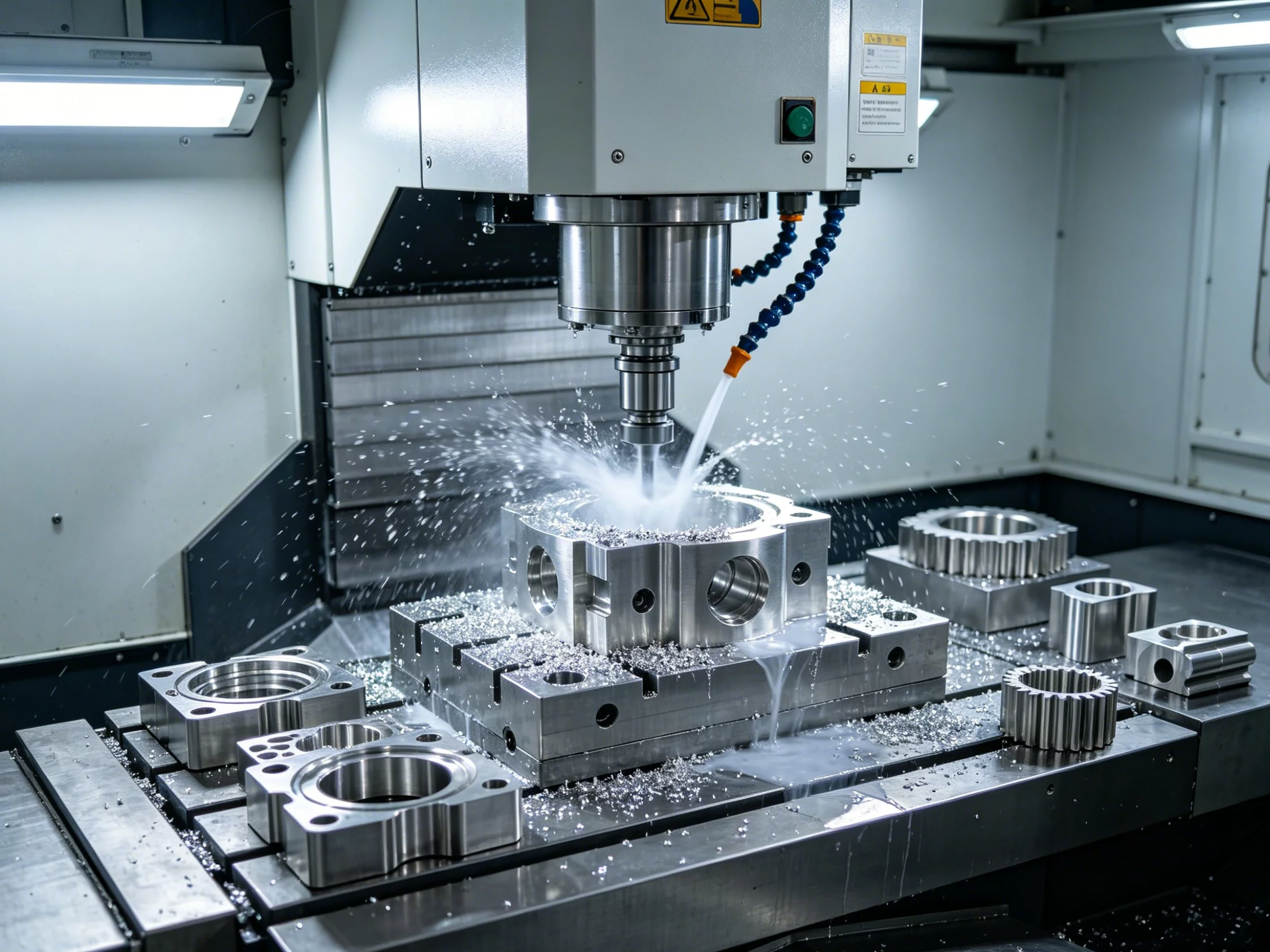
CNC machines come in six core types: 3-axis, 4-axis, 5-axis, mill-turn, Torno CNC, e CNC milling machine. The right fit depends on part geometry, required tolerance, material, and batch size. Simple flat components run on a 3-axis mill. Complex curved surfaces need 5-axis capability. Rotationally symmetric parts belong on a lathe center. YPMFG helps buyers match machine capability to part drawings before committing to production.
If you are comparing supplier quotes or planning a new build, knowing how each machine type works saves weeks of clarification and prevents costly rework.
The Six Main CNC Machine Types
Each machine family handles a distinct range of geometries and tolerances. The table below gives a fast reference before you start a supplier conversation.
After selecting a type, verify that the machine’s work envelope and spindle power cover your largest part dimension and hardest material. YPMFG can review your drawing and confirm whether a given setup will hold tolerance without secondary operations.
Matching the Machine to Your Part
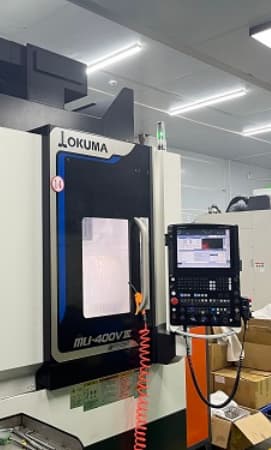
Start with three questions before you choose a machine type:
How many distinct faces does the part require, and can they be reached in one setup?
What is the tightest tolerance and surface finish called out on the print?
Which material grade will you machine, and does it need high spindle RPM or heavy cutting force?
A 3-axis mill will not hold a single-setup solution for a part with five accessible faces. Forcing it means additional clamping, re-fixturing, and compounding accuracy error. In many cases, a 5-axis or mill-turn setup eliminates that risk and cuts total cycle time.
Specs That Actually Matter
When comparing quotes across suppliers, focus on these parameters rather than machine brand alone:
Spindle speed and torque – determines feed rates and material compatibility

Travel range (X / Y / Z) – must exceed your largest part with fixture clearance
Positioning and repeatability accuracy – verify against your tightest tolerance
Tool change time – matters for multi-operation jobs
Workholding options – confirm the supplier can hold your part stable at the required orientation
Send your part drawing and material spec to YPMFG for an engineering review. The team will flag if a standard setup will not meet your tolerance stack-up and suggest an alternative configuration.
Questions Buyers Often Ask About CNC Machine Types
Can one CNC machine handle both milled and turned features?
A dedicated lathe center handles only rotationally symmetric operations. A mill-turn machine combines both in one setup. If your part has external turning plus internal milling, mill-turn is the practical choice.
What tolerance can a 3-axis mill realistically hold?
In most shops, ±0.005 in is standard. Achieving ±0.002 in or tighter typically requires a 5-axis setup or a post-machining step. Confirm with the supplier which machine and fixture they will use for your specific print.
Does the machine type affect lead time?
Yes. Parts that need multiple setups on a 3-axis machine take longer to program and fixtured. A 5-axis single-setup run often shortens lead time even though the hourly rate is higher.
How do I verify a supplier’s machine capability?
Request the machine model, axis count, spindle power, and the most recent calibration or test-cut record. Ask the supplier to walk you through how their setup meets each tolerance on your drawing.
Need Help Picking the Right Machine?
Choosing between a 3-axis mill, a lathe center, and a 5-axis setup changes your cost, lead time, and achievable tolerance more than any other single decision. If you have a drawing in hand, send it to YPMFG with your material and quantity. The engineering team will recommend a machine path, flag tolerance risks, and return a firm quote with the specific setup they plan to use.