 Russian
  English
  German
  Japanese
  Korean
  Spanish
  French
  Italian
  Portuguese
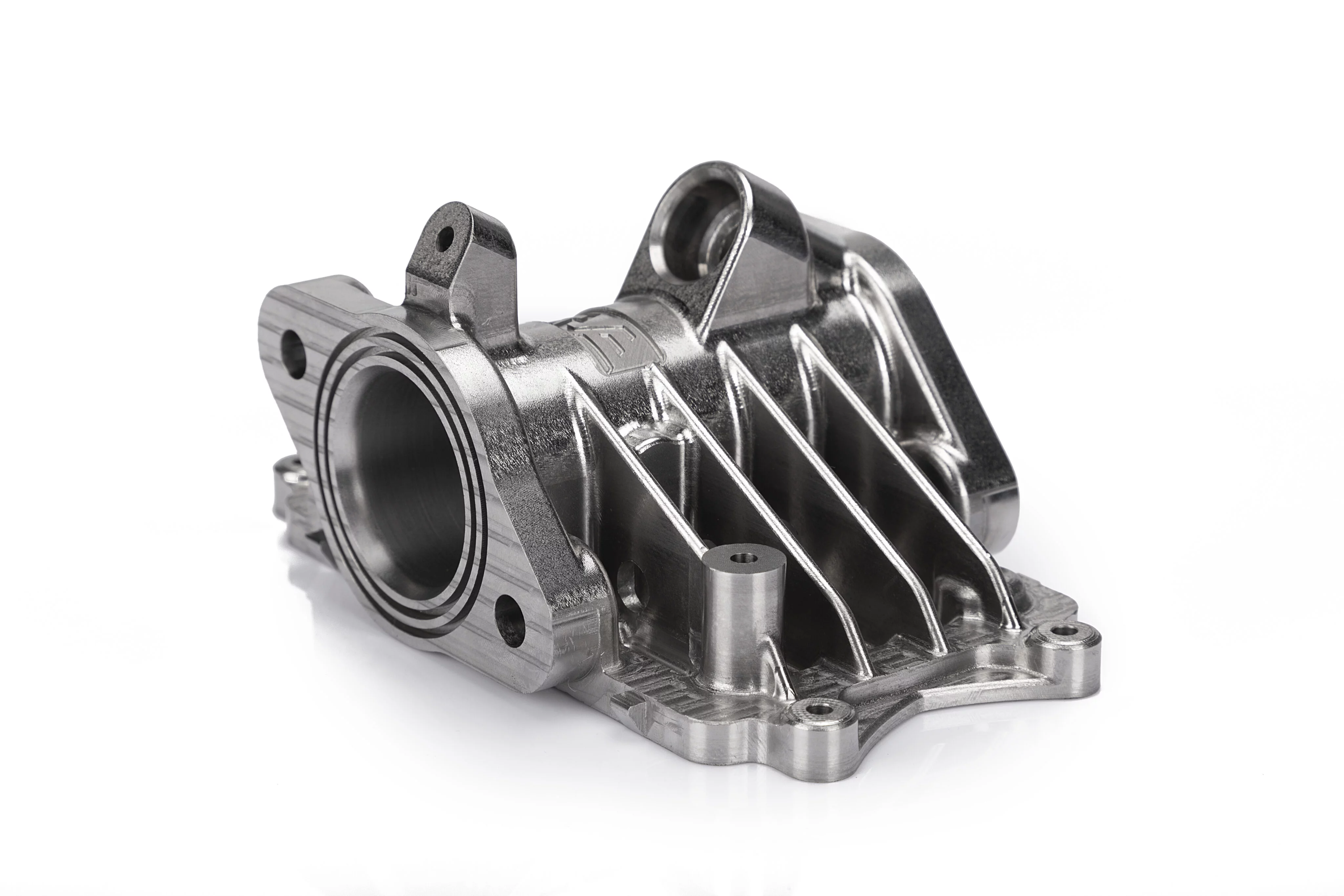
 Краткий ответ: Hardware parts machining is the process of cutting, shaping, and finishing raw metal or plastic materials into precise components using CNC machines, lathes, mills,and other manufacturing equipment. This method delivers tight tolerances, consistent quality, and the ability to produce both prototype and high-volume parts. If you are sourcing machined hardware for industrial applications, the key is to match your material, tolerance, and surface finish requirements with a supplier who has the right equipment and quality processes in place.
The search for reliable hardware parts machining often starts with a simple question: how do I get accurate, cost-effective components for my product? Buyers frequently face uncertainty around pricing, lead times, and quality assurance. A well-informed purchasing decision requires understanding the core processes, material options, and how to evaluate a machine shop’s capabilities. This guide breaks down what matters most when selecting a manufacturing partner for your project.
Understanding CNC Machining Processes
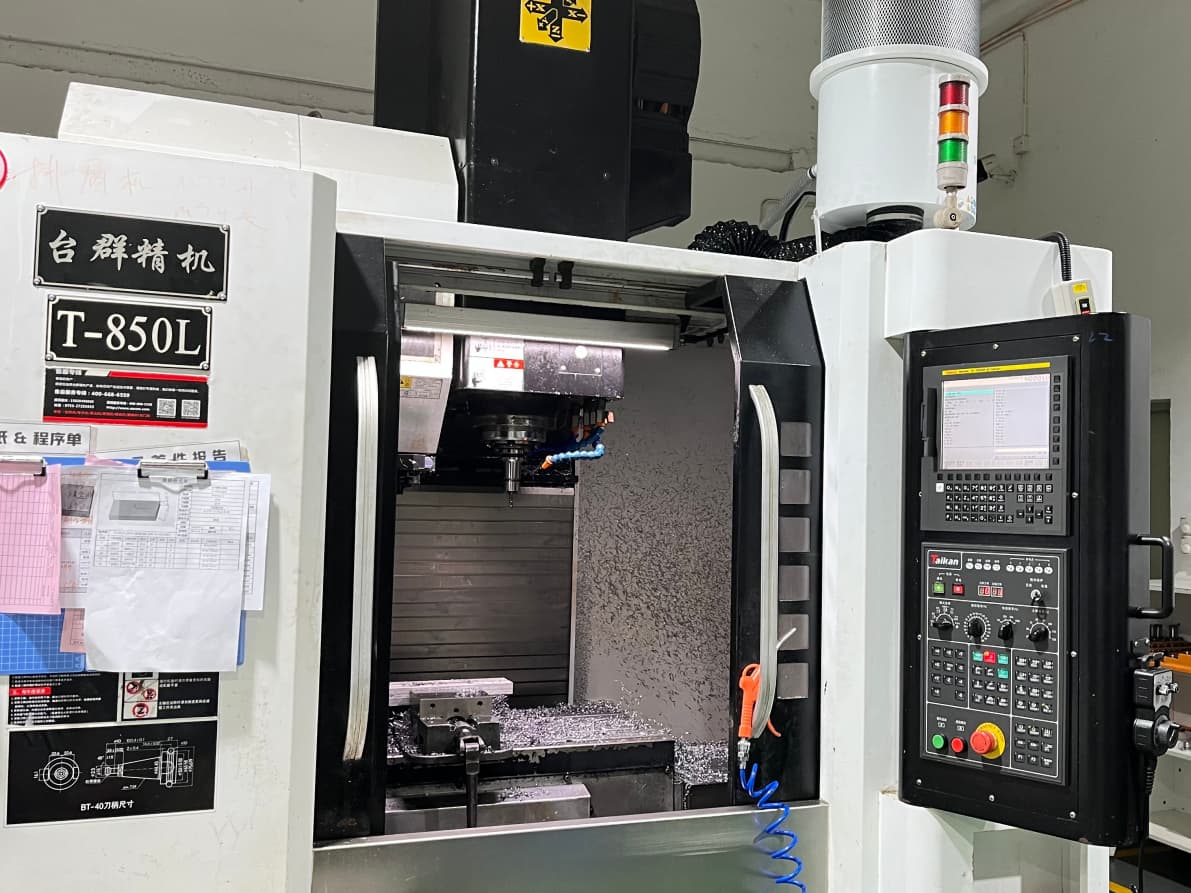
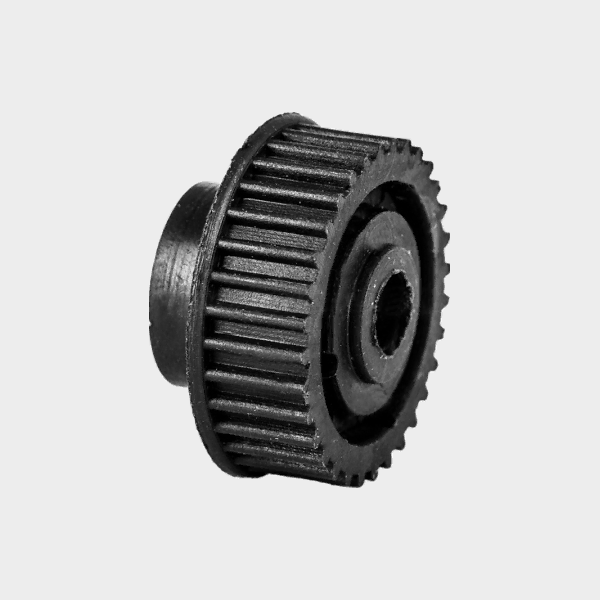
CNC machining covers several distinct processes, each suited to different part geometries and production volumes. The three most common methods include milling, turning, and grinding. Milling removes material from a stationary workpiece using rotating cutters, making it ideal for complex shapes and flat surfaces. Turning involves spinning the workpiece against a stationary cutting tool, perfect for cylindrical parts like shafts and bushings.
Grinding provides the highest level of precision and surface finish, often used as a finishing step after milling or turning. Some projects may require a combination of these processes to meet exact specifications. Choosing the right CNC manufacturing processes depends on your part design, material, and required tolerances.
Understanding these differences helps buyers make informed decisions about which process aligns with their project needs.
Material Selection for Machined Parts
Material choice directly impacts part performance, machinability, and total cost. Metals dominate the hardware machining industry, with aluminum, steel, stainless steel, brass, and titanium being the most frequently specified. Aluminum alloys like 6061 and 7075 offer excellent machinability and corrosion resistance, making them popular for lightweight applications. Steel and stainless steel provide superior strength and durability for load-bearing components.
Plastics such as PEEK, Delrin, and Nylon are chosen for electrical insulation, low friction, and chemical resistance. Non-metallic materials require different tooling and cutting parameters compared to metals, so suppliers should have experience across multiple material categories. Selecting the wrong material can lead to premature wear, dimensional instability, or failure under stress.
Material properties and selection requires balancing mechanical performance with manufacturability and budget constraints. YPMFG evaluates each project’s specific requirements before recommending optimal materials, ensuring the final part meets both functional and economic goals.
Tolerance and Surface Finish Specifications
Tolerance defines how much a manufactured part can deviate from its nominal dimension. Tighter tolerances demand more precise equipment, slower cutting speeds, and additional quality checks, which increase production time and cost. Standard machining tolerances for most CNC operations fall within ±0.05mm to ±0.1mm. Applications requiring tighter fits, such as aerospace or medical devices, may specify ±0.025mm or tighter.
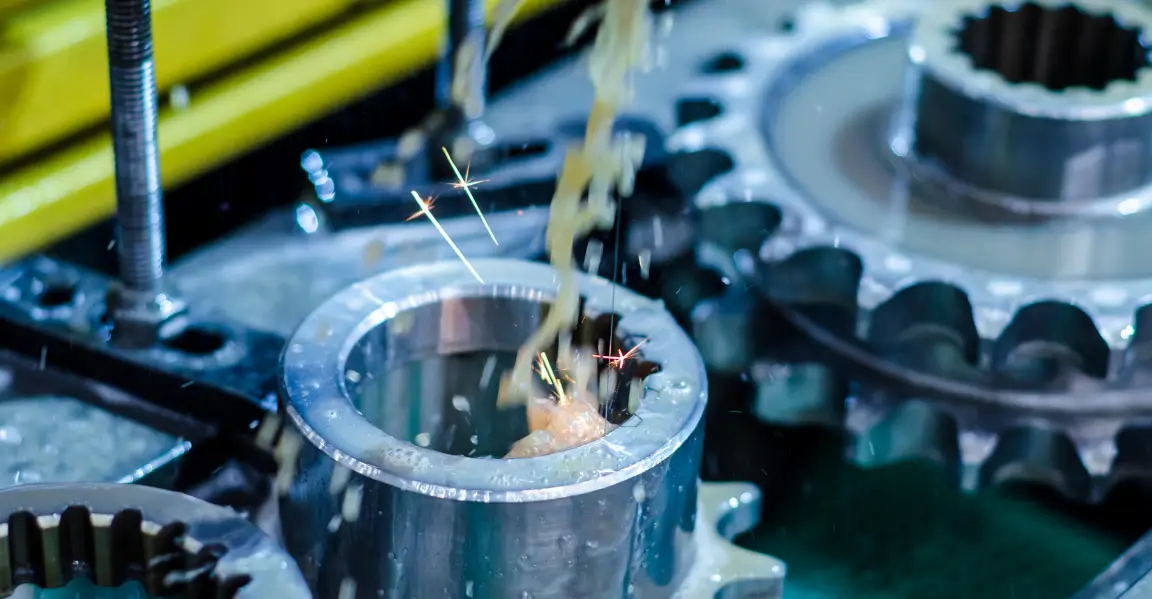
Surface finish is equally important for parts that require sealing, low friction, or specific aesthetic qualities. Ra values measure surface roughness, with common ranges from Ra 1.6μm to Ra 0.4μm for machined parts. Anodizing, powder coating, and passivation are common post-processing treatments that enhance durability and appearance.
When requesting a quote, always specify both tolerance and surface finish requirements clearly. Vague specifications lead to miscommunication and potential rework.
Cost Factors in Hardware Parts Machining
Several variables influence the final cost of machined hardware components. Material cost represents a small fraction of the total price, while machining time, setup complexity, and finishing requirements typically drive expenses higher. Part geometry also plays a critical role; intricate features, deep holes, and thin walls require more tool paths and longer cycle times.
Volume significantly affects per-unit pricing due to setup amortization. High-volume production runs benefit from optimized tooling and automated loading systems. For low-volume or prototype orders, buyers should expect higher unit costs but value the flexibility to iterate designs quickly. Secondary operations like threading, tapping, and heat treatment add additional cost layers that must be factored into the budget.
Understanding these machining cost factors helps buyers negotiate better pricing and plan realistic project budgets without unexpected surprises.
Quality Assurance and Certification Standards
Quality control ensures every shipped part meets engineering drawings and specification requirements. Reputable machine shops implement inspection protocols including first-article inspection, in-process checking, and final quality verification. Coordinate measuring machines (CMM), optical comparators, and surface roughness testers provide objective measurement data for each batch.
Industry certifications demonstrate a supplier’s commitment to consistent quality management. ISO 9001 certification indicates adherence to international quality standards. AS9100 applies to aerospace manufacturing, while IATF 16949 covers automotive production requirements. These certifications reduce procurement risk by verifying that suppliers maintain documented processes for quality control, traceability, and corrective actions.
Request documentation from your supplier, including material certificates, inspection reports, and calibration records. Transparent quality practices distinguish professional machine shops from less reliable vendors.
Lead Times and Production Planning
Lead times vary based on part complexity, material availability, order quantity, and shop capacity. Standard machining lead times typically range from 5 to 15 business days for prototyping and small batches. High-volume production orders may require 20 to 45 days depending on scheduling and capacity constraints. Expedited services are often available at a premium when faster delivery is critical.
Communication between buyer and supplier significantly impacts timeline accuracy. Providing complete drawings, specifications, and acceptance criteria before ordering eliminates delays caused by clarification requests. Supply chain disruptions for raw materials can also affect delivery schedules, so established suppliers with inventory management practices help maintain consistent lead times.
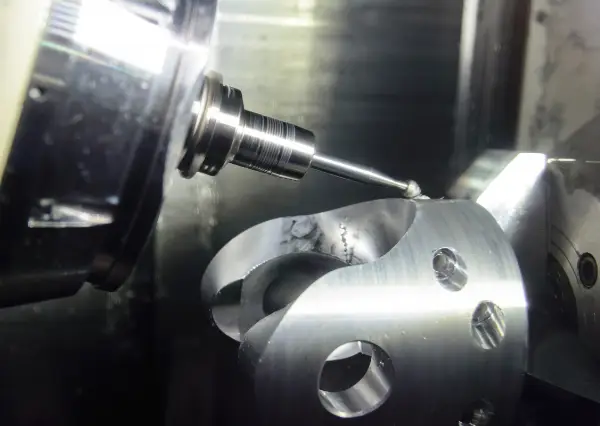
Planning ahead and maintaining open communication with your manufacturing partner ensures projects stay on schedule.
How to Choose a Reliable Machining Supplier
Selecting the right hardware parts machining supplier requires evaluating multiple capability factors beyond pricing. Start by reviewing the supplier’s equipment list to ensure they operate the machines needed for your part geometry. Modern CNC mills, lathes, and multi-axis centers provide greater flexibility for complex designs.
Experience matters, particularly in your specific industry. A supplier familiar with medical device requirements will understand cleanliness standards and documentation needs better than a generalist shop. Ask about their quality control processes, inspection equipment, and certification status before making a decision.
Consider whether the supplier offers additional services such as design for manufacturability review, material consultation, and post-processing capabilities. A partner who provides engineering support reduces development risk and improves first-time quality.
Common Mistakes When Ordering Machined Parts
Many procurement issues stem from incomplete or unclear specifications. Buyers often forget to include tolerances, surface finish requirements, or heat treatment specifications on their drawings. These omissions force suppliers to make assumptions, which can result in parts that do not function correctly in the assembly.
Another frequent error is requesting impossibly tight tolerances across all dimensions. Not every feature requires precision fitting, and specifying universal tight tolerances increases cost unnecessarily. Work with your machine shop to identify critical dimensions that need close tolerances while allowing standard tolerances for non-critical features.
Ignoring material suitability is also a costly mistake. Specifying a material based on appearance alone, without considering strength, corrosion resistance, or temperature requirements, leads to component failure in service. Always validate material choices against actual operating conditions.
Practical Questions Before Choosing Hardware Parts Machining
What information do I need to request an accurate quote?
Provide complete engineering drawings with dimensions, tolerances, material specifications, surface finish requirements, and quantity. Include any special processing needs like threading, drilling, or heat treatment. Clear documentation allows suppliers to calculate machining time and pricing accurately.
How long does typical hardware parts machining take?
Standard orders complete within 5 to 15 business days. Larger production runs or complex parts may require 3 to 6 weeks. Expedited production is available for urgent projects at additional cost.
Can I get samples before placing a bulk order?
Yes, most reputable suppliers offer prototype and sample production. This allows you to verify fit, function, and quality before committing to full production volume.
What quality documentation will I receive?
Expect material certificates, inspection reports, first-article inspection data, and certification records. Reputable suppliers provide complete traceability from raw material to finished part.
How do I ensure my parts meet tight tolerance requirements?
Specify tolerances clearly on drawings and communicate critical features to your supplier. Use suppliers with advanced CMM inspection capabilities and documented quality processes for precision parts.
What post-processing options are available?
Common finishes include anodizing, powder coating, plating, passivation, and heat treatment. Discuss surface treatment requirements with your machine shop to ensure compatibility with your material choice.
Choosing the Right Hardware Parts Machining Partner
Making an informed decision about hardware parts machining requires understanding processes, materials, tolerances, and quality systems. Buyers who invest time in evaluating supplier capabilities and communicating clear specifications experience fewer delays, lower costs, and better part quality.
Working with an experienced partner like YPMFG provides access to engineering expertise, quality-assured production, and responsive support throughout your project lifecycle. You can send your specifications to YPMFG for review, request a detailed quotation, or consult with their engineering team to optimize your design for manufacturability. The right machining partner becomes a valuable extension of your development team, helping you deliver reliable products faster and more efficiently.