 Russian
  English
  German
  Japanese
  Korean
  Spanish
  French
  Italian
  Portuguese
 Краткий ответ:
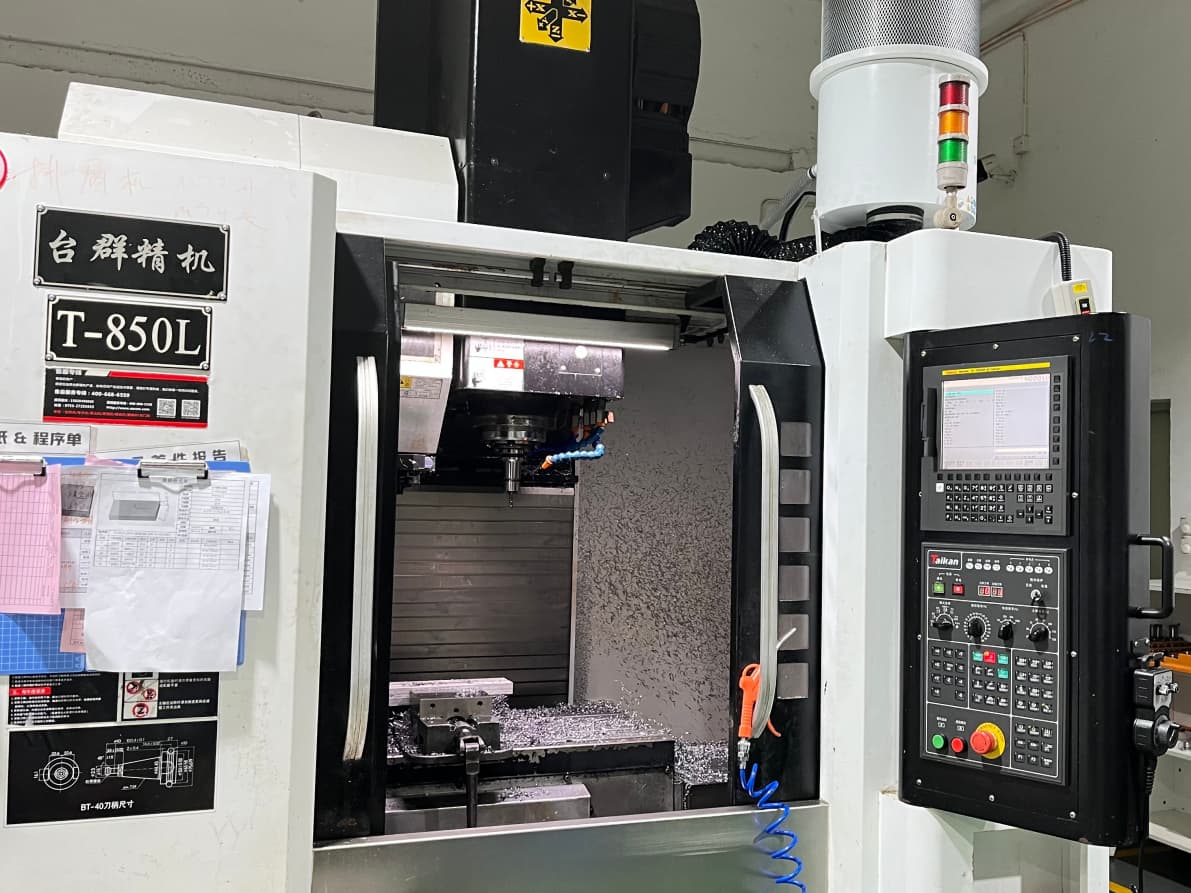
CNC machines are computer-controlled manufacturing tools that automatically cut, shape, or form raw materials into precision parts. The term “CNC” stands for Computer Numerical Control. Instead of relying on manual operation, a CNC machine follows digital instructions to perform repetitive machining tasks with high accuracy, consistent quality, and reduced human error. This makes CNC machining essential for modern precision parts manufacturing.
Engineers and procurement professionals often struggle to differentiate between CNC machine types, understand their real-world applications, or select the right process for a given part design. Getting these fundamentals wrong can lead to costly material waste, incorrect tolerances, or production delays. This article breaks down exactly what CNC machines are, how they function, and what buyers should look for when planning a machining project.
What Does CNC Machine Mean in Manufacturing?
A CNC machine uses pre-programmed digital commands to control the movement of cutting tools and workpieces. These commands are typically generated from CAD/CAM software, which translates a 3D model into toolpaths that the machine can execute. The result is a machined component that matches the design specifications with minimal manual intervention.
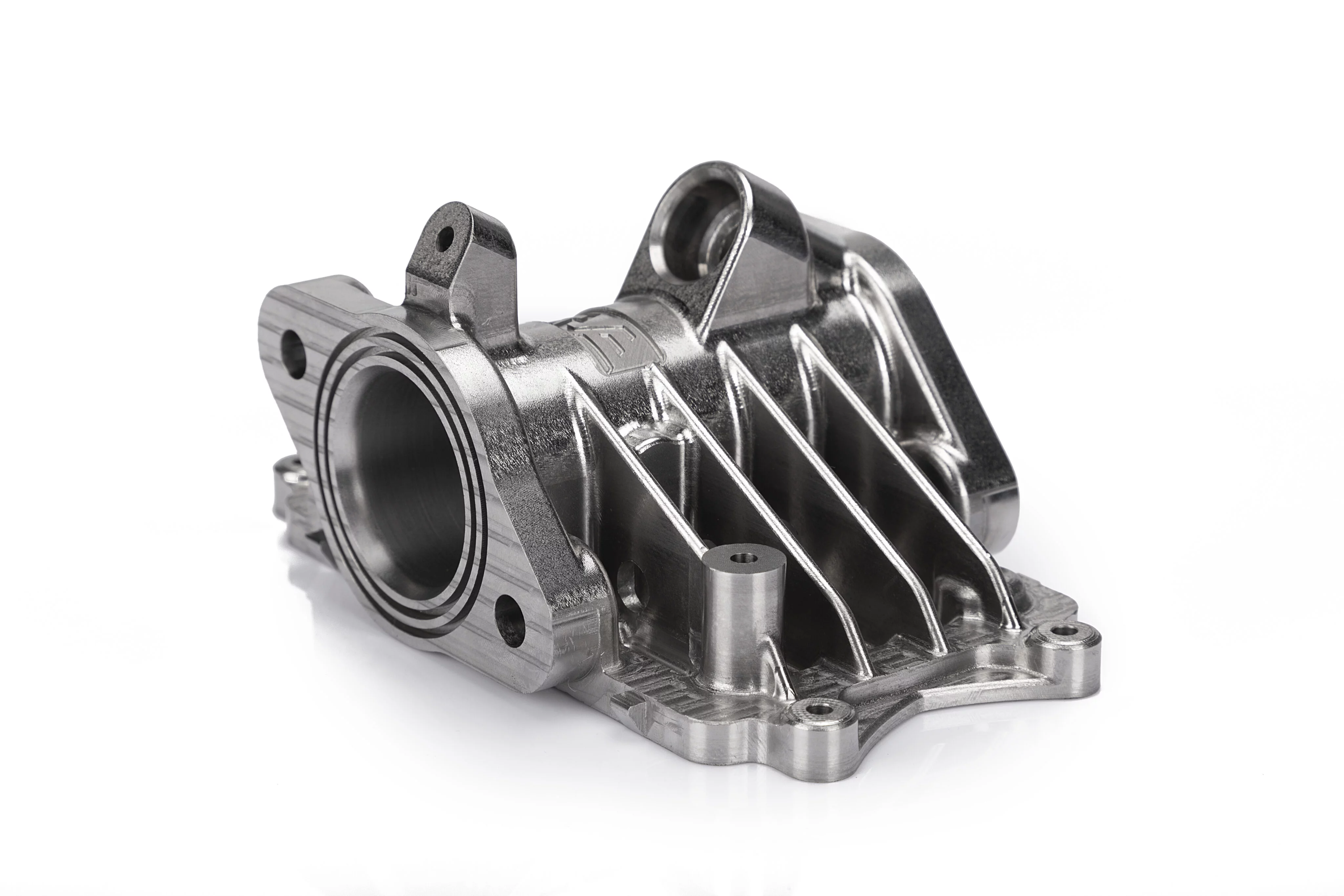
In practical terms, CNC machines bridge the gap between digital design and physical production. They operate across multiple axes — commonly three, five, or more — allowing complex geometries to be machined in a single setup. This capability is what separates CNC machining parts production from conventional manual machining methods.
Understanding the core meaning behind CNC is the first step toward making informed decisions about material selection, process planning, and supplier evaluation for your next project.
How CNC Machines Work: Core Principles
At the heart of every CNC machine is a control system that interprets G-code — a standardized programming language. This code tells the machine where to move, how fast to rotate the spindle, and in what direction to advance the cutting tool. Modern machines add multi-axis coordination, enabling undercuts, angled surfaces, and intricate contours that would be impossible on manual equipment.
Key operational components include:
A spindle that holds and rotates the cutting tool at controlled speeds
An axis system that moves the tool or workpiece along programmed paths
A control unit that reads and executes the digital instructions
A coolant system that reduces heat and removes metal chips during cutting
The combination of these elements allows CNC systems to maintain tight tolerances — often within ±0.001 inches or better — across large production runs without sacrificing part-to-part consistency.
Common Types of CNC Machines and Their Applications
Different machining operations require different machine configurations. Understanding which type suits your application is critical for achieving the right balance of precision, surface finish, and cost efficiency.
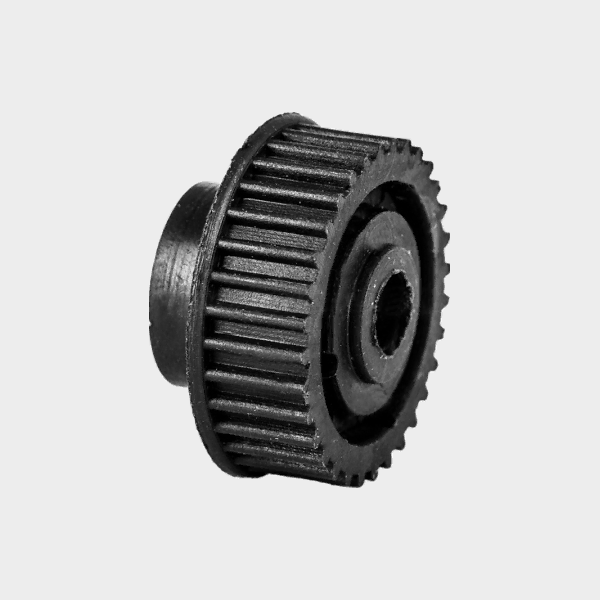
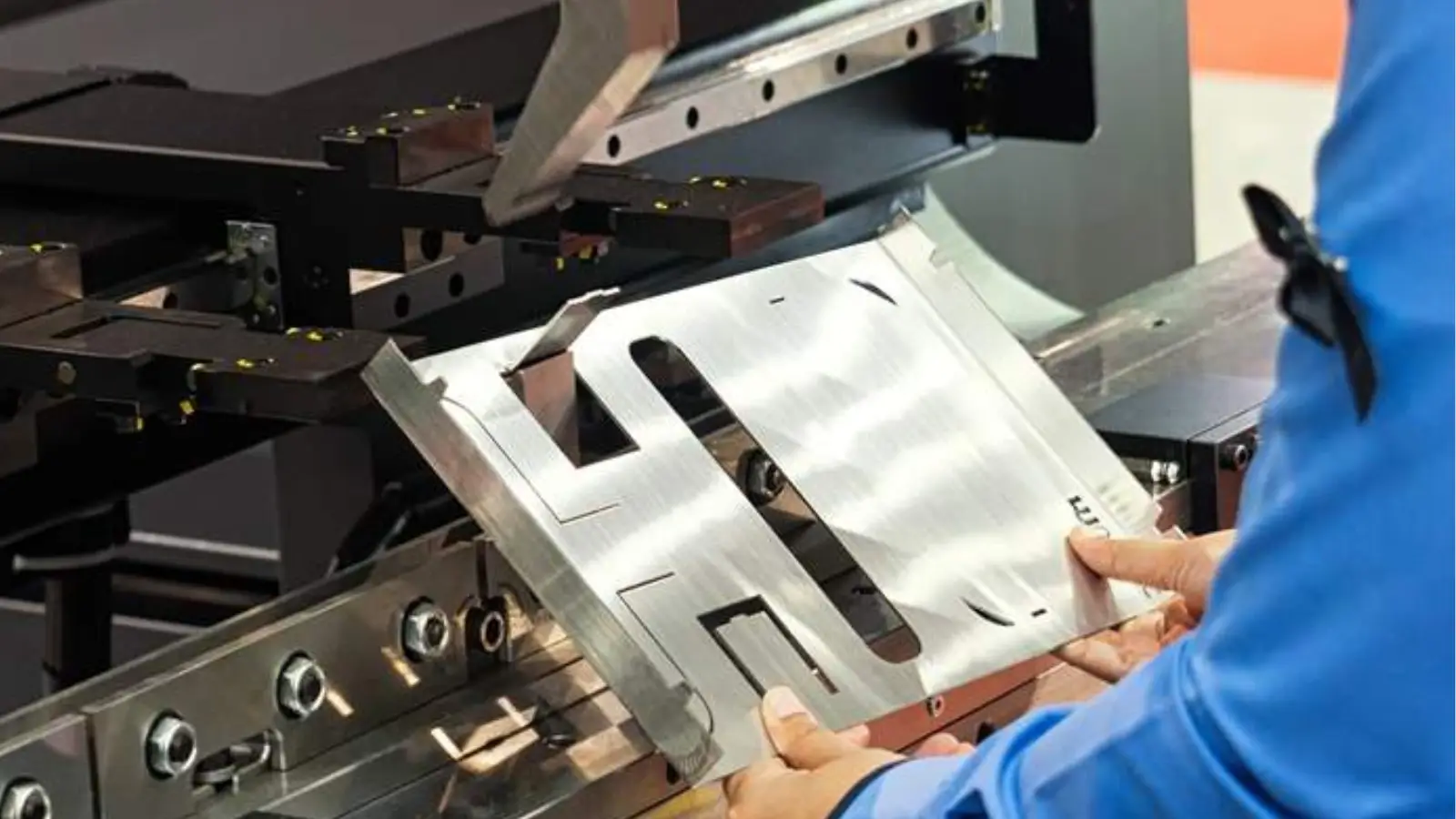
Each of these CNC machining processes serves distinct geometric and material requirements. Selecting the wrong machine type for your part design can increase lead time and unit cost without improving quality.
Key Factors That Influence CNC Machining Quality
Quality in CNC machining depends on several interrelated variables. No single factor operates in isolation. A well-designed part can still produce poor results if material properties, tool wear, or machine calibration are not properly managed.
Material selection is the starting point. Aluminum 6061 and 7075 behave very differently under cutting forces. Stainless steel 316L generates more heat than 304. Titanium requires slower feed rates and specialized tool coatings. Each material demands specific machining parameters to achieve optimal surface integrity.
Tool geometry and condition directly affect surface finish and dimensional accuracy. Worn inserts, incorrect rake angles,or improper flute design can cause burrs, chatter marks, or premature tool failure. A proper tool path strategy also minimizes cutting forces and reduces the risk of part deformation.
Machine calibration and rigidity matter significantly for tight-tolerance work. A well-maintained 5-axis milling center will hold tighter specifications than an older 3-axis machine, even when running the same program. Spindle runout, linear guide wear, and thermal growth all introduce potential variation into the final part.
CNC Machining vs Manual Machining: What Buyers Should Know
The choice between CNC and manual machining is not always straightforward. Each approach has distinct advantages depending on the project requirements, production volume, and design complexity.
CNC machining excels in repeatable production runs, complex geometries, and applications requiring tight tolerances across multiple parts. Once the program is set, the machine can run unattended for extended periods. This makes it highly efficient for batch production and quality-intensive industries such as aerospace, medical device manufacturing, and automotive components.
Manual machining remains relevant for one-off prototypes, quick repairs, and low-volume jobs where the setup time for CNC programming would be disproportionate to the part value. Skilled machinists can also make on-the-fly adjustments that would require a full program revision on a CNC system.
For most modern manufacturing needs, CNC parts manufacturing services provide a more reliable path to consistent quality and scalable production.
Design for Manufacturability: How Part Geometry Affects CNC Process Selection
Part geometry is one of the most overlooked factors in CNC machining cost and feasibility. Certain design features naturally align with specific machine capabilities, while others introduce unnecessary complexity and expense.
Internal sharp corners are a common example. CNC milling tools are cylindrical, so they cannot produce a perfectly sharp 90-degree internal corner. A small radius must be designed into the feature, or additional EDM operations become necessary. This simple design decision can significantly affect both cost and lead time.
Deep cavities and thin walls also require careful consideration. Deep holes demand longer tools that are more prone to deflection. Thin walls may vibrate during cutting, causing chatter or dimensional drift. A thoughtful DFM review before toolpath generation can identify these issues early and suggest minor geometric adjustments that preserve function while reducing machining difficulty.
Material Choices in CNC Machining: Performance vs Cost Trade-offs
The material you choose for a CNC-machined part determines its mechanical properties, surface characteristics, and overall cost. No single material is universally superior. Each option presents a different balance of machinability, strength, weight, and price.
Common CNC machining materials and their typical use cases include:
Aluminum 6061: Excellent machinability, good strength-to-weight ratio, widely used in aerospace and automotive components
Aluminum 7075: Higher strength than 6061, used for structural and high-stress applications, slightly more difficult to machine
Stainless steel 304: Good corrosion resistance, moderate strength, versatile for food-grade and general industrial parts

Stainless steel 316: Superior corrosion resistance, used in marine and chemical processing environments, more challenging to cut
Titanium Ti-6Al-4V: Exceptional strength and corrosion resistance at high temperatures, requires careful cutting parameters and specialized tooling
Brass and bronze: Excellent machinability, used for valves, fittings, and decorative components
Engineering plastics (PEEK, Delrin, Nylon): Lightweight, chemically resistant, used in insulation and low-friction applications
Material selection should always be driven by the functional requirements of the part, not just by unit cost. A cheaper material that fails in service creates far greater expense than a slightly more expensive material that performs reliably.
Common Mistakes When Sourcing CNC Machined Parts
Even experienced buyers make avoidable errors when sourcing CNC machining services. These mistakes often stem from incomplete part specifications, unclear quality expectations, or insufficient communication with the manufacturing team.
One frequent issue is providing incomplete drawings that omit critical tolerances, surface finish requirements, or heat treatment specifications. When these details are left ambiguous, the manufacturer must make assumptions that may not align with your intended application. This can result in parts that meet basic dimensional requirements but fail under real operating conditions.
Another common mistake is prioritizing the lowest quoted price without evaluating the supplier’s technical capability. A low-cost provider may lack the equipment, tooling inventory, or quality control processes needed for your specific part complexity. The apparent savings often disappear when rework, scrap, or delayed delivery is factored in.
How YPMFG Supports CNC Machining Projects
At YPMFG, we provide CNC parts manufacturing services that cover the full production cycle from design review to final delivery. Our engineering team reviews each submitted drawing for manufacturability, identifies potential challenges early, and recommends adjustments that improve yield and reduce cost without compromising part function.
We support a wide range of materials and tolerance levels, including tight-tolerance aerospace-grade components and high-volume production runs for industrial applications. Every project goes through our internal quality inspection process before shipment, ensuring dimensional accuracy and surface finish meet your stated requirements.
If you are evaluating a new CNC machining project, you can send your specifications to us for a preliminary engineering assessment. We will provide feedback on design feasibility, suggest optimal process selections, and prepare a detailed quote based on your actual requirements.
Practical Questions Before Choosing a CNC Machining Supplier
Selecting the right manufacturing partner requires more than comparing unit prices. Buyers should evaluate several practical factors before committing to a supplier relationship.
Quality documentation is essential. A capable supplier should provide first-article inspection reports, material certifications, and dimension measurement records for each batch. These documents serve as verifiable proof of process control and traceability.
Equipment capability matters as much as pricing. Suppliers with modern 5-axis mills, automated tool changers, and in-house metrology labs can handle more complex geometries and tighter tolerances than those relying on older single-spindle equipment.
Communication responsiveness directly affects project timelines. A supplier that answers technical questions quickly and provides clear progress updates reduces the risk of production delays and miscommunication during critical stages of the build.
Common Questions About CNC Machines
What does CNC stand for in manufacturing?
CNC stands for Computer Numerical Control. It refers to the automated control of machining tools using pre-programmed digital commands that dictate tool movement, speed, and positioning.
What is the difference between CNC and manual machining?
CNC machining is automated and follows digital instructions, enabling high repeatability and complex geometries. Manual machining relies on operator skill and is typically used for single parts or simple operations. CNC is better suited for production runs and tight-tolerance work.
Which materials are most commonly used in CNC machining?
Aluminum alloys, stainless steels, titanium, brass, and engineering plastics are the most frequently used materials. The choice depends on the required strength, corrosion resistance, weight, and operating environment of the final part.
What tolerance levels can CNC machines achieve?
Standard CNC machining typically achieves tolerances of ±0.005 to ±0.001 inches. High-precision operations with proper setup and measurement equipment can reach ±0.0002 inches or tighter, depending on the material and part geometry.
How long does a CNC machining project usually take?
Lead times vary based on part complexity, quantity, material availability, and post-processing requirements. Simple prototypes may ship within a few days, while complex multi-operation parts can take one to three weeks. CNC machining lead times should be discussed during the initial engineering review.
What information do I need to request a CNC machining quote?
Provide complete 2D drawings with dimensions and tolerances, a 3D CAD model when available, the intended material, surface finish requirements, part quantity, and any special testing or inspection needs. Complete specifications allow for an accurate and comparable quote.
Can CNC machines produce custom or one-off parts?
Yes. CNC machining is well suited for both custom single parts and medium-to-high production volumes. The digital nature of the process means part designs can be easily modified between runs without requiring new tooling.
What quality inspections are typically performed on CNC machined parts?
Common inspections include dimensional verification with CMM or calipers, surface finish measurement, visual defect checks, and material certificate review. Advanced projects may also require NDT testing, first-article inspection reports, or PPAP documentation.
Choosing the Right CNC Solution for Your Application
Getting the CNC machines meaning right is only the beginning. The real challenge lies in matching the right process, material, and supplier to your specific part requirements. Making an informed decision requires a clear understanding of your design constraints, quality expectations, and production volume.
YPMFG helps buyers navigate these decisions by providing engineering assessments, material guidance, and transparent quoting for every project. You can send your specifications to us for a free review, and our team will advise on the most suitable machining approach for your application.