 English
  German
  Russian
  Japanese
  Korean
  Spanish
  French
  Italian
  Portuguese
 Quick answer:
Before ordering a custom sheet metal housing, verify five items: material grade and thickness, bend radius with minimum flange length, tolerance class on mating surfaces, exact finish specification, and quantity with revision expectations. Skipping any of these creates rework, dimensional conflict, or cost overrun during production. If your design involves walls under 1.5 mm or flatness tighter than 0.1 mm, confirm process capability with your fabricator before releasing the purchase order.
Procurement teams often discover housing fabrication issues after production starts—bends that will not close, tolerances that drift under thermal cycling, or finishes that fail the final inspection. The root cause is usually a specification gap between what the buyer described and what the shop can actually produce. YPMFG works with engineering and procurement teams to close that gap before metal hits the die.
## Key Dimensions to Lock Down Before Placing an Order
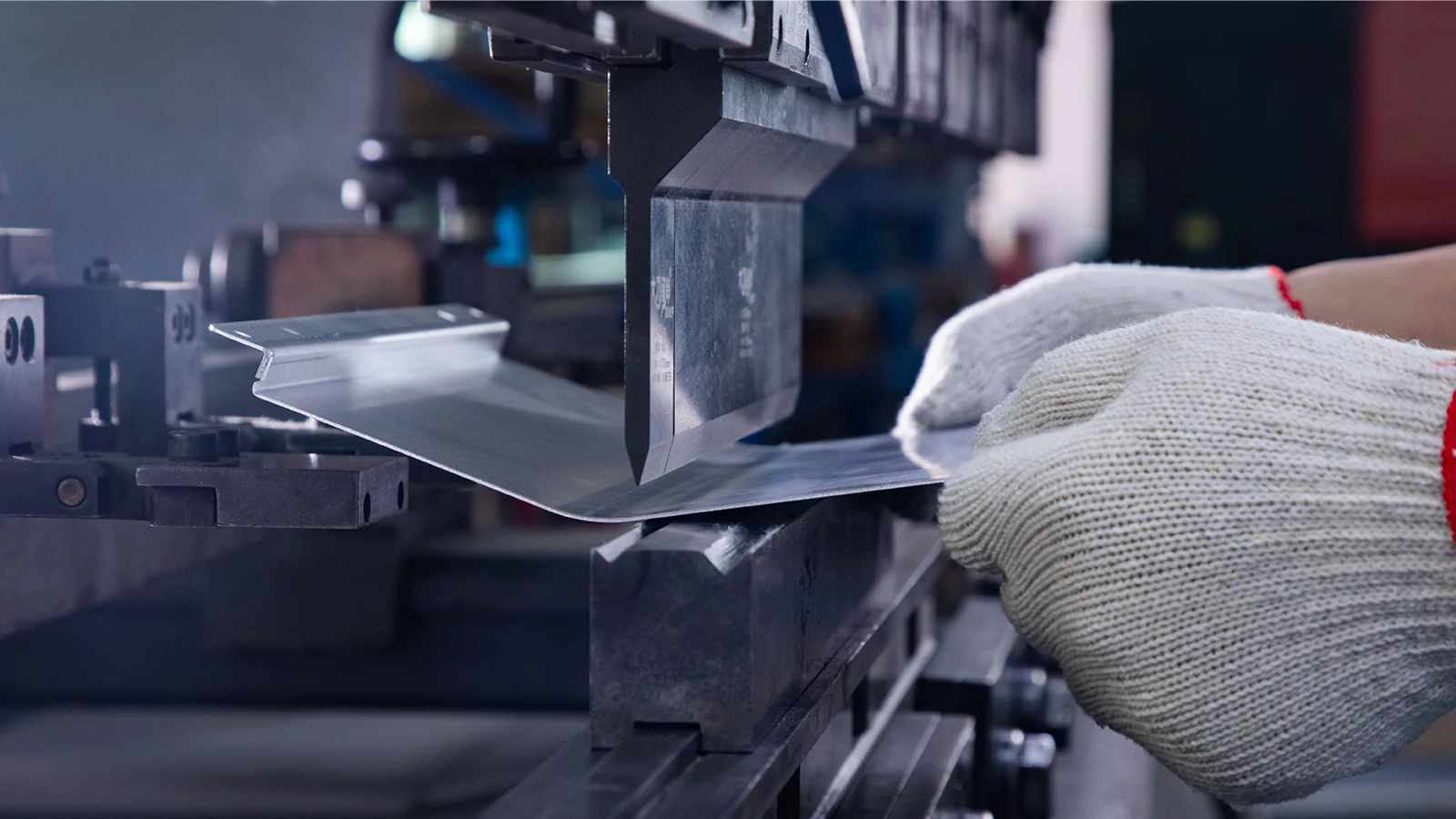
A housing drawing that omits bend lines, deburr notes, and datum references will generate RFQs with widely different quotes. Every sheet metal part depends on its flat-pattern geometry. The formed shape determines the blank size, and any change in bend sequence shifts that blank by fractions of a millimetre. If your drawing shows only a 3D isometric without a bend schedule, each fabricator will interpret the part differently.
In practice, unclear bend direction and missing minimum-flange notes are the two most common causes of first-article rejection in custom sheet metal housing fabrication. Specify bend angle, minimum flange length, deburr radius, and primary datum features directly on the drawing. If your panels include laser-cut sheet metal sections, confirm the kerf compensation value your shop uses.

YPMFG can review your housing drawings and flag missing bend data or tolerance conflicts before you issue an RFQ.
Material Grade, Tolerance, and Finish Selection
Material choice drives unit cost more than geometry does for most enclosures. A 304 stainless-steel housing costs 40–60 % more than a 14-gauge cold-rolled steel equivalent at the same volume. If your end application tolerates minor surface oxidation, a galvanized steel option with powder coating often matches the functional requirement at a lower material cost.
Tolerance class matters where panels mate with PCBs, optical windows,or other sub-assemblies. State whether you need IT8 dimensional tolerance on critical flats or can accept standard ±0.5 mm on non-mating features. Write the exact surface-finish standard number (for example, ISO 1663 with a target Ra value) on the drawing rather than the vague word “smooth.”
Common Specification Mistakes That Cause Rework
The fastest way to avoid all four issues is to attach a sheet metal specification checklist to every RFQ. YPMFG provides a standard template that covers material, bend data, tolerance class, finish, and acceptance inspection criteria.
## Questions Buyers Often Ask Before Ordering Housings
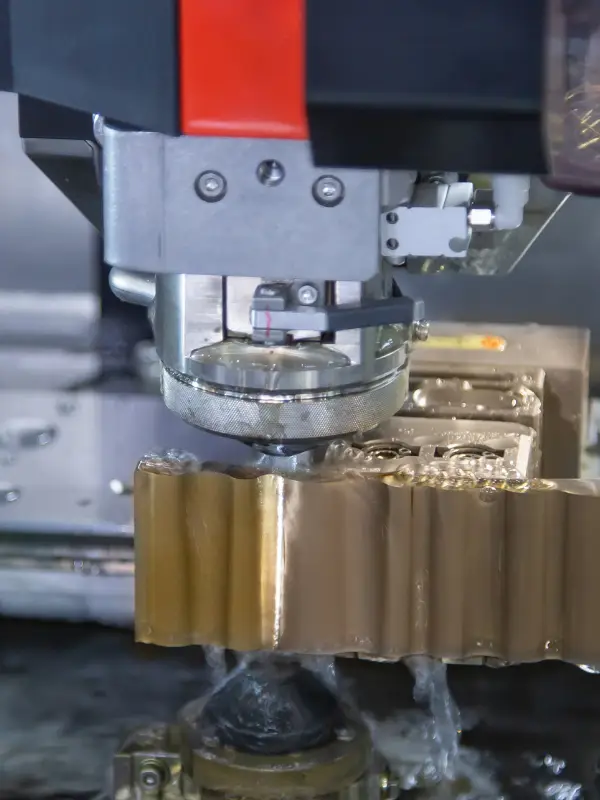
Can I use the same CAD file for laser cutting and CNC bending?
Yes, but the file must include a separate bend schedule with angles, axis positions, and tooling notes. A bare 3D surface will not produce a repeatable flat pattern.
What is a realistic lead time for 50 custom housings?
Depending on material availability and shop queue, sheet metal fabrication for 50 units typically runs three to six weeks from drawing approval to shipment. Tighten or extend the window based on bend count and finish steps.
Do I need to specify weld class for enclosed housings?
If the housing must be sealed for EMI shielding or environmental protection, yes. State the weld penetration class (for example, an AWS D1.2 F-class) and whether the joint is a butt, lap, or seam configuration.
What documentation should I request with the finished part?
Ask for a material test report, bend inspection record, and a dimensional verification sheet for at least two witness parts. YPMFG includes these documents in standard shipment packages.
Before You Release the Purchase Order
The cost of a housing rework cycle is rarely the material itself. It is the assembly-line downtime, the re-inspection hours, and the missed ship date that cascade through the project.
Send your current housing drawing and target quantity to YPMFG for an engineering review. The team will check bend feasibility, tolerance conflicts, and finish specifications, then return a written assessment with recommended corrections. You can also request a custom sheet metal fabrication quote with an itemised cost breakdown before committing to a PO.