 English
  German
  Russian
  Japanese
  Korean
  Spanish
  French
  Italian
  Portuguese
Get a CNC Milling Quote Now
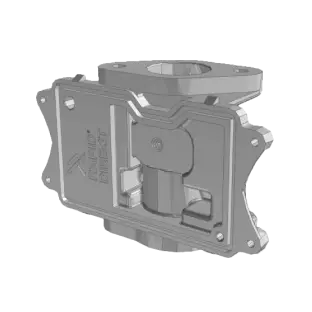

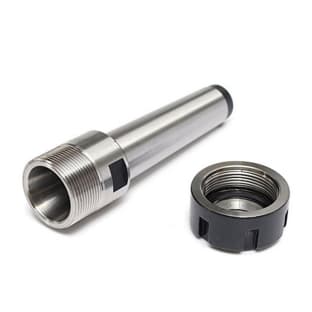
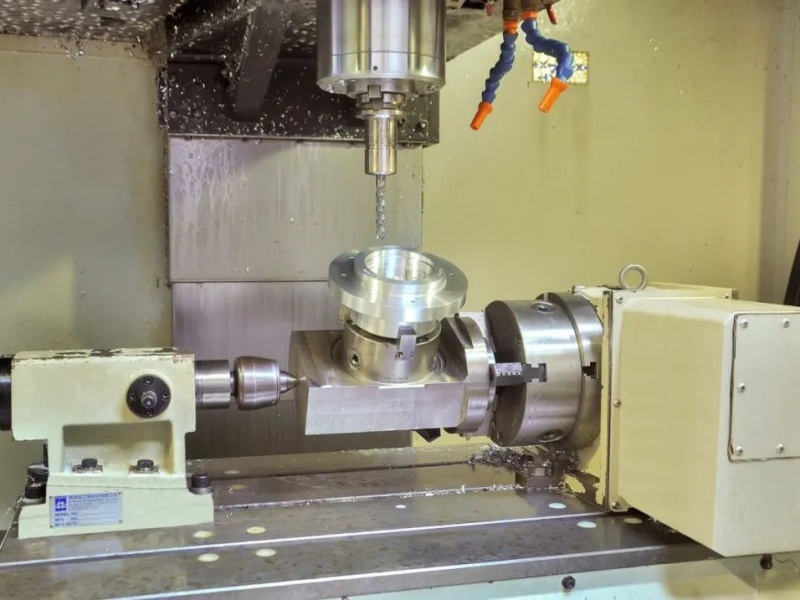
4-axis CNC milling allows multi-side machining in a single setup, reducing repositioning
errors and improving efficiency.
This service is widely
used for custom CNC milling parts with complex side features.
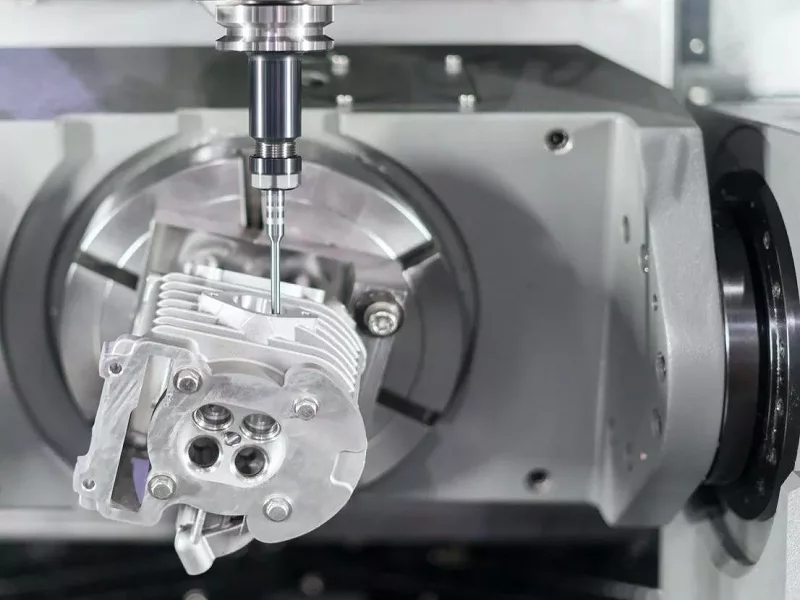
Our 5-axis CNC milling service supports highly complex and precision-critical components.
It is the preferred solution for aerospace, medical, and
high-tolerance CNC milling applications.
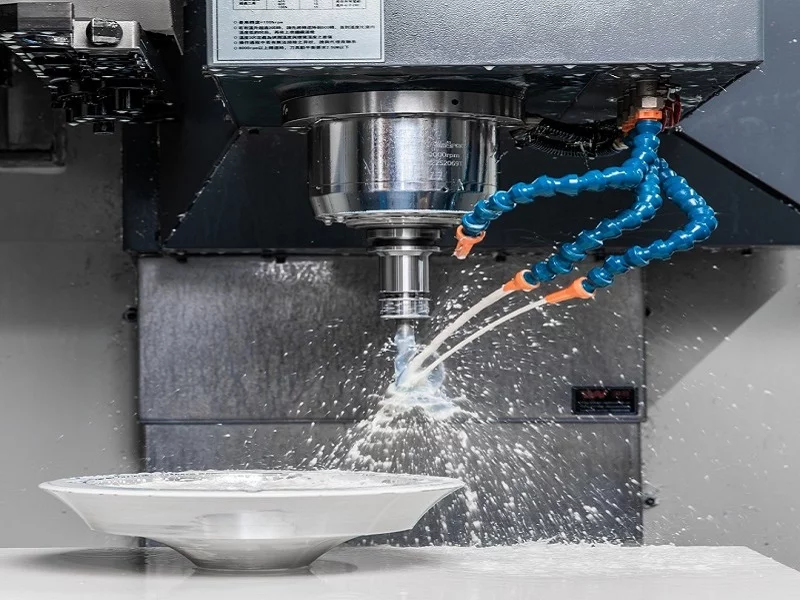
ur 3-axis CNC milling services are ideal for cost-effective machining of simple geometries.
We deliver consistent accuracy for flat and prismatic parts
using advanced CNC milling machines.
4-axis CNC milling allows multi-side machining in a single setup, reducing repositioning
errors and improving efficiency.
This service is widely
used for custom CNC milling parts with complex side features.
Our 5-axis CNC milling service supports highly complex and precision-critical components.
It is the preferred solution for aerospace, medical, and
high-tolerance CNC milling applications.
ur 3-axis CNC milling services are ideal for cost-effective machining of simple geometries.
We deliver consistent accuracy for flat and prismatic parts
using advanced CNC milling machines.
4-axis CNC milling allows multi-side machining in a single setup, reducing repositioning
errors and improving efficiency.
This service is widely
used for custom CNC milling parts with complex side features.
Our 5-axis CNC milling service supports highly complex and precision-critical components.
It is the preferred solution for aerospace, medical, and
high-tolerance CNC milling applications.
ur 3-axis CNC milling services are ideal for cost-effective machining of simple geometries.
We deliver consistent accuracy for flat and prismatic parts
using advanced CNC milling machines.
|
Get straightforward CNC milled parts produced with stable accuracy, faster lead times, and controlled machining costs when complex multi-angle machining is not required. |
Improve machining efficiency and feature alignment with 4-axis CNC milling, especially when your part needs more than one machining direction in a single setup.
Our 5-axis CNC milling service supports highly complex and precision-critical components. It is the preferred solution for aerospace, medical, and high-tolerance CNC milling applications.
Rapid Prototyping
Accelerate product development with our rapid CNC machining services. We offer fast turnaround times and specialize in quick production of high-quality prototypes and mold tooling, aiding your design verification process.
Low and High-Volume Production
Whether you need small batches or large-scale production, we can offer you both. With stringent tolerance controls and comprehensive capabilities, we adapt to your volume requirements without compromising on quality.
YP-MFG provides CNC milling services for a wide range of metals and plastics, helping you match material strength, weight, surface finish, heat resistance, and cost requirements. Whether you need aluminum prototypes, stainless steel components, or engineering plastic parts, our team can help you choose a suitable material for your design and production goals.

ABS is strong, durable, and offers good resistance to heat and impact. It’s preferred for automotive components and consumer goods.
ABS Beige(Natural)
ABS Black
ABS Black Antistatic
ABS Milky White
ABS+PC Black
ABS+PC White

Polycarbonate is extremely durable and has high impact resistance, along with excellent clarity, used for bullet-proof glass and protective gear.
PC Black
PC Transparent
PC White
PC Yellowish White
PC+GF30 Black
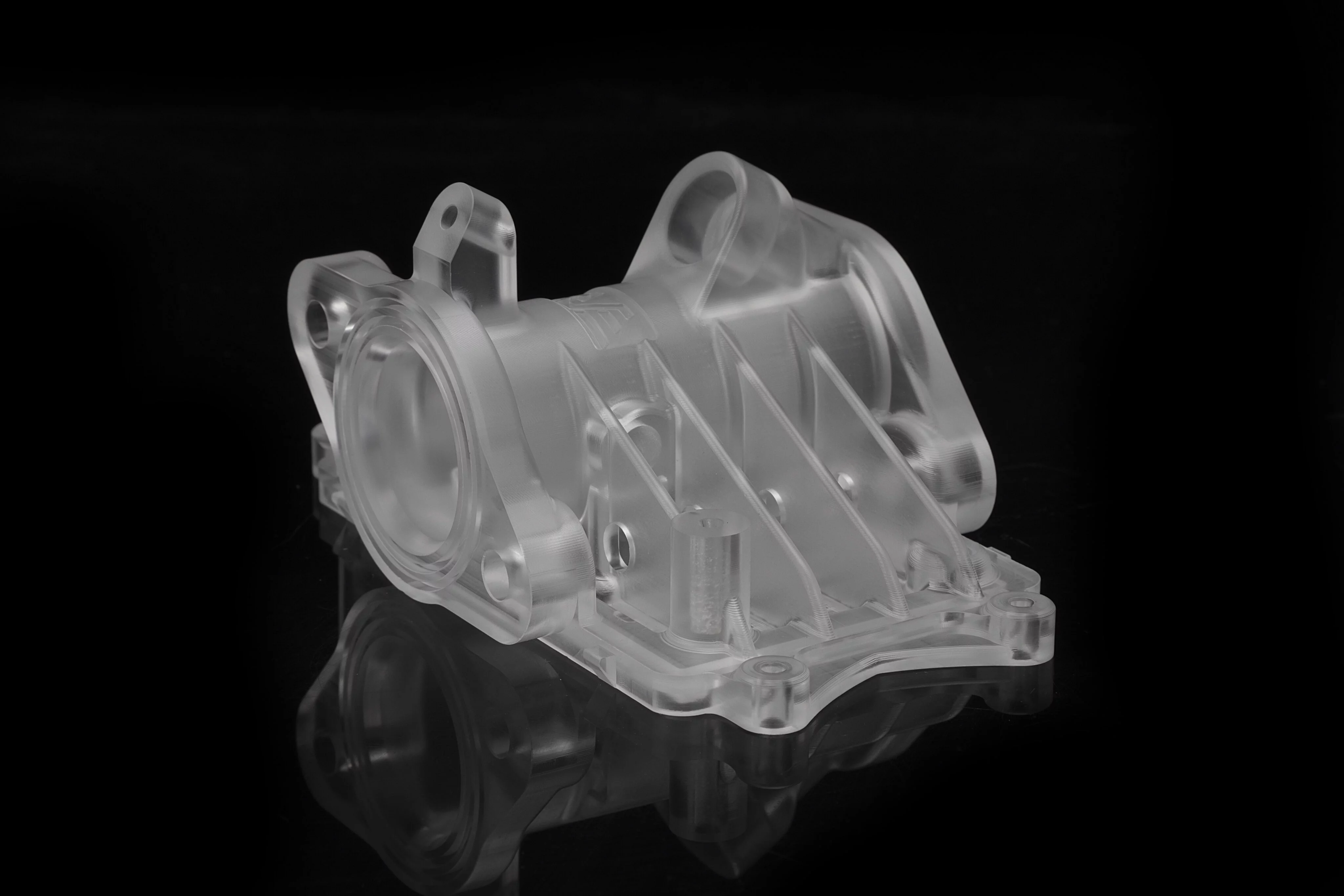
PMMA, or acrylic, is known for its crystal clarity and weather resistance, making it ideal for outdoor fixtures and display cases.
PMMA Black
PMMA Transparent
PMMA White
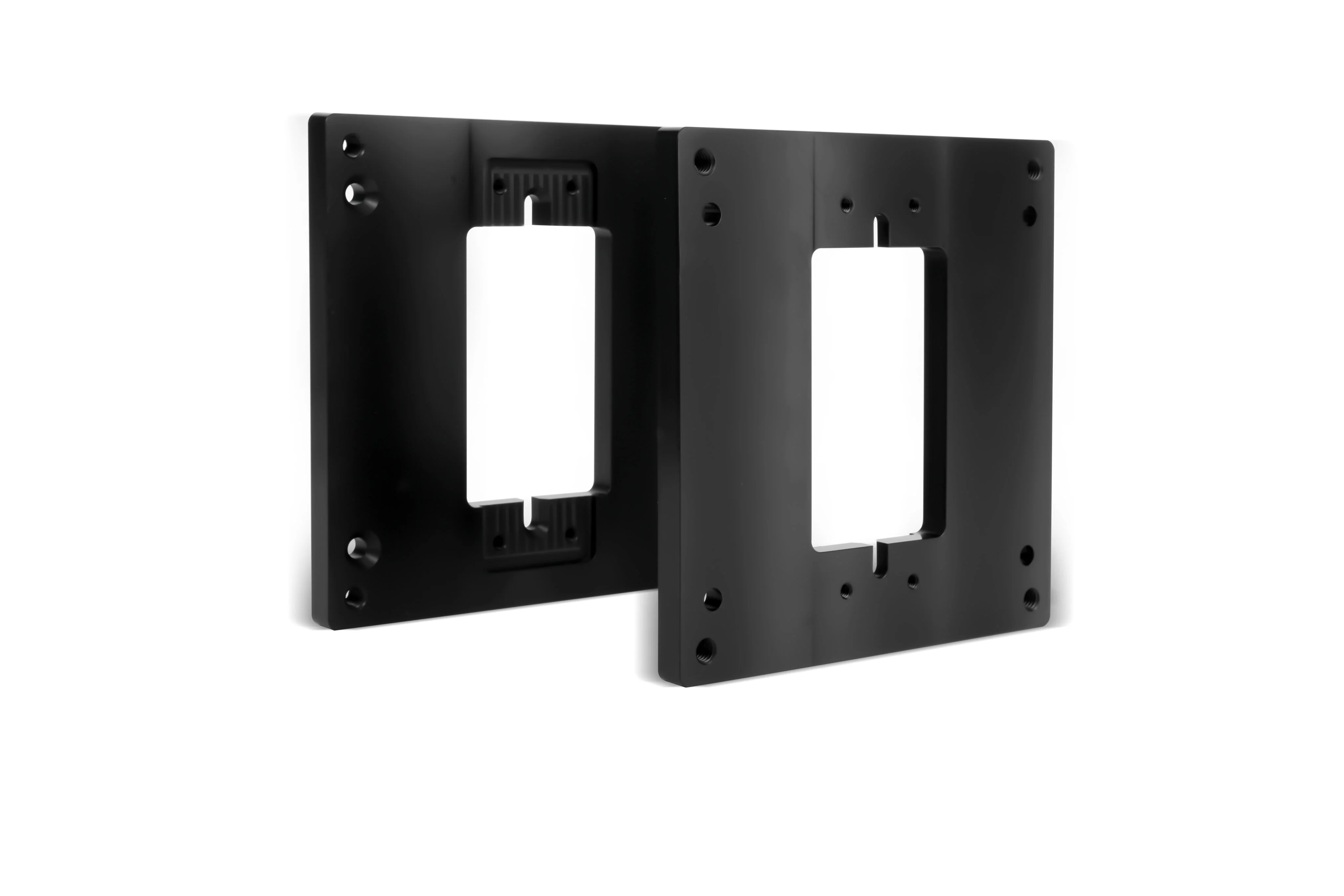
POM is strong, with a low friction surface and good dimensional stability, perfect for precision parts in mechanical applications.
Dark brown (coffee) POM 100AF
POM Black
POM Blue
POM White

Nylon is versatile, strong, and wears well against friction, commonly used for gears, bearings, and other wear-resistant surfaces.
PA(Nylon) Blue
PA6 (Nylon)+GF15 Black
PA6 (Nylon)+GF30 Black
PA66 (Nylon) Beige(Natural)
PA66 (Nylon) Black
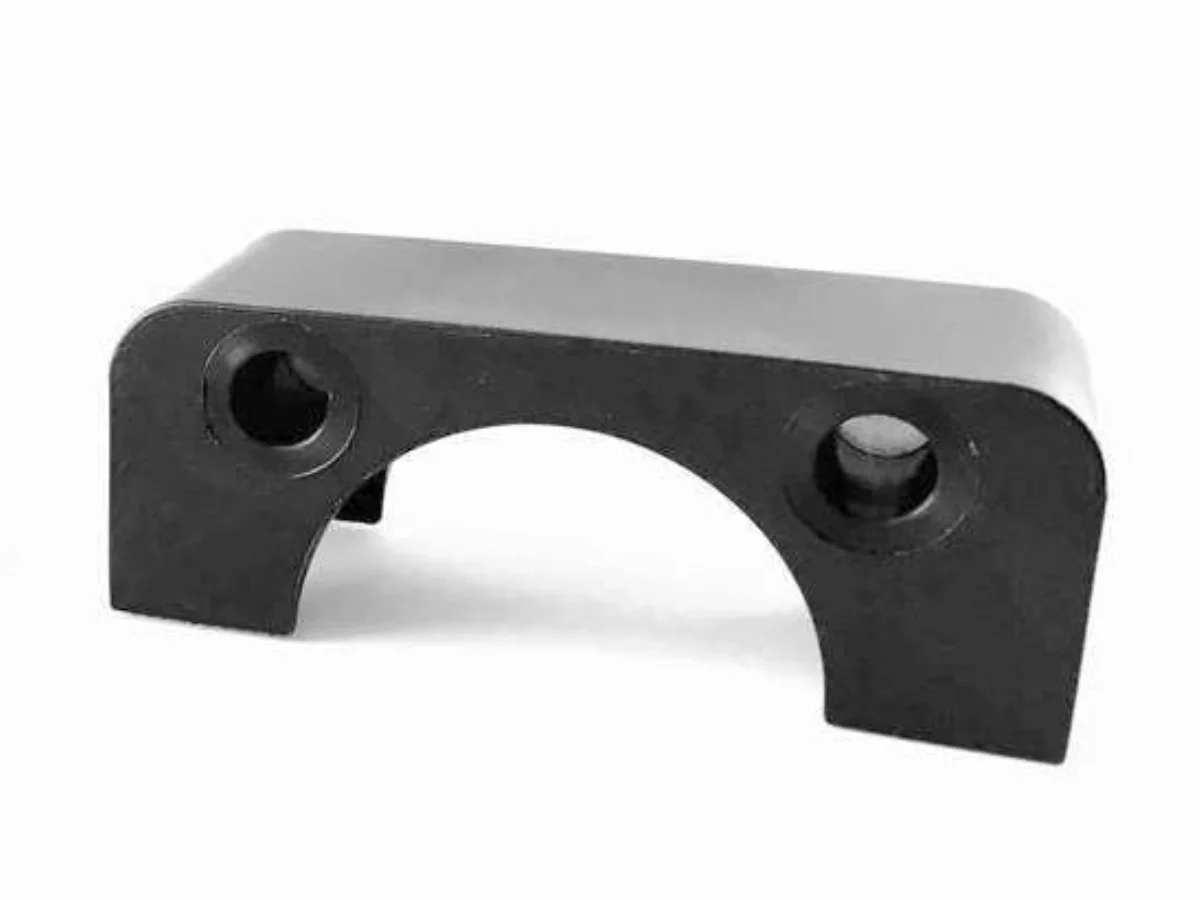
Polyethylene is lightweight and has high resistance to impact, widely used in packaging and containers.
PE Black
PE White
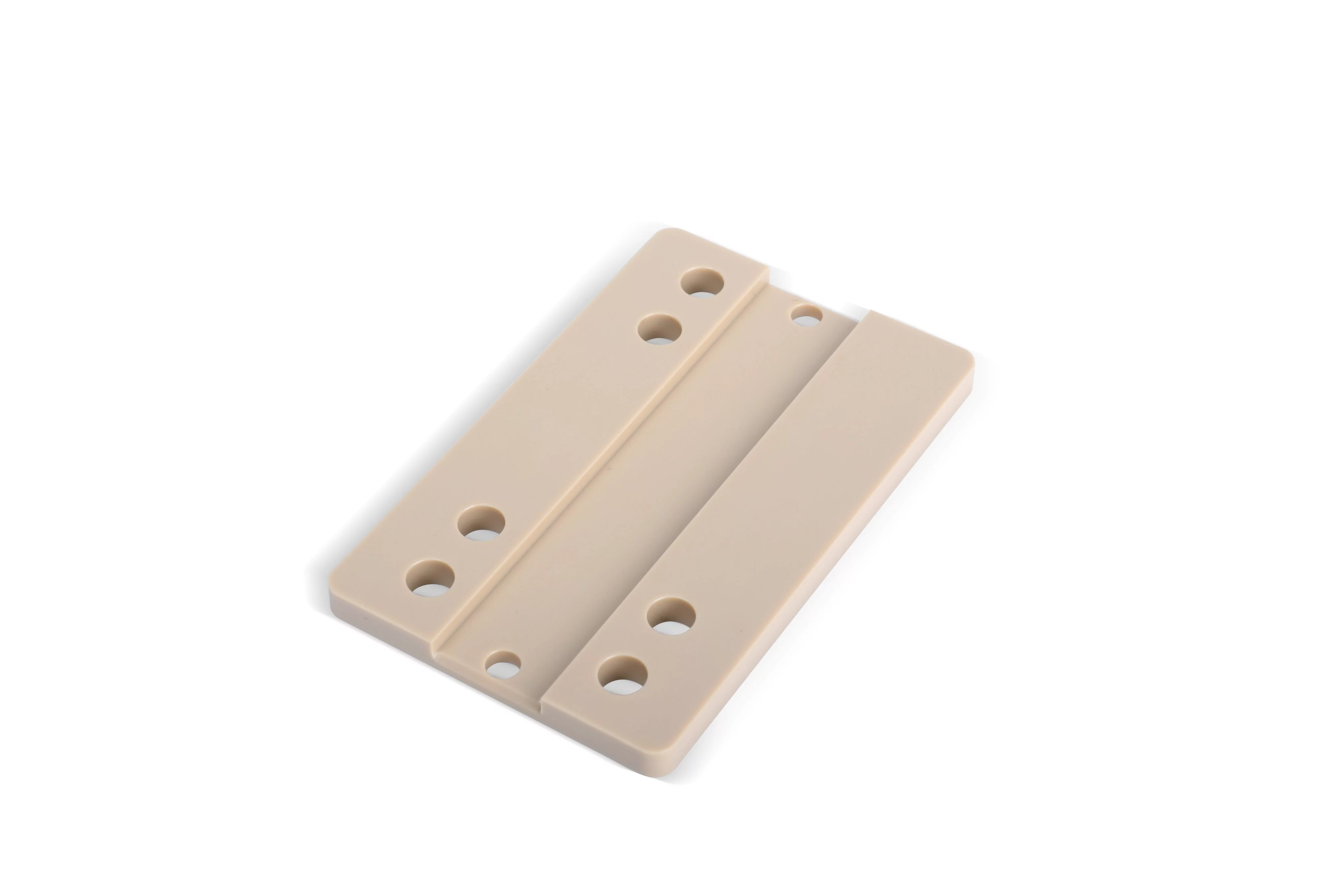
PEEK is renowned for its high temperature resistance and strength, often used in aerospace and medical implant manufacturing.
PEEK Beige(Natural)
PEEK Black

Polypropylene is tough, has excellent chemical resistance, and is used for automotive parts, containers, and in packaging.
PP Black
PP White
PP+GF30 Black

HDPE is known for its high strength-to-density ratio, resistance to impacts, and is used in making bottles and corrosion-resistant piping.
HDPE Black
HDPE White

HIPS is easy to machine and offers good dimensional stability and impact resistance, suitable for prototyping and modeling.
HIPS Board White

LDPE is soft, flexible, and used in applications where heat sealing is required, such as in tubing and plastic bags.
LDPE White
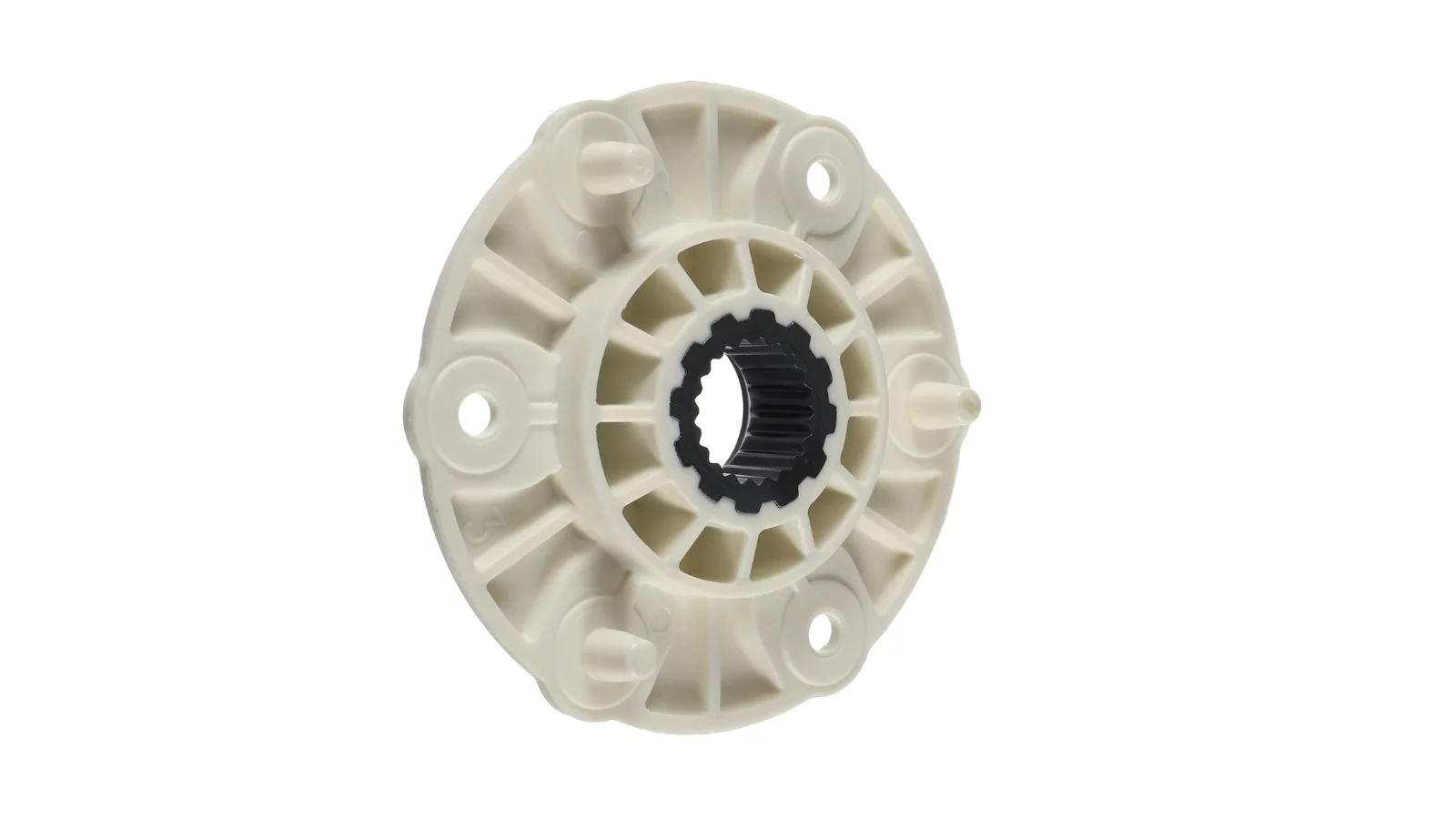
PBT is a strong, rigid plastic that is heat resistant and commonly used in electrical components and casings.
PBT Black
PBT Milky White(Natural)
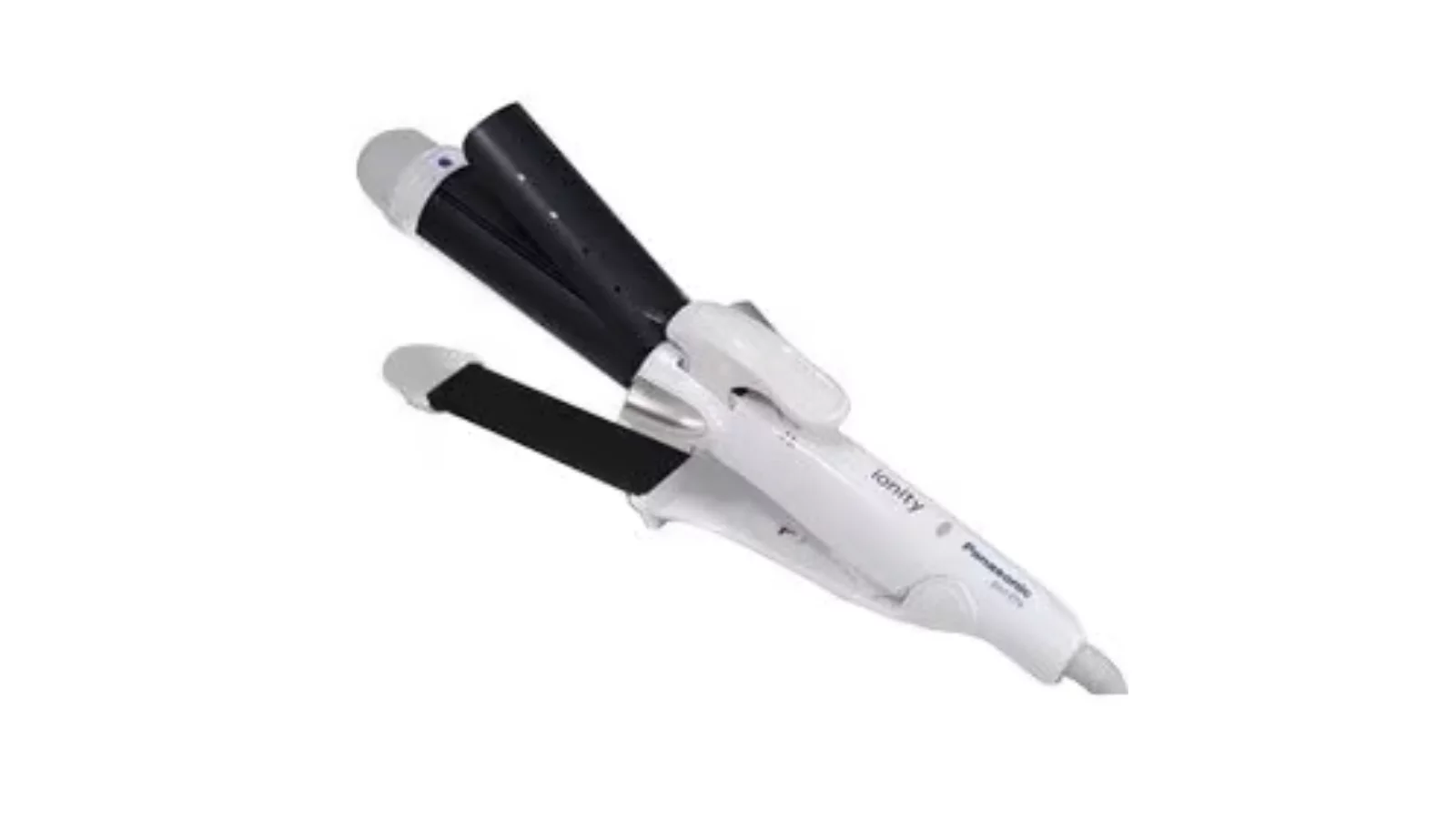
PPA offers high heat resistance and stiffness, ideal for automotive and electrical applications that require durability at high temperatures.
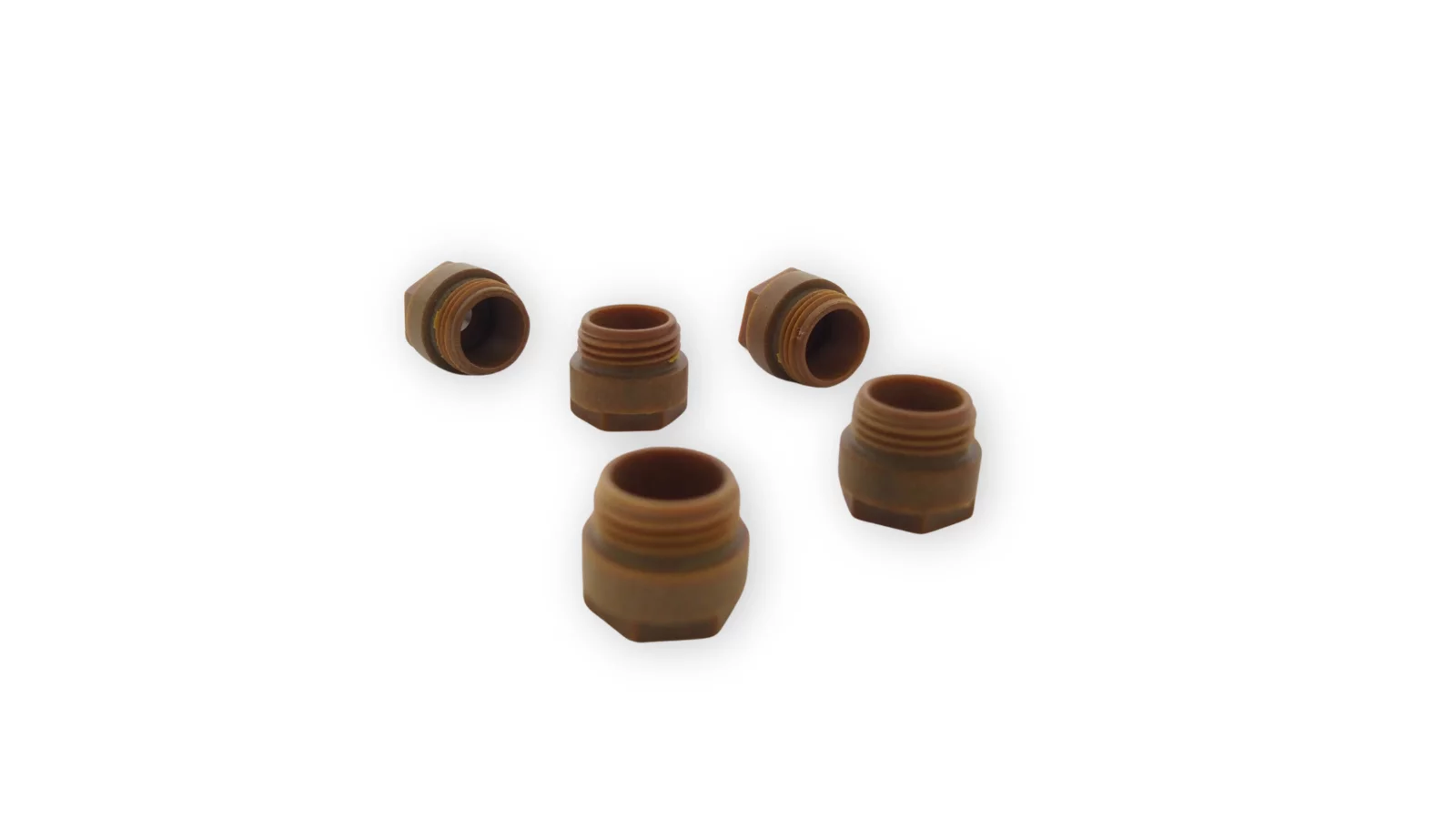
PAI has exceptional thermal and chemical stability, used in high-performance parts in aerospace and automotive sectors.
PAI Brown
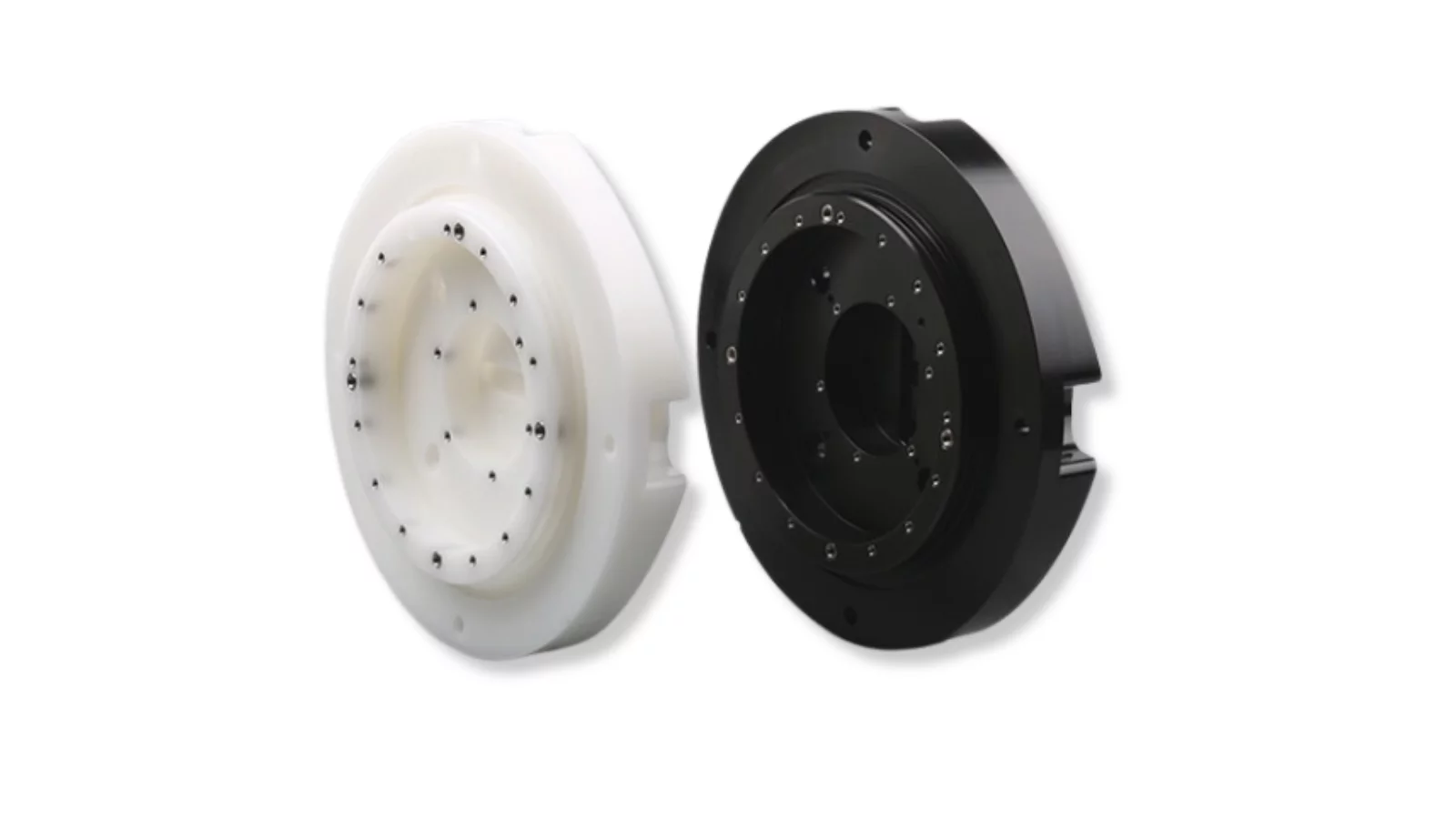
PET is strong, resistant to moisture and chemicals, and widely used in food containers and textile fibers.
PET Black
PET White
PET+GF30 Black
PET+GF30 White

PPS features outstanding chemical and heat resistance, suitable for automotive and aerospace components.
PPS Black
PPS White
PPS+GF30 Black
PPS+GF30 White
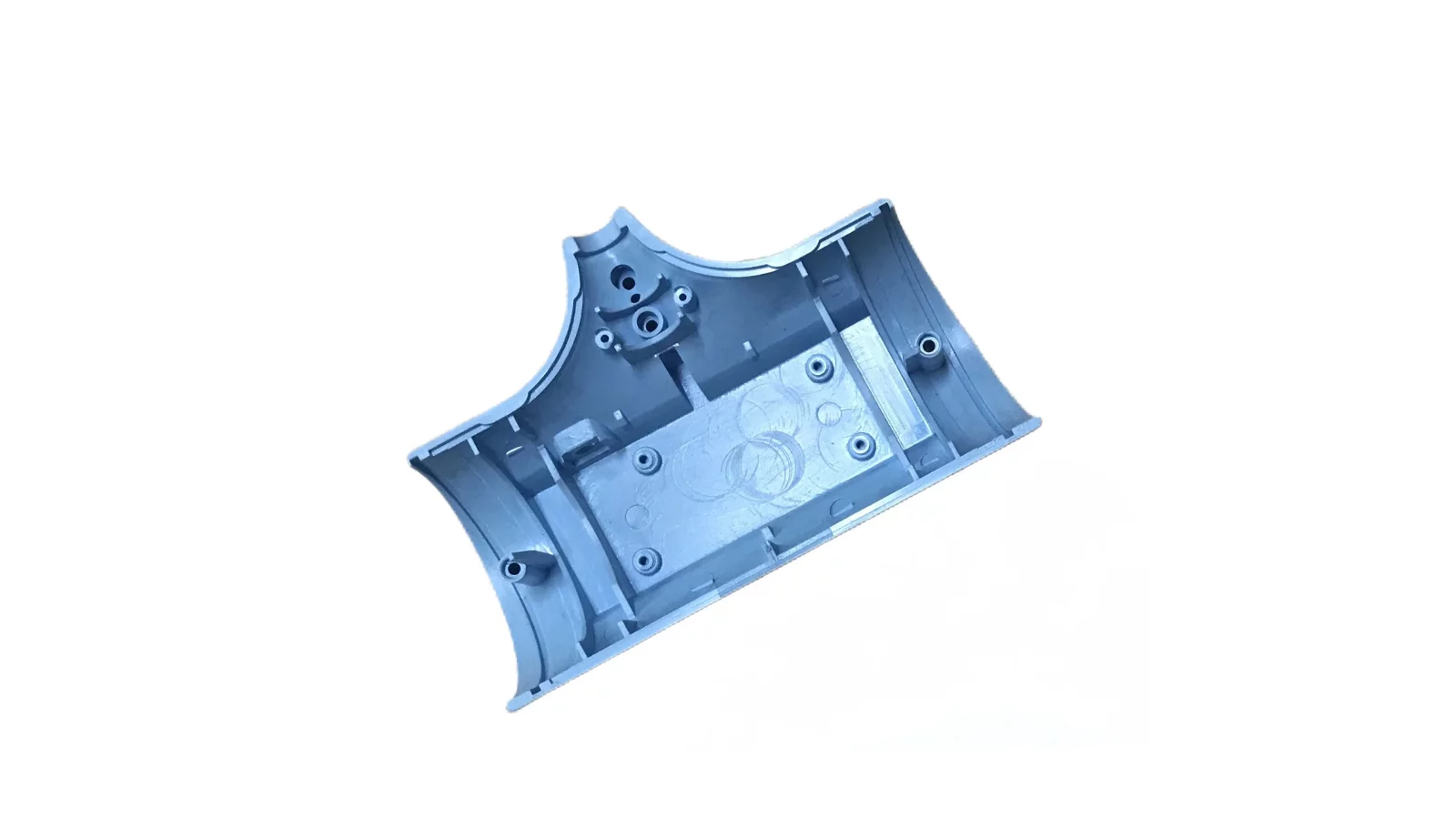
Polystyrene is lightweight and easy to machine, used for models, prototypes, and low-strength applications.
PS Transparent
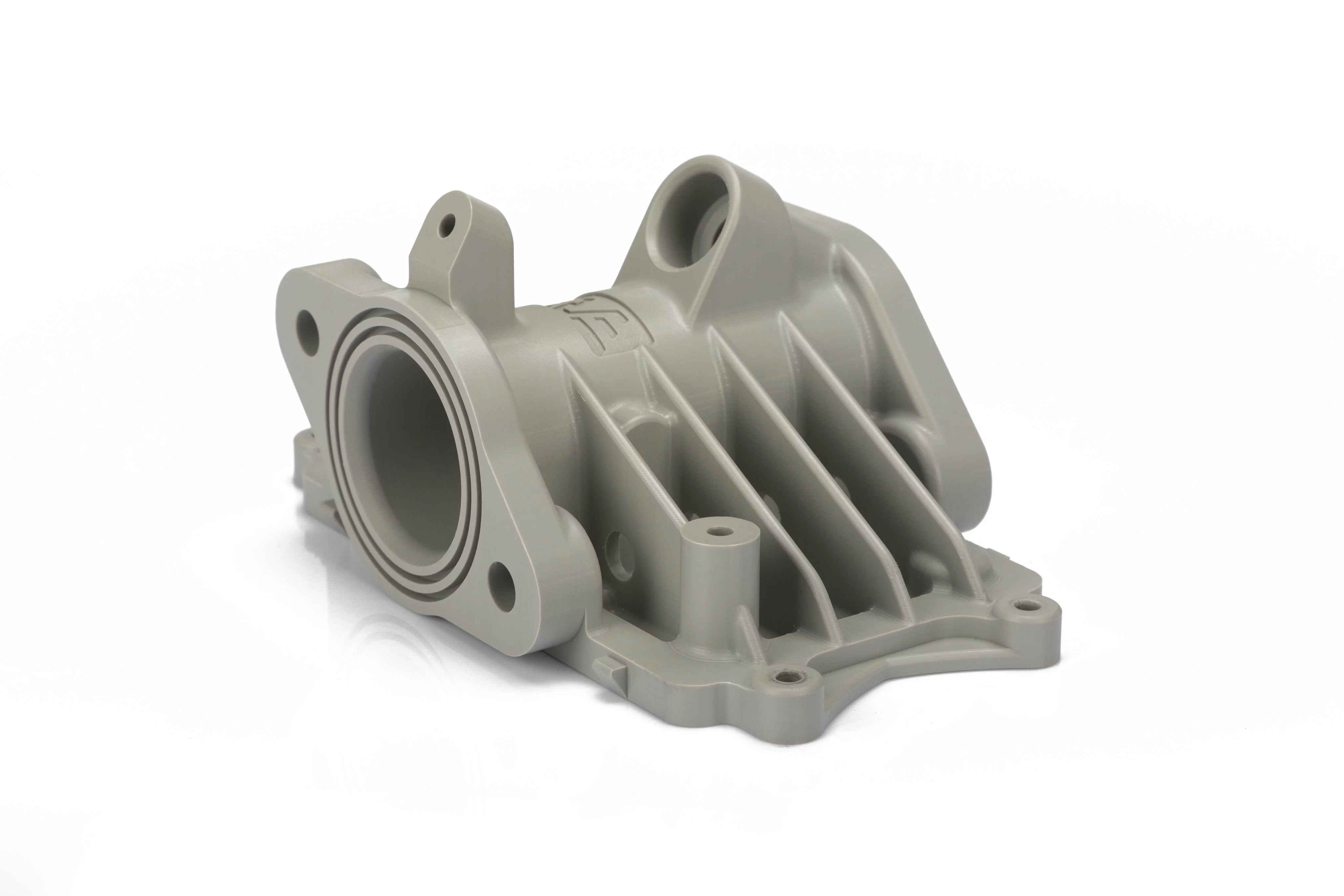
PVC is robust, cheap, and has good chemical resistance, used in plumbing, medical devices, and cables.
PVC Grey

PTFE is known for its outstanding chemical resistance and low friction, making it perfect for non-stick coatings and gaskets.
Teflon (PTFE) Black
Teflon (PTFE) White

UPE has extremely long chains, resulting in a very tough material, ideal for high-abrasion applications like lining chutes.
UPE Black
UPE White

Bakelite is heat resistant and electrically non-conductive, perfect for electrical insulators and radio and telephone casings.
Bakelite Black
Bakelite Orange

FR-4 is a flame-resistant material, primarily used in the electronics industry for circuit boards and insulators.
FR-4 Aqua Green
FR-4 Yellow
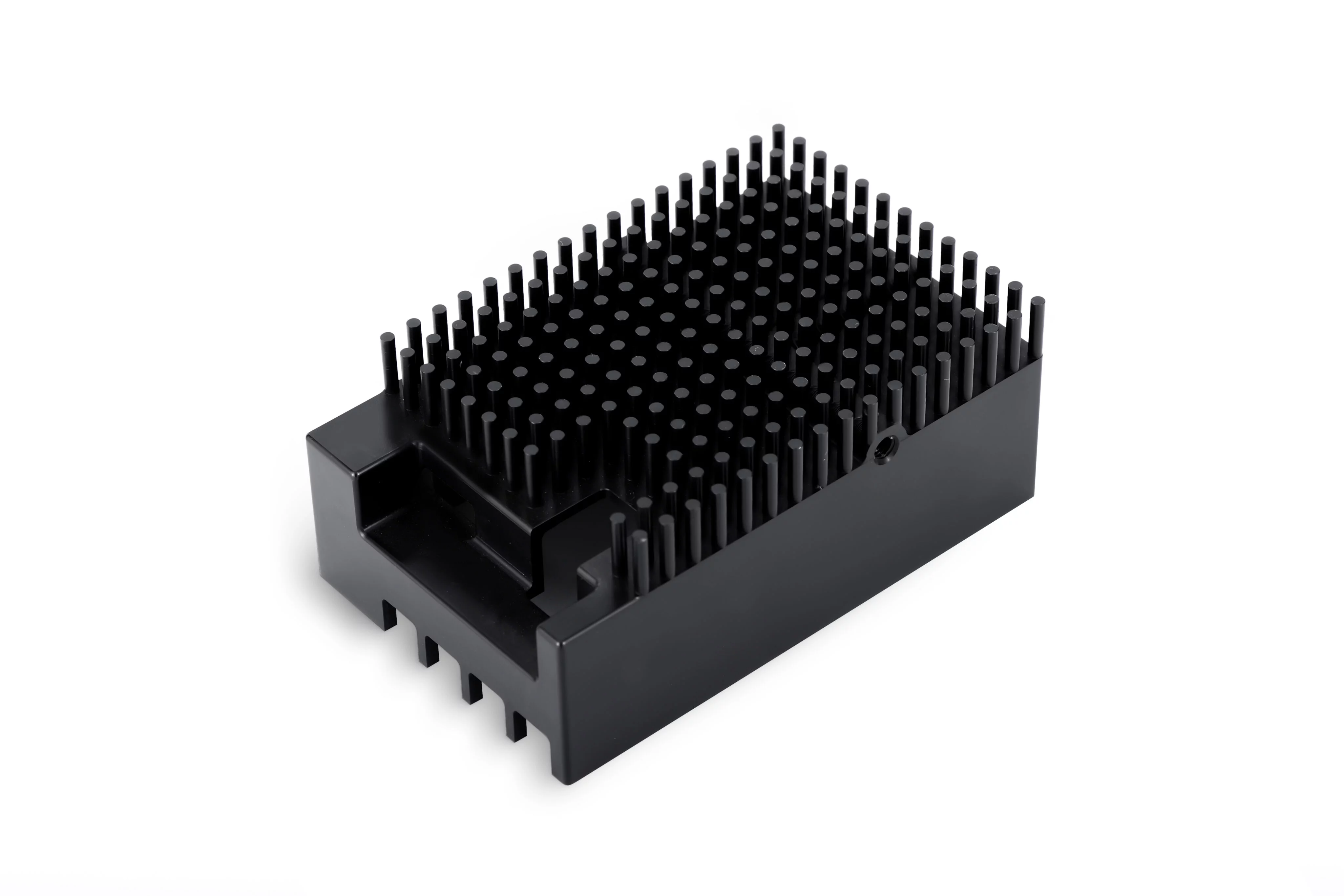
Aluminum is lightweight yet strong, with excellent machinability and corrosion resistance. Ideal for aerospace and automotive parts.
Alloys
Aluminum 6061, 6061-T6
Aluminum 2024
Aluminum 5052
Aluminum 5083
Aluminum 6063
Aluminum 6082
Aluminum 7075, 7075-T6
Aluminum ADC12 (A380)

Copper is known for its superior electrical conductivity and thermal properties, making it perfect for electrical components and heat exchangers.
Alloys
Copper C101(T2)
Copper C103(T1)
Copper C103(TU2)
Copper C110(TU0)
Beryllium Copper

Brass is durable and has a low friction coefficient, which makes it suitable for fittings, tools, and musical instruments that require precision.
Alloys
Brass C27400
Brass C28000
Brass C36000

Bronze is highly resistant to corrosion and metal fatigue, favored for bearings, bushings, and marine hardware.
Alloys
Tin Bronze
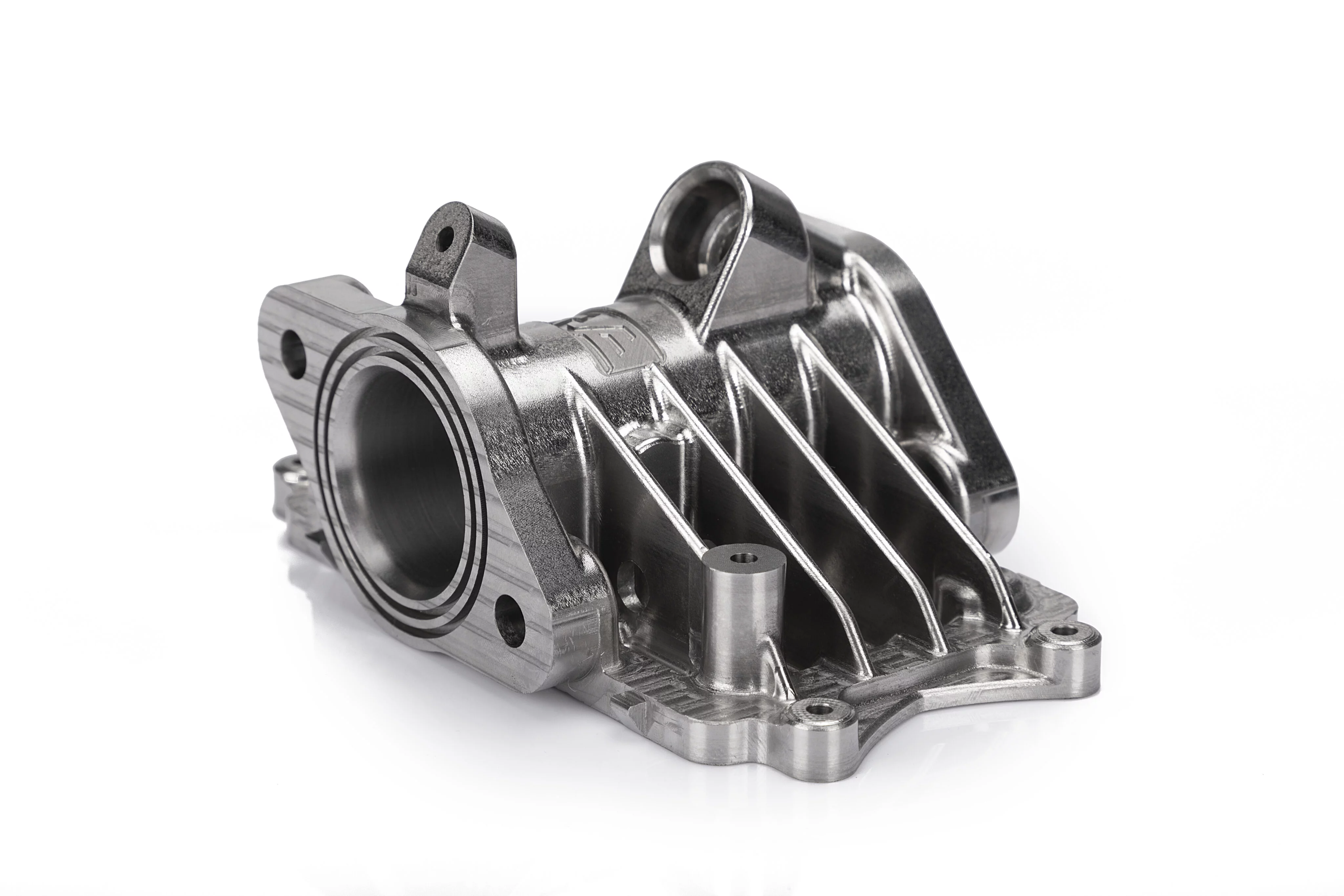
Steel is an alloy with high tensile strength and durability, commonly used in construction and automotive industries for its robustness.
Alloys
Steel 1018, 1020, 1025, 1045, 1215, 4130, 4140, 4340, 5140, A36
Die steel
Alloy steel
Chisel tool steel
Spring steel
High speed steel
Cold rolled steel
Bearing steel
SPCC

Stainless steel is renowned for its corrosion resistance, making it a prime choice for medical devices and food processing equipment.
Alloys
Stainless Steel SUS201
Stainless Steel SUS303
Stainless Steel SUS 304
Stainless Steel SUS316
Stainless Steel SUS316L
Stainless Steel SUS420
Stainless Steel SUS430
Stainless Steel SUS431
Stainless Steel SUS440C
Stainless Steel SUS630/17-4PH
Stainless Steel AISI 304
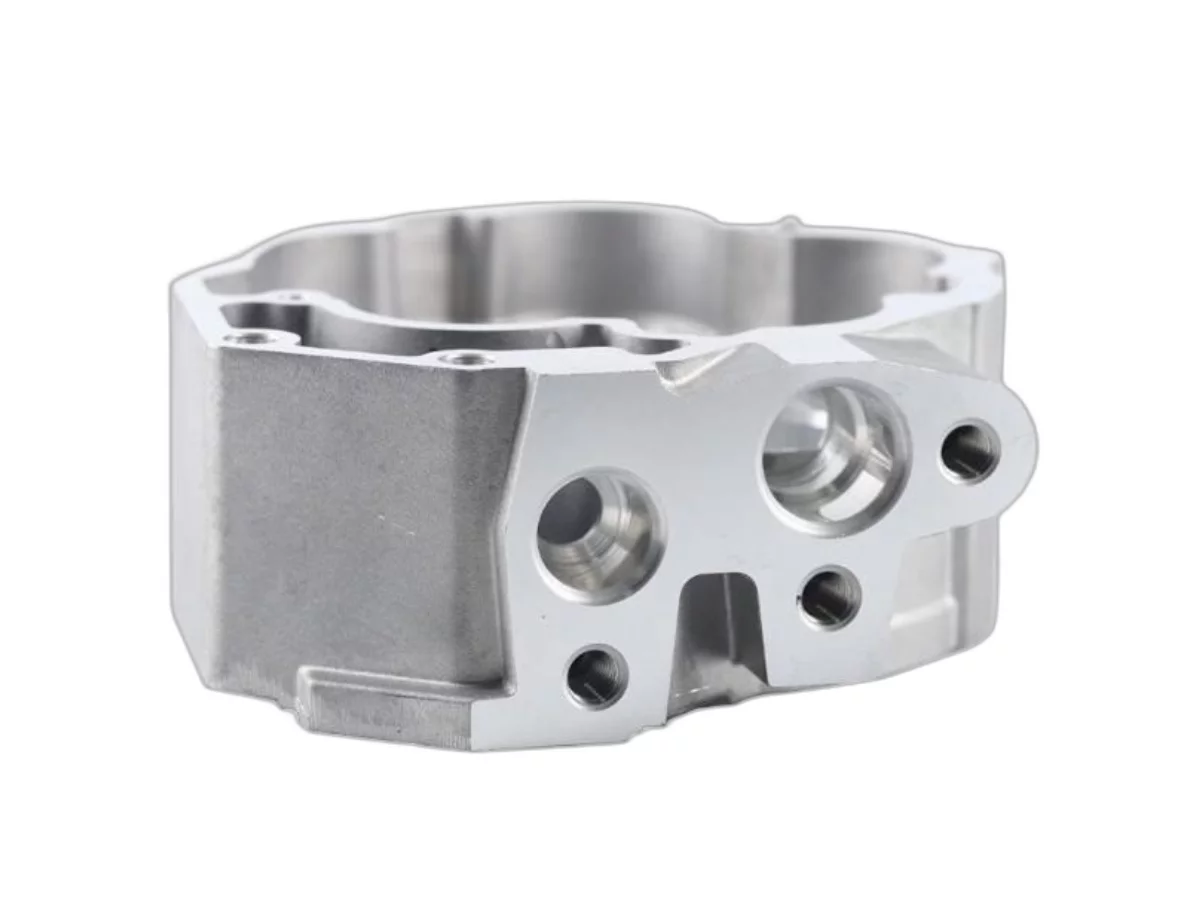
Magnesium is the lightest structural metal, offering high strength-to-weight ratios, perfect for automotive and aerospace applications where weight is critical.
Alloys
Magnesium Alloy AZ31B
Magnesium Alloy AZ91D
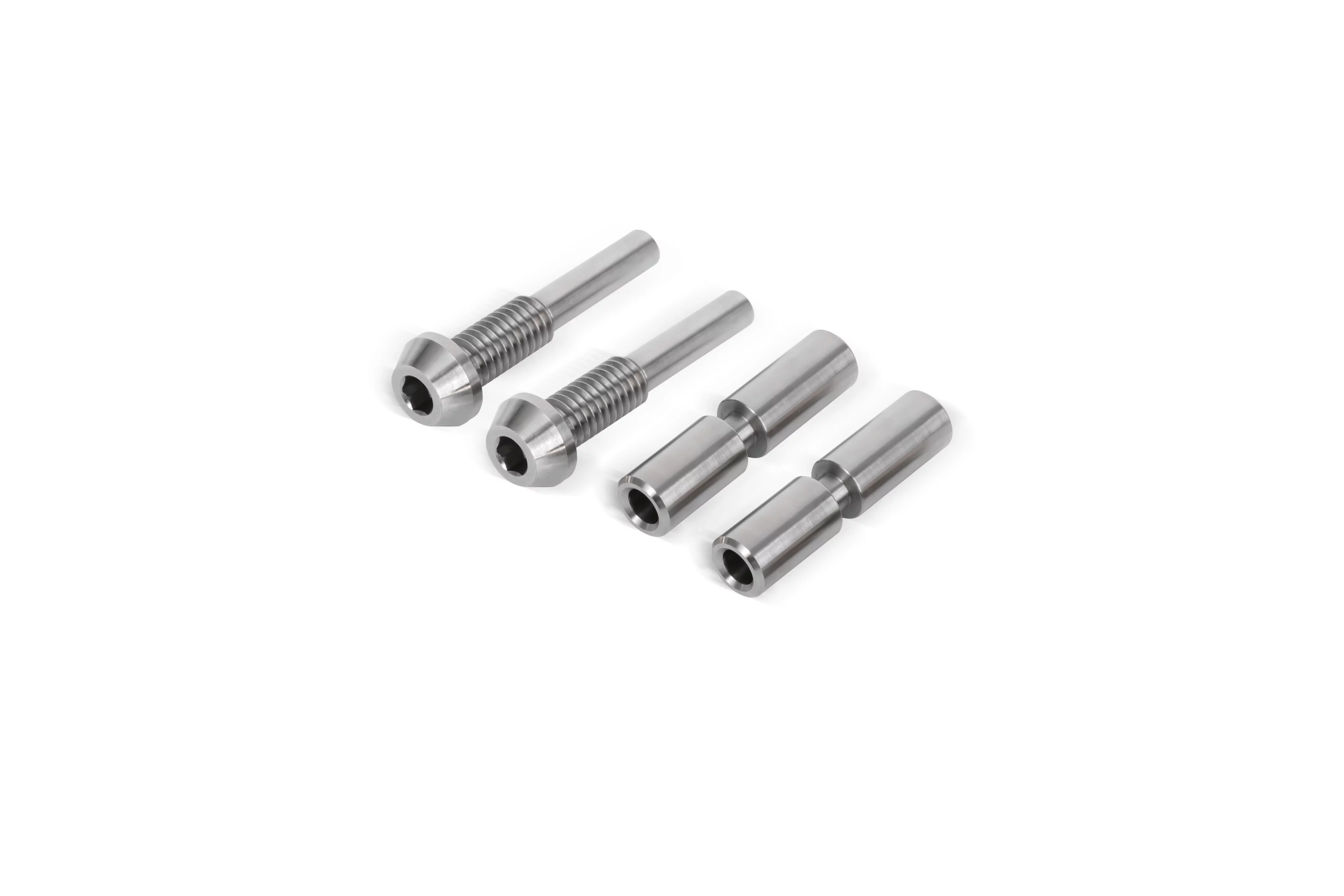
Titanium boasts the highest strength-to-density ratio among metals, highly resistant to corrosion and fatigue, ideal for aerospace, medical, and marine applications.
Alloys
Titanium Alloy TA1
Titanium Alloy TA2
Titanium Alloy TC4/Ti-6Al 4V
ABS is strong, durable, and offers good resistance to heat and impact. It’s preferred for automotive components and consumer goods.
ABS Beige(Natural)
ABS Black
ABS Black Antistatic
ABS Milky White
ABS+PC Black
ABS+PC White
Polycarbonate is extremely durable and has high impact resistance, along with excellent clarity, used for bullet-proof glass and protective gear.
PC Black
PC Transparent
PC White
PC Yellowish White
PC+GF30 Black

PMMA, or acrylic, is known for its crystal clarity and weather resistance, making it ideal for outdoor fixtures and display cases.
PMMA Black
PMMA Transparent
PMMA White
POM is strong, with a low friction surface and good dimensional stability, perfect for precision parts in mechanical applications.
Dark brown (coffee) POM 100AF
POM Black
POM Blue
POM White
Nylon is versatile, strong, and wears well against friction, commonly used for gears, bearings, and other wear-resistant surfaces.
PA(Nylon) Blue
PA6 (Nylon)+GF15 Black
PA6 (Nylon)+GF30 Black
PA66 (Nylon) Beige(Natural)
PA66 (Nylon) Black
Polyethylene is lightweight and has high resistance to impact, widely used in packaging and containers.
PE Black
PE White
PEEK is renowned for its high temperature resistance and strength, often used in aerospace and medical implant manufacturing.
PEEK Beige(Natural)
PEEK Black
Polypropylene is tough, has excellent chemical resistance, and is used for automotive parts, containers, and in packaging.
PP Black
PP White
PP+GF30 Black
HDPE is known for its high strength-to-density ratio, resistance to impacts, and is used in making bottles and corrosion-resistant piping.
HDPE Black
HDPE White
HIPS is easy to machine and offers good dimensional stability and impact resistance, suitable for prototyping and modeling.
HIPS Board White
LDPE is soft, flexible, and used in applications where heat sealing is required, such as in tubing and plastic bags.
LDPE White
PBT is a strong, rigid plastic that is heat resistant and commonly used in electrical components and casings.
PBT Black
PBT Milky White(Natural)
PPA offers high heat resistance and stiffness, ideal for automotive and electrical applications that require durability at high temperatures.

PAI has exceptional thermal and chemical stability, used in high-performance parts in aerospace and automotive sectors.
PAI Brown
PET is strong, resistant to moisture and chemicals, and widely used in food containers and textile fibers.
PET Black
PET White
PET+GF30 Black
PET+GF30 White
PPS features outstanding chemical and heat resistance, suitable for automotive and aerospace components.
PPS Black
PPS White
PPS+GF30 Black
PPS+GF30 White
Polystyrene is lightweight and easy to machine, used for models, prototypes, and low-strength applications.
PS Transparent
PVC is robust, cheap, and has good chemical resistance, used in plumbing, medical devices, and cables.
PVC Grey
PTFE is known for its outstanding chemical resistance and low friction, making it perfect for non-stick coatings and gaskets.
Teflon (PTFE) Black
Teflon (PTFE) White
UPE has extremely long chains, resulting in a very tough material, ideal for high-abrasion applications like lining chutes.
UPE Black
UPE White
Bakelite is heat resistant and electrically non-conductive, perfect for electrical insulators and radio and telephone casings.
Bakelite Black
Bakelite Orange
FR-4 is a flame-resistant material, primarily used in the electronics industry for circuit boards and insulators.
FR-4 Aqua Green
FR-4 Yellow
Aluminum is lightweight yet strong, with excellent machinability and corrosion resistance. Ideal for aerospace and automotive parts.
Alloys
Aluminum 6061, 6061-T6
Aluminum 2024
Aluminum 5052
Aluminum 5083
Aluminum 6063
Aluminum 6082
Aluminum 7075, 7075-T6
Aluminum ADC12 (A380)
Copper is known for its superior electrical conductivity and thermal properties, making it perfect for electrical components and heat exchangers.
Alloys
Copper C101(T2)
Copper C103(T1)
Copper C103(TU2)
Copper C110(TU0)
Beryllium Copper
Brass is durable and has a low friction coefficient, which makes it suitable for fittings, tools, and musical instruments that require precision.
Alloys
Brass C27400
Brass C28000
Brass C36000
Bronze is highly resistant to corrosion and metal fatigue, favored for bearings, bushings, and marine hardware.
Alloys
Tin Bronze
Steel is an alloy with high tensile strength and durability, commonly used in construction and automotive industries for its robustness.
Alloys
Steel 1018, 1020, 1025, 1045, 1215, 4130, 4140, 4340, 5140, A36
Die steel
Alloy steel
Chisel tool steel
Spring steel
High speed steel
Cold rolled steel
Bearing steel
SPCC
Stainless steel is renowned for its corrosion resistance, making it a prime choice for medical devices and food processing equipment.
Alloys
Stainless Steel SUS201
Stainless Steel SUS303
Stainless Steel SUS 304
Stainless Steel SUS316
Stainless Steel SUS316L
Stainless Steel SUS420
Stainless Steel SUS430
Stainless Steel SUS431
Stainless Steel SUS440C
Stainless Steel SUS630/17-4PH
Stainless Steel AISI 304
Magnesium is the lightest structural metal, offering high strength-to-weight ratios, perfect for automotive and aerospace applications where weight is critical.
Alloys
Magnesium Alloy AZ31B
Magnesium Alloy AZ91D
Titanium boasts the highest strength-to-density ratio among metals, highly resistant to corrosion and fatigue, ideal for aerospace, medical, and marine applications.
Alloys
Titanium Alloy TA1
Titanium Alloy TA2
Titanium Alloy TC4/Ti-6Al 4V
Gain access to quality surface finishing for custom CNC milled parts to remove aesthetic flaws and improve the appearance of your products. We also provide rigid protection and additional resistance and strength to your parts through superior surface finishes.
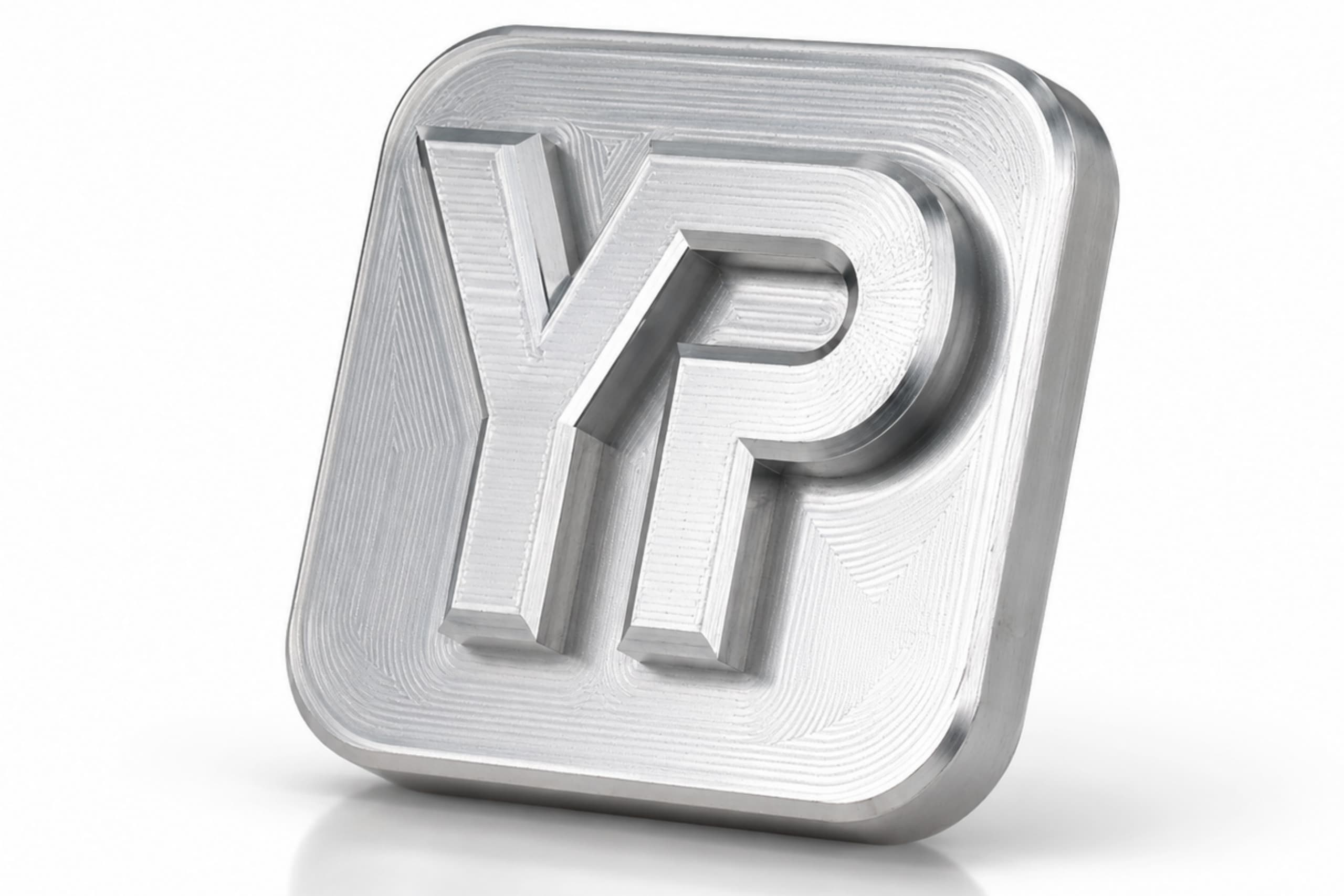









CNC milling tolerances define how precisely part dimensions are
controlled during machining.
Our precision CNC milling
services follow ISO 2768-m for metals and ISO 2768-c for plastics, delivering stable, repeatable
dimensional accuracy across 3-axis, 4-axis, and 5-axis CNC milling.
| 3-Axis | 4-Axis | 5-Axis | |
|---|---|---|---|
| Maximum Part Size | 3-Axis 1000 x 500 x 500 mm | 4-Axis 1000 x 500 x 500 mm | 5-Axis 4000×1500×600 mm |
| Minimum Part Size | 3-Axis 5 x 5 x 5 mm | 4-Axis 5 x 5 x 5 mm | 5-Axis 5 x 5 x 5 mm |
| General Tolerances | 3-Axis ±0.1 mm | 4-Axis ±0.1 mm | 5-Axis ±0.05 mm |
| Lead Time | 3-Axis Delivery of simple parts can be as fast as 1 day. | 4-Axis 5 bussiness days for most projects. | 5-Axis 5 bussiness days for most projects. |
| Recommended Size | |
|---|---|
| Radii | Recommended Size Internal radii should be at least 1/3 of the cavity depth. Use larger radii whenever possible. |
| Threads and Tapped Holes | Recommended
Size Diameter Φ 1.5-5 mm,
depth: 3 times the diameter. Diameter Φ 5 mm or larger, depth: 4-6 times the diameter. YP-MFG can produce threads of any specification and size as required by the customer. |
| Minumum Wall Thickness | Recommended Size For metals: 0.8 mm; For plastics: 1.5 mm. Thicker walls ensure better structural integrity. |
| Text | Recommended
Size CNC Milling: Minimum
width of 0.5 mm and depth of 0.1 mm. YP-MFG can create standard text via CNC engraving or laser engraving as per customer requirements. |
| Holes | Recommended Size Minimum diameter of 1 mm. Hole depth should not exceed 4 times the diameter for best results. |
Upload your CAD files and request a CNC milling quote, lead time estimate, and free manufacturability feedback from our engineering team. We’ll identify potential machining issues before production to help you reduce costs and improve part quality.

Our precision CNC milling services with tolerances as tight as
±0.01 mm.
Our
advanced CNC milling machines ensure consistent accuracy for custom metal and plastic
parts.
As a factory-direct CNC milling service supplier, we reduce lead
times without compromising quality.
Simple CNC milled parts can be delivered in as fast as 1 day.
As an experienced CNC milling company, our engineers provide DFM feedback and machining guidance to optimize designs for cuostom CNC milling services, helping reduce cost and improve manufacturability.
CNC milling uses computer-controlled rotating cutting tools to remove material from a stationary workpiece. By moving the cutting tool or workpiece along multiple axes, CNC milling produces flat surfaces, pockets, slots, holes, contours, and complex 3D geometries with high precision. It is widely used for prototypes, functional components, molds, fixtures, and production parts across various industries.
| Step | What Happens |
|---|---|
| 1 |
CAD Review |
| 2 | Machine
Setup The workpiece is securely clamped onto the machine table, cutting tools are installed, and the CNC program is loaded and verified. |
| 3 | Milling
& Inspection Rotating cutting tools remove material according to the programmed toolpaths. Finished parts are inspected to verify dimensions, tolerances, and surface quality before delivery. |
CNC milling offers numerous advantages for manufacturing:
CNC milling is widely used to produce a variety of precision parts and components:
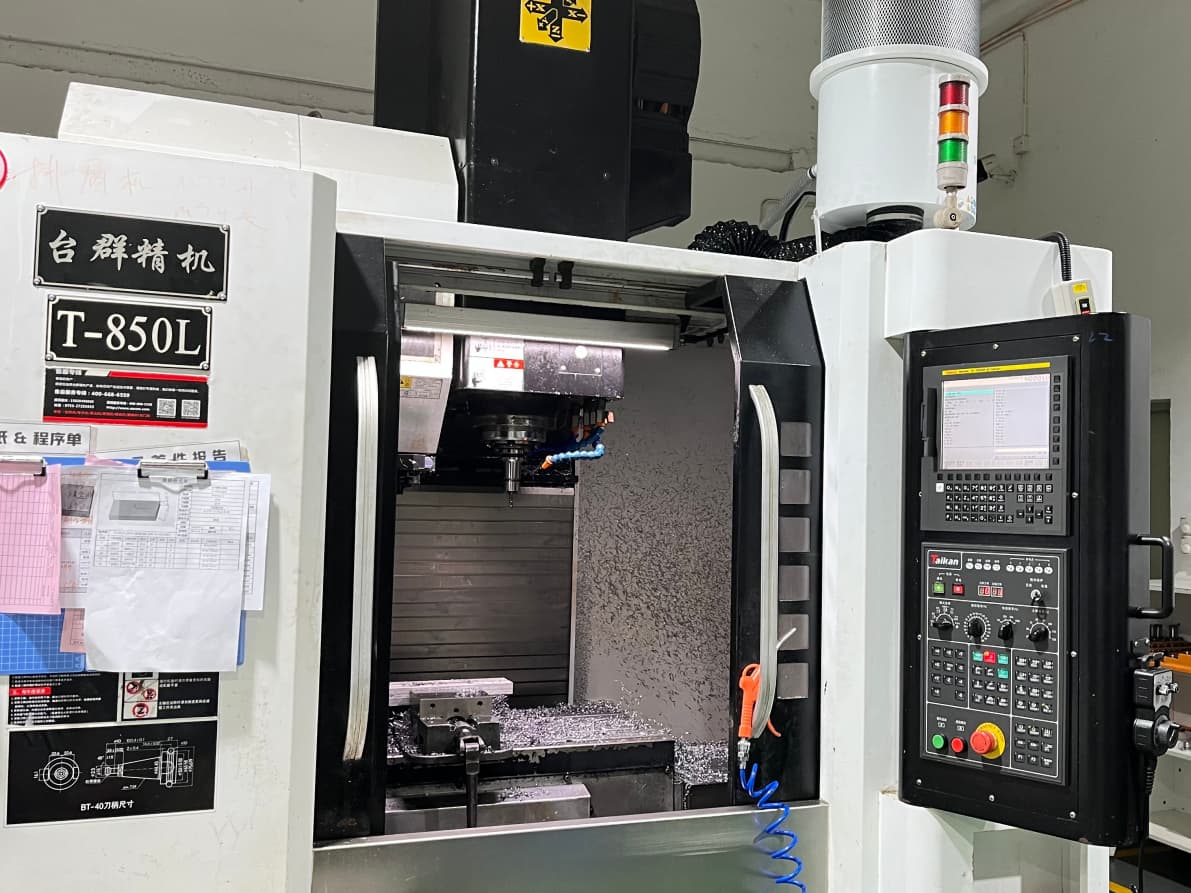
At YP-MFG, we have a variety of CNC milling machines to meet diverse manufacturing needs. Our inventory includes 3-axis, 4-axis, and 5-axis CNC milling machines.
The 3-axis machines are perfect for simple operations, handling basic cutting tasks along the X, Y, and Z axes.
Our 4-axis machines add an extra rotational axis, allowing for more complex geometries and more efficient production of parts with features that require continuous machining around a fourth axis.
Finally, our advanced 5-axis CNC milling machines offer the highest level of precision and versatility, enabling the creation of intricate parts with complex shapes and angles.
These machines are capable of machining in five different axes simultaneously, reducing the need for multiple setups and ensuring exceptional accuracy and quality in every component we produce.
Our CNC milling tolerances depend on machine type, material, and part geometry.
Standard tolerances follow ISO 2768-m (metals) and ISO 2768-c (plastics)
Typical general tolerances: ±0.1 mm
High-precision 5-axis milling can achieve tolerances as tight as ±0.01 mm for critical features
For tighter tolerances, we recommend specifying requirements directly on the drawing so our engineers can optimize tooling, inspection, and cost.
3-axis milling is ideal for simple geometries and flat features
4-axis milling enables machining around multiple sides with fewer setups
5-axis milling is best for complex geometries, tight tolerances, and parts requiring multi-angle machining
Choosing the right axis configuration can significantly reduce lead time and improve accuracy.
Lead times depend on part complexity and machining axis:
Simple 3-axis parts can be delivered in as fast as 1 day
Most CNC milling projects are completed within 5 business days
Expedited options are available for urgent production needs.
CNC milling is ideal for complex geometries, slots, pockets, and contours, while CNC turning is best suited for cylindrical parts such as shafts and bushings.
If your part includes both rotational and prismatic features, combining milling and turning may be the most efficient solution.
CNC milling is a subtractive manufacturing process where material is removed from a solid block using rotating cutting tools controlled by computer programs.
CNC milling is widely used to produce precision parts with complex geometries, tight tolerances, and consistent quality. It supports multi-axis machining (3-axis, 4-axis, and 5-axis), allowing features such as pockets, slots, holes, and complex contours to be machined efficiently.
At YP-MFG, CNC milling is commonly used for functional prototypes, low-volume production, and end-use parts across industries such as automotive, aerospace, and industrial equipment.
A CNC milling machine consists of several key components that work together to achieve precise machining results. The machine base provides structural stability, while the spindle rotates cutting tools at high speed to remove material. The worktable securely holds the workpiece and moves along the X, Y, and Z axes. Other essential components include the CNC controller, which interprets machining programs, the tool holder, automatic tool changer (ATC), coolant system, and workholding fixtures. Each component plays an important role in maintaining machining accuracy, surface quality, and production efficiency.
Design for Manufacturability (DFM) focuses on creating parts that are easier and more economical to machine. Simple design changes—such as increasing internal corner radii, avoiding deep pockets, maintaining adequate wall thickness, and specifying standard hole sizes—can significantly reduce machining time and tooling requirements. Applying realistic tolerances only where necessary also lowers inspection costs. Optimizing a design before production not only reduces manufacturing costs but also improves part quality and shortens lead times.
We use necessary cookies to keep this website working. With your permission, we also use analytics cookies to understand how visitors use our site and improve your experience. You can accept all cookies, use necessary cookies only, or manage your preferences.


