 English
  German
  Russian
  Japanese
  Korean
  Spanish
  French
  Italian
  Portuguese
 Quick answer:
Anodized color CNC turning parts combine precision-machined geometry with a durable, dye-colored anodizing process on aluminum. The service covers turning the part to tight dimensional tolerances,growing the anodize film, and dyeing it to your target shade. This combination is common in consumer electronics, automotive trim, and industrial hardware where both finish specification accuracy and dimensional control matter. The critical decision is matching your anodize class and color standard to the alloy grade before production starts.
If you need a specific color on a turned part and are unsure whether the anodize layer will hold that shade in real use, the answer depends on alloy choice, film thickness, and dye chemistry. YPMFG supports projects that require custom anodized parts with controlled color matching, from a single prototype to batch production.
What to Cover
Anodized Colors and Typical Applications
Specs to Confirm Before Ordering
Questions Buyers Often Ask
Choosing the Right Anodized Turning Service
Anodized Colors and Typical Applications
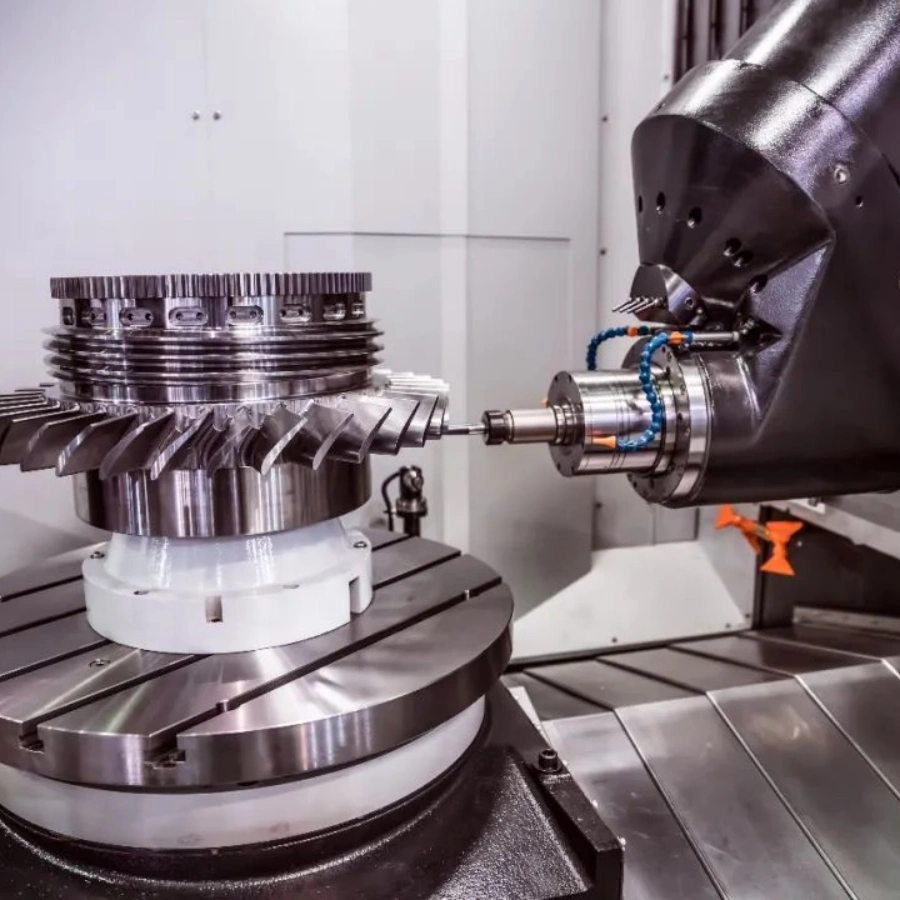
Color anodizing opens the aluminum oxide layer and locks dye molecules into its pores. The resulting finish is harder and more scratch-resistant than paint or powder coating. Most suppliers can reference RAL or Pantone color charts, though exact shade accuracy shifts with anodize thickness and alloy grade.
Practical note: darker and more saturated shades need thicker anodize films, which add radial dimension. Confirm the allowance with your machinist before releasing the drawing.
Specs to Confirm Before Ordering
Before sending a drawing to a CNC turning service, lock down these four items:
Alloy grade. 6061 and 7075 react differently to dye. 6061 typically gives more uniform color; 7075 can show slight variation.
Anodize thickness (µm). A 25 µm film adds roughly 12.5 µm per radial surface. Subtract this from your machined dimension.
Color reference. Specify RAL, Pantone number, or supply a physical sample. “Dark blue” is not a reproducible specification.
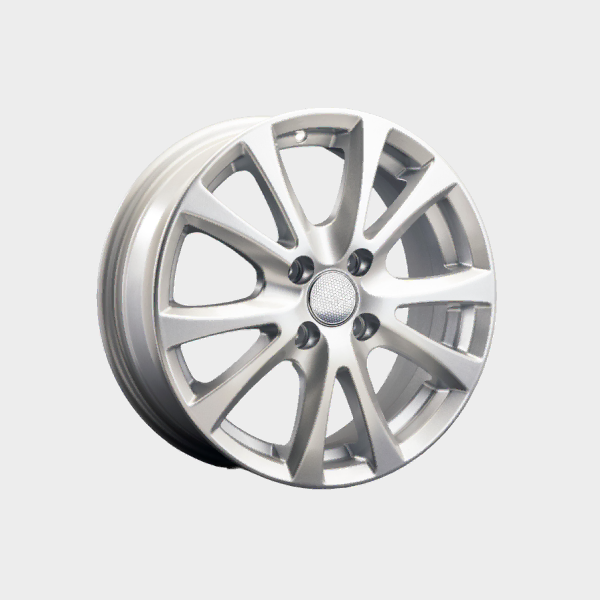
Sealing and post-treatment. Ask whether the anodize will be sealed and whether a clear topcoat is needed for UV or chemical resistance.
If your part faces a corrosive environment or has tight surface treatment requirements, request a short test coupon in the final color before committing to a full batch. This catches shade issues early and avoids reworking an entire run.
Questions Buyers Often Ask
Does anodizing change the part dimensions?
Yes. The oxide layer grows outward from the surface. For a turned part, the outer diameter increases by the full film thickness. Subtract the anodize allowance from your machined dimension so the finished part lands on spec.
Can I mix two anodized colors on one part?
Multi-zone anodizing is feasible but adds masking steps and labor. For aluminum turning parts with two colors, expect a longer lead time and a modest unit-cost increase. Verify the color boundary is geometrically possible at your part’s shape.
What is the minimum production run?
Most anodize lines work best at 500 or more pieces. Below that, batch scheduling drives the cost. If you need 50 units, ask whether the supplier can consolidate your order with other anodize jobs to spread setup time.
What if a batch color looks slightly off?
Minor shade drift is normal with organic dyes. Define an acceptable tolerance range—often within one shade step of your reference—and have the supplier log the batch number for full traceability.
Do anodized parts need special packaging?
Standard CNC turned parts should ship with anti-tarnish tissue or VCI paper. This prevents water-spotting and fingerprint transfer before the part reaches final assembly.
Choosing the Right Anodized Turning Service
The right fit comes down to three variables: your dimensional tolerance, your color consistency requirement, and your production volume. A supplier that handles precision turning and anodized color matching in-house removes the handoff risk between machining and surface treatment.
YPMFG can review your drawings, suggest the optimal alloy and anodize thickness, and provide a color sample for sign-off before production. Send your specifications or a physical sample to request a quote and an engineering assessment.