 English
  German
  Russian
  Japanese
  Korean
  Spanish
  French
  Italian
  Portuguese
 Quick answer:
The price of custom sheet metal fabrication for storage components typically ranges from $15 to $150+ per unit at production volumes. The final cost is shaped by material grade, part geometry, tolerance requirements, surface finish, order quantity, and whether dedicated tooling is required. Thin-gauge panels with simple bends sit at the lower end. Welded enclosures with tight tolerances and powder-coat finishes push toward the upper end. Before comparing quotes, define your CAD file format, quantity tiers, and acceptance criteria so every supplier prices the same scope.
If you’re budgeting for custom metal storage solutions—enclosures, brackets, panels, or mounting racks—pricing can feel unpredictable until you know which levers actually move the number. YPMFG works with buyers across industrial and commercial sectors who need transparent cost breakdowns before committing to a production run. The guide below covers key cost drivers, typical price bands, and how to get a firm quote in fewer rounds.
## What Drives the Cost of Custom Sheet Metal Fabrication
Several variables interact to set your final unit price. Understanding each one helps you make smarter trade-offs and avoid paying for features you don’t need.
Material grade. Aluminum 5052 is the default for indoor storage enclosures and brackets. Stainless steel 304 costs roughly 20-40% more per sheet. Mild steel A36 is the most budget-friendly option but needs additional corrosion protection for any wet or outdoor environment.
Complexity and features. Every added bend, weld seam, laser-cut detail, or hole pattern increases cycle time and labor cost. A flat mounting panel is straightforward to produce. A welded box with chamfered corners, internal ribs, and mounting flanges is a higher complexity tier that demands more setup and inspection.
Tolerance and finishing. Tighter dimensional tolerances (±0.005″ versus ±0.030″) raise inspection time and scrap rate. Surface treatments such as powder coat, anodizing, or sandblasting typically add $3 to $12 per part depending on size and color.
Quantity and tooling. At 1-50 units, each part is individually cut, bent, and welded. Above 200-500 units, dedicated forming jigs or stamping dies reduce per-unit labor but add an upfront tooling expense of $500 to $3,000 that you need to amortize.

Material price volatility is another factor worth tracking. Aluminum and steel prices fluctuate with commodity markets, so a quote received three months ago may not hold. Lock in pricing windows in your purchase order, especially for orders spanning more than 60 days.
Typical Price Ranges for Metal Storage Components
Use the table below as a rough budgeting reference. Actual pricing varies by supplier, region, and current material market conditions.
Prices assume standard lead times and no custom tooling. Always request an itemized quote that separates material, labor, finishing, and overhead so you can verify each line.
How to Get an Accurate Quote Faster
Sending the right information upfront cuts back-and-forth and gets you a firm number in fewer rounds.
Provide a 3D CAD file (STEP, IGES, or SolidWorks) with critical dimensions clearly noted.
State your target quantity and any planned volume increases over the next 12 months.
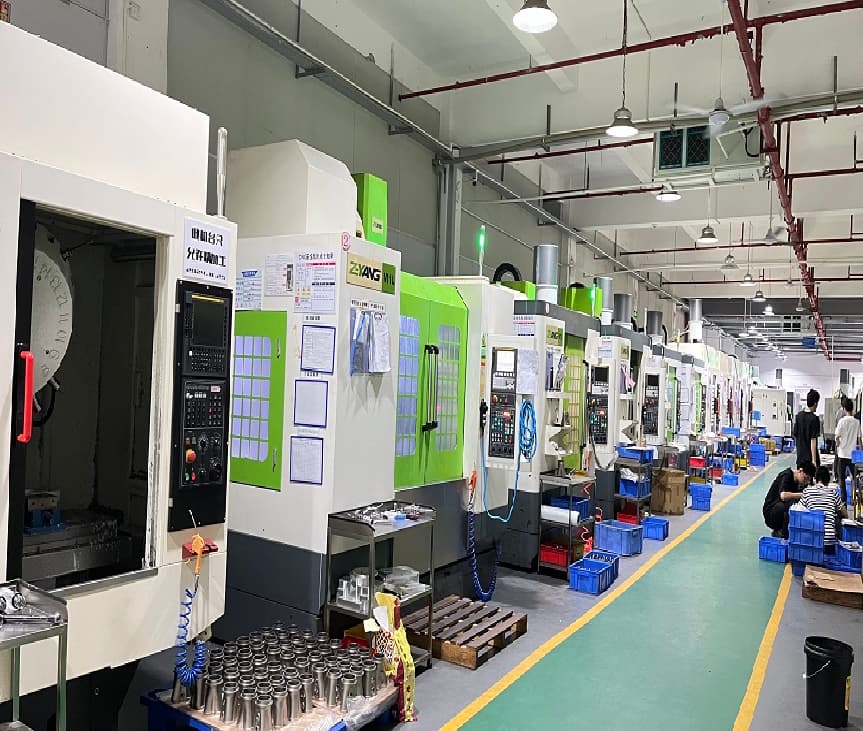
Specify material grade,minimum wall thickness, and which faces require tight tolerances.
List the required surface finish and any regulatory or client-specific markings.
Define acceptance criteria: visual inspection, dimensional check, or functional test.
A well-structured quote will itemize material cost, forming and welding labor, surface finishing, inspection, packaging, and shipping. If a supplier provides only a lump-sum number, ask for the breakdown. YPMFG’s standard quotation format includes per-operation labor hours, material cut list, and tolerance class so you can verify each line against your own estimates.
## Common Questions About Sheet Metal Fabrication Pricing
Does a higher material grade always mean better value?
Not necessarily. Aluminum 5052 covers most indoor storage applications at a lower cost than 304 stainless. Upgrade to stainless only when corrosion exposure, cleanroom requirements, or client specifications demand it.
How does order quantity affect per-unit cost?
Per-unit cost typically drops 30-60% between 50 and 500 units as setup and tooling costs spread across more parts. Beyond 1,000 units, a process shift from laser cutting to stamping may reduce pricing further.
What if my design isn’t final yet?
Send your preliminary geometry. A fabrication partner can suggest practical design simplifications—fewer bends, standardized hole patterns, unified wall thickness—that lower cost without sacrificing function.
Do I pay for tooling separately?
Laser-cut and folded parts usually don’t need dedicated tooling. Stamped or deep-drawn storage components may require a custom die costing $500 to $3,000, amortized over the production run.
Can I combine multiple part numbers in one order to reduce cost?
Yes. If your storage system uses brackets, panels, and trays in similar materials and finishes, bundling them into one order reduces changeover time and can lower the blended per-part cost by 10-20%.
## Choosing the Right Fabrication Partner for Your Storage Project
A clear cost breakdown and responsive engineering support make the difference between a smooth production run and costly rework cycles. If you have a design in hand or are still in the concept phase, send your specifications to YPMFG for a detailed quote and engineering review. The team will confirm manufacturability, suggest material alternatives that fit your budget, and provide supporting documentation before you commit to a full order.