 Spanish
  English
  German
  Russian
  Japanese
  Korean
  French
  Italian
  Portuguese
 Respuesta rápida:
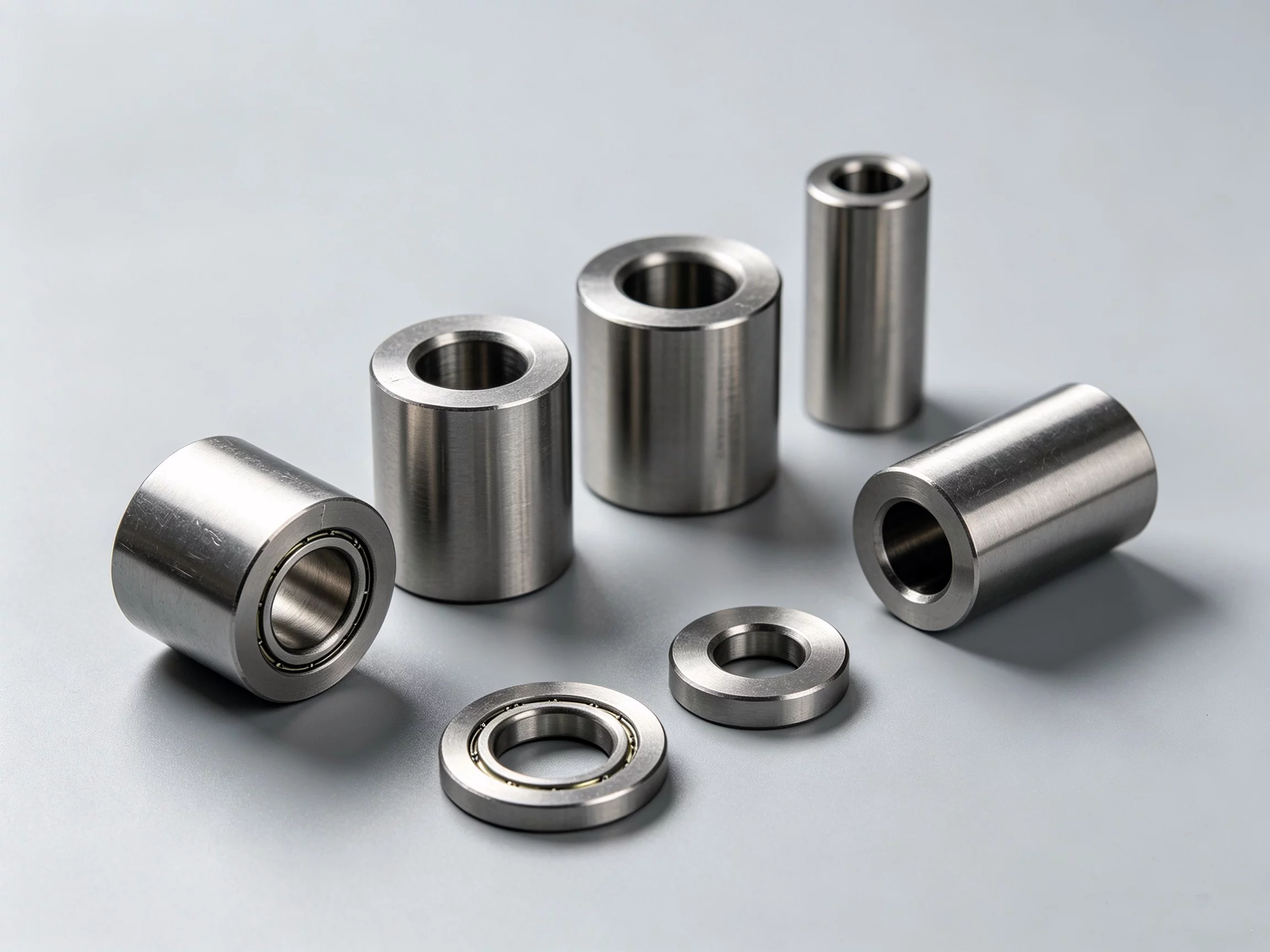
Factory custom CNC brass machining means a manufacturer produces brass parts to your exact drawing—dimensions, tolerances, thread type, finish—rather than selling off-the-shelf components. Unit price is driven by part geometry, volume, tolerance level, and any post-machining steps such as plating. For most buyers, cost per piece drops sharply above 500 units, while a 50-piece trial run is the standard first step to validate fit and finish before committing to full production.
Si estás buscando proveedores custom brass CNC parts for a new product or replacing an existing supplier, the hidden risks are usually tooling surcharges, tolerance mismatches, and unclear lead times. This guide breaks down what actually drives pricing,which specs to lock in before requesting a quote, and how to evaluate a Mecanizado CNC partner for brass work.
What Factory Custom Brass Mecanizado CNC Covers
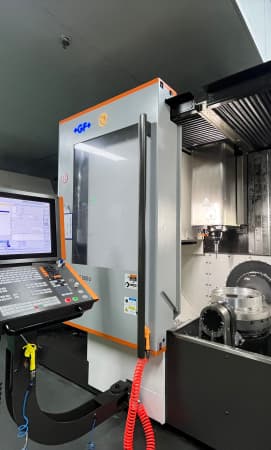
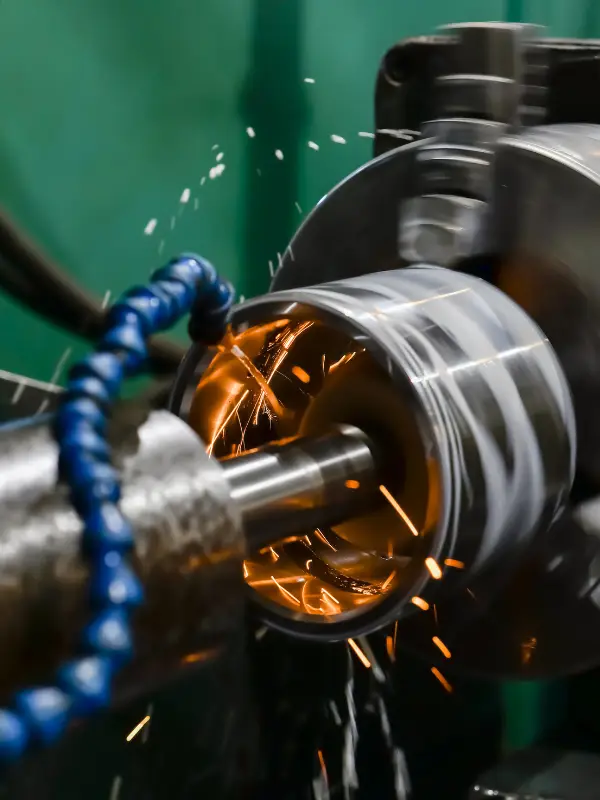
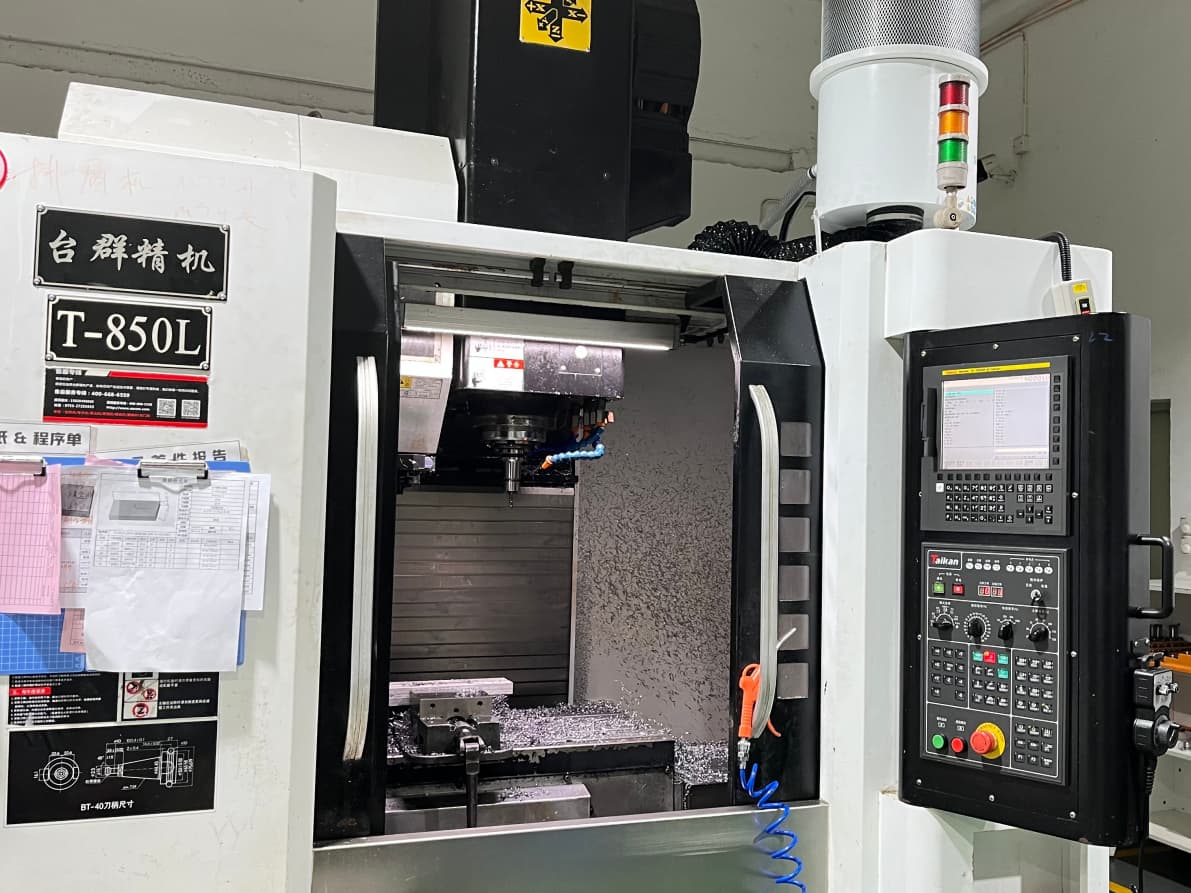
A typical brass CNC job starts with your 2D drawing or 3D CAD file. The factory programs the part, selects the right brass alloy (most commonly C360 for free-machinability), and runs the part on a 3-axis Fresado CNC center or Torneado CNC lathe.
Depending on part complexity, the process chain may include:
Drilling, tapping, and face milling
Chamfering and deburring
Surface finish: raw, bead blast, or chemical plating
Final dimensional check with CMM or calibrated micrometers
Tolerance capability for standard brass parts usually ranges from ±0.05 mm to ±0.01 mm, depending on geometry and batch size. Tighter tolerances on internal features often require a 5-axis setup, which adds fixture time and extends lead time by several days.
What Actually Drives Your Unit Cost
Before you compare quotes, understand where the money goes. The table below summarizes the main cost levers and what you can control on your side.
A common mistake is requesting full dimensional inspection on every single part. For production runs above 1,000 pieces, AQL sampling per ANSI/ASQ Z1.4 typically cuts inspection cost by roughly 40% while keeping defect rates under 1%. YPMFG can recommend the right inspection level for your quality tier once you send your drawing for engineering review.
Choosing a Brass CNC Machining Partner
A few specific checks separate a competent Fabricante de piezas CNC from a risky one. Before you place a bulk order:

Ask for a sample of a previous part in similar geometry and tolerance class.
Confirm whether the factory uses an in-house quality lab or outsources CMM measurement.
Solicitar un PPAP or first-article inspection report for your design before bulk production starts.
Verify material traceability: each batch should carry a mill test certificate for the brass rod or bar used.
Lead time is the second most frequent source of disputes. A realistic timeline for a 500-piece brass part is 15–25 days after drawing approval, excluding custom tooling if a special fixture is required. Always get the tooling lead time confirmed in writing before the production clock starts.
Common Questions Before You Order
Do I need to specify the brass alloy, or can the factory choose?
For most functional parts, C360 free-machining brass is the default. If your application demands higher conductivity or better corrosion resistance, C387 or C464 may be more appropriate. State the grade explicitly on your drawing to avoid silent substitution.
What tolerance can I expect at low volume, say 100 pieces?
±0.05 mm is standard on a 3-axis mill at that quantity. Going below ±0.02 mm typically requires a 5-axis setup or a multi-stage process, adding 5–8 days to lead time and a small cost premium.
Is plating necessary for brass parts in outdoor or high-humidity use?
In many cases, yes. Raw brass oxidizes within 6–12 months in coastal or humid environments. A 0.5–1 µm nickel-chrome or clear lacquer finish typically extends service life to five years or more.
How do I lower my per-unit cost without sacrificing quality?
Simplify unnecessary geometry, relax tolerances on non-critical dimensions, and increase batch size. A 500-piece order often cuts unit cost by 20–35% versus 50 pieces, mainly through reduced setup amortization.
Getting Your Brass Part From Drawing to Production
The path from drawing to finished brass components is straightforward if you lock specifications early. Send your CAD file or 2D drawing to YPMFG with your target tolerance, quantity, and finish. The engineering team reviews geometry, flags any manufacturability concerns, and returns a firm quote with lead time within two business days.
If you are still comparing options, start with a 50-piece prototype batch. That single step validates fit, finish, and process before you commit to a production run—and it usually saves more money than any negotiation on unit price alone.