 Spanish
  English
  German
  Russian
  Japanese
  Korean
  French
  Italian
  Portuguese
 Respuesta rápida:
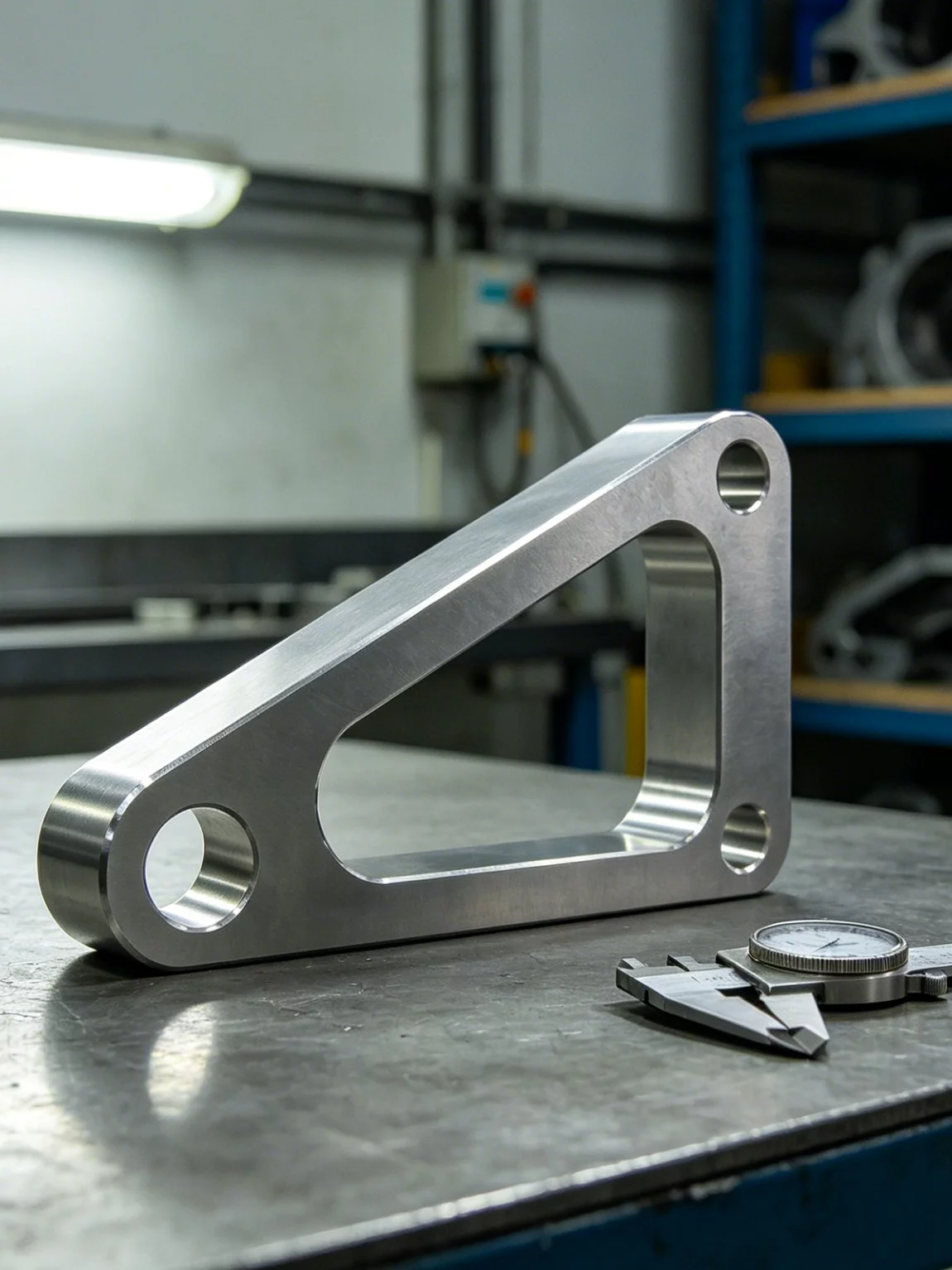
Precision CNC milling parts are components produced through computer-controlled three-, four-, or five-axis milling operations, typically achieving dimensional tolerances between ±0.01 mm and ±0.05 mm. The word “precision” refers to consistent repeatability, controlled surface finish, and adherence to specified GD&T callouts rather than a single fixed number. Buyers should match tolerance requirements to actual part function before specifying, because requesting ±0.005 mm on a non-critical feature adds machining time and cost without improving performance.
When procurement teams specify “milling parts, precision CNC machining parts” without defining what precision means for each feature, the result is often rework, rejected batches, or unnecessary spending. YPMFG supports buyers by reviewing drawings and clarifying tolerance, material, and surface finish requirements before production starts.
What “Precision” Means in CNC Milling Parts
Precision is not a single tolerance value. It describes the overall dimensional accuracy, geometric control, and surface quality of a finished part. How a machinist interprets “precision” depends heavily on the operation and the drawing callouts.
Three factors define the precision level of a milled component:
Tolerancia dimensional – the allowable deviation from nominal size on each critical feature
GD&T callouts – positional, concentricity, and flatness requirements that control how features relate to one another
Acabado superficial – measured in Ra or Rz values, affecting wear behavior, fit quality, and visual acceptance
A part marked simply “precision” with no specified tolerance leaves interpretation to the shop floor, which creates risk. Always reference tolerance standards and specific callouts on your drawing before release.
Tolerance Ranges and Their Cost Impact
Tighter tolerances increase machining time, tool wear, and inspection effort. The table below shows typical tolerance bands and what they mean for your project budget.
Cost increases are not linear. Moving from ±0.05 mm to ±0.02 mm can raise machining time by 40 to 60 percent because of slower feed rates, additional setups, and tighter inspection cycles. Coste del mecanizado CNC is driven heavily by how many features require the tightest tolerance band.
Only the features that affect assembly, function, or safety need the tightest tolerance. Applying ±0.01 mm across every dimension inflates cost without adding value.
Material Selection for Milling Parts
Material choice affects machinability, part weight, corrosion resistance, and final application performance. The right grade depends on load, environment, and regulatory requirements.
Common choices include:
Aluminum alloys (6061, 7075) – lightweight, fast to mill, well suited for prototypes and non-load-bearing fixtures
Stainless steel (304, 316) – corrosion-resistant, harder to cut, longer cycle times
Titanium (Ti-6Al-4V) – aerospace and medical grade, extremely slow to machine, highest material and labor cost
Engineering plastics (PEEK, Ultem) – chemical resistance, low friction, limited load capacity

Selecting the wrong material creates downstream problems that no amount of machining precision can fix. Verify material grade, heat treatment condition, and certificación de materiales requirements with your engineer before releasing a purchase order.
## Common Mistakes When Ordering Precision Milling Parts
Most rejected batches trace back to specification gaps rather than machining errors. The mistakes below account for the majority of rework claims in CNC machining projects.
Missing GD&T on critical interfaces. The shop applies default tolerances, which may not match your functional intent. This is the single most frequent cause of rejected parts.
Over-specifying surface finish. Requesting Ra 0.8 on a hidden interior surface adds cost with zero functional benefit.
Vague material callouts. Writing “stainless steel” instead of specifying 304 or 316 leaves the supplier to choose, which may not meet your corrosion or strength needs.
No inspection method defined. Without stating whether you accept CMM data, optical measurement, or go/no-go gauges, disputes are inevitable at delivery.
Reviewing your drawing against a CNC machining drawing checklist before submission catches most of these issues early.
Preguntas frecuentes de los compradores
What is the smallest feature size a CNC mill can produce reliably?
It depends on tool diameter, spindle speed, and part thickness. Features around 0.2 mm are achievable with micro-milling tools, but cycle time and cost rise sharply below 0.5 mm.
Do I need to specify surface finish on every face?
No. Specify finish values only on functional or visible surfaces. Unspecified faces default to a standard finish, which keeps cost lower without affecting performance.
How do I verify a supplier met my tolerance spec?
Request CMM inspection reports or first-article inspection data with each batch. Confirm that measurement equipment calibration dates fall within your acceptance window before signing off.
Can I mix materials in one milling order?
Yes, but each material change adds setup time. Grouping parts by material minimizes changeovers and reduces manufacturing lead time across the batch.
What happens if my drawing lacks any GD&T callouts?
The supplier applies standard shop tolerances, which may not match your functional intent. This is the most common source of delivery disputes.
Making a Smarter Decision on Milling Parts
The biggest risk in ordering precision CNC milling parts is leaving specification gaps to default assumptions. Before you release a PO, confirm tolerance bands, material grade, surface finish, and inspection method on every critical feature.
You can send your drawings and specifications to YPMFG for a pre-production engineering review. The team will flag ambiguous callouts, recommend tolerance adjustments that protect your budget, and confirm whether your part is best suited for Fresado CNC or would benefit from an alternative process. A short review conversation often prevents a costly production delay.