 Spanish
  English
  German
  Russian
  Japanese
  Korean
  French
  Italian
  Portuguese
 Respuesta rápida:
Custom extruded black industrial aluminum profiles are typically made from 6000-series aleaciones de aluminio (like 6061 or 6063) and feature a black anodized or powder-coated surface finish for corrosion resistance and aesthetics. They are widely used in automation equipment, machine frames, structural enclosures, and OEM manufacturing where weight, strength, and visual appearance matter. YPMFG supports custom extrusion projects including engineering consultation, drawing review, sample production, and bulk manufacturing with consistent color matching and tolerances.
Engineers and procurement teams often face a recurring challenge: standard aluminum profile catalogs don’t match the specific dimensional, material, or surface requirements of a given project. Buyers need to understand what drives quality differences in black aluminum extrusions — and how to evaluate a supplier beyond price alone.
This guide breaks down the technical fundamentals, common specifications, and practical selection criteria for custom extruded black industrial aluminum profiles. It is intended to help engineering and sourcing teams make informed purchasing decisions.
Material Selection for Black Aluminum Extrusions
The alloy choice determines mechanical performance. Most industrial black profiles use 6061 or 6063 aluminum, though other alloys may be specified for specialized applications.
6063 aluminum is the most common choice for general-purpose extrusions. It offers good extrudability, moderate strength, and excellent surface finish quality. This alloy is suitable for frames, enclosures, and decorative structural applications.
6061 aluminum provides higher strength and better machinability. It is preferred when the profile requires post-extrusion cutting, drilling, tapping, or welding. Projects involving load-bearing joints or precision mechanical interfaces often specify this alloy.
Other alloys such as 6005A or 6082 may be used depending on regional sourcing preferences or specific mechanical requirements. The correct alloy selection should be verified against the engineering specifications before placing an order.
When reviewing a supplier’s capability, ask about their alloy certification process and whether they provide material test reports (MTR) with each shipment.
Surface Finish Options for Black Aluminum Profiles
The black appearance on aluminum profiles is achieved through one of two primary processes: black anodizing o black powder coating. Each method has distinct advantages and limitations.
Black anodizing creates a durable, integrally bonded oxide layer on the aluminum surface. It is ideal for applications requiring wear resistance, corrosion protection, and consistent color across large production runs. Anodized finishes typically maintain color accuracy within a ±10% tolerance band when compared to a master reference sample.
Black powder coating applies a dry polymer powder that is cured under heat. It offers slightly thicker coverage and can fill minor surface imperfections. Powder coating is often selected for outdoor equipment or environments where chemical exposure is a concern.
Some projects require a combination approach: anodizing for base protection followed by powder coating for enhanced durability. In those cases, the substrate preparation and intercoat adhesion become critical quality factors.
Key finish parameters to specify include:
Anodize thickness: typically 10–25 micrometers for industrial applications
Color tolerance: delta E value compared to reference standard
Salt spray resistance: minimum 500 hours for anodized; 1000+ hours for coated
Hardness: cross-hatch adhesion rating per ASTM D3359
Critical Dimensions and Tolerance Standards
Dimensional accuracy varies depending on extrusion method, alloy, and profile complexity. Understanding industry tolerance standards helps buyers set realistic expectations and avoid costly rework.
For standard aluminum extrusion tolerances, the ASTM B221 and EN 12020 standards define acceptable deviation ranges based on profile width and cross-sectional geometry. General tolerance for linear dimensions typically falls within ±0.5mm to ±1.0mm for most industrial profiles.
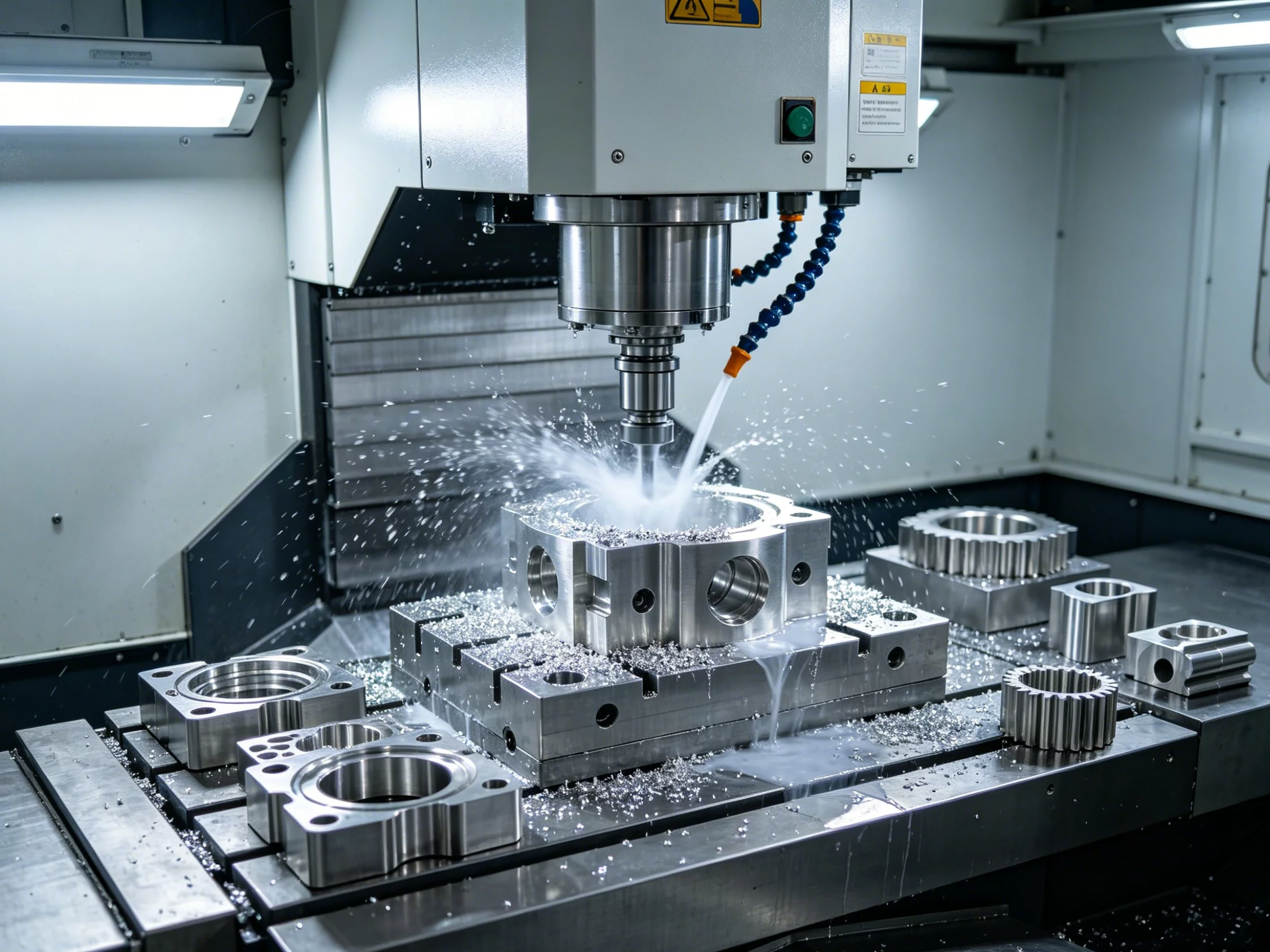
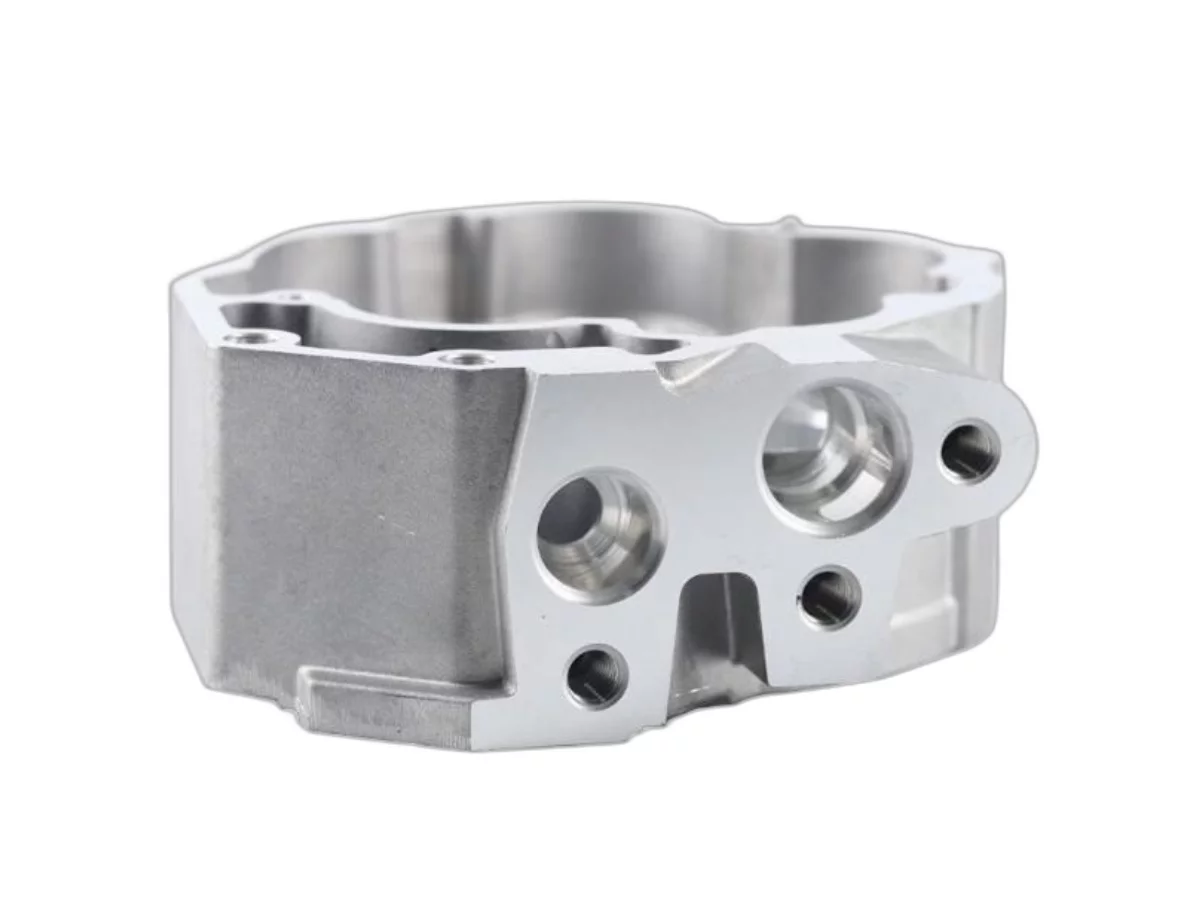
More demanding applications may require tighter tolerances, especially when mating surfaces or precision fits are involved. In those cases, Mecanizado CNC after extrusion is often necessary to achieve final dimensional accuracy.
When evaluating a supplier’s capability, review the following points:
Tolerance capability for your specific profile geometry
Whether they perform inline or post-extrusion Servicios de mecanizado CNC
Their coordinate measuring machine (CMM) inspection process
First article inspection (FAI) documentation for new projects
Clear communication of tolerance requirements during the quoting stage prevents downstream quality disputes.
Design and Engineering Support During the Quoting Process
Submitting a well-defined engineering package significantly reduces quote turnaround time and improves accuracy. Incomplete or ambiguous drawings often lead to misaligned expectations between buyer and manufacturer.
The ideal design package includes:
A complete 2D drawing with all critical dimensions and tolerances
3D CAD file in a standard format (STEP or IGES preferred)
Specified material alloy and temper condition
Surface finish requirement with color reference if applicable
Required post-extrusion operations (cutting, drilling, tapping, etc.)
Annual or total projected volume
Suppliers with strong engineering evaluation services will review your drawings for extrusion feasibility before confirming pricing. They may identify design elements that could cause defects during production — such as overly thin walls, sharp internal corners, or inconsistent section thicknesses — and recommend modifications that maintain function while improving manufacturability.
This collaborative review step is one of the most valuable aspects of working with an experienced manufacturer. It often prevents costly tooling changes and production delays later in the project lifecycle.
Sample Production and Quality Verification
Before committing to full-scale production, many buyers request sample prototyping to verify dimensional accuracy, surface finish quality, and material properties against their requirements.
A typical sample order process involves:
1. Submitting drawings and specification requirements
2. Receiving a sample quotation with lead time and cost
3. Approving the sample order and any required fixture or tooling
4. Receiving physical samples with inspection documentation
5. Conducting incoming quality inspection or sending to a third-party lab
YPMFG supports this workflow by offering sample production for custom black aluminum profiles. Buyers can submit their specifications and receive a formal engineering assessment along with a sample schedule. This approach minimizes risk for both parties and ensures alignment before mass production begins.
When evaluating sample quality, check:
Dimensional verification against your drawing
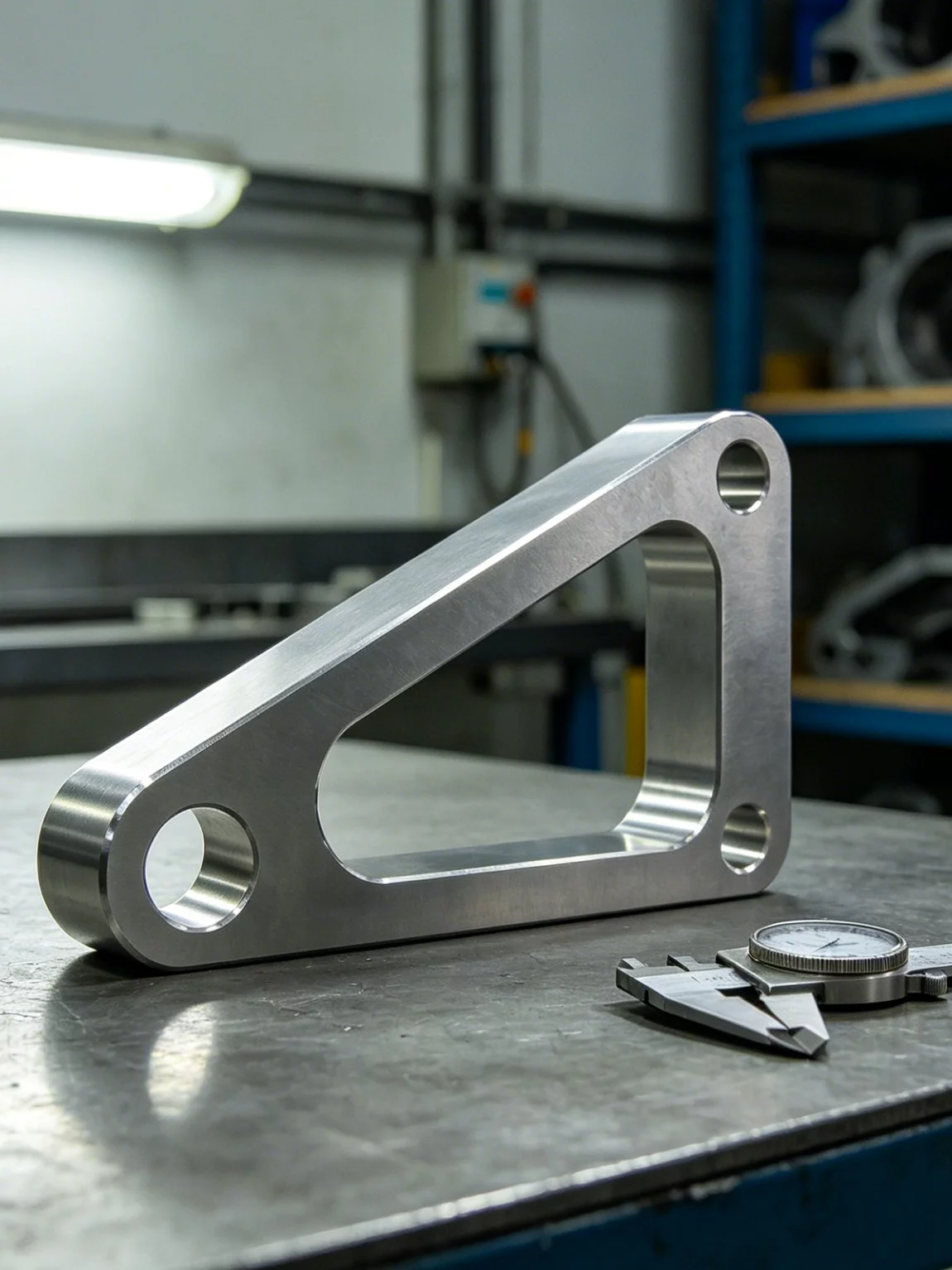
Color consistency across multiple sample pieces
Surface finish integrity (no peeling, bubbling, or discoloration)
Material hardness confirmation if relevant to your application
Cost Factors in Custom Black Aluminum Profile Manufacturing
Understanding what influences pricing helps buyers evaluate quotes more effectively and negotiate from a position of technical knowledge.
Several factors directly impact the unit cost of custom extruded black industrial aluminum profiles:
Profile complexity: Intricate cross-sections with thin walls or internal webs require more precise extrusion control and may have lower production throughput.
Alloy selection: 6061 is generally more expensive than 6063 due to higher magnesium and silicon content.
Extrusion length: Longer lengths may require larger pressing equipment and affect yield rates.
Surface finish process: Anodizing and powder coating each have distinct cost structures based on batch size and part geometry.
Post-extrusion operations: Fresado CNC, drilling, tapping, and deburring add labor and machine time costs.
Order volume: Larger volumes typically reduce per-unit cost through improved extrusion efficiency and material utilization.
Quality documentation requirements: Projects requiring full traceability, CMM reports, or third-party testing will incur additional administrative and laboratory costs.
Price should never be evaluated in isolation. The total cost of ownership includes scrap rates, rework incidents, and delivery reliability — factors that experienced manufacturers manage through process control and quality systems.
Compliance,Certification, and Documentation
Industrial buyers in regulated industries often require suppliers to maintain recognized quality certifications and provide complete documentation with each shipment.
Common certifications relevant to aluminum extrusion manufacturers include ISO 9001 for quality management systems. Some projects in aerospace, automotive, or medical device sectors may require additional compliance verification.
Standard documentation provided with orders typically includes:
Mill test reports confirming alloy composition and mechanical properties
Dimensional inspection reports for sampled or lot-tested parts
Material certifications traceable to the original heat number
Surface finish verification records
Packing and shipping documentation
Suppliers that maintain structured documentation processes reduce audit risk and simplify quality review for incoming materials.
Comparing Suppliers: What to Evaluate Beyond Unit Price
A structured supplier evaluation framework helps buyers avoid selections based solely on low unit pricing, which often masks downstream quality or delivery risks.
Use this checklist when comparing potential suppliers for custom black aluminum profiles:
[ ] Engineering team responsiveness and technical feedback quality
[ ] Ability to conduct extrusion feasibility reviews before tooling commitment
[ ] Sample production lead time and sample quality consistency
[ ] In-process quality control methods (CMM, optical inspection, hardness testing)
[ ] Finished product inspection scope and documentation completeness
[ ] Production capacity and on-time delivery track record
[ ] After-sales support availability for quality disputes or design changes
[ ] Willingness to provide material test reports and certifications
Each criterion carries different weight depending on project scale and application criticality. High-volume projects demand robust quality systems and capacity; smaller prototype runs benefit most from engineering support and fast iteration cycles.
Common Questions About Custom Black Aluminum Profiles
What is the typical lead time for custom extruded aluminum profiles?
Lead time depends on whether existing or new tooling is required. Standard extrusion dies can be manufactured in 15–25 working days. Once tooling is approved, production lead time typically ranges from 20 to 40 working days depending on order volume and surface finish requirements.
Can you match a specific RAL or Pantone color for black anodized profiles?
Color matching is possible within standard tolerance ranges. For anodized finishes, suppliers typically compare against a physical master sample or RAL reference. Delta E values are used to quantify color difference, and agreements are documented before production begins.
What is the minimum order quantity for custom extrusions?
Minimum order quantities vary by supplier and profile complexity. Some manufacturers accept smaller runs for prototype orders, while standard production typically requires larger volumes to justify die setup and line scheduling. This should be confirmed during the initial inquiry.
Do you provide CNC machining services after extrusion?
Many extrusion manufacturers offer post-processing services including CNC milling, drilling, tapping, and finishing. These services allow buyers to receive near-final components rather than raw extruded stock, reducing their own machining burden.
How do I request a quote for a custom aluminum profile project?
Submit your engineering drawings, material specifications, surface finish requirements, and estimated annual volume to the supplier. Include any special testing or documentation needs. The supplier should respond with a technical review, pricing, and recommended next steps.
What happens if the delivered profiles fail my quality inspection?
Reputable suppliers have defined procedures for handling quality discrepancies. These typically include root cause analysis, replacement or rework options, and process corrective actions. Clear quality agreements established before production begins protect both parties.
Tomar una mejor decisión a largo plazo
Selecting the right supplier for custom extruded black industrial aluminum profiles requires balancing technical capability, quality consistency, and project support — not just unit pricing. A supplier that invests time in engineering review, sample validation, and clear documentation reduces risk across the entire procurement cycle.
YPMFG supports engineers and procurement teams through every stage of a custom profile project, from initial drawing review and material selection to sample production, quality verification, and ongoing manufacturing support. Buyers can send their specifications to YPMFG for an engineering evaluation and competitive quotation.