 Italian
  English
  German
  Russian
  Japanese
  Korean
  Spanish
  French
  Portuguese
 Risposta breve:
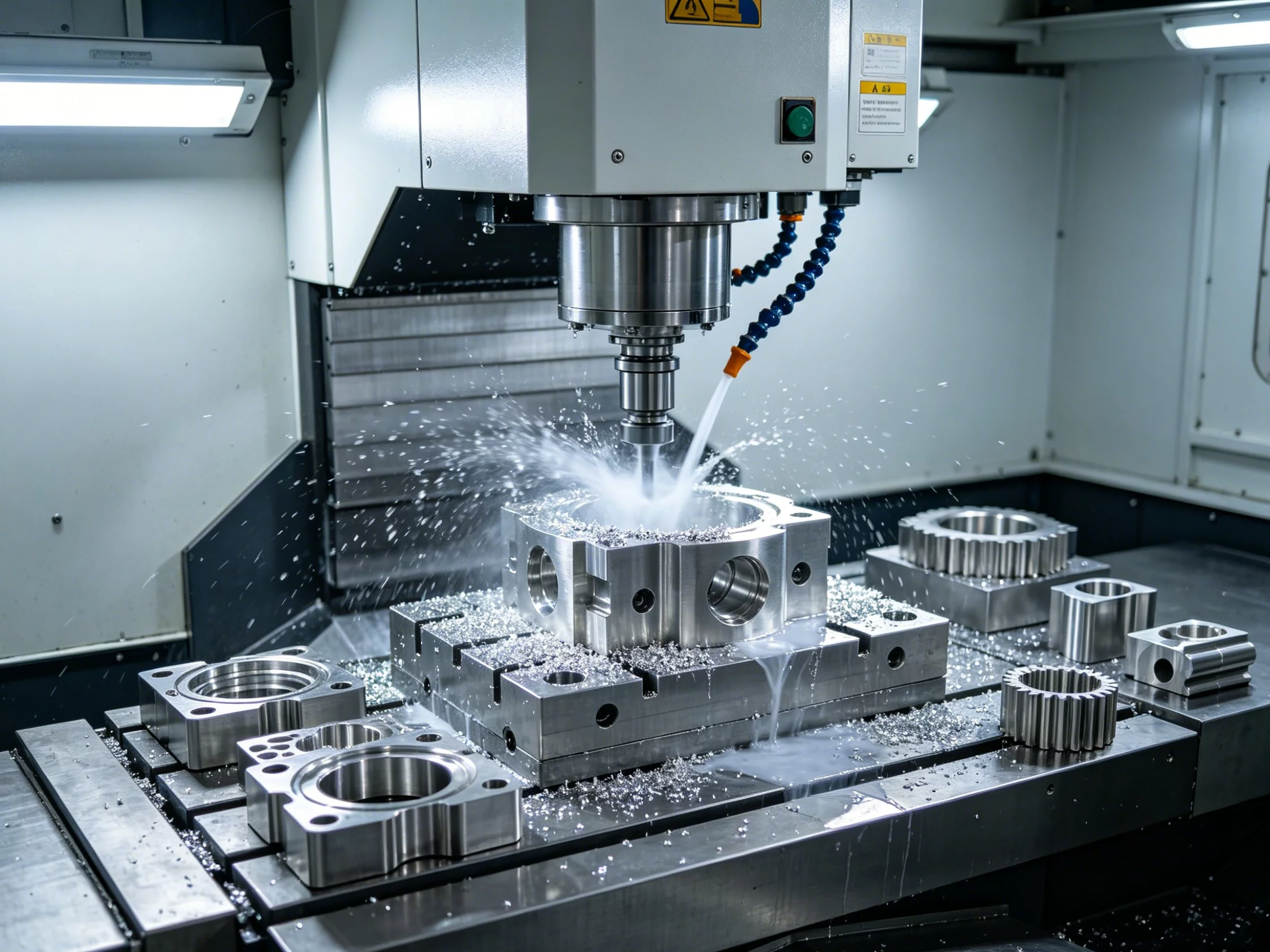
A CNC milling machine is a computer-controlled machine tool that removes material using rotating cutters to create precise parts. When selecting one, prioritize rigidity, axis configuration, and control system compatibility. Most manufacturers offer 3-axis for basic work, 5-axis for complex geometries, and hybrid setups for high-volume production. The right choice depends on part complexity, material hardness, and budget. Incorrect selection often leads to setup downtime and quality defects. YPMFG supports buyers in matching machine specs to their specific Lavorazione CNC requirements.
This guide focuses on the practical aspects of integrating a CNC mill into your production line. It covers axis types, material capabilities, and total ownership costs. Many procurement teams overlook maintenance intervals and tooling compatibility. These factors significantly impact long-term ROI and part consistency. Understanding these elements helps you avoid expensive upgrades later.
Core Components of a CNC Milling System
A modern CNC mill consists of the machine bed, spindle, servo drives, and control cabinet. The spindle speed determines surface finish quality and tool life. Higher RPMs allow for finishing with small cutters on softer materials. However, high-speed spindles often have lower torque for heavy roughing.
The control system interprets G-code to move the axes. Common systems include Fanuc, Siemens, and Heidenhain. Each has different learning curves and support ecosystems. Your engineering team’s familiarity with a specific interface affects setup time. A mismatch can delay production start by weeks.
3-Axis vs. 5-Axis Capability
Three-axis machines move in X, Y, and Z directions. They are ideal for flat plates, prismatic parts, and simple contouring. The tool cannot change orientation relative to the workpiece. This limits the ability to machine undercuts or steep angles.
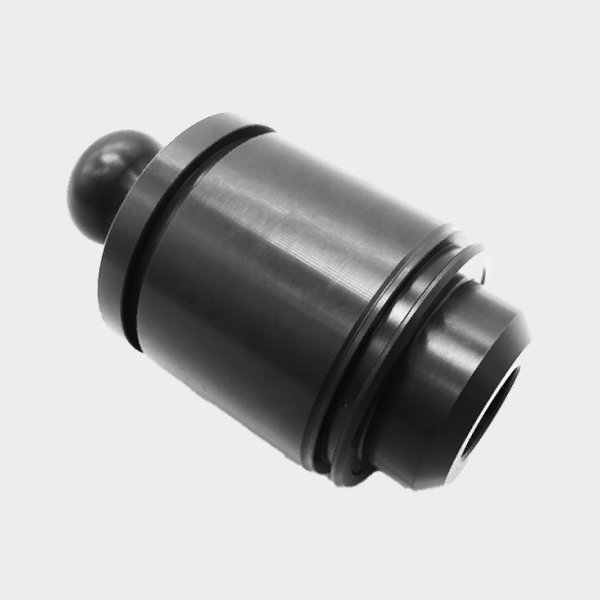
Five-axis machines add two rotational axes, usually A and B. This allows the tool to reach five sides of a part in a single setup. It reduces fixturing errors and improves surface finish on complex shapes. Turbines, impellers,and medical implants often require this capability.
If your part geometry requires multiple setups on a 3-axis machine, a 5-axis solution may be more efficient. Fewer setups mean better part-to-part consistency. It also reduces labor time and fixture costs.
Material Compatibility and Cutting Parameters
Different metals react differently to milling forces. Aluminum is easy to cut but chips quickly. Stainless steel gales and requires high rigidity. Titanium generates extreme heat at the cutting zone. In many cases, specialized tooling and coolant are needed.
Hardened steel above 60 HRC requires specific carbide inserts. The machine must maintain rigidity under high force. Thermal expansion affects dimensional stability. Precise temperature control is critical for aerospace applications.
YPMFG offers engineering evaluation to match material types with the right machine parameters. Sending a sample part helps validate the process. This step prevents trial-and-error costs during production.
Total Cost of Ownership
The purchase price is only one part of the total cost. Maintenance contracts, software updates, and operator training add up. Downtime for machine failure can cost thousands per hour. A robust machine with predictable maintenance cycles often saves money in the long run.
Energy consumption varies by spindle load and machine size. Larger beds consume more power for heating and driving axes. Factor this into your operational budget. A smaller, more precise machine may be better if your parts are compact.
Common Buyer Mistakes
Buying a machine with excess capabilities for your needs wastes capital. A 5-axis machine for simple plates is inefficient. It occupies floor space and requires specialized programmers. Match the axis count to your actual product mix.
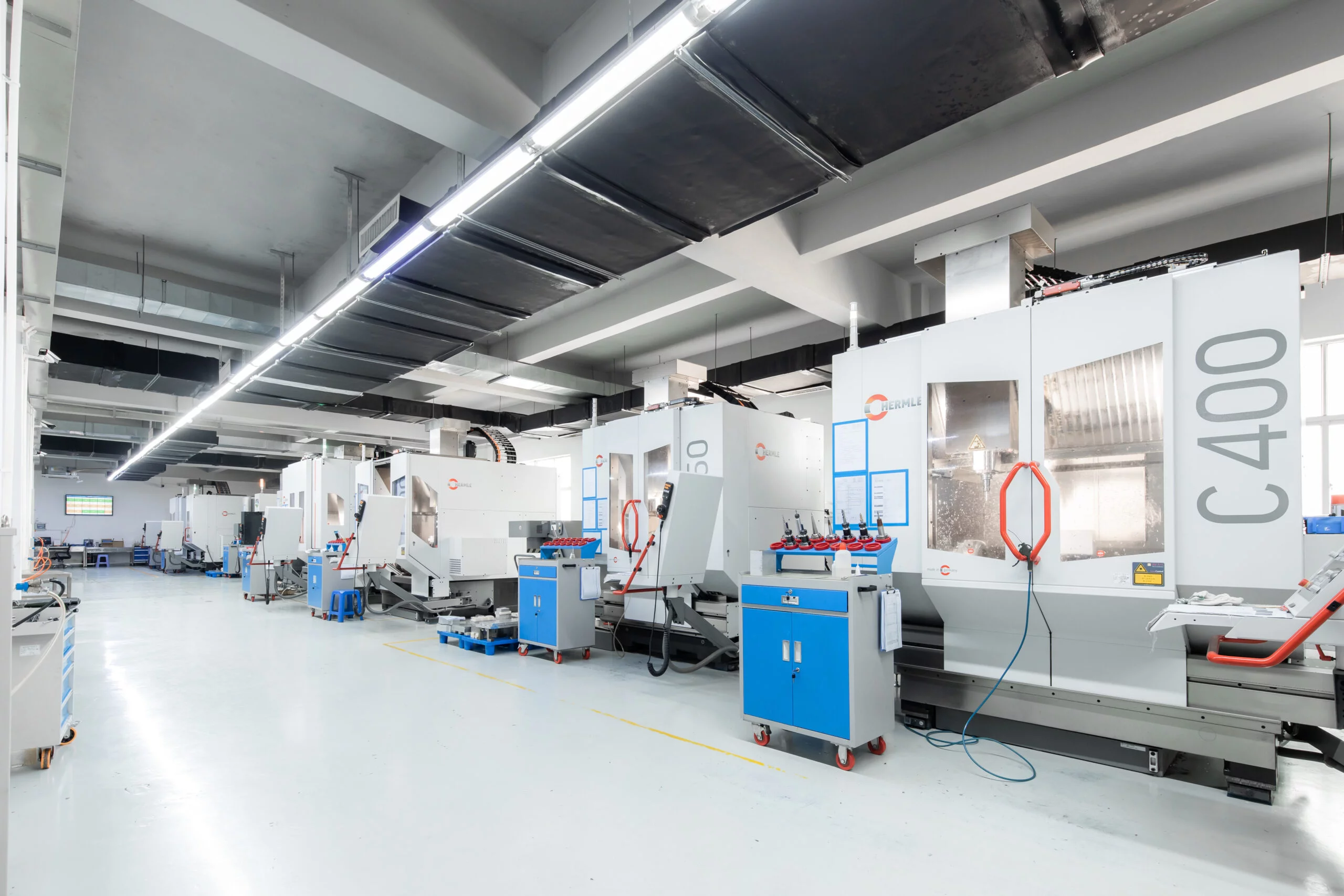
Neglecting the work environment is another frequent error. CNC machines require stable floor conditions. Vibration from nearby equipment ruins surface finish. Ensure your facility has proper isolation and power stability.
Ignoring software integration delays production. Your CAD/CAM tools must generate code the machine control understands. Verify compatibility before purchase. Custom solution developers like YPMFG can assist with this integration review.
Questions Buyers Often Ask About CNC Mills
How much floor space does a standard CNC mill need?
Standard 3-axis machines typically require 20 to 30 square meters. This includes room for chip handling and operator access. Larger 5-axis beds may need more space. Check the manufacturer’s layout guidelines for specific models.
Can a CNC mill handle titanium efficiently?
Yes, but it requires high-rigidity spindles and specialized tooling. Titanium chips are tough and can clog standard systems. Proper coolant flow is essential to prevent workpiece deformation.
What is the difference between vertical and horizontal mills?
Vertical mills hold the workpiece on a table. Horizontal mills use a rotating table. Horizontal designs are better for heavy, multi-sided parts. Vertical units are easier to load and unload.
Do I need a 5-axis machine for aerospace parts?
Not always. Many aerospace brackets are machined on 3-axis machines. However, complex bliskets and engine components often require 5-axis capability. Evaluate your specific part drawings to determine the need.
Making the Right Selection for Your Shop
The right machine aligns with your part complexity and volume. Assess your current backlog and growth plans. A machine that fits today may struggle in five years. Choose a system with modular upgrade paths.
Engage with technical experts to review your requirements. You can send your specifications to YPMFG for a preliminary assessment. This includes part drawings, material specs, and volume estimates. This low-barrier step ensures you select a machine that delivers value. It avoids costly mismatches between capability and application.