Servizio di colata sotto vuoto

Custom urethane parts from prototyping to small production runs. ±0.2mm tolerance. 5 days delivery.

servizi di colata sotto vuoto in uretano
±0,01 mm
Tolleranza
20+
Macchine
5 giorni
Campioni consegnati
ISO
13485, 16949, 14001

Servizio di colata in uretano YP-MFG

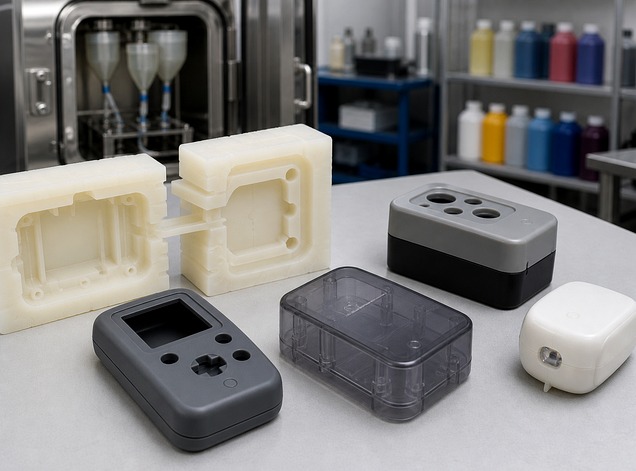
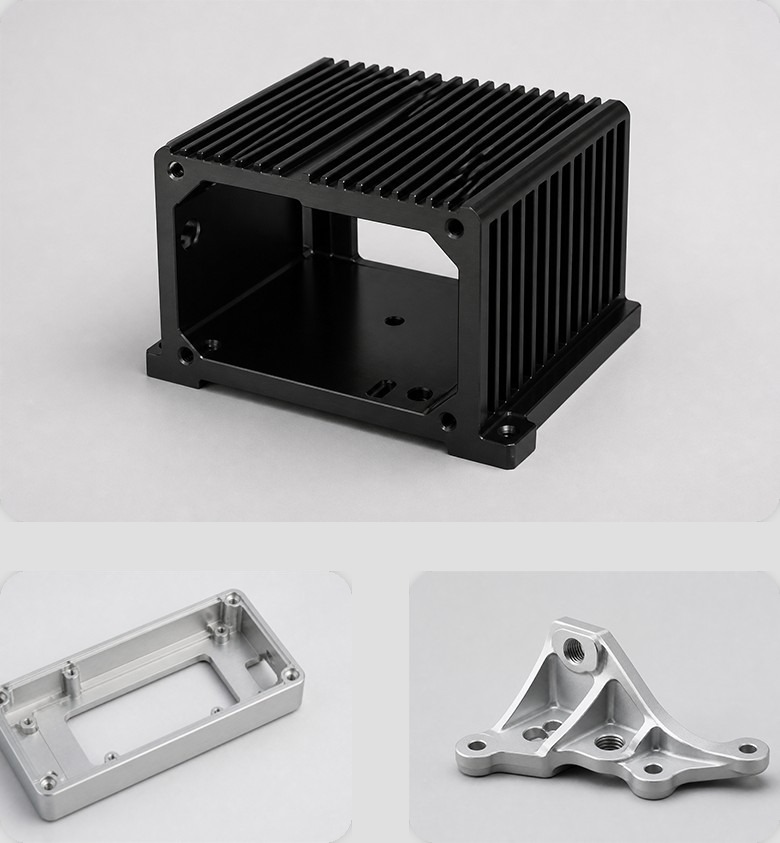
YP-MFG’s urethane casting services support every stage from prototype testing, function validation and market testing phases. Operating from ISO-certified facilities and vetted manufacturing partners, we ensure you stay on sechedule and within budget. We cast urethane parts with tolerances down to ±0.20mm and lead times as short as 5 days. A variety of polyurethane and silicone materials, surface finishes, and color options are available for applications in automotive, electronics, and consumer products.

Capacità di colata sotto vuoto di YPMFG

Dettagli
Tolleranza Dettagli At YP-MFG, replicated casts follow ISO-2768-CL standards. Local tolerances can reach ±0.15mm, and small holes can achieve up to ±0.10mm precision.For nylon-based cast parts, we also align with ISO 2768-d tolerance specifications.
Colore e finiture Dettagli Supports a wide range of colors, transparency levels, and surface finishes.
Dimensioni massime del pezzo Dettagli Up to 2.3 × 1.3 × 0.6 meters.
Capacità giornaliera Dettagli Up to 200 pieces per day.
Tempi di consegna Dettagli Lead time varies based on part complexity and order volume. The full process includes prototype making, silicone mold creation, casting, and finishing. Simple single parts can ship in under 5 days, but larger batches may require more time depending on the project.

Dalla prototipazione alla produzione

Moving from initial concepts to market-ready products, YP-MFG’s vacuum casting services offer cost-effective solutions for your product development.

Convalida del concetto

Convalida del concetto

Quickly turn early designs into real parts using 3D printing. Great for checking size, shape, and surface finish before moving forward. No need for hard tooling at this stage.

Prototipazione

Prototipazione

Make 1 to 100 functional vacuum cast prototypes for testing fit, strength, and usability. Materials and tolerances are close to final production.

Volume ridotto

Produzione in piccole serie

Perfect for low-volume runs, product launches, or bridge production. Cast 20 to 200+ parts with consistent quality and quick turnaround—skip the wait for injection molds.

Volume elevato

Produzione in serie

For larger production needs, we offer injection molding to create high-volume plastic parts with consistent quality and lower unit cost.

Materiali per la fusione sotto vuoto, finitura, colori

Choose from silicone and polyurethane casting materials that match your final product’s look, feeel, and function below. Contact our team for custom material requirements.

Materiali in silicone colato

componente in silicone realizzato mediante colata sotto vuoto

Shore A 10-60 Silicone

Commonly used for vacuum casting molds. It’s soft enough to handle complex part shapes but tough enough to last through multiple castings without tearing or warping.

  • Shore A 10-20: Molto morbido, flessibile
  • Shore A 30-40: Equilibrato
  • Shore A 50-60: stampi più rigidi per parti rigide
prototipo realizzato con stampo in silicone

RTV-2 Tine-cure Solicone

If you need a lower cost and short-term solution (e.g., under 20 shots), the material is the best choice.

componente realizzato in silicone colato

RTV-2 Platinum-cure Silicone

For higher detail, longer mold life, or if you’re casting skin-safe or food-contact parts.

Materiali in uretano colato

fuso sottovuoto in gomma morbida

Soft Rubber

Per parti flessibili, superfici morbide al tatto e ammortizzazione.

  • TPU 8400:Tough, rubbery. For impact-resistant or flexible housings.
  • Gomma morbida trasparente T0387: Clear and soft. For protective covers or flexble display components.
  • Silicone: Handles high temperatures and stys flexible over time.
  • Silicone per uso alimentare: Safe for direct contant with food or skin. Used in kitchenware and medical samples.
stampaggio sottovuoto ABS

simile all'ABS

Good all-around plastics for general use—great for housings, brackets, and structural parts.

  • Simile all'ABS 8150: Standard ABS alternative, easy to work with, solid strength.
  • ABS PX2017/PX223: Higher heat resistance, suited for parts that get warm during use.
  • ABS Hei-Cast 8263: Flame-retardant material for electronics or safety-critical parts.
fusione sottovuoto in PMMA

simile al PMMA

Plastica trasparente e liscia per componenti cosmetici o da esposizione.

  • Simile al PMMA 1940:Similar to acrylic. High clarity and a clean, glossy finish.
stampaggio sottovuoto su PC

simile a un PC

Tougher than ABS. Works well for stronger parts or things that need to take some impact.

  • PX 510 / Hei-Cast J0005: Strong, rigid, and holds up under stress or heat.
stampaggio sottovuoto in nylon

simile al nylon

Leggermente flessibile e con una buona resistenza all'usura.

  • Z2910: Best for light mechanical parts like gears or bushings.
stampaggio sottovuoto pp

simile al PP

Lightweight and flexible, used for parts that bend or snap together.

  • 5690 / Hei-Cast 8550: Resists fatigue and chemicals. Great for clips, hinges, or fluid parts.
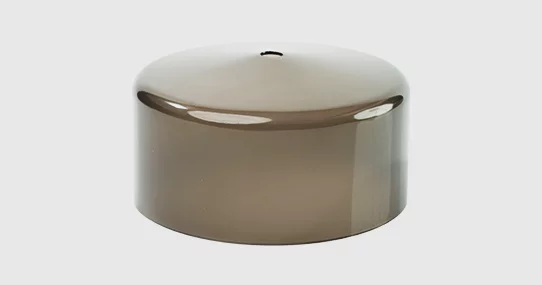
componente realizzato con colata sotto vuoto resistente alle alte temperature

simile al POM

Rigido e preciso. Ideale per parti mobili o accoppiamenti meccanici.

  • PX225:Low friction, stiff, and holds shape well.
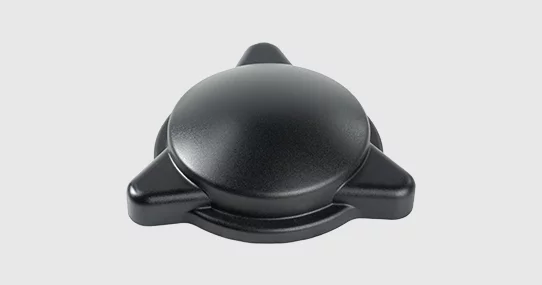
componente stampato in uretano

simile al PE

Morbido e resistente agli agenti chimici.

  • DPI PX100: Used for simple, flexible parts like caps, plugs, or covers.
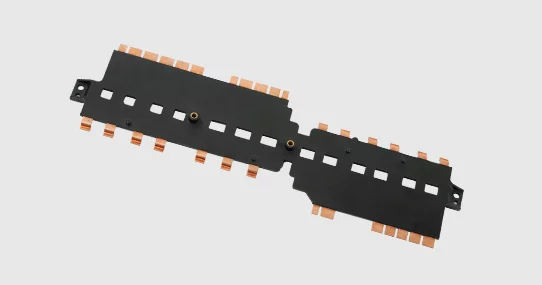
componente colato sottovuoto ignifugo componente colato sottovuoto ignifugo

simile all'ABS+PC

A balance of toughness and clean appearance. Combines the strength of PC with the smooth finish of ABS—great for tough housings.

Most polyurethanes are clear or translucent, so color can be added directly before casting using pigments or dyes. These materials blend seamlessly, producing consistent, fade-ressistant colors post-curing. Below are the standard YP-MFG urethane color options.

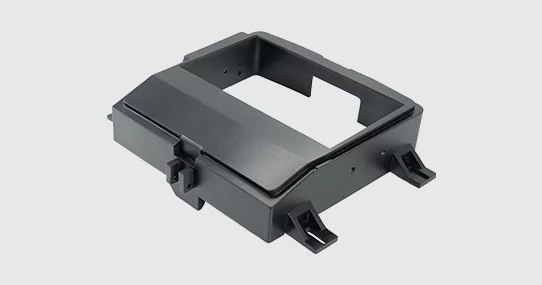
nero standard

Standard Black

Deep, opaque black finish offers good coverage and professional look for prototypes, housings, and functional parts needing classic appearance.

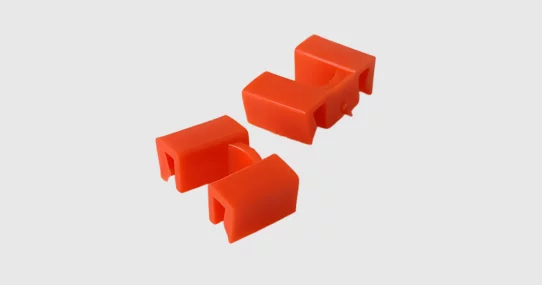
parte di colore bianco puro

Bianco puro

Clean, bright white color gives sharp contrast and clean appearance, good for medical devices, consumer products, and design validation models.

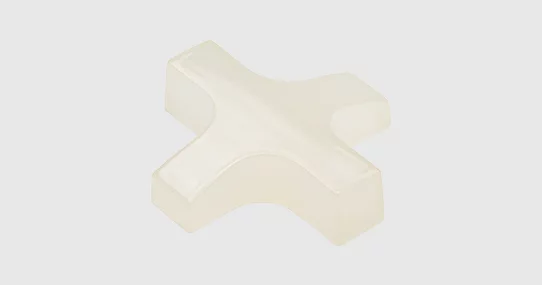
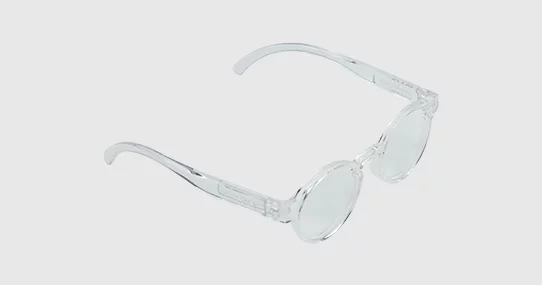
componente trasparente realizzato mediante colata sotto vuoto

Trasparente

Clear material keeps optical clarity while offering durability, works well for lenses, light guides, fluid containers, and visual inspection parts.

colore personalizzato

Personalizzato

Full color matching options allow exact brand color reproduction, special effects, and unique finishes made for specific project needs.

Note: Color options may vary depending on the surface finish. Custom colors can be achieved through pigment blending or painting. For large batches, painting is recommended to avoid color variation. UV printing is used for multi-color designs, while vacuum plating is required for metallic finishes.

YP-MFG offers SPI and VDI surface textures for vacuum casting. Mold texture is set from the start and can’t be changed later. For painted parts, please confirm gloss or matte before production.

SPI Finish

SPI finishes rely on sanding or polishing the mold to create smooth surfacees ranging from high gloss to matte.You can choose it for custom urethane parts that need a clearn or polished look.

VDI Finish
VDI textures are created by EDM on the silicone mold surface. You can select it when need a more technical or non-slip feel, or to hide minor imperfections.

Controllo qualità e collaudi certificati

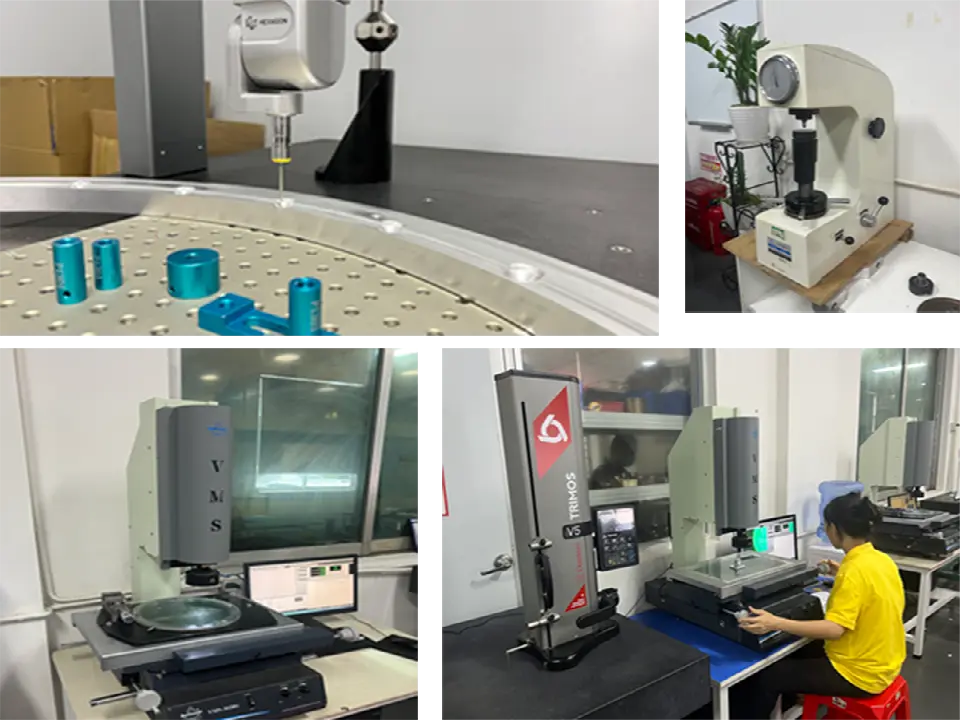
YP-MFG operates as an ISO 9001:2015, ISO 13485, ISO14001:2015, and IATF 16949:2016 certified vacuum casting manufacturer. Our quality control covers three critical areas:
Controllo e collaudo

Controlli dimensionali

Dimensional testing uses CMM, digital calipers, height gauges, and micrometers to verify tolerances, geometric positioning, hole diameters, wall thickness, and fit dimensions.

Ispezione visiva

Visual inspection employs magnifiers, roughness testers, and color charts to detect surface defects including bubbles, scratches, dents while ensuring color consistency and surface finish quality.

Prove di adesione della vernice

Paint adhesion testing validates coating bond strength, durability, and thickness uniformity for all finishing requirements.

Assemblaggio e verifica dell'adattamento

Verifies cast parts’ mating compatibility and functional fit with paired components. Conducts precision fit tests to ensure seamless groove, joint and structure matching, meeting assembly requirements and eliminating fit gaps or interference.

Why Choose YP-MFG Urethane Casting Services

Precisione garantita e precisione

Guaranteed Precision & Quality

Achieve tight tolerances from ±0.2 to 0.8mm. Excellent surface finishes. Expert mold-making ensures consistent quality.

Soluzioni complete per i materiali

Soluzioni complete per i materiali

Choose from soft, rigid, clear, and flame-retardant polyurethane materials. We help you pick the right material, finish and color. Support custom needs.

Tempi di consegna rapidi

Tempi di consegna rapidi

Get parts delivered in 5-15 days. Cost-effective low-volume production. Flexible order sizes from 20-200+ parts.
Ready to Get Urethane Casting Quote?

Per iniziare, carica i tuoi file di progettazione. Approva i campioni con le modifiche apportate, quindi passa alla produzione.
Componenti semplici pronti in 5 giorni grazie al nostro processo di stampaggio dell'uretano.

In cosa consiste il processo di colata dell'uretano?

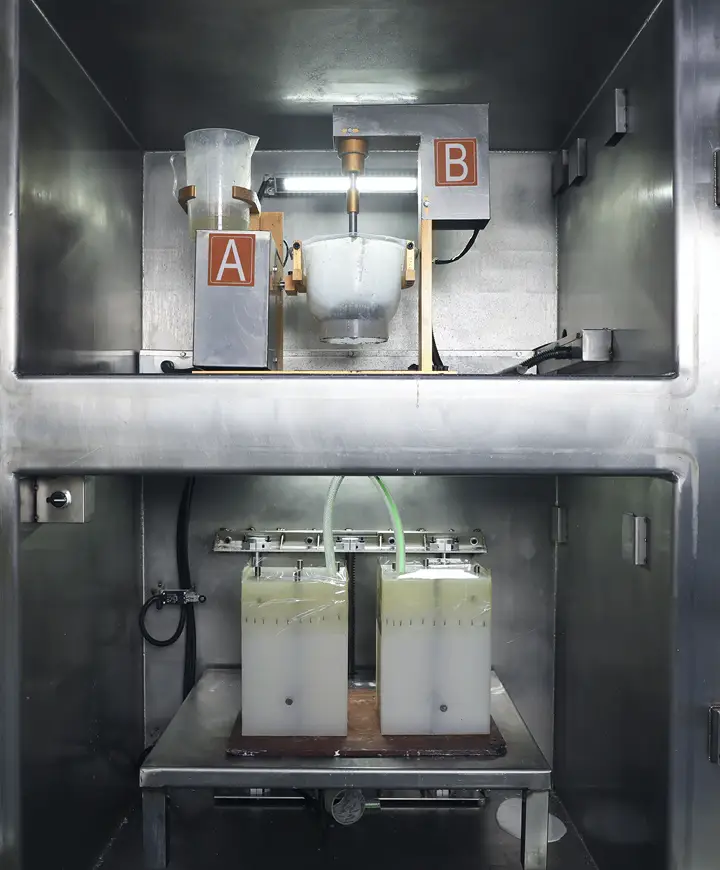
Urethane casting, also called vacuum casting, draws liquid urethane into a mold to create plastic and rubber parts with intricate geometries. Here are the 3 steps.  

The master pattern replicates the final casting parts, determining product quality. Create it via CNC machining or 3D printing. 3D printing is faster and cheaper, but CNC offers tighter tolerances. Design considerations include draft angles and wall thickness.

Pour liquid silicone rubber around the master pattern. Most cure in ovens, while RTV molds cure at room temperature. After a few hours, cut along the parting line to remove the master, creating a silicone mold ready for casting.

Mix liquid polyurethane resin and pour into molds under vacuum to prevent air bubbles and defects. Curing takes 30 minutes to 2 hours depending on material and size. One mold produces 1-10 copies daily. Cast urethane parts may require post-processing.

immagine

Vacuum Casting Applications Across Industries

Urethane casting is good for prototypes and small production runs where injection mold tooling isn’t practical. Cast part perform well and can be used for testing or as finished products.

| Settore automobilistico

Interior trim panels, dashboard components, and functional prototypes for fit-and-finish testing.

| Medical & Healthcare

Biocompatible device housings, surgical instrument prototypes, and diagnostic equpment.

| Electronics & Consumer Products

Product enclosures, keypads, and decorative elements for smarphones, tablets, and home appliances.

| Settore aerospaziale

Lightweight interior panels, control housings, and specialized components requiring flame-retardant properties.

| Industrial Equipment

Protezioni per macchinari, pannelli di controllo e attrezzature di fissaggio su misura.

colata sotto vuoto

3D Printing vs Vacuum Casting vs Injection Molding

Your project’s stage, quantity, and part function will guide the right manufacturing choice. Different methods work best at different points in development.
VS 3D Printing Vacuum Molding Injection Molding
VS Costi di attrezzaggio 3D Printing $0 (no tooling) Vacuum Molding $500-2,000 (silicone molds) Injection Molding $5,000-50,000+ (aluminum  or steel molds)
VS Tempi di consegna 3D Printing 1-3 days Vacuum Molding 5-15 days Injection Molding 4-12 weeks
VS Quantità per articolo 3D Printing 1-20 parts Vacuum Molding 20-200 parts optimal Injection Molding 1,000+ parts optimal
VS Tolleranza 3D Printing ±0,1-0,3 mm Vacuum Molding ±0,1-0,8 mm Injection Molding ±0,05-0,1 mm
VS Finitura superficiale 3D Printing Layer lines, requires post-processing Vacuum Molding Smooth, minimal finishing Injection Molding Superior, production-ready
VS Geometria complessa 3D Printing Ottimo, di qualsiasi forma Vacuum Molding Handles undercuts, fine details Injection Molding Limited by mold design
VS Opzioni relative ai materiali 3D Printing Limited to print resins/filaments Vacuum Molding Urethane varieties (flexible to rigid) Injection Molding Wide range of thermoplastics
VS Modifiche al progetto 3D Printing Instant, no cost penalty Vacuum Molding Easy and cost-effective Injection Molding Expensive mold modifications

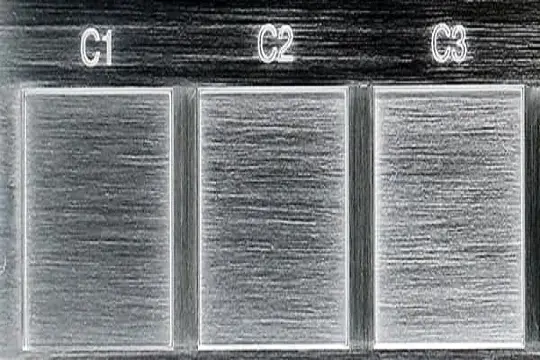
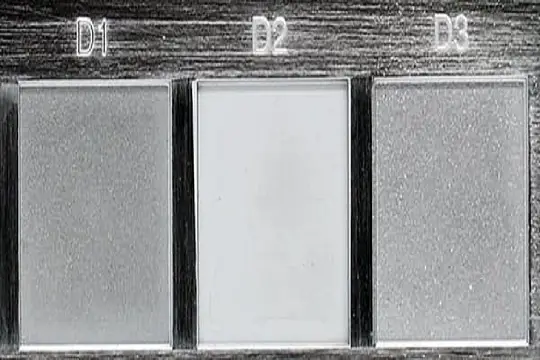
Rugosità superficiale
for Vacuum Cast Mold

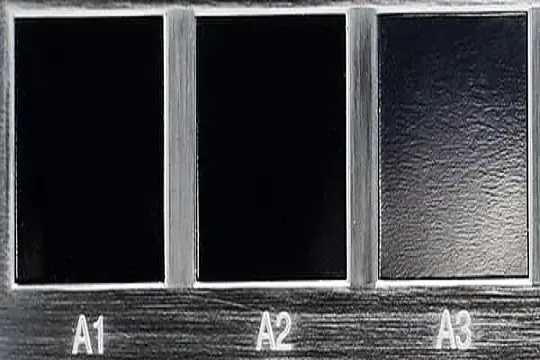
We apply SPI finish grades to vacuum casting, ensuring that each part achieves specific surface textures from smooth and glossy to detailed matte finishes.

finiture-superficiali-per-stampaggio-a-iniezione-SPI-A

SPI A

Finishing Look High Gloss
Finishing Look SPI Finish Grades High Gloss SPI A1, A2, A3
Finishing Look Surface Roughness Ra (μm) High Gloss SPIA1: 0.012 to 0.025
SPIA2: da 0,012 a 0,025
SPIA3: 0.05 to 0.10
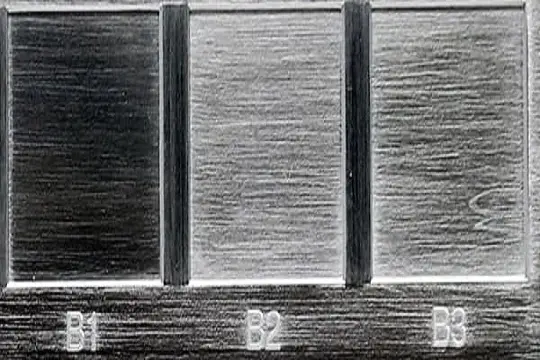
finiture-superficiali-stampaggio-a-iniezione-SPI-B

SPI B

Finishing Look Semi Gloss
Finishing Look SPI Finish Grades Semi Gloss SPI B1, B2, B3
Finishing Look Surface Roughness Ra (μm) Semi Gloss SPI B1: 0.05 to 0.10
SPI B2: da 0,10 a 0,15
SPI B3: 0.28 to 0.32
finiture-superficiali-stampaggio-a-iniezione-SPI-C

SPI C

Finishing Look Low Gloss
Finishing Look SPI Finish Grades Low Gloss SPI C1, C2, C3
Finishing Look Surface Roughness Ra (μm) Low Gloss SPI C1: 0.35 to 0.40
SPI C2: da 0,45 a 0,55
SPI C3: 0.63 to 0.70
finiture-superficiali-stampaggio-a-iniezione-SPI-D

SPI D

Finishing Look Opaco
Finishing Look SPI Finish Grades Opaco SPI D1, D2, D3
Finishing Look Surface Roughness Ra (μm) Opaco SPI D1: 0.80 to 1.00
SPI D2: da 1,00 a 2,80​
SPI D3: 3.20 to 18.0

Domande frequenti

Vacuum cast parts typically achieve tolerances of ±0.1–0.3mm, depending on part geometry and size.

Urethane cast parts follow ISO 2768-CL standard (±0.1~0.8mm), with nylon-based parts aligning to ISO 2768-d tolerance specifications.

The process offers excellent detail and surface finish, suitable for functional prototypes and end-use parts.

Urethane casting is a cost-efficient option for runs of 20 to 200+ parts. It avoids the high cost and lead time of hard tooling. Suitable for short runs, bridge production, or early market test.

Vacuum casting offers better surface finish, material strength, and consistency for low-volume production. 3D printing is faster for one-off prototypes but may fall short in appearance or mechanical properties.

Silicone molds typically last for 15–25 castings, depending on part complexity and material used. They’re best for small batches before wear affects precision.

In vacuum casting, the silicone mold must stay firmly in place to produce accurate parts. This is done using a two-part mold secured inside a rigid frame, often made of aluminum or durable plastic.

The frame supports the mold, keeps it from warping under vacuum, and ensures the two halves align correctly. It also helps prevent resin leaks and maintains a tight seal during casting.

Before casting, the mold is placed in the frame and clamped tightly. The vacuum then pulls the resin into every detail, reducing air bubbles and producing clean, precise parts.

Cast Urethane Parts Made Easier, Faster