 Italian
  English
  German
  Russian
  Japanese
  Korean
  Spanish
  French
  Portuguese
 Risposta breve:
A CNC turning machining service removes material from a rotating workpiece using single-point cutting tools to produce cylindrical and conical geometries. You should evaluate a provider by tolerance capability, material range, inspection documentation, and production scalability. The right partner protects your design intent, reduces rework, and keeps batch consistency across repeated orders. Before committing, verify whether the shop handles your specific concentricity requirements, threading, or complex profiles. YPMFG supports buyers at this stage by reviewing drawings and recommending the most practical turning setup for your part geometry and volume.
Most procurement teams treat CNC turning as a simple “send the drawing” transaction. In practice, output quality depends on how the shop interprets your geometry, selects tooling, manages tolerances, and documents each batch. A mismatch at this stage creates cost overruns, failed incoming inspections, or parts that look correct on paper but fail during assembly. The sections below walk through what actually moves the needle when you are evaluating a turning partner.
What CNC Turning Machining Actually Involves
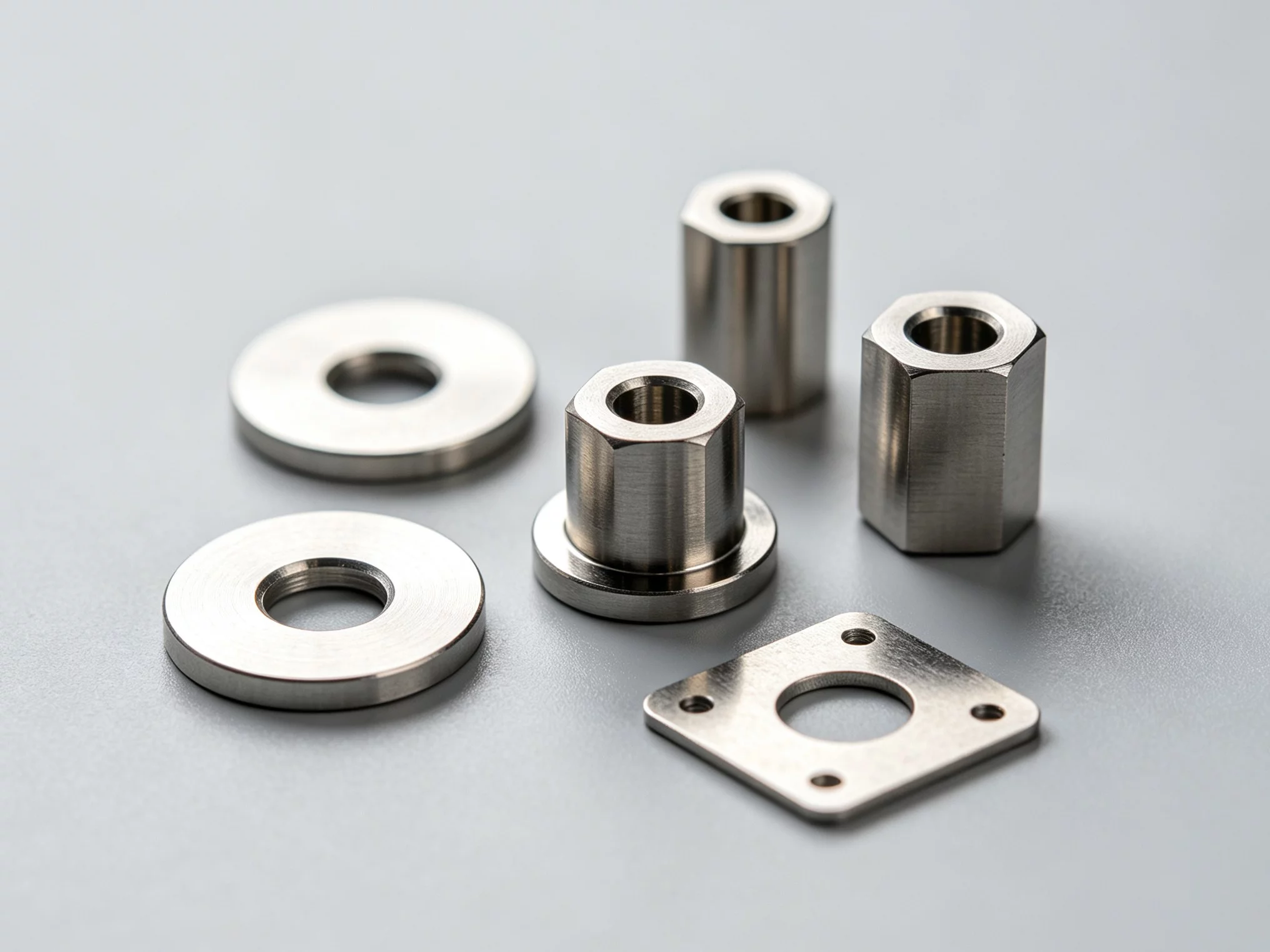
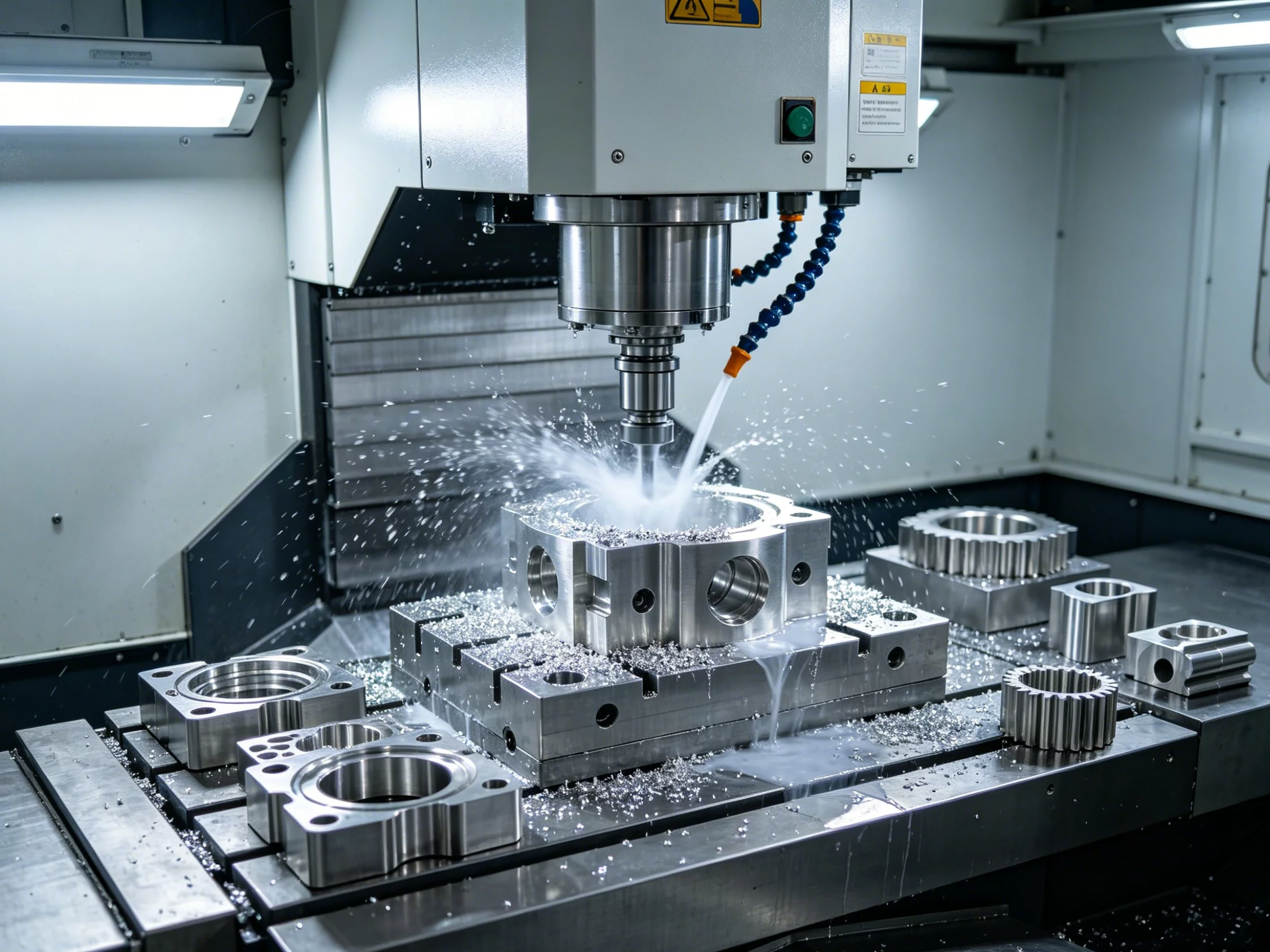
CNC turning (also called Lavorazione con tornio CNC) holds a workpiece against the axis of rotation while one or more cutting tools advance radially or longitudinally. The controller drives tool movement in coordinated axes, typically X, Z, and sometimes Y or C for off-center and angular features. This makes turning ideal for parts whose primary geometry is round: shafts, bushings, flanges,connectors, and housings.
The process removes material in controlled increments, so the achievable finish and dimensional repeatability depend on feed rate, tool geometry, and machine rigidity. Typical surface finishes on a modern CNC lathe range from 1.6 µm to 3.2 µm Ra, depending on the tool and material. For tighter finishes, a fine-finishing pass or a secondary grinding step may be added.
When a part includes drilling, cross-holes, or face milling, the shop will use a live-tool or mill-turn lathe rather than a standard two-axis machine. This distinction matters for your cost estimate and lead time, so it is worth confirming early.
When Turning Is the Right Process
Not every cylindrical part benefits from turning. If your geometry is predominantly round, symmetrical, or based on concentric features, turning is usually the most efficient and cost-effective path. If the part has heavy slotting, complex flat faces, or multiple non-rotational features, a turning vs milling comparison becomes necessary.
A quick rule of thumb:
Turn first when the part is defined by its outer profile, has concentric holes, threads, or chamfers.
Mill first or combine when the part has deep pockets, asymmetric features, or multiple mounting faces.
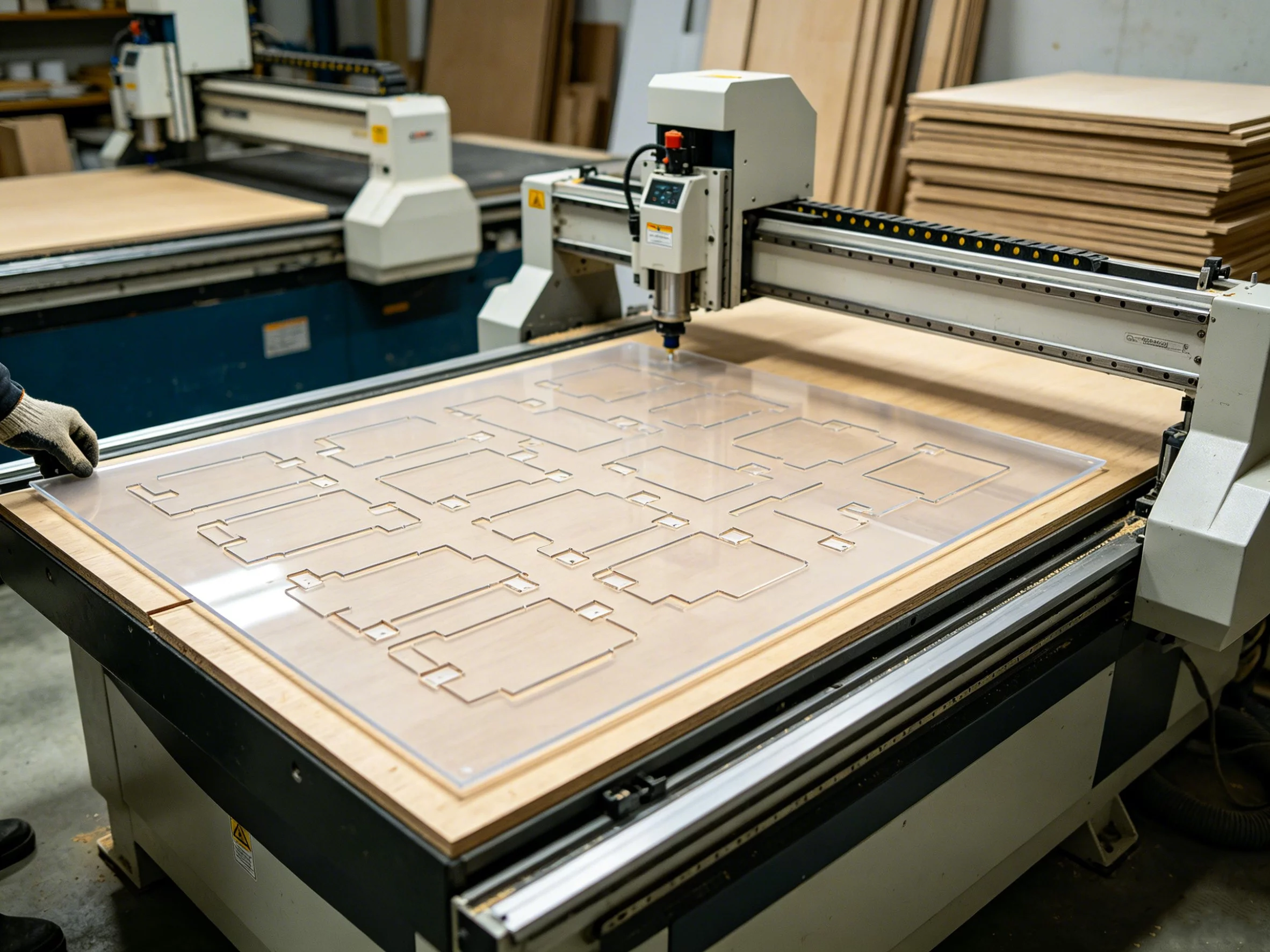
Use a mill-turn center when the part needs both rotational and planar features in one fixture to preserve concentricity.
Choosing the wrong primary process adds setup time, reduces achievable tolerance, and can increase scrap rate on later operations. If you are unsure which path fits your part, sending the drawing for an engineering review is the fastest way to get a clear answer.
Capabilities to Verify Before Placing an Order
Before you release a PO, confirm the following with your shortlisted providers:
Maximum chuck diameter and swing over bed. This sets the upper limit on part size you can run without fixture adapters.
Number of axes and live-tool capacity. Determines whether cross-holes, square features, and angular cuts are possible in one setup.
Tolerance capability for critical features. Ask for the smallest demonstrated concentricity and runout tolerance, not just the nominal machine spec.
Material stock availability. Confirm the shop stocks or sources the exact alloy grade you need, especially for specialty steels, Inconel, or exotic titanium.
Inspection equipment on site. CMM, bore gauge, optical comparator, or hardness tester change the trust level of the dimensional report you receive.
YPMFG can review your drawing against these parameters and flag any feature that may push beyond a standard two-axis lathe. This avoids the back-and-forth that typically adds one to two weeks to a first-article cycle.
Cost Factors That Move the Price
CNC turning pricing is not a flat per-part number. The final quote shifts with several variables, and understanding them helps you negotiate intelligently:

A useful check: ask for the quote broken into material, machine time, secondary ops, and inspection. If one line dominates, you can explore whether a looser tolerance or an alternative material grade saves meaningful money without compromising function.
Quality Documentation and Inspection
In regulated or safety-critical applications, the data you receive with each batch matters as much as the part itself. Confirm which of the following the provider can supply:
Dimensional inspection report tied to your drawing callouts
Material test report (MTR / heat number) for traceability
Surface finish measurement at the specified location
Hardness test results, if applicable
Certificate of conformance or PPAP package for automotive and medical sectors
For documentazione di qualità to be useful, the inspection plan must reference the specific GD&T callouts on your drawing, not just a generic “meets print” statement. If your project requires a specific audit trail, state that in the RFQ so the provider prices it in from day one.
YPMFG includes inspection and material traceability as standard documentation options. You can specify which reports you need during the quote request, and the documents arrive with the shipment rather than as a separate follow-up.
Common Questions About CNC Turning Service
What is the smallest part I can turn in volume production?
Depends on chuck type and setup. Miniature chucks handle diameters down to roughly 3 mm. Below that, a collet chuck or dedicated mandrel setup is used. Confirm the minimum practical diameter with your provider before releasing a very small part.
Can I get threaded features in the same operation?
Yes. Most CNC lathes have a dedicated threading cycle that cuts external or internal threads up to a certain pitch and depth. For long-deep threads or very fine pitches, a dedicated thread-milling setup may be needed for consistency.
What tolerances are realistic on a standard two-axis lathe?
Typical diameter repeatability on a well-maintained machine is around 0.01 mm to 0.02 mm. Concentricity and runout depend on fixture method. Ask the shop for their demonstrated capability, not just the machine datasheet.
Do I need to specify the material grade, or can the shop choose?
You should specify the grade and any required composition or heat-treatment condition. The shop will source the matching stock. If you are open to alternatives, mention that in the RFQ to unlock a potentially lower-cost option.
How many samples do I need before approving a production run?
One first-article sample is the minimum. For critical applications, two to three samples spread across the batch confirm test su campioni stability. Specify the sampling plan in your PO so both sides share the same expectation.
Choosing the Right Partner for Your Parts
The core value of a good turning service is simple: your part comes back at tolerance, on schedule, with the documentation you need, and at a price you can defend to your accounting team. That value only exists when the shop understood your geometry early, flagged risks before cutting metal, and treated batch consistency as a process outcome rather than a hope.
If you have a part drawing, a BOM, or even a rough sketch you want to move forward with, send the specifications to YPMFG for an engineering review. The team will assess turning feasibility, recommend the practical machine setup, and return a detailed quote with material, operation, and inspection line items. No minimum order commitment is required for that first evaluation.