 Portuguese
  English
  German
  Russian
  Japanese
  Korean
  Spanish
  French
  Italian
 Resposta rápida:
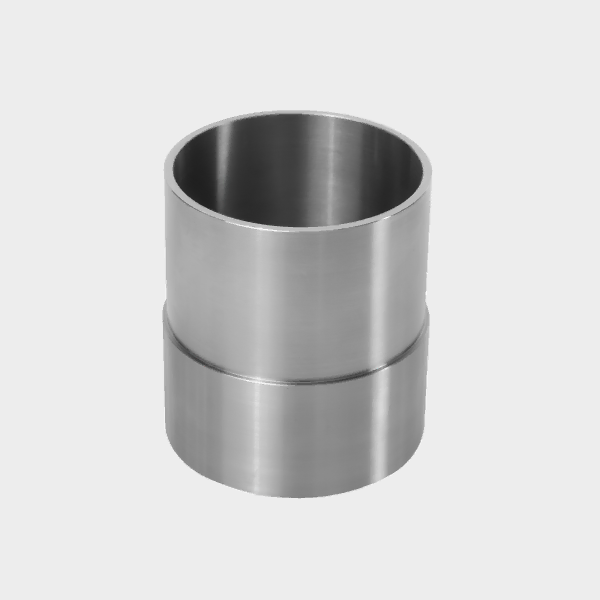
Hardware copper parts include machined fasteners, connectors, bushings, and fittings made from copper or copper alloys such as C360 brass, C464 phosphor bronze, and pure copper. The right choice depends on your electrical conductivity needs, load requirements, corrosion exposure, and tolerance class. Before ordering, verify alloy grade, machinability rating, surface finish specification, and thread geometry. YPMFG supports buyers who need custom hardware copper parts machined to print, offering material recommendations and engineering review before production runs.
When a project calls for copper hardware, the decision goes beyond picking “brass” off a shelf. Many buyers discover late that the alloy, machining method, and finish all affect fit, conductivity, and service life. The sections below break down what to check.
Índice
Copper alloy types used in hardware
Machinability and manufacturing notes
Specs to verify before placing an order
Corrosion and application fit
Common questions
Next steps
Copper Alloy Types Used in Hardware
Not all “copper hardware parts” are the same material. The alloy grade determines hardness, conductivity, and wear behavior.

C360 is the default for Usinagem CNC of small hardware because it chips cleanly and holds tight tolerances. C464 suits parts that see cyclic loading. Pure copper is reserved for electrical conductivity where thermal conductivity also matters.
YPMFG can review your drawing and flag if the specified alloy will not hold the required thread pitch or wall thickness under your load case.
Machinability and Manufacturing Notes
Machinability affects cycle time, tool wear, and achievable surface finish. C360 scores around 100 on the machinability scale; phosphor bronze sits near 55. That difference changes lead time and cost for complex geometries.
Para threaded hardware, verify:
Thread pitch and tolerance class (e.g., 6B/6G for UNC)
Minimum minor diameter at the smallest feature
Whether threads are cut or rolled after machining
Deburr and chip-removal method for internal cavities
If your part has thin walls under 0.8 mm, ask whether Torneamento CNC plus secondary Fresagem CNC is better than a single-operation setup. YPMFG offers process planning notes with your quote so you can compare options before committing.
Specs to Verify Before Ordering
A short checklist prevents most rework and rejection cycles on copper hardware jobs:
Alloy grade and heat-treatment condition (annealed, half-hard, full-hard)
Tolerance stack-up across stacked components
Acabamento da superfície: as-machined Ra value vs. plated (nickel, tin)
Conductivity test requirement if the part closes an electrical path
Salt-spray hours expected, which drives alloy and coating choice
Batch traceability: mill cert per lot
Send these as a one-page spec sheet with your drawing. YPMFG’s engineering team will cross-check each item against your application conditions and flag conflicts early.
Corrosion and Application Fit
Copper resists atmospheric corrosion well, but dezincification and stress-corrosion cracking can shorten life in specific environments. Marine or high-chloride settings typically call for dezincification-resistant brass or phosphor bronze rather than standard C360.
Before finalizing material, confirm:
Ambient humidity and chloride exposure
Contact with dissimilar metals (galvanic pairing risk)
Operating temperature range, since copper’s thermal expansion is high
A mismatch here shows up as green discoloration, loss of conductivity, or premature thread failure—none of which appear on a first-article inspection.
Common Questions About Hardware Copper Parts
Can C360 brass be machined to ±0.01 mm on an outer diameter?
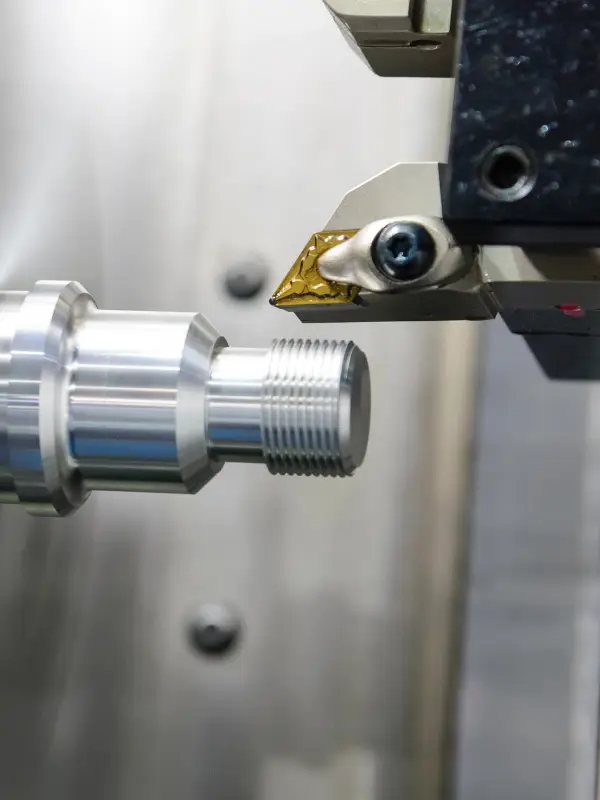
Yes. In many cases, a two-pass turning cycle with a sharp-pointed carbide insert holds ±0.01 mm on diameters above 6 mm. Below 4 mm, expect tighter tool deflection; request a trial cut before the full run.
Do I need a nickel or tin plating layer on copper hardware?
Depends on the environment. For dry indoor use, the bare alloy is often sufficient. For outdoor or humid service, a 5–15 µm nickel or tin layer adds protection. Specify the coating thickness and test method on your drawing.
What is the typical lead time for CNC-machined copper fasteners?
It varies by quantity and geometry. A 500-piece lot of simple C360 studs can ship in 7–10 business days from material release. Complex multi-operation parts may add 3–5 days for secondary finishing.
How do I confirm conductivity on a finished part?
Request a four-point probe test on a sample from each heat lot. YPMFG can include conductivity readings in the inspection report that ships with your order.
Next Steps
The right hardware copper part is the one that matches your load, environment, and assembly sequence—not just the cheapest alloy on the list. Send your drawing,spec sheet, and quantity to YPMFG for an engineering review. You will receive alloy confirmation, a recommended machining sequence, and a transparent quote with material and finishing itemized separately. That lets you compare options against your current solution before committing to a production run.