 Russian
  English
  German
  Japanese
  Korean
  Spanish
  French
  Italian
  Portuguese
 Краткий ответ:
The right custom stainless steel sheet metal bending suppliers should have proven experience with your target alloy,proper quality certifications, and clear engineering support capabilities. Most procurement failures come from choosing vendors without verifying their actual capability to meet tight tolerances or handle complex multi-bend geometries. Always request samples, review their machine specifications, and confirm they provide full documentation before placing large orders.
Stainless steel sheet metal bending requires precise control over material properties, tooling selection, and process parameters. Buyers often face challenges such as unpredictable springback, surface finish issues, or dimensional deviations that affect downstream assembly. Finding a manufacturer who understands these technical variables can reduce costly rework and delays.
This guide explains how to evaluate potential suppliers for stainless steel bending services. It covers technical requirements, quality verification, and practical questions buyers should ask before committing to a fabrication partner.
Understanding Stainless Steel Bending Requirements
Stainless steel presents unique challenges during bending operations compared to carbon steel or aluminum. The material’s higher yield strength and work hardening characteristics require specific equipment and process knowledge.
Different stainless steel grades behave differently under stress. Austenitic grades like 304 and 316 offer good formability but work harden rapidly. Ferralic grades such as 430 have lower ductility and may crack under severe bends. Duplex stainless steels combine properties of both families but require careful temperature control during forming.
Key technical factors include bend radius, material thickness, grain orientation, and surface protection requirements. Each factor influences tooling selection, bending force, and whether auxiliary processes like annealing are necessary.
[stainless steel material grades]
Manufacturers should demonstrate experience across multiple grades and thicknesses. Limited expertise in one grade may lead to problems when your project requires a different alloy specification.
Evaluating Bending Capabilities and Equipment
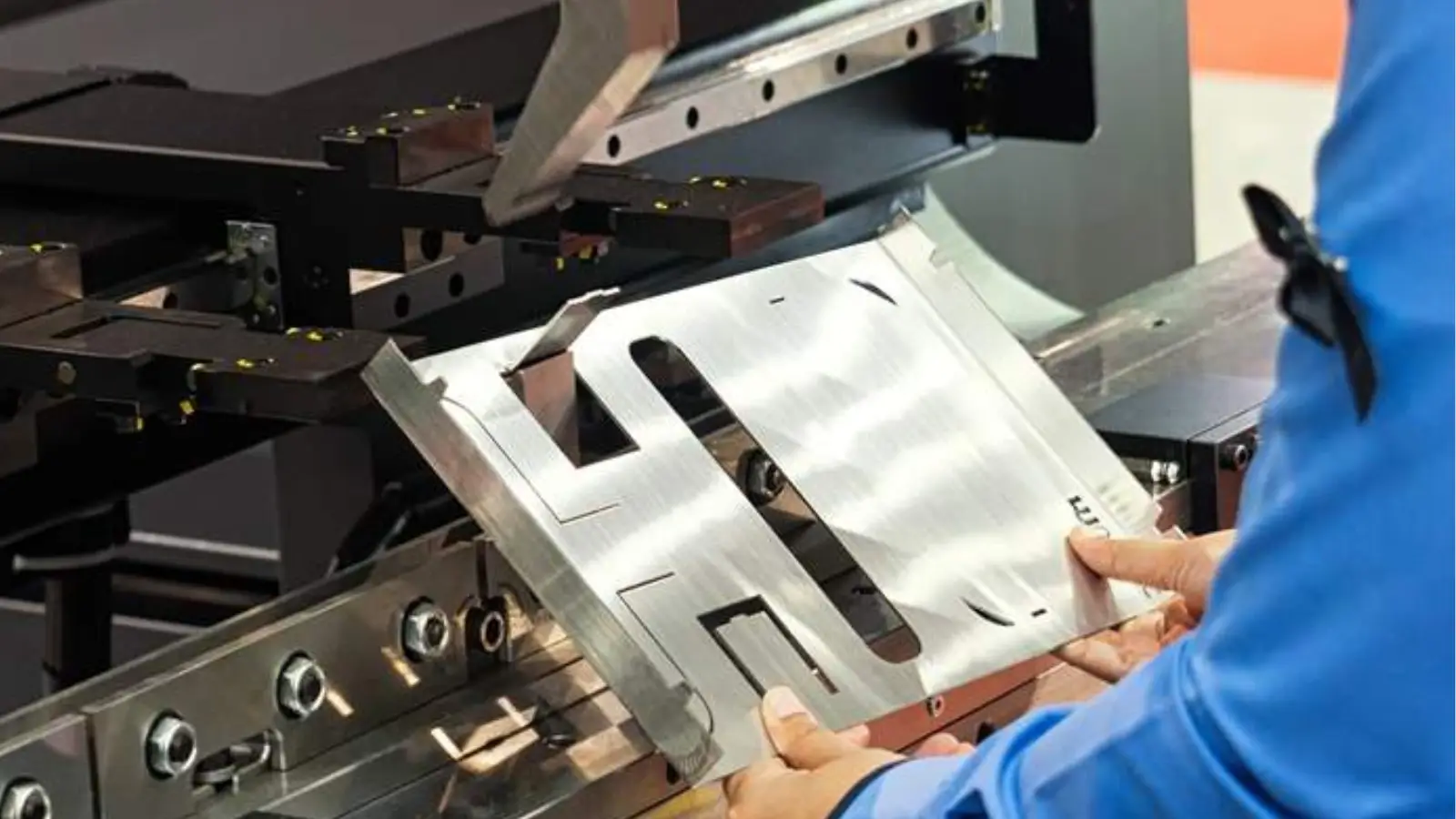
Modern CNC press brakes with back gauges provide consistent accuracy for complex bend sequences. However, equipment alone does not guarantee quality. The combination of machine capacity, tooling inventory, and operator skill determines final part quality.
When assessing potential suppliers, consider the following equipment parameters:
[bending equipment specifications]
Suppliers without adequate tooling variety may struggle with non-standard angles or tight radii. Those lacking CNC programming support will rely on manual setup, increasing the risk of errors.
Quality Control and Certification Standards
Quality verification goes beyond final inspection. A reliable manufacturer implements controls at every production stage, from material receipt to finished part delivery.
Common certification requirements for metal fabrication suppliers include ISO 9001 for quality management systems and AS9100 for aerospace applications. Industry-specific projects may require additional compliance documentation.
Quality documentation should include:
Material certifications traceable to original mill reports
First article inspection reports with full dimensional verification
Process control charts for critical bending operations
Surface condition records and finishing specifications
Final inspection reports with measurement data
Request these documents before approving a supplier. Vague quality statements or refusal to share documentation indicate potential problems with process control.
[quality certification requirements]
Some buyers skip this verification step to save time. However, missing documentation creates compliance risks and makes problem resolution difficult when defects occur.
Engineering Support and Design Assistance
Complex bend geometries often require design adjustments to improve manufacturability. Suppliers offering engineering support can identify issues before production begins, reducing costs and lead times.
Effective engineering evaluation services include bend allowance calculations, K-factor determination, flat pattern development, and interference checking. These services prevent expensive modifications after tooling is set up.
Ask potential suppliers about their design review process. Do they provide feedback on your drawings? Can they suggest improvements for bend sequence or tooling selection? Manufacturers who proactively identify manufacturability issues add significant value to your project.
[custom bending solutions]
Projects requiring multiple bend operations or tight tolerance stacks benefit most from early engineering collaboration. Waiting until after production starts to address design issues creates delays and increases costs.
Lead Time and Production Capacity
Lead time expectations depend on order volume, part complexity, and current workload. Understanding these factors helps set realistic expectations and avoid production bottlenecks.
Typical lead time considerations:
Prototype orders: Usually 1-2 weeks for simple parts, longer for complex geometries requiring special tooling
Small batch production: Often 2-4 weeks depending on material availability and machine scheduling
Volume production: Typically 4-8 weeks for established parts, longer for new projects requiring process development
[production timeline factors]
Suppliers promising unrealistically short lead times may cut corners on quality control or use inexperienced operators. Verify their current workload and ask about realistic schedules for your specific requirements.
Capacity limitations also affect project reliability. A supplier operating at full capacity may delay your order or allocate less experienced staff to your project.
Cost Structure and Pricing Transparency
Pricing for sheet metal bending services involves multiple cost components beyond simple per-part charges. Understanding these factors helps evaluate quotes accurately.
Primary cost drivers include:
Material costs based on grade, thickness, and current market pricing
Setup charges for tooling and machine programming
Processing time determined by bend complexity and part geometry
Secondary operations such as welding, finishing, or assembly
Quality documentation and inspection requirements
[cost structure breakdown]
Some suppliers quote low unit prices while charging separately for setup, engineering, or documentation. Request detailed quotes that break down all cost components. This transparency enables accurate project budgeting and prevents unexpected charges.
Common Mistakes When Selecting Suppliers
Buyers frequently make errors that lead to project delays, quality issues, or cost overruns. Recognizing these patterns helps avoid common pitfalls.
[supplier selection checklist]
Each mistake represents a reversible decision made during the evaluation phase. Taking time to verify capabilities and requirements prevents far more costly corrections later.
Questions Buyers Should Ask Suppliers
Before selecting a partner for stainless steel sheet metal fabrication, prepare these questions to verify capability and commitment:
What stainless steel grades do you work with most frequently, and what are your typical tolerances for bend angles?
Do you provide engineering support for design optimization and bend sequence planning?
Can you supply material certifications and first article inspection reports for each production lot?
What quality control processes do you use during bending operations to control springback and dimensional accuracy?
How do you handle surface finish requirements and protection during manufacturing and shipping?
What is your typical lead time for prototype orders versus production runs?
Do you offer sample parts before committing to full production quantities?
Can you provide references from customers with similar projects or industry requirements?
[supplier evaluation questions]
Detailed answers to these questions reveal a supplier’s experience level and commitment to quality. Short or evasive responses indicate potential risks that deserve further investigation.
Making Your Decision
Selecting the right manufacturing partner requires balancing technical capability, quality systems, and commercial terms. Suppliers who demonstrate clear expertise in stainless steel bending, provide comprehensive documentation, and offer engineering support typically deliver better project outcomes.
YPMFG supports buyers evaluating CNC machining services and sheet metal fabrication requirements. You can send your specifications for engineering review or request a detailed quote with timeline and documentation commitments.
Contact us to discuss your project requirements and receive a professional evaluation within two business days.
Practical Questions About Supplier Selection
What is the typical lead time for custom stainless steel bending projects?
Lead times vary by project complexity and volume. Simple prototypes may take one to two weeks. Production orders often require two to four weeks depending on material availability and scheduling. Complex multi-bend geometries may need additional time for engineering review and process development.
How do I verify a supplier’s quality control capabilities?
Request documentation of their quality management system certification and quality procedures. Ask for sample inspection reports and material certifications. Visit their facility if possible to observe their quality control processes in operation.
What tolerance levels should I expect from stainless steel bending?
Standard bending tolerances typically range from ±0.5 degrees for angle accuracy and ±0.1mm for linear dimensions. Tighter tolerances require specialized processes and increase costs. Specify your requirements clearly and confirm the supplier can achieve them before ordering.
Should I request samples before placing a production order?
Samples provide valuable validation for complex or high-volume projects. They reveal actual surface finish quality, dimensional accuracy, and any manufacturability issues. Suppliers confident in their capabilities typically welcome sample requests.
How important is engineering support during the design phase?
Engineering support identifies potential problems before production begins. It optimizes bend sequences, suggests design modifications for easier manufacturing, and prevents costly rework. Early collaboration reduces lead times and improves final part quality.