 Russian
  English
  German
  Japanese
  Korean
  Spanish
  French
  Italian
  Portuguese
 Краткий ответ:
CNC 3D printed parts are components built in two stages: an additive manufacturing process creates the base shape, then Обработка на станках с ЧПУ finishes critical faces, bores, and threads to drawing tolerance. This hybrid route makes sense for parts with complex internal channels, topology-optimized weight reduction, or tight lead times where a full multi-axis machining setup would be slow and expensive. If your part has only simple external features, a solid-billet machined component is usually faster to quote and cheaper at volume.
Teams evaluating cnc 3d printed parts often face one core question: does combining printing with machining actually save money, or does it add process risk? YPMFG handles both pure Изготовление деталей с ЧПУ and hybrid additive-subtractive projects, so the notes below help you pick the right route before you send a drawing.
What Are CNC 3D Printed Parts?
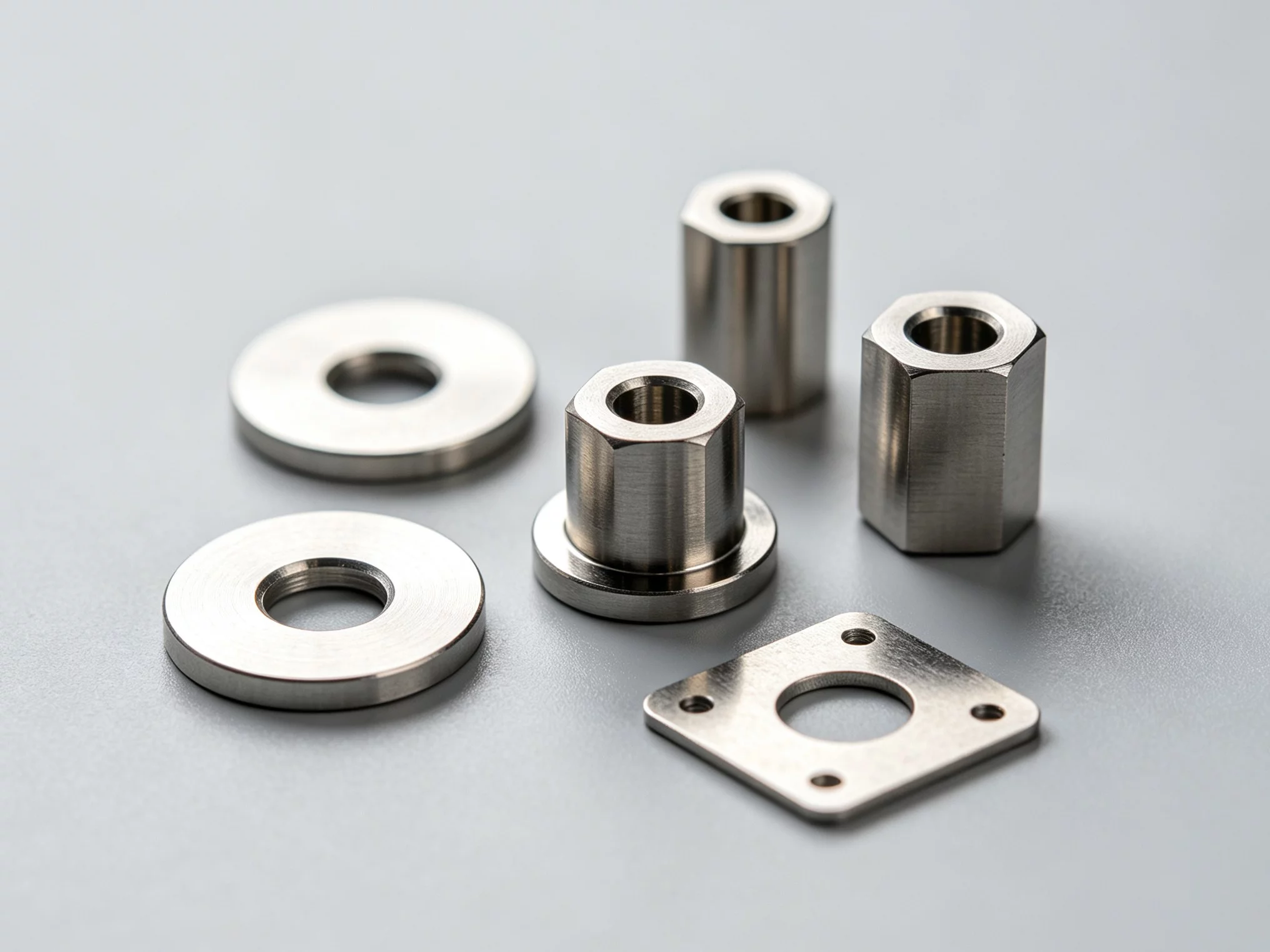
The term covers two common workflows. In the first, a 3D printed part is post-machined on a CNC mill or lathe to bring select surfaces to ±0.05 mm or tighter. In the second, a printed fixture or tooling blank is CNC-finished before it enters a production line. The printed base handles complex internal geometry; the machined faces handle fit, finish, and load-bearing interfaces.
Material selection depends on the printing technology. Metals such as 316L stainless, 17-4 PH, Inconel 718, and Ti-6Al-4V are typical for functional parts. Engineering resins and PEEK suit low-stress jigs and prototypes.
When Hybrid Beats Pure Machining
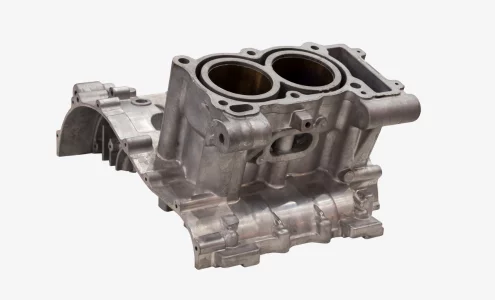
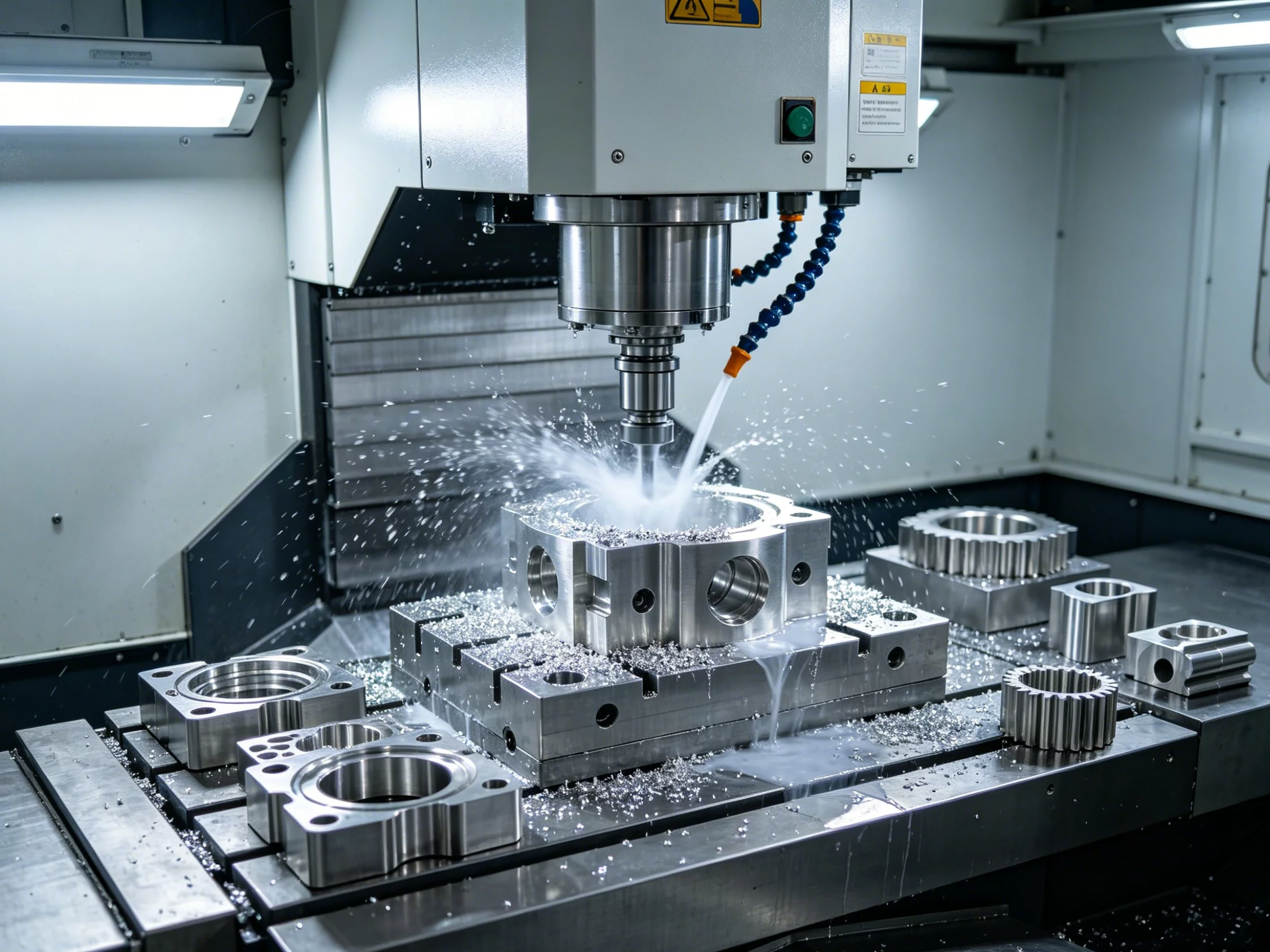
Straight Фрезерование с ЧПУ or turning from a solid blank works best when the part is mostly external, has simple curved surfaces, and needs high repeatability across hundreds or thousands of units. Hybrid adds clear value in other cases.
3:9:2:1:d:a:5:c:9:3:c:4:7:9:e:3:3:a:2:d:5:8:1:2:0:5:1:2:d:2:6:e
For high-volume production, dedicated Обработка на станках с ЧПУ on a solid blank almost always wins on cost per unit. For low-volume, complex-geometry work, the hybrid path avoids expensive multi-axis setup and long programming time. YPMFG can evaluate which route fits your part, quantity, and timeline before you commit to a quote.
Specifications to Confirm Before Ordering
A few missing details here often add a revision cycle of one to two weeks. Lock down the following on your drawing or spec sheet:
Tolerance and отделка поверхности on each machined face, marked individually rather than as a blanket callout
Material grade and heat-treatment condition (e.g., 17-4 PH H900, Ti-6Al-4V annealed)
Which faces are print-only and which require CNC finishing
Functional fit class: press fit, slip fit, threaded hole, or sliding interface
Inspection method: CMM, optical, or section cut
Постобработка requirements: deburring, passivation, anodizing, or coating
Sending these upfront lets the shop route the part through the right sequence and flag any feature that will not hold tolerance after printing.
Common Questions About CNC 3D Printed Parts
Can a 3D-printed part be machined to ±0.01 mm?
On faces that receive a final CNC pass, yes. Standard Обработка на станках с ЧПУ holds ±0.01 mm on aluminum or steel. Surfaces left as-printed typically land at ±0.1–0.3 mm. Mark the critical features clearly on your drawing.
Which materials work for hybrid metal projects?
316L stainless, 17-4 PH, Inconel 718, Ti-6Al-4V, and aluminum-SiC composites are the most common. Polymers like PEEK suit low-stress fixtures. The right choice depends on temperature, load, and corrosion exposure in your сценарий применения.
How does cost compare to a fully machined part?
For complex geometry at low volume, hybrid is often cheaper because you skip multi-axis tooling and long programming. For simple parts at high volume, a solid billet on a CNC lathe or mill usually costs less per unit. The break-even point shifts with part size and feature count.
What files should I send to start a project?
A STEP or IGES model, your 2D drawing with all tolerance callouts,material spec, quantity, and a short note on which surfaces are functional versus cosmetic. That package lets the shop select the correct manufacturing process sequence and give you a realistic lead time.
Need Help Deciding Between Printing and Machining?
If your part sits in the gray zone—complex enough that a straight CNC setup looks painful, yet too simple that printing alone will not hit your tolerance—send your drawing and specs to YPMFG. Our engineers will review the geometry, recommend the most cost-effective route, and flag any feature that may need a different machining strategy or an extra post-processing step. A spec review typically turns around in under two business days.