 Russian
  English
  German
  Japanese
  Korean
  Spanish
  French
  Italian
  Portuguese
 Краткий ответ:
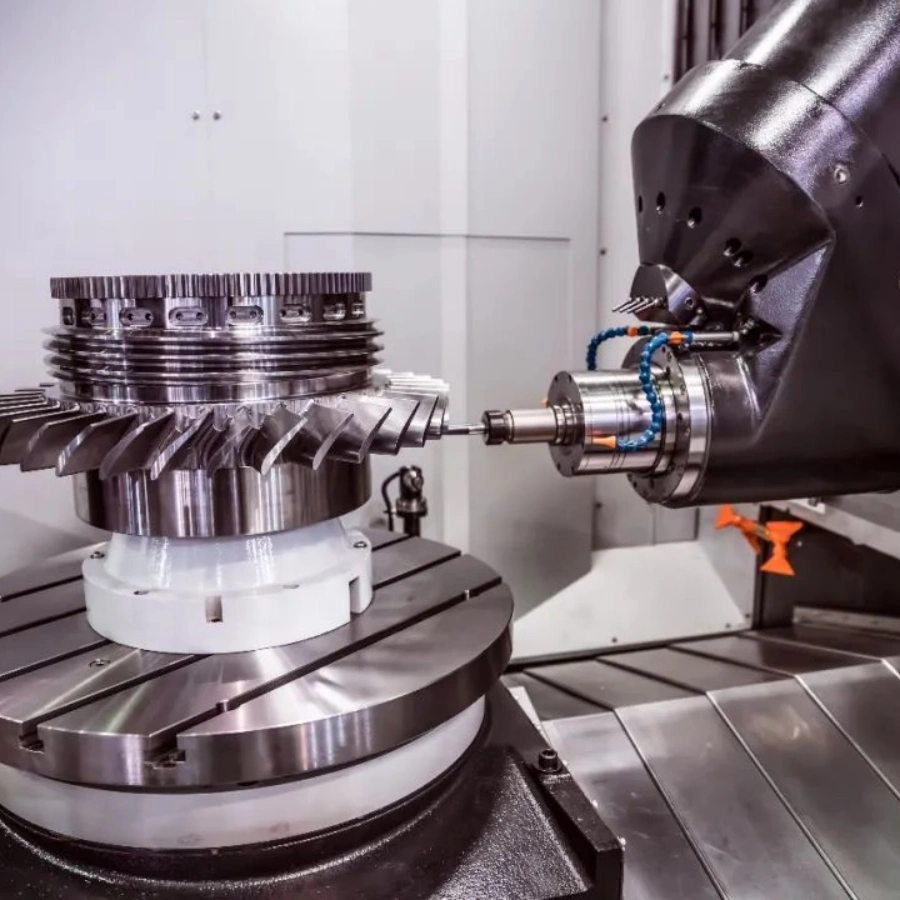
Обработка на станках с ЧПУ equipment selection comes down to matching spindle power, work envelope size, и axis configuration to your actual part geometry and material. A 3-axis machine handles flat plates and simple turning; a 5-axis setup covers complex impellers and turbine housings in fewer setups. Tolerance requirements, batch volume, and material type often matter more than raw machine price. The wrong fit creates rework, missed deadlines, and higher cost per part. Always verify the machine’s minimum tolerance claim under your specific material before committing to a purchase.
Most buyers overspend on a machine that does more than the job requires—or underspend and hit a wall at the first complex part. The gap between “it works” and “it works reliably across your full product range” is where procurement decisions go wrong. The specs,cost drivers, and matching logic below are meant to close that gap before you sign.
Core Specs That Determine Equipment Fit
Before comparing brands or prices, pin down three numbers: the largest part you will run, the tightest tolerance you must hold, and the material that will stress the machine most. These three inputs drive every other specification.
YPMFG supports buyers who need to confirm whether their part files will run within a given machine’s envelope and tolerance window before purchase. A short CAD-file feasibility check is a low-cost way to avoid a bad fit.
Material and Application Matching
A machine rated for mild steel at ±0.02 mm will behave very differently under titanium or Inconel. Harder alloys demand higher spindle torque, slower feeds, and sometimes dedicated tooling that the spec sheet rarely calls out.
For aerospace or medical components, verify that the machine holds positional accuracy after thermal drift over a full shift. Ask the supplier for a documented thermal-stabilization protocol rather than relying on the cold-start accuracy number.
5-axis milling of thin-walled parts introduces vibration risks that a 3-axis machine simply does not face. If your part list includes free-standing features, confirm the controller’s damping strategy and the tool rigidity at long overhangs.
YPMFG’s engineering team reviews material and geometry together when a buyer is unsure whether the current machine can handle a new alloy or a tighter tolerance.
Cost Factors Beyond Purchase Price
The sticker price is often the smallest line item over a five-year ownership window. Factor in tooling, coolant, calibration cycles, operator training, and planned downtime for maintenance.
A machine that needs a specialized coolant loop or a dedicated air compressor adds ongoing expense that is easy to miss in a one-time budget. Compare total cost of ownership, not just the invoice total.
Request a 12-month maintenance schedule and a parts list from the supplier. If the numbers are not published, ask directly. Vague answers about consumable replacement intervals are a risk flag.
Practical Questions Before Finalizing a Purchase
What is the minimum batch size before this machine becomes economical?
It depends on setup time and part complexity. High-volume simple parts suit dedicated lathes; low-volume complex parts favor multi-axis machines. Ask for a cycle-time estimate at your target volume.
Can the machine hold ±0.005 mm over a 12-hour shift?
Check the thermal-stabilization time and the accuracy rating under sustained load, not just the cold-start figure. Request the positional accuracy report taken at operating temperature.
What happens if I need a larger work envelope later?
Confirm whether the table and travel can be expanded or whether a new bed is required. A modular design reduces long-term risk and keeps the footprint in your existing bay.
Does the supplier provide post-machining inspection data?
A reliable process includes CMM reports or on-machine probing after each run. Without documented dimensional data, you are accepting risk on every batch.
What is the typical lead time for custom tooling and fixtures?
It varies by complexity, but a standard collet or vise fixture can take two to four weeks. Build that time into your production schedule from day one.
Getting the Right Fit for Your Parts
The right CNC machining equipment is the one that matches your geometry, material, tolerance, and volume—not the most powerful or most expensive option on the list. Start by writing down your top five part types, their critical dimensions, and the materials you run most.
Send those specs and CAD files to YPMFG for an engineering review. The team will flag envelope conflicts, suggest an appropriate axis configuration, and outline a realistic maintenance plan so you buy the machine your parts actually need.