 Russian
  English
  German
  Japanese
  Korean
  Spanish
  French
  Italian
  Portuguese
 Краткий ответ:
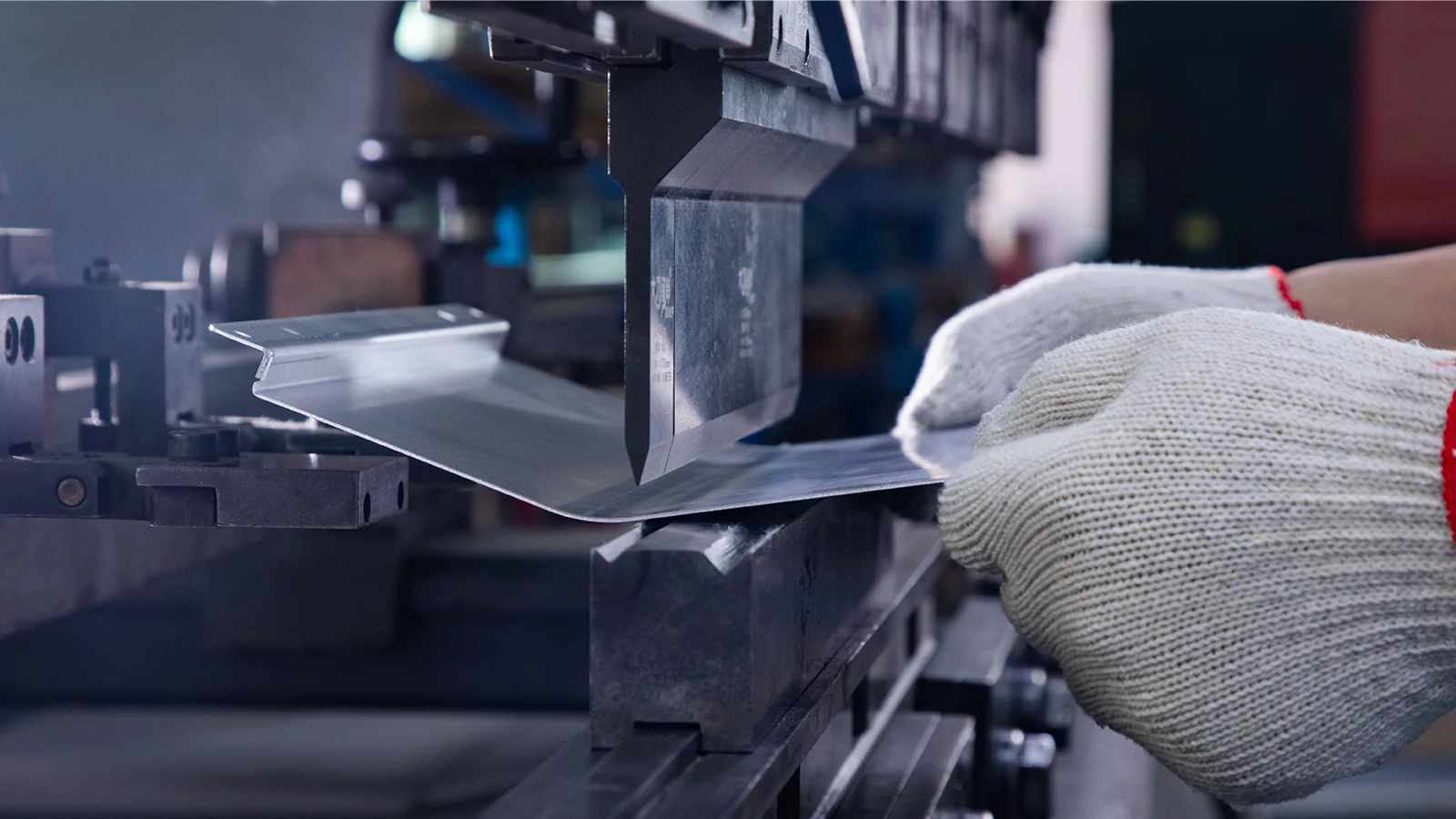
OEM custom sheet metal fabrication means having a manufacturer produce metal enclosures, brackets, chassis, or structural components to your exact drawings and specifications. Before you place an order, you need to confirm five things: material grade, tolerance requirements, surface finish, welding or bending process, and batch traceability. Skipping any of these creates rework, delayed shipments, or parts that fail in assembly. The right fabricator will walk you through each of these before cutting metal.
Содержание
Why Sheet Metal Specs Matter More Than Unit Price
Key Спецификации to Lock Down Before Ordering
Выбор Изготовление Partner
Практические вопросы, которые следует задать себе перед принятием решения
Принятие более взвешенного долгосрочного решения
Why Sheet Metal Specs Matter More Than Unit Price

Most procurement teams compare Изготовление листовых металлоконструкций по индивидуальным заказам OEM quotes on price alone. That misses the bigger cost picture. A part that is 15% cheaper upfront but requires three rework cycles costs more than a correctly specified part from the start.
Tolerance drift, wrong material grade, or inconsistent weld quality each add inspection labor, scrap, and assembly-line downtime. In many cases, the total ownership cost of a poorly specified part exceeds a well-specified one by 40–60% over a production run.
YPMFG works with buyers on this exact issue. We review your drawings before quoting and flag tolerance or material gaps that would cause problems during assembly or testing.
Ключевые спецификации, которые нужно зафиксировать до заказа
Before any fabricator can price your part accurately, you need a complete spec sheet. Here is what to verify:
If your current drawings show only general tolerances, ask your fabricator to flag which features actually drive fit and function. Not every edge needs the same precision. Допуски that are tighter than your application requires add cost without adding value.
Choosing a Fabrication Partner
You do not need the cheapest quote. You need a partner who reads your drawings the way your assembly team will.
Check these before signing a purchase order:
Can they run a prototype or small batch before full production? Prototype testing catches design errors while the fix is cheap.
Do they document each process step? Bending, welding, deburring, and finishing each need a recorded parameter or operator ID.
What is their material sourcing chain? For aerospace, medical, or food-contact applications, mill certifications and heat-lot traceability are non-negotiable.
Do they offer an engineering review of your drawings? A short pre-production review often saves weeks of rework later.
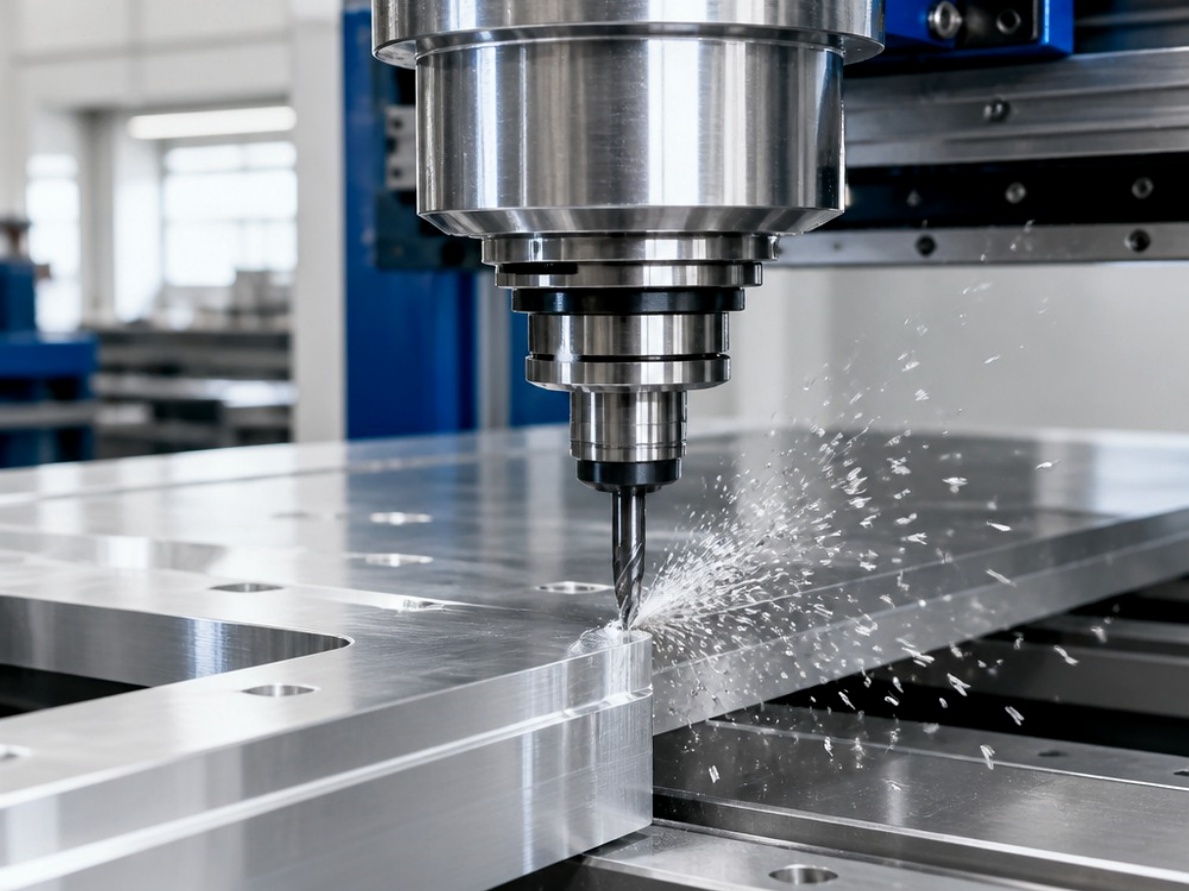
YPMFG supports projects that require custom manufacturing across multiple process steps, from laser cutting and CNC bending to Обработка на станках с ЧПУ for added features. If your part mixes bent sheet with machined inserts, ask whether one supplier can handle both under a single quality gate.
Практические вопросы, которые следует задать себе перед принятием решения
How many prototypes should I run before full production?
For a new design, three to five units is typical. This range covers edge cases in bending, weld fit-up, and surface finish. Adjust the count up if your part feeds into a regulated assembly.
What file formats do fabricators prefer?
Most shops work from STEP or IGES 3D models plus a 2D drawing with full tolerances. PDF-only submissions slow down quoting and increase the chance of misread dimensions.
How do I verify weld quality on a sample batch?
Request visual inspection records, and for critical joints, ask for dye-penetrant or radiographic test reports. The specific standard depends on your industry, so confirm which one applies before the first batch.
What lead time should I expect for 500 units of a custom bracket?
Depending on material availability and complexity, 4 to 8 weeks is common for a first batch. Reruns of a stable design typically compress to 2 to 4 weeks. Always confirm dates in writing.
Принятие более взвешенного долгосрочного решения
A sheet metal part is not a one-time purchase. It will enter your product for years, and every defect you accept at the start multiplies through every unit you ship. Lock down material grade, per-feature tolerances, finish spec, and traceability before the first prototype leaves the floor.
If you want a second set of eyes on your drawings before you commit to a supplier, send your specifications to YPMFG for a review. We will flag gaps, suggest process alternatives, and return a clear scope so your first batch arrives the way your assembly team expects.