English
 German
 Russian
 Japanese
 Korean
 Spanish
 French
 Italian
 Portuguese

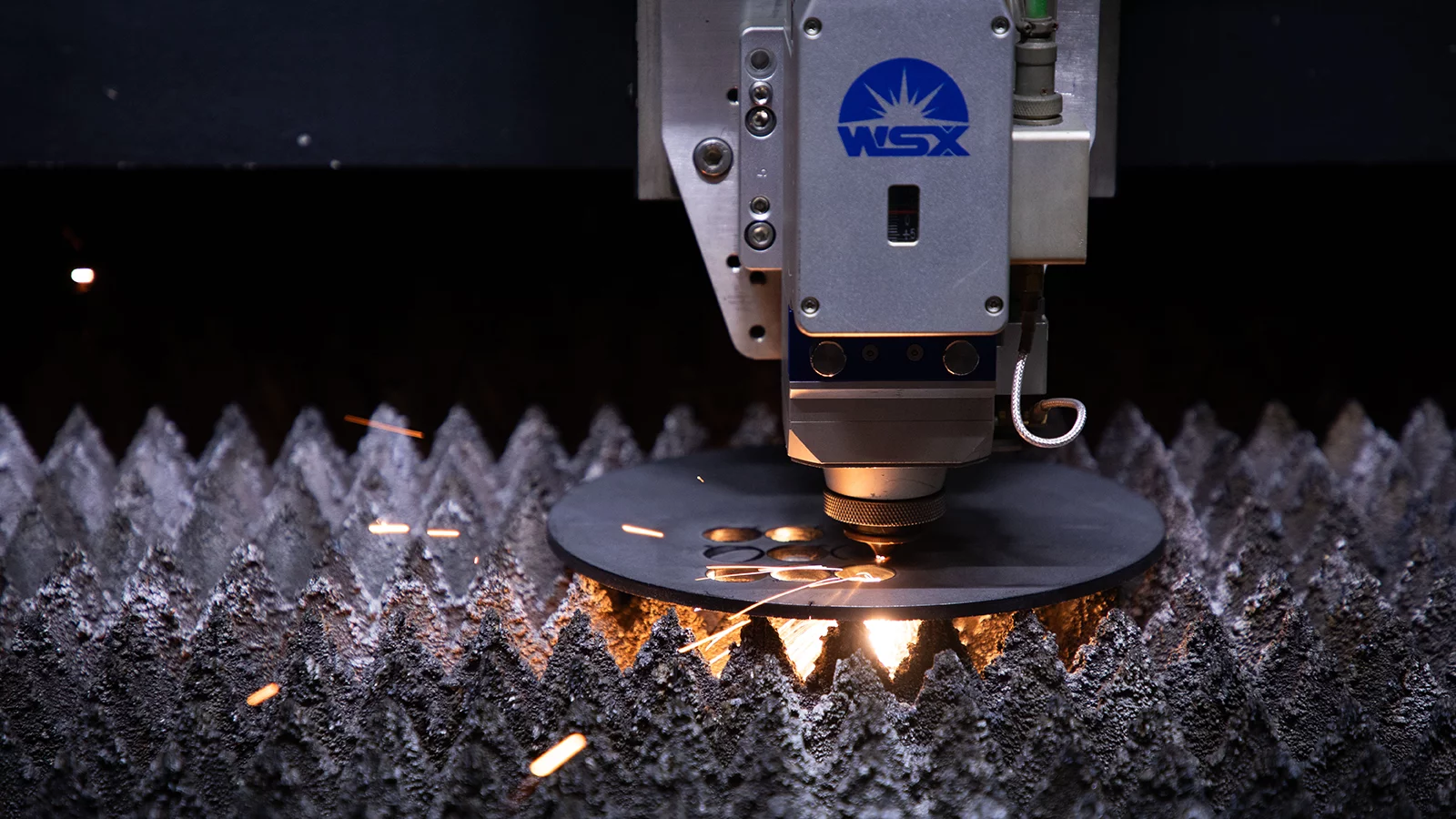
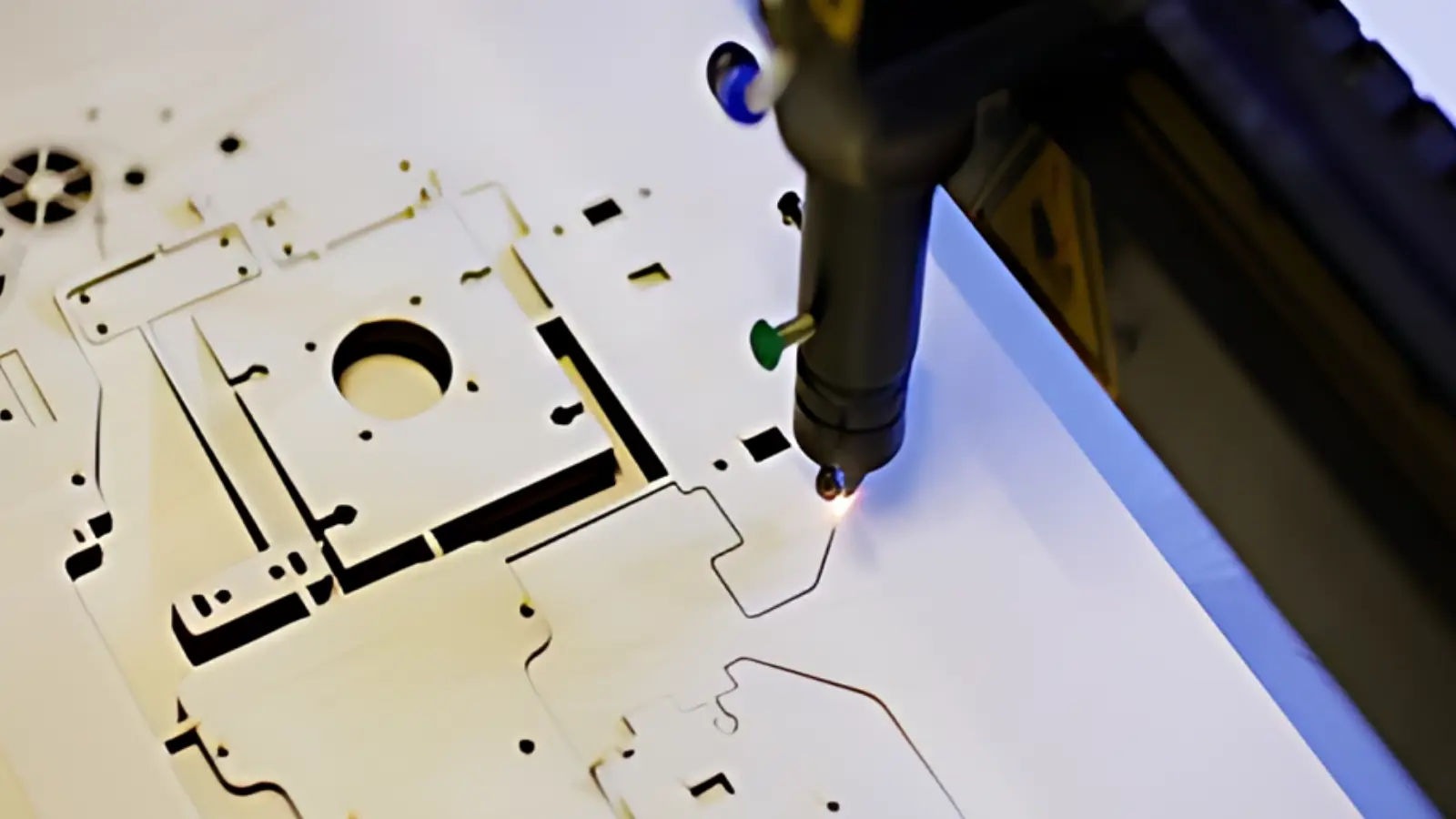
Custom sheet metal fabrication in stainless steel involves cutting, bending, welding, and finishing panels to meet exact dimensional and performance requirements. Most buyers select between 304 and 316L grades based on corrosion exposure, mechanical load, and budget. The workflow runs from material selection through laser or plasma cutting, press forming, TIG welding, and surface treatment. Tolerance range, grain direction, and finish grade all shift cost and long-term durability. Projects with tight specs or food-grade requirements benefit most from a supplier reviewing drawings before production starts. Getting the process sequence right in the first round avoids weeks of rework.
Sourcing custom stainless steel parts for industrial, medical, or food-processing applications means balancing grade, thickness, tolerance, and finish against budget and timeline. Each variable compounds. YPMFG supports buyers who need engineered sheet metal components and helps lock specifications before committing to a production run. The goal is a part that fits, performs, and lasts without surprise revisions.
Choosing the Right Stainless Steel Grade
The stainless steel grades you select set the ceiling for corrosion resistance, strength,and temperature range. 304 stainless handles most indoor and light-chemical environments. 316L adds molybdenum, which improves resistance to chlorides and acidic conditions. For outdoor or marine exposure, 316L is often the minimum viable choice.
Thickness matters just as much as grade. A 1.5 mm panel and a 3 mm panel of the same grade behave differently under bending stress. Thinner sheets flex more and show springback, which affects bend tolerance accuracy. If your part has multiple bends, the minimum bend radius shifts with thickness and material batch.
Before locking a grade, verify the following with your supplier:
Actual carbon content (304L versus standard 304)
Surface finish on the mill certificate (2B, No. 4, or mirror)
Whether the material is cold-rolled or hot-rolled
Certificate of conformance for each heat lot
YPMFG reviews your drawing package and flags conflicts between a specified grade, finish, and the forming process before you commit to tooling. This step catches issues that typically surface mid-production and cost far more to fix later.
Tolerances, Bending, and Fabrication Parameters
Standard press-brake tolerances for stainless steel fall between ±0.5° and ±1° for angle accuracy, and ±0.5 mm for length on panels under 1 m. Tighter specs push the project into CNC sheet metal fabrication workflows with secondary operations. Every 0.1 mm of tolerance you tighten adds machining time and scrap risk.
Grain direction is a detail many buyers miss. Stainless sheets are rolled, so the grain runs in one direction. Bending across the grain produces a cleaner fold than bending with it. For parts that see cyclic loading, specify the grain orientation directly on the drawing.
TIG welding on 304 or 316L can cause intergranular corrosion if heat input runs too high. A supplier experienced in stainless steel welding will use controlled pulse settings and post-weld passivation when the part contacts food or chemicals.
Key parameters to confirm on your spec sheet:
Inside bend radius for each leg
Minimum flat-pattern dimension versus final formed dimension
Weld type, leg length, and fill material
Acceptable surface finish after welding (ground, passivated, or as-welded)
Get these in writing before the first panel is cut.
Stainless Steel Grade Comparison at a Glance
Each row shifts the fabrication strategy. 17-4 PH, for instance, is supplied solution-annealed and requires aging to reach full strength, which adds a heat-treat step and associated cost to the quote.
Questions Buyers Often Ask Before Ordering
What is the minimum order quantity for custom stainless steel sheet metal parts?
It depends on tooling and setup. Simple laser-cut panels can start at a single unit. Parts requiring dedicated die sets or fixtures may need a minimum run of 50–100 pieces to make amortized tooling cost workable. YPMFG quotes both low-volume and production-scale options so you can compare per-unit cost at different quantities.
How do I reduce cost without dropping the grade?
Review whether every feature on your drawing needs the same tolerance level. A ±0.1 mm spec on a non-critical edge adds machining time for no functional gain. Also ask if a slightly thicker sheet with fewer bends can replace a thinner sheet with many formed features. Fewer operations usually mean lower cost and less cumulative error.
Do I need to specify the surface finish before or after fabrication?
Specify the post-fabrication finish. Cutting and bending alter the surface, so a No. 4 finish called out on the raw sheet will not survive the forming process. State whether you need a passivated, brushed, or mirror finish after all forming and welding are complete.
What surface finish should I request for indoor versus outdoor applications?
For indoor, non-corrosive environments a 2B or No. 4 brushed finish is typically sufficient. For outdoor or coastal exposure, request a passivated or PTFE-coated finish to slow pit initiation. Confirm the finish specification with your material supplier so the mill cert matches what you actually need on the panel.
Making a Better Long-Term Decision
Getting stainless steel sheet metal fabrication right comes down to locking material grade, tolerance, grain direction, and finish before the first panel is cut. A clear spec sheet and an engineering review at the drawing stage prevent rework cycles and cost overruns. Send your drawings, material requirements, and quantity targets to YPMFG. The team will return a feasibility assessment, recommended process route, and itemized quotation so you can compare options against your current solution before committing to a run.