English
 German
 Russian
 Japanese
 Korean
 Spanish
 French
 Italian
 Portuguese

A medical device prototype must clear three gates: material traceability,biocompatibility screening, and ISO 13485-aligned documentation. Skip any one and the design fails regulatory review before it ever reaches a user.
Most medical device teams lose 6 to 8 weeks on prototype rework because the first build skips biocompatibility validation or tolerance stacking. The gap sits between CNC machining tolerances and the actual load the part carries in vivo. YPMFG works with design teams to close that gap before the first cut is made. What follows walks through where prototypes fail and what to verify at each stage.
- Material traceability: Every lot needs an ASTM or ISO 13485 certificate; unbranded 316L stock fails a regulatory audit.
- Tolerance stacking: Three mating features at ISO 2768-m can drift past the 0.1 mm envelope on a sliding joint.
- Regulatory documentation: A prototype without a Design History Record cannot enter a 510(k) submission.
What Makes Medical Device Prototyping Different?
A medical device prototype is not a visual mockup. It must carry full material traceability and a documented design intent that an auditor can follow end to end.
Standard CNC parts ship with a dimension report. A medical part ships with a Design History Record, lot numbers tied to ASTM or ISO 13485 certificates, and biocompatibility test data per ISO 10993-1. The machining process stays the same; the validation chain and paperwork are what separate the two workflows.
- Material lot certificates: ASTM F899 for 316L, ASTM F136 for Ti-6Al-4V
- Surface finish spec per ISO 2768 or ASME Y14.5
- DFM notes from the design team on wall thickness and draft angles
- Lot ID laser-marked on each part before deburr

The next step is sending your BOM and tolerance stack-up to YPMFG for an engineering review before any material is cut.
CNC holds ±0.02 mm on a flat surface, but micro-channels below 0.3 mm width often require LIGA or photo-etched processes instead.
Which Materials Pass Regulatory Review?
Material choice gates everything downstream. The wrong alloy stalls FDA review no matter how tight your tolerances are.
For implants and body-contact parts, 316L and Ti-6Al-4V dominate. 304 SS suits external housings. Thermoplastics such as medical-grade ABS and PC cover non-implant enclosures. Nylon 11 or 12 handles flexible gaskets and wear pads. The material must match the intended use class defined in your risk file.
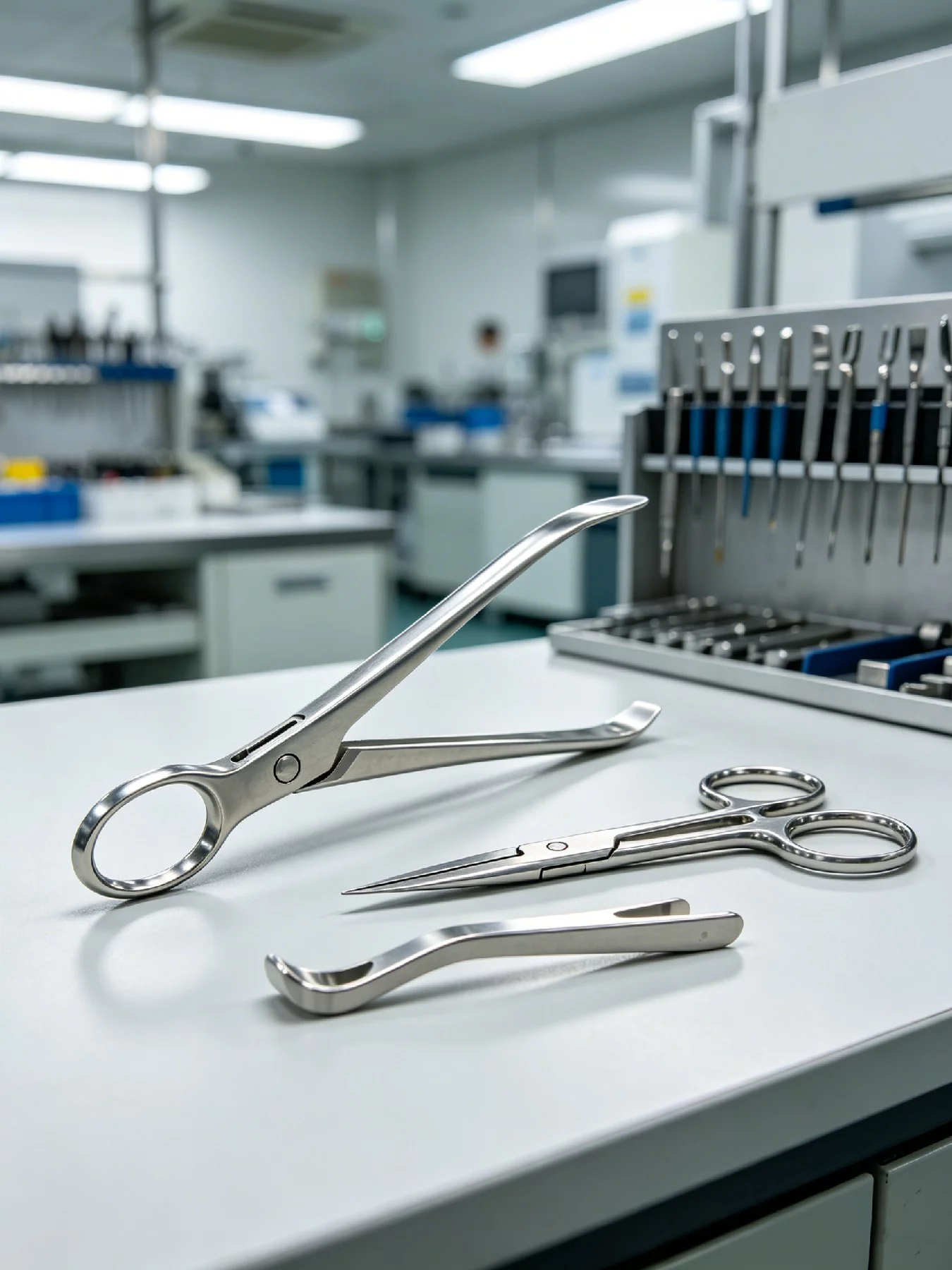
Always request the mill certificate and confirm the lot number matches your DHR before cutting. No single plastic replicates metal fatigue life; above a few thousand flex cycles, switch to a metal or composite.
Where Do Prototypes Fail Before Production?
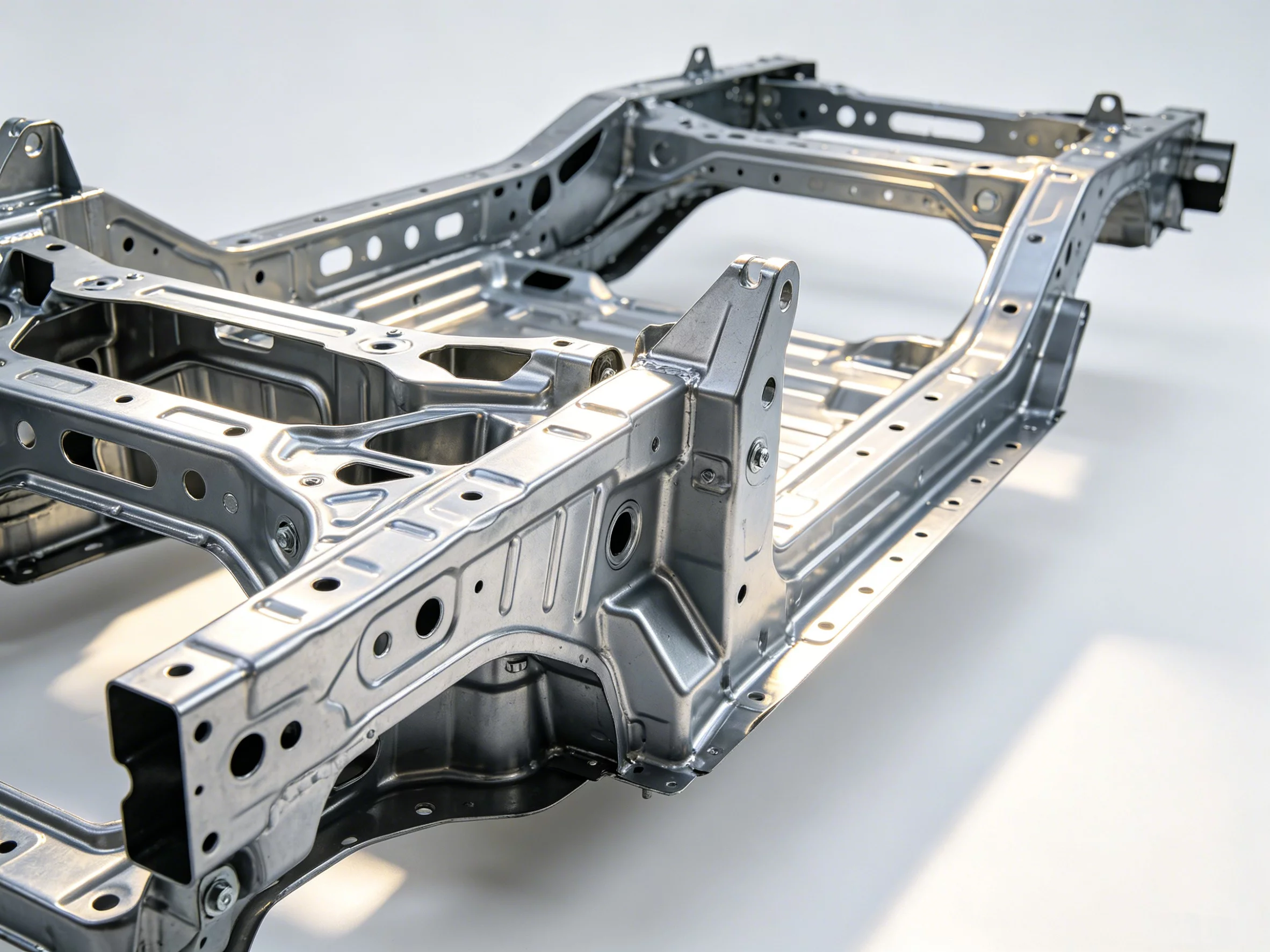
The top failure mode is tolerance stacking across three or more mating features. Each part sits within spec, but the assembled unit drifts out of envelope.
A 5-axis CNC part with 4 mating surfaces at ISO 2768-m accumulates worst-case error fast. Run a tolerance stack-up in CAD before ordering. Flag any assembled gap below 0.05 mm for a tighter machining route or a press-fit redesign.
- Gap > 0.1 mm across 3 joints: relax spec or add a shim
- Surface finish unspecified: default Ra is too rough for sliding joints
- Wall thickness < 0.5 mm on a molded part: add rib support in DFM
- Material lot not matched to DHR: traceability break, re-quote required
YPMFG can run a DFM review on your STEP file and flag risk features within 48 hours. No machining shop holds a 0.005 mm gap in a 12-feature assembly without a fixturing redesign; plan for a press-fit or snap-fit there.
How a 3-Axis CNC Route Handles a Sliding-Joint Prototype
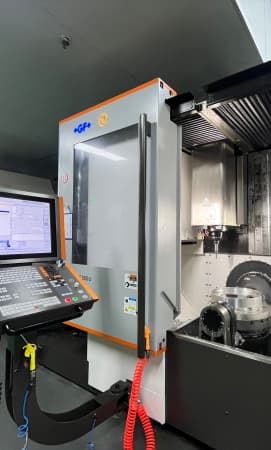
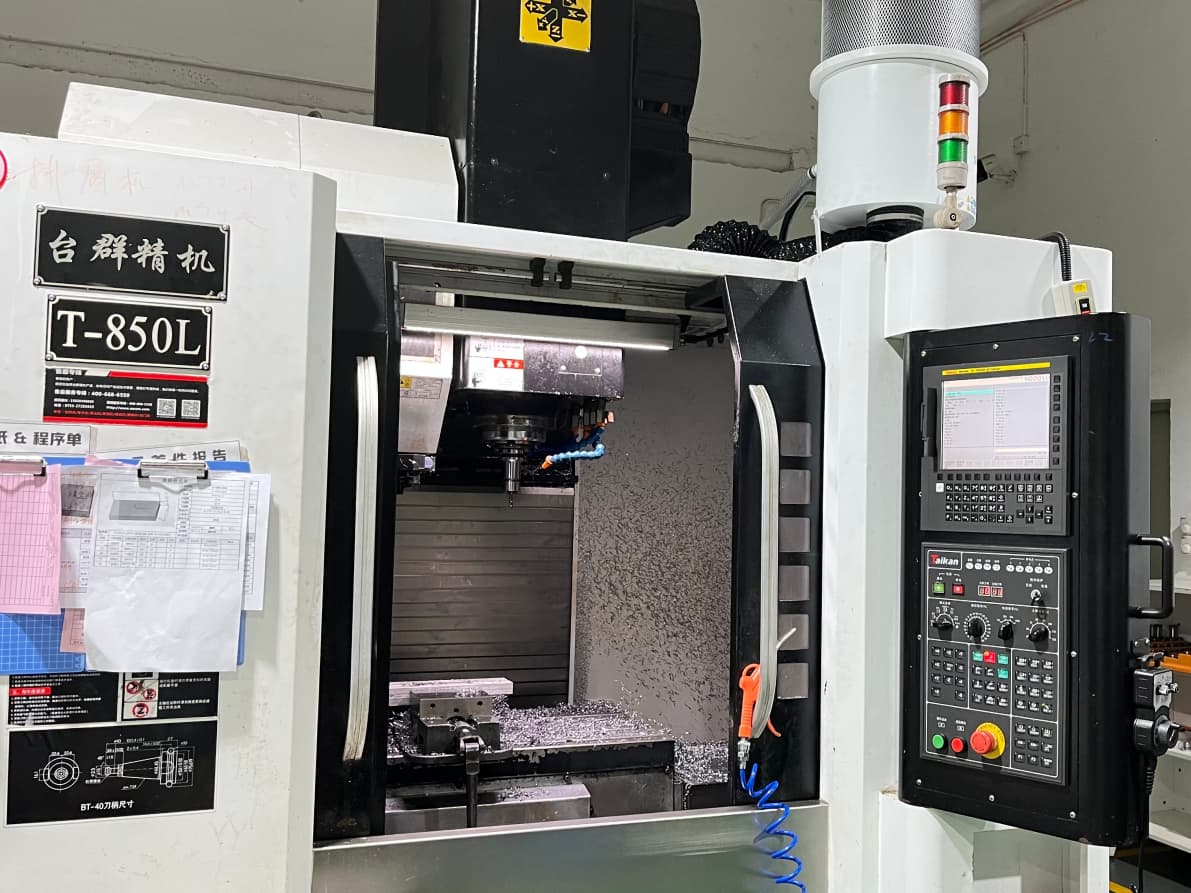
Typical sliding-joint prototypes (guide rails, actuator housings) follow a 3-axis CNC route on 316L or 304 stock. The sequence: rough mill → finish mill to ±0.02 mm → deburr → surface finish per ISO 2768 → dimensional report plus lot certificate.
Key control points: fixturing flatness under 0.01 mm and tooling wear checks every 20 parts. The most common failure is an unmarked lot number traced to the wrong material batch. Prevention: laser-mark each part with its lot ID before the deburr step.
Process Route Reference: YPMFG process library, reviewed against published tooling data. Client-specific data withheld per NDA.
Common Questions Before You Order a Medical Device Prototype
Can CNC hold a 0.01 mm tolerance on a medical part? No. Practical CNC floor sits near 0.02 mm on a stable setup. Below that you need grinding or lapping, which adds a separate process step and cost.
Do I need ISO 13485 from my prototyping shop? Only if the prototype feeds a 510(k) or MDR file. For internal design validation, a documented DHR and material certificates suffice. YPMFG can supply either level on request.
What is the fastest route from CAD to a biocompatible sample? Three-day 3-axis CNC on 316L stock, then ISO 10993-5 screening. Total turnaround is roughly 3 to 7 days plus 5 days for lab testing.
Choosing the Right Prototype Path for Your Device
The right first build saves 6 weeks of rework. Send your STEP files, BOM, and tolerance stack-up to YPMFG for a free engineering review. The team flags DFM risks, material compliance gaps, and fixturing issues before any material is cut. You receive a written risk list and a recommended process route within 48 hours. From there, a three-day prototype lands on your desk with full traceability documentation and the ISO 13485-aligned records your next submission needs.