 English
  German
  Russian
  Japanese
  Korean
  Spanish
  French
  Italian
  Portuguese
 Quick answer: CNC prototype machining uses computer-controlled milling or turning to produce single or small-batch functional parts from solid material. Unlike additive processes, it delivers true material strength, tighter dimensional accuracy, and repeatable surface quality in metals, engineering plastics, and composites. Most prototype runs sit between 1 and 50 units. You define geometry, material, ±0.01 mm tolerance class,finish, and functional requirements before release. Total prototype lead time typically ranges from 3 to 10 business days depending on part complexity and shop queue.
If you are deciding whether CNC is the right process for your next design iteration, the biggest risk is not the machine. It is sending incomplete or ambiguous specifications. The decisions below keep your prototype on schedule.
In this article:
What CNC prototype machining covers
When CNC beats 3D printing
Specs to lock down before quoting
Mistakes that add days
Questions to ask before ordering
What CNC Prototype Machining Actually Covers
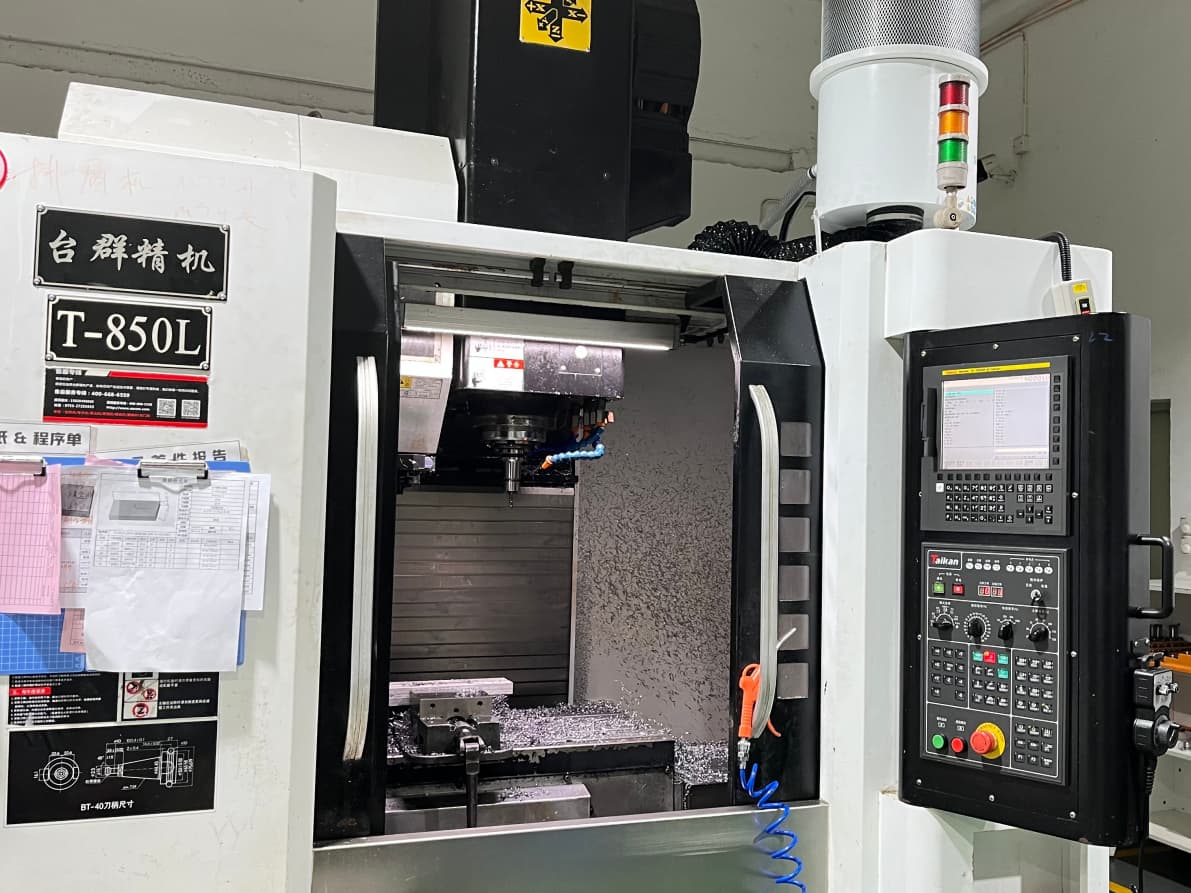
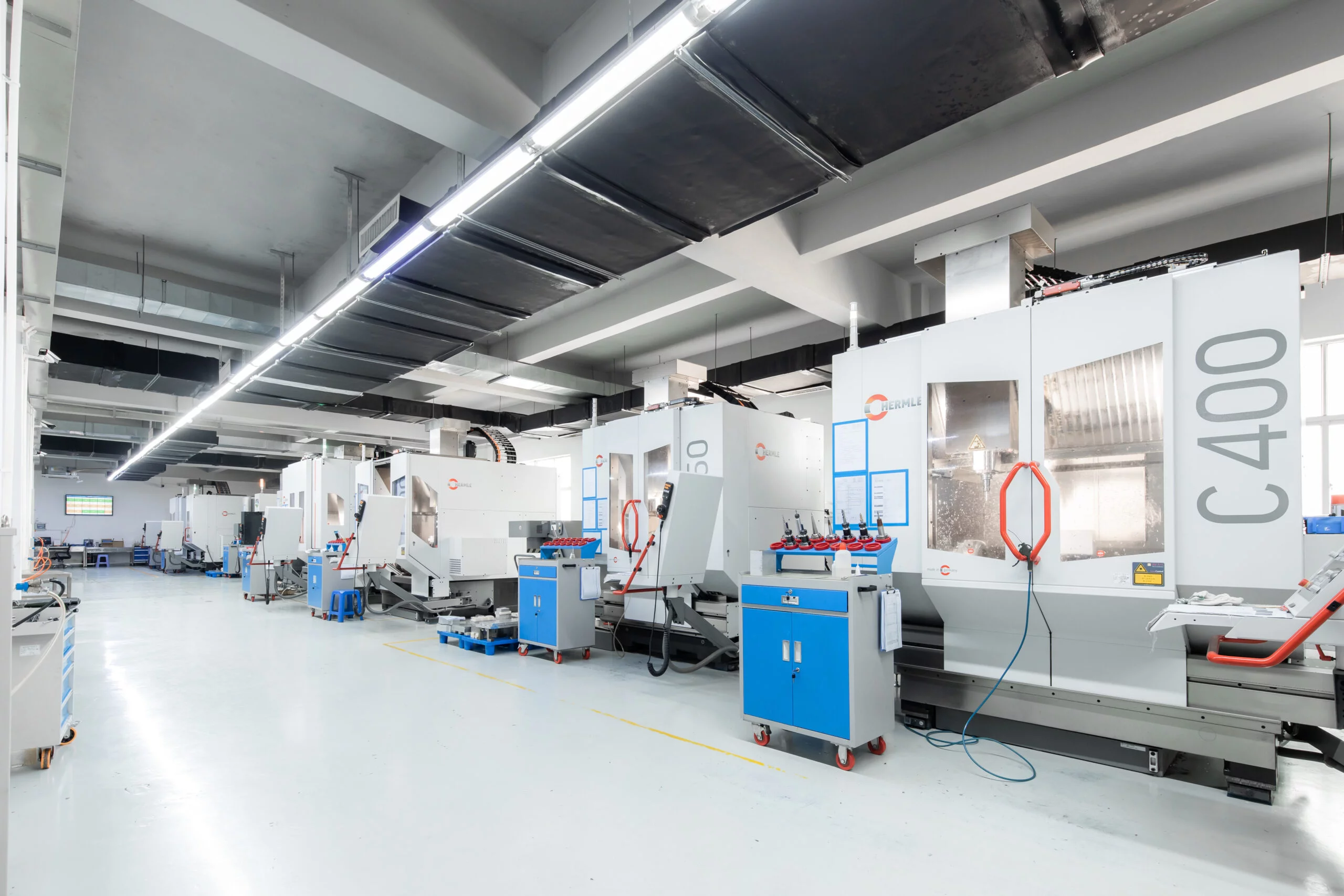
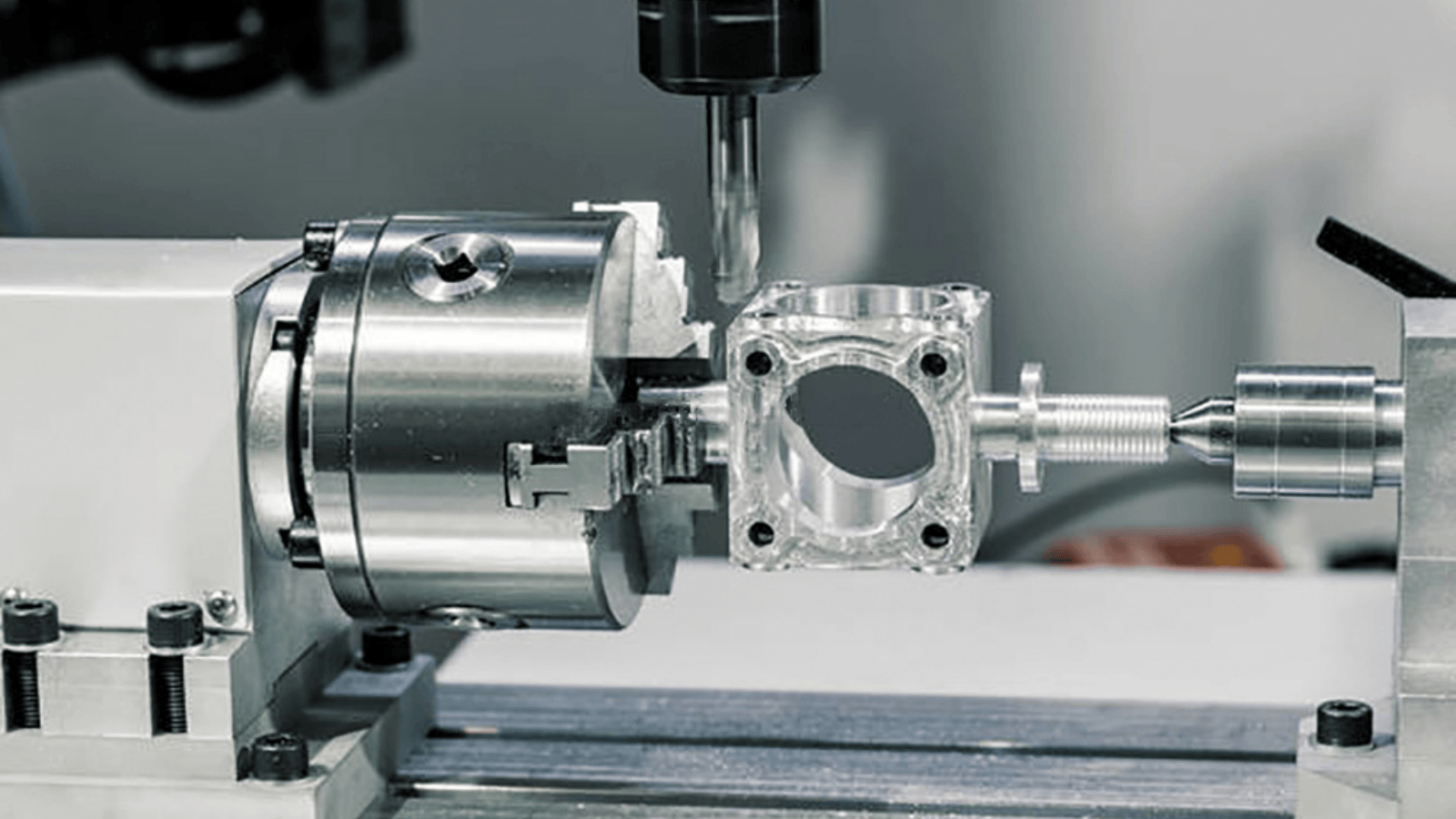
CNC prototype machining spans three core processes: 3-axis or 5-axis milling, CNC turning, and hybrid mill-turn. Each removes material from a solid bar or plate.
Milling handles pockets, multi-face features, internal threads, and complex geometries. Turning produces axis-symmetric components such as shafts, couplings, and housings. Mill-turn centers combine both in one setup, which saves fixturing time on parts that need internal and external features.
For a first prototype, 3-axis milling covers most mechanical components. You need 5-axis capability when the part has undercuts, steep compound angles, or features on more than three faces in a single operation.
When CNC Is the Better Choice
Material behavior is the deciding factor. Printed parts may look correct but rarely match the fatigue, thermal resistance, or impact strength of machined aluminum 6061-T6, 304L stainless, or PEEK.
Tolerance is the second factor. Machined prototypes typically hold ±0.01 mm to ±0.025 mm per feature. FDM prints often drift ±0.1 mm or more and can fail at assembly.
If your prototype must pass drop tests, thermal cycling, or sustained load before the design is frozen, machining gives you a part that behaves like the production version.
Specs to Lock Down Before Quoting
The most common cause of delayed quotes and rework is ambiguity in the drawing. Confirm these parameters before you send anything:
Getting these five items into one clean drawing or BOM sheet lets a shop price the job in a single pass. YPMFG supports prototype projects where specifications need validation against shop capability before the first cut. You can send CAD files and a short requirements list for a design-for-manufacturability review before committing.
Mistakes That Slow a Prototype Down
Sending a 3D file with no tolerance callouts. The shop has to guess, which means either over-machining (extra cost) or under-machining (rework).
Specifying a material that is hard to machine in thin sections. 316L stainless at 2 mm wall thickness, for example, increases deflection risk during cutting.
Ordering 20 units at once without validating one part first. A single-piece trial exposes fixturing, chip evacuation, and cycle-time issues early.
Ignoring thread engagement depth. A 2 mm engagement on an M6 fastener may pass on paper but strip under vibration.
Each of these mistakes adds 1 to 5 business days to your schedule. A quick engineering review from your shop catches them before material is cut.
Questions to Ask Before You Order
How many units do I actually need at this stage?
One to three parts validate geometry and fit. Ten to fifty begin functional load testing. Ordering 200 before the design is frozen is a cost trap.
What tolerance should I call on the drawing?
Match the tolerance to the function. A housing stack-up may need ±0.05 mm. A bearing seat may need ±0.01 mm. Do not spec the entire part at the tightest limit.
How will the shop inspect the finished part?
Ask for a CMM report, optical scan, or go/no-go gauge check. Confirm whether the inspection report is included in the quote or billed separately.
Do I need a DFM review before cutting?
If features include thin walls, deep pockets, or tight internal threads, a DFM pass flags problems while they are still free to fix on screen.
Getting Your Prototype Done Right
The goal of a small-batch prototype is to catch design and manufacturing risk while it is still cheap to fix. Lock your material, tolerance, finish, and test criteria. Send a clean CAD file with all callouts. Then request a quick manufacturability check so the shop can flag issues before the first cut.
YPMFG handles CNC prototype projects from a single trial part to a 50-unit batch. Send your drawing and specification list to request a quote and manufacturing-feasibility assessment.