 English
  German
  Russian
  Japanese
  Korean
  Spanish
  French
  Italian
  Portuguese
 Quick answer:
CNC machined turning and milling parts are precision metal or plastic components produced by removing material from a workpiece using computer-controlled rotating tools. Turning shapes cylindrical parts like shafts and bushings, while milling creates complex geometries with slots, holes, and flat surfaces. These processes are typically combined in a single CNC machining service to deliver tight tolerances—often within ±0.01 mm—across materials ranging from aluminum and stainless steel to engineering plastics. The right combination depends on your part geometry, material, volume, and surface finish requirements.
Many buyers struggle to determine whether their design is better suited for turning, milling, or a hybrid approach. This uncertainty can lead to longer lead times, higher costs, and parts that do not meet functional specifications. Understanding how each process works and when to use it is essential for making informed procurement decisions.
Understanding CNC Turning and Milling Processes
What Is CNC Turning?
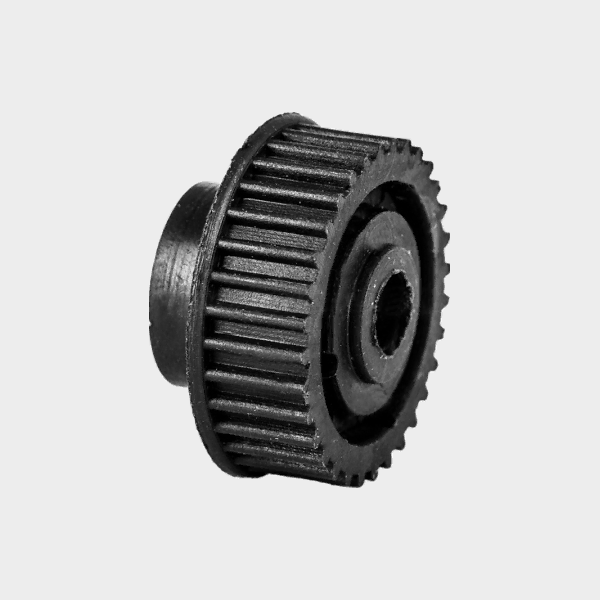
CNC turning is a subtractive manufacturing process in which a workpiece rotates against a stationary cutting tool. The tool moves along the Z-axis and X-axis to remove material and create cylindrical or conical shapes. This process excels at producing parts with rotational symmetry, such as:
Shafts and axles
Bushings and sleeves
Nuts and bolts
Connectors and fittings
The primary advantage of turning is its ability to achieve high surface finishes and consistent dimensional accuracy on round profiles. Modern CNC turning centers can also perform secondary operations like drilling, threading, and grooving without requiring additional setup steps.
What Is CNC Milling?
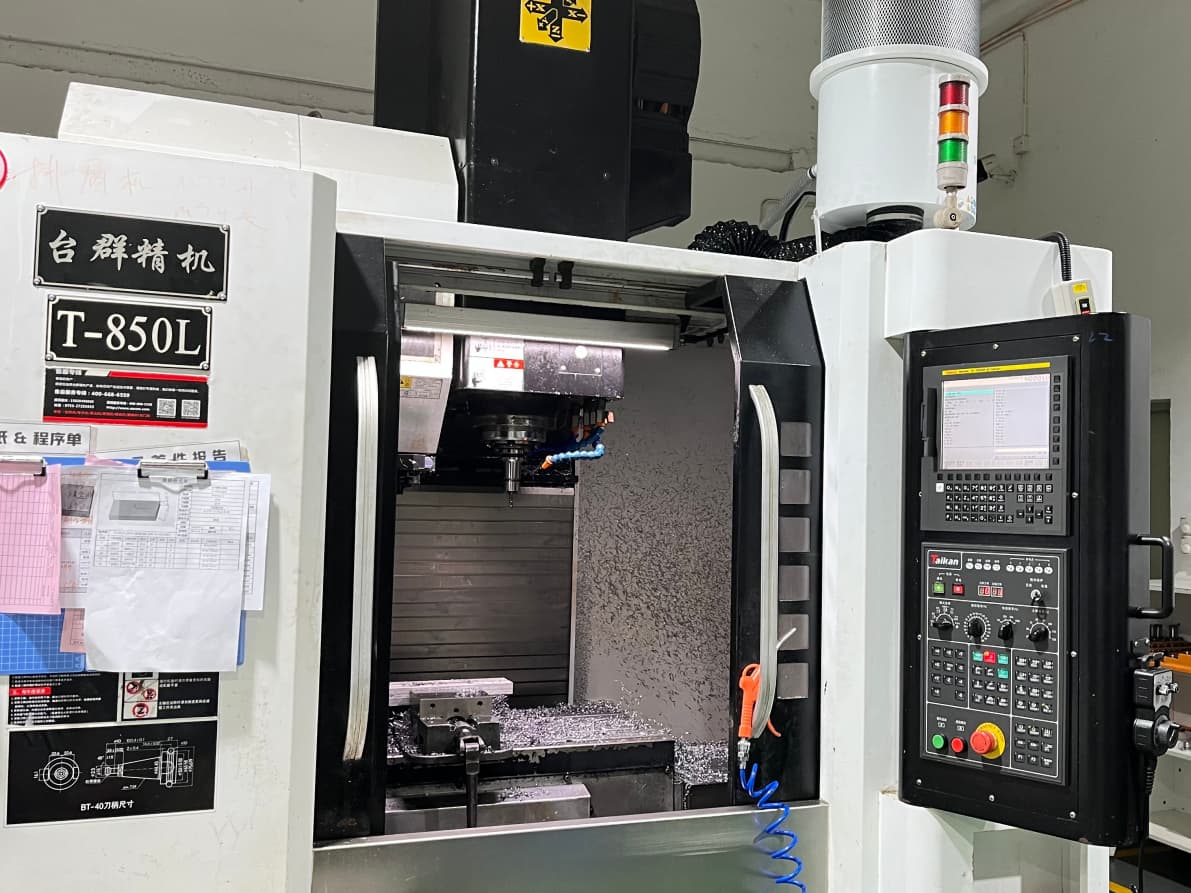
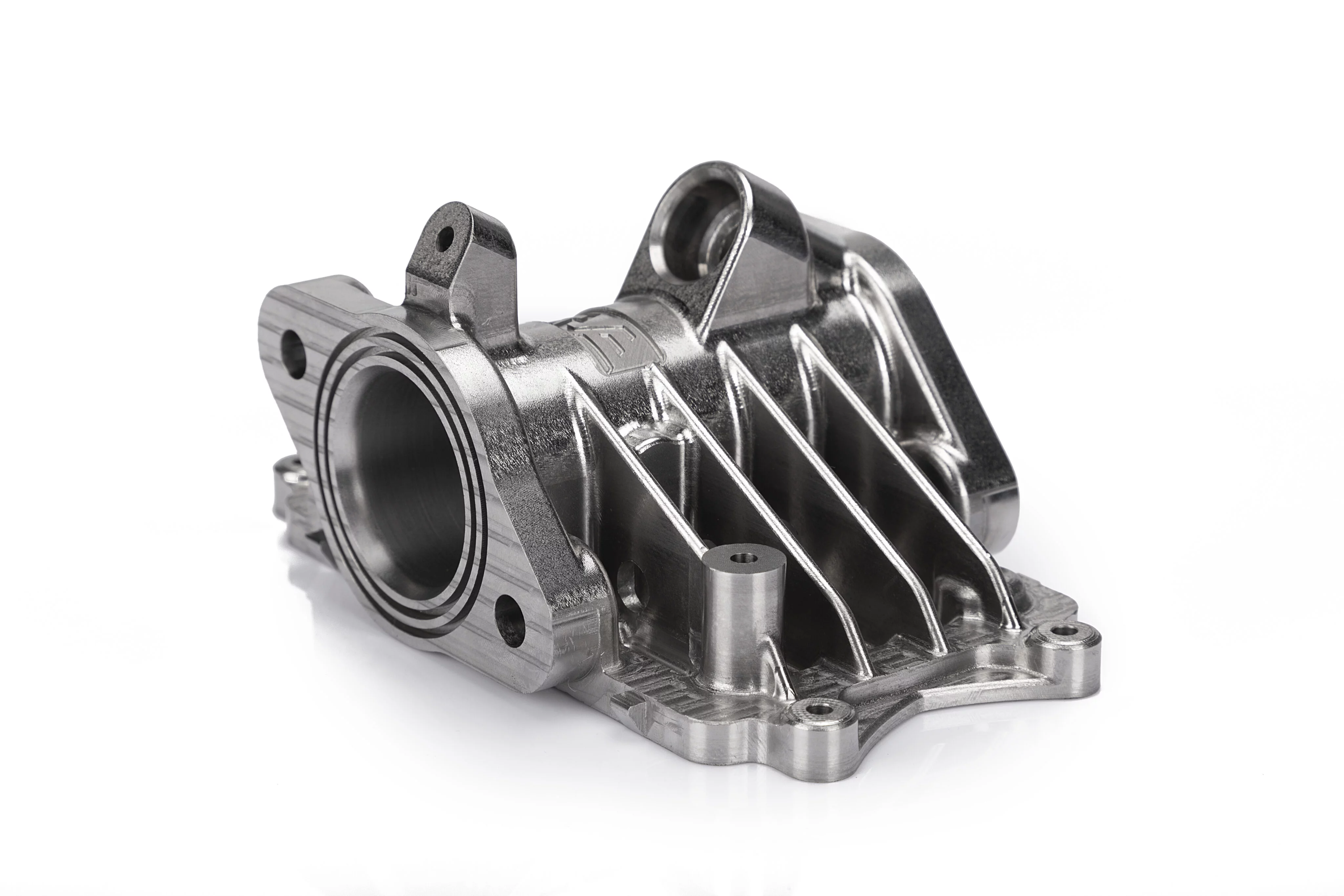
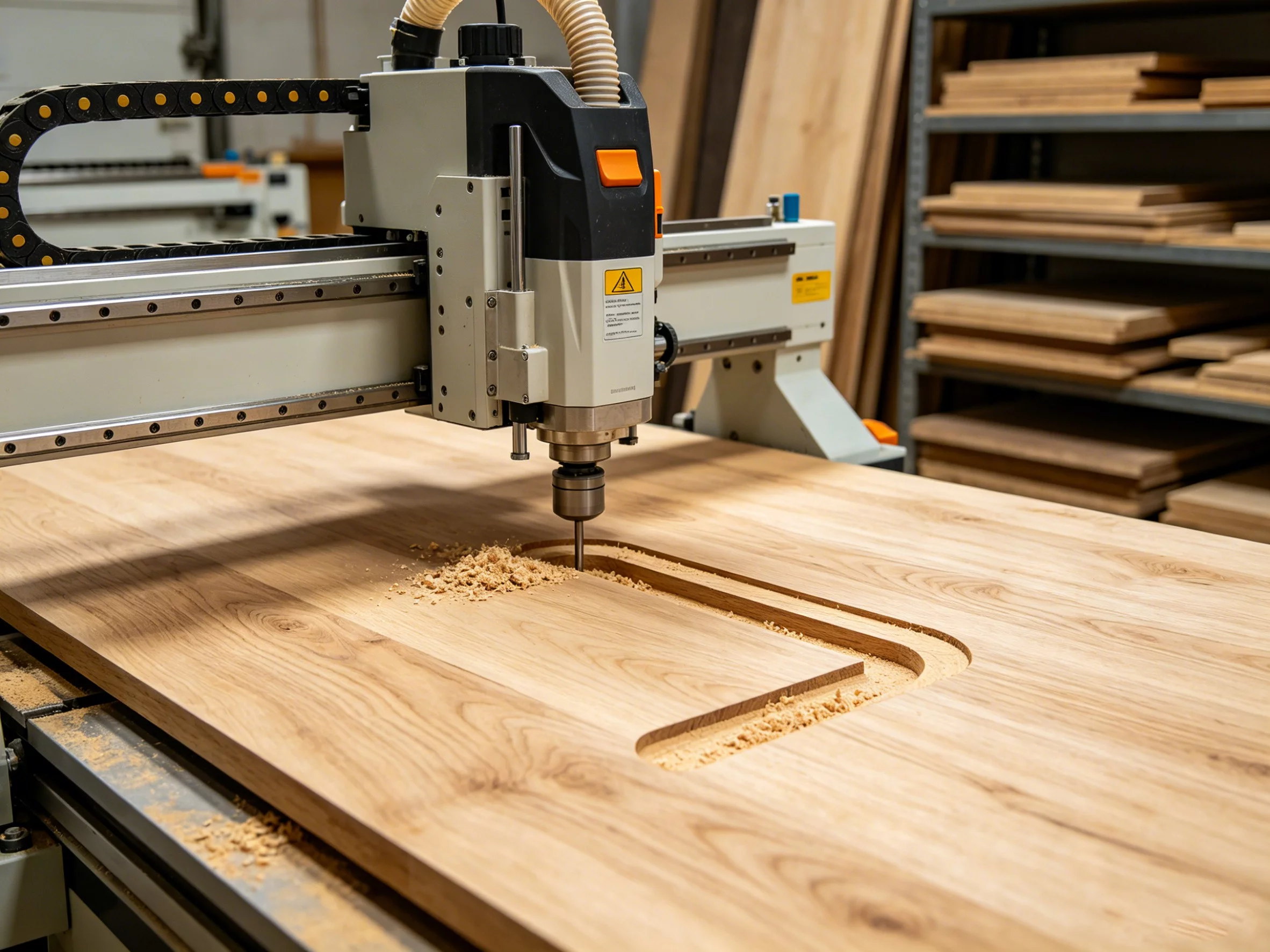
CNC milling uses a rotating multi-point cutting tool to remove material from a stationary workpiece. The tool moves along multiple axes—typically three, four, or five—to cut slots, pockets, holes, and complex contours. Milling is far more versatile than turning when it comes to part geometry. It can produce:
Brackets and housings
Engine blocks and manifolds
Custom fixtures and jigs
Enclosures and panels
Five-axis milling expands these capabilities significantly by allowing the tool to approach the workpiece from virtually any angle. This makes it possible to machine highly complex parts in a single setup, reducing handling errors and improving overall accuracy.
Turning vs Milling: Core Differences
Both processes are frequently used together in a CNC machining shop that offers complete turnkey solutions. Many production runs start with turning to create the basic shape and then move to milling for detailed features.
Key Factors That Influence Part Quality and Cost
Material Selection Matters
The choice of material has a direct impact on machinability, tool wear,surface quality, and final cost. Aluminum alloys such as 6061 and 7075 are popular for their excellent machinability and light weight. Stainless steels like 304 and 316 provide strong corrosion resistance but require more power and slower cutting speeds. Titanium alloys offer superior strength-to-weight ratios but present significant machining challenges due to low thermal conductivity.
Engineering thermoplastics including PEEK, Delrin, and Nylon are increasingly common in aerospace, medical, and electronics applications. Each material requires specific tool geometries and cutting parameters to avoid defects like built-up edge, chatter marks, or thermal distortion.
Tolerance and Surface Finish Requirements
Tight tolerances demand careful process planning and often more expensive equipment. A tolerance of ±0.01 mm on a steel shaft, for example, typically requires a finish turning pass after roughing and possibly a grinding operation for critical diameters. Surface finish standards are expressed in Ra values, measured in microinches or micrometers. A roughness of 1.6 Ra is common for general mechanical parts, while optical or medical components may require finishes below 0.4 Ra.
When designing parts for CNC machined parts manufacturing, it is important to specify only the tolerances and finishes that are functionally necessary. Over-specifying dimensions increases cost without adding value.
Production Volume and Batch Size
Single prototype runs benefit from rapid setup and flexible programming. Batch production of 50 to 500 parts allows amortization of setup time across multiple units. High-volume runs above 1,000 pieces often justify dedicated fixturing and optimized tool paths to minimize cycle time. Understanding the relationship between volume and process selection helps buyers negotiate better pricing and shorter lead times.
How to Choose the Right Machining Process for Your Part
Evaluate Part Geometry First
The most reliable starting point is to assess the geometry of your component. If the part is primarily cylindrical or axisymmetric, turning is likely the more efficient process. If the part contains pockets, slots, holes at various angles, or non-symmetrical features, milling will be necessary. Most real-world components require a combination of both operations.
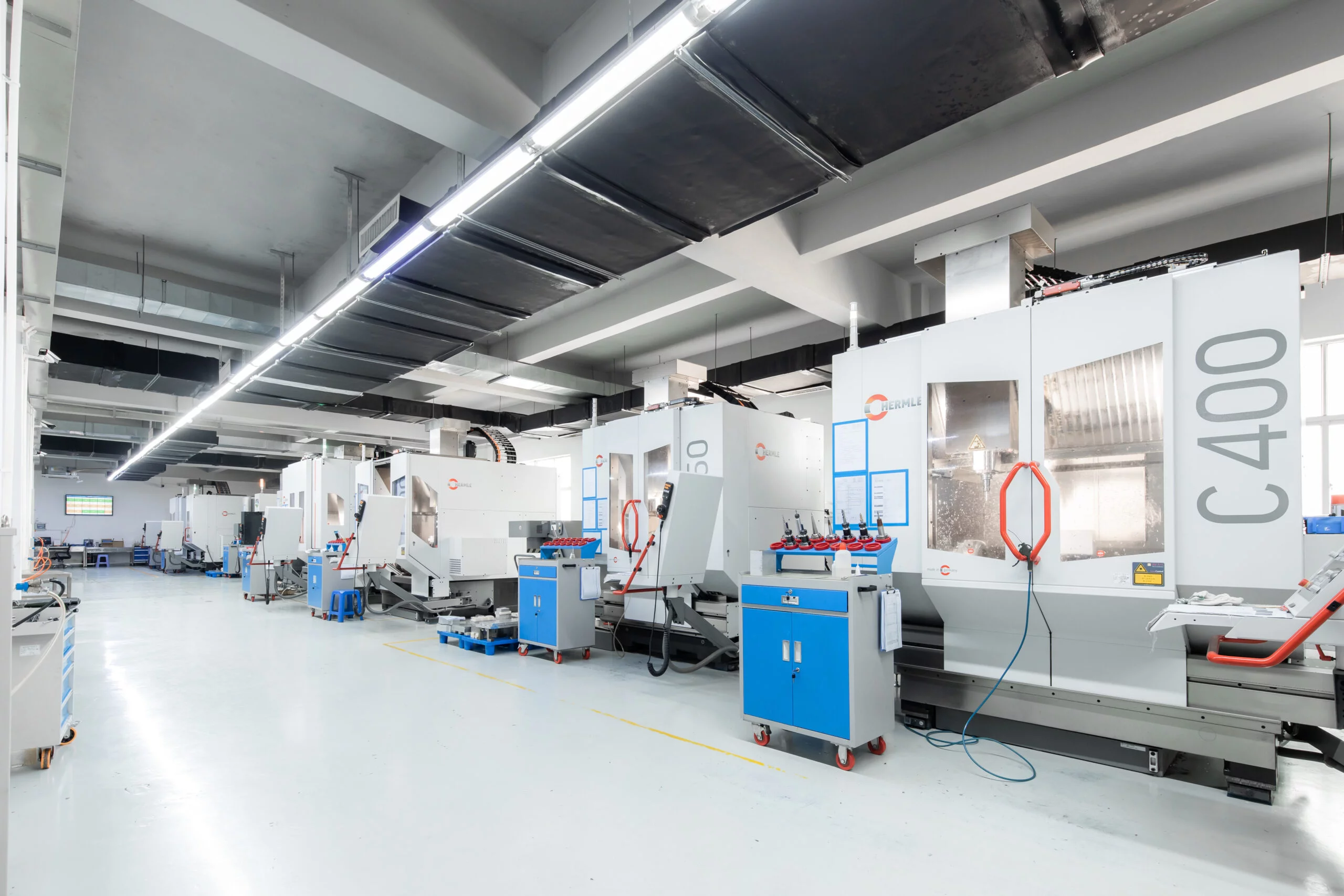
A design that includes a cylindrical bore with keyways and mounting holes, for instance, should begin on a lathe and then transfer to a milling center. Some facilities operate CNC turning and milling machines that combine both processes in a single unit, allowing complete part fabrication without re-fixturing.
Consider Material Constraints
Certain materials behave differently depending on the process applied. For example, brass turns exceptionally well and produces clean chips, but it machines poorly under certain milling conditions where chip evacuation becomes problematic. Aluminum mills efficiently but can gum up turning tools if cutting speed and coolant are not properly managed. Reviewing material datasheets for recommended cutting speeds and feeds is a standard engineering practice that should inform process selection.
Assess Functional Requirements
Every machined part serves a functional purpose. Ask yourself what the part must do under real operating conditions. Does it carry load? Does it rotate? Is it exposed to chemicals, heat, or vibration? These questions determine which process features matter most and which tolerances are critical. A precision CNC machining component for a hydraulic system, for example, demands leak-proof seals and exact bore diameters that only careful turning and honing can achieve.
Cost Drivers in CNC Turned and Milled Parts
Why Prices Vary Between Suppliers
Unit pricing for machined parts is influenced by several interrelated factors. Material cost forms the baseline, but secondary operations, tool wear, machine time, and quality inspection add significant layers. A part that requires five-axis milling will always cost more per unit than one that can be completed on a two-axis lathe, even when both use the same raw material.
Lead time also affects pricing. Express or rush orders typically carry premium charges because they disrupt normal scheduling and may require overtime labor. Buyers should plan ahead whenever possible to avoid unnecessary surcharges.
Hidden Costs to Watch For
Some suppliers quote aggressively on unit price but add fees later forCNC machining design review, tooling, fixturing, or special inspections. Always request a detailed breakdown before committing to an order. Understanding the full cost structure helps you compare suppliers on a level playing field and avoid unpleasant surprises during production.
Other hidden expenses include scrap and rework. Poor process planning can result in rejected batches that delay delivery and inflate per-unit cost. Selecting a manufacturer with strong engineering support reduces this risk significantly.
Common Mistakes Buyers Make When Sourcing Machined Parts
Unrealistic Tolerance Specifications
Designers sometimes copy tolerance values from existing drawings without considering whether tighter specs are actually needed. Every micrometer of added precision increases machining time and tool wear. A practical approach is to work with a manufacturing engineer who can recommend the minimum tolerance that still satisfies function and assembly requirements.
Ignoring Design for Manufacturability
A part that looks correct on paper may contain internal sharp corners, unreachable pockets, or thin walls that cannot be produced without specialized tools or additional processes. DFM CNC machining guidelines exist precisely to prevent these issues. Early feedback from a machining supplier on features like minimum wall thickness, tool access, and corner radii can save considerable time and money.
Choosing Suppliers Based Only on Price
Low-cost bids often reflect shortcuts in process planning, inspection rigor, or material traceability. A cheaper quote may mask quality inconsistencies that cause assembly failures downstream. Evaluate suppliers on technical capability, communication responsiveness, and documented quality systems rather than price alone.
Quality Standards and Documentation
Reputable machining providers supply dimensional inspection reports, material certifications, and process documentation with each shipment. These records verify that parts meet specified tolerances and material grades. For regulated industries such as medical, aerospace, or automotive, additional documentation like first article inspection reports or traceability records may be required.
Understanding what documents to expect—and requesting them upfront—streamlines procurement and ensures compliance with downstream quality audits.
Real Questions Buyers Ask About CNC Machined Parts
What is the difference between CNC turning and CNC milling?
Turning rotates the workpiece against a fixed tool to create cylindrical parts. Milling rotates the cutting tool against a stationary workpiece to create complex shapes, slots, and holes. Many parts require both processes to complete.
How long does a typical CNC machining order take?
Lead times vary by part complexity and quantity. Simple turned parts may ship in one to two weeks. More complex milled components or multi-process orders often require three to five weeks. Rush options are usually available at higher cost.
What materials can be CNC machined?
Metal alloys including aluminum, stainless steel, titanium, brass, and tool steel are commonly machined. Engineering plastics like Delrin, PEEK, PC, and Nylon are also suitable for many applications.
Can I get samples before full production?
Yes. Most manufacturers offer sample or prototype runs to verify fit, function, and finish before committing to larger batches. Sample pricing reflects single-unit rates rather than volume discounts.
How do I ensure my parts meet tight tolerances?
Specify tolerances clearly on your drawings, choose an appropriate CNC machining process, and request inspection data from your supplier. Communicating critical features explicitly helps the machine shop focus on the dimensions that matter most.
What surface finishes are available?
Standard mill finishes, bead blast, anodizing, passivation, plating, and polishing are all commonly offered. Some processes are compatible with specific materials only, so confirm finish options early in the quoting stage.
Choosing the Right CNC Machining Partner
The difference between a successful order and a costly disappointment often comes down to supplier selection. Evaluate potential partners on their technical capability, quality documentation, communication clarity, and willingness to provide engineering feedback. A manufacturer that asks clarifying questions about your design is more likely to deliver parts that fit and function correctly than one that accepts an order without review.
YPMFG supports buyers throughout the entire sourcing process—from initial design review and material selection to precision manufacturing and delivery. When you share your drawings and specifications with the YPMFG engineering team, you receive a detailed quote, DFM recommendations, and clear lead time estimates. This collaborative approach reduces risk and helps you make confident purchasing decisions.
Contact YPMFG to request a free engineering review, compare quotes, or discuss how their CNC milling and turning services can meet your specific part requirements.