 English
  German
  Russian
  Japanese
  Korean
  Spanish
  French
  Italian
  Portuguese
 Quick answer:
Copper, aluminum, and stainless steel are among the most commonly specified materials for CNC machining parts because each one offers distinct advantages. Aluminum is lightweight and easy to machine, making it ideal for prototypes and high-volume production. Copper conducts electricity and heat exceptionally well, suited for electrical and thermal components. Stainless steel delivers strength and corrosion resistance for demanding environments. Choosing the right material depends on your application requirements, mechanical loads, and performance targets. YPMFG supports projects requiring any of these materials with engineering assessment and custom manufacturing.
Many buyers face a difficult choice when selecting material for CNC machined parts. The wrong material decision can lead to premature wear, surface damage, or parts that fail under load. Understanding the fundamental properties of copper, aluminum, and stainless steel helps you avoid these problems before ordering. This guide covers what each material offers, how to compare them, and which factors matter most for your project.
Table of Contents
Key Properties of Each Material
How to Choose Between Copper, Aluminum, and Stainless Steel
Cost Factors and Budget Considerations
Machining Process and Surface Finish Options
Quality Control and Tolerance Standards
Common Questions Buyers Ask
Choosing the Right Material for Your Application
Key Properties of Each Material
CNC machined aluminum parts are popular because aluminum ranks as one of the most machinable metals available. It has good strength-to-weight ratio and responds well to standard machining operations. Aluminum alloys such as 6061 and 7075 are widely used in industry. These alloys offer different mechanical properties depending on your needs.
6061 aluminum provides excellent weldability and general-purpose strength. It machines easily and holds tight tolerances well. 7075 aluminum is stronger but less machinable than 6061. It is commonly used in aerospace and high-stress applications.
CNC machining copper parts serves applications where conductivity matters most. Copper is naturally antimicrobial and resists corrosion. It is softer than steel,which means it machines smoothly. However, copper tends to work-harden during cutting, which can affect tool life. C11000 and C36000 are common grades for machining.
CNC machining stainless steel parts is the standard choice when durability and corrosion resistance are essential. Stainless steel contains chromium, which forms a protective surface layer. 304 stainless steel offers good general corrosion resistance. 316 stainless steel performs better in marine and chemical environments. 17-4 PH stainless steel can be heat-treated for higher strength.
How to Choose Between Copper, Aluminum, and Stainless Steel
Selecting material requires evaluating several technical factors before making a decision. Each material has different strengths and limitations. The table below summarizes the key differences.
Material selection should match your functional requirements. If weight matters, aluminum is usually the best option. If electrical or thermal performance is critical, copper may be the right choice. If structural strength and long-term durability dominate, stainless steel is typically preferred.
You should also consider the operating environment. Parts exposed to moisture, chemicals, or extreme temperatures need materials that resist degradation. YPMFG can review your application conditions and help you select the most suitable material for your specific needs.
Cost Factors and Budget Considerations
Part cost in CNC machining services depends on multiple variables beyond the raw material price. Understanding these factors helps you budget accurately and avoid unexpected expenses.
Material cost varies significantly between aluminum, copper, and stainless steel. Aluminum raw material is generally the least expensive. Copper costs more due to its market value and weight. Stainless steel sits in the middle but requires more machining time, which increases labor cost.
Machine time directly affects pricing. Aluminum cuts quickly, so part production time is shorter. Copper cuts slower and generates more heat, which can extend cycle time. Stainless steel is harder to machine and typically requires slower feeds and more passes.
Part complexity also influences cost. Features such as deep holes, thin walls, tight tolerances, and complex geometries increase machining difficulty. These factors require specialized tooling and longer setup time. Simple parts with standard tolerances cost less to produce.
Finishing requirements add to the total cost. Anodizing, powder coating, plating, and other surface treatments increase the final price. Some materials accept certain finishes better than others. Aluminum anodizing is common and affordable. Stainless steel passivation is standard practice.
Machining Process and Surface Finish Options
Different CNC milling and turning processes produce different results. The right process depends on part geometry, material type, and tolerance requirements.
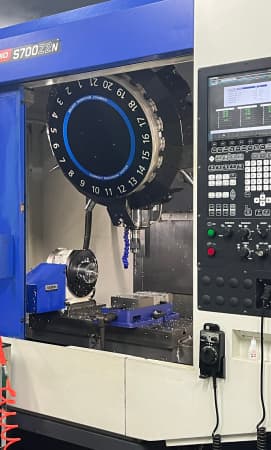
Milling removes material using rotating cutting tools. It is ideal for complex shapes, pockets, slots, and feature-rich parts. Turning creates cylindrical parts on a lathe. It is the best choice for shafts, bushings, and rotational components. Mill-turn combination machines can handle both operations in a single setup.
Surface finish affects both appearance and function. Roughness value determines how smooth a surface feels and performs. Common finish standards include Ra 1.6, Ra 0.8, and Ra 0.4 micrometers. Tighter finishes require additional machining passes or secondary processes.
Aluminum CNC machining typically achieves excellent surface finish with minimal effort. Aluminum is soft and produces clean chips. Anodizing adds hardness and color options for aluminum parts. Powder coating provides durable protection for outdoor applications.
Copper machining produces smooth surfaces naturally. However, copper can stick to cutting tools, which may affect finish quality. Coolant selection and tool coating choice matter significantly for copper parts. Electropolishing is a popular finishing option for copper components.
Stainless steel machining demands careful process control. Work hardening is a common challenge. Proper coolant flow and tool geometry help manage this issue. Bead blasting and passivation are standard finishing steps for stainless steel parts.
Quality Control and Tolerance Standards
Quality verification ensures that CNC machined parts meet your specifications consistently. Reputable manufacturers use structured quality processes from first article inspection to final shipment.
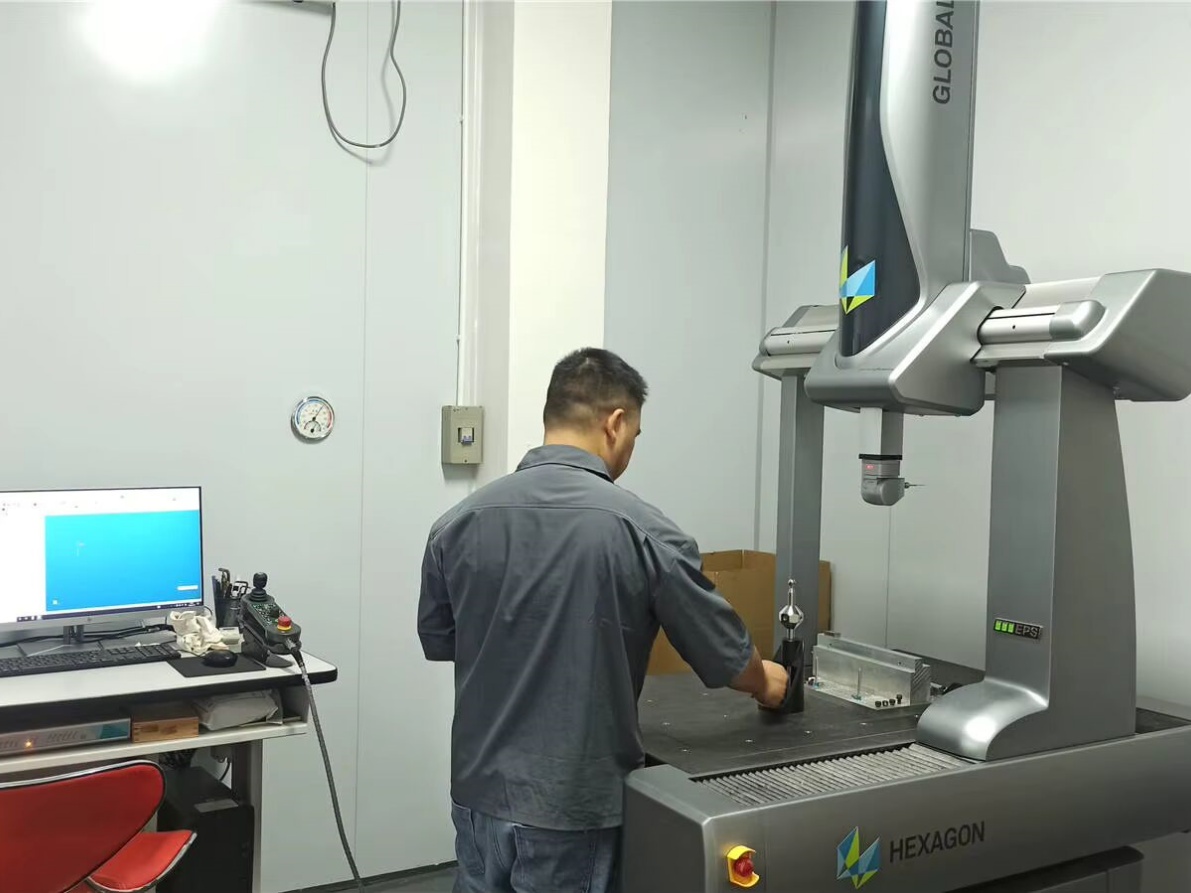
Dimensional inspection is fundamental to quality control. Coordinate measuring machines check critical features against engineering drawings. Thread gauges verify threaded holes and bolts. Surface roughness testers measure finish quality.
Tolerance capability depends on material and process. Aluminum can hold tolerances of ±0.025 mm on most features. Copper typically achieves ±0.05 mm. Stainless steel tolerances vary by feature size but generally stay within ±0.05 to ±0.1 mm.
First article inspection reports document dimensional results for your records. Material certifications confirm that the correct alloy was used. These documents are important for regulated industries such as medical, automotive, and aerospace.
YPMFG provides inspection reports and material documentation with every order. You can request specific quality requirements during the engineering review stage.
Common Questions Buyers Ask
What is the difference between 6061 and 7075 aluminum for CNC parts?
6061 aluminum is more machinable and weldable. 7075 aluminum is stronger but harder to machine. Choose 6061 for general parts and 7075 for high-stress applications.
Can copper be machined to tight tolerances?
Yes, copper can achieve tolerances around ±0.05 mm. Its softness makes it easier to machine than stainless steel. However, tool selection and cutting parameters must be adjusted for copper specifically.
Which stainless steel is best for CNC machining?
303 stainless steel is the most machinable grade. 304 and 316 offer better corrosion resistance but require more machining effort. 17-4 PH provides high strength after heat treatment.
How does part complexity affect lead time?
Complex parts with multiple operations require longer setup and machining time. Simple parts with standard features can be produced faster. Request an estimated timeline during the engineering assessment.
What surface finishes are available for machined parts?
Common finishes include as-machined, bead blast, anodizing, powder coating, plating, and electropolishing. Finish selection depends on material type and application requirements.
Do you provide material certifications with orders?
Yes, material certifications are available upon request. These documents verify the alloy composition and meet standard industry requirements for traceability.
Choosing the Right Material for Your Application
The material you select will determine part performance, production cost, and long-term reliability. There is no universal best material. The right choice depends on your specific requirements.
Start by defining your functional needs. Identify the mechanical loads, environmental exposure, and performance targets. Then match those needs to material properties. Aluminum excels in lightweight applications. Copper is unmatched for conductivity. Stainless steel dominates in strength and corrosion resistance.
Next, evaluate your production volume. High-volume projects benefit from materials that machine quickly. Aluminum reduces cycle time and cost per part. Lower-volume projects can absorb higher machining costs for materials that better serve the application.
Finally, confirm your quality and documentation requirements. Some industries require specific certifications and inspection reports. Discuss these needs early in the procurement process.
YPMFG provides free engineering review for new projects. You can send your specifications, drawings, or application details, and our team will recommend the most suitable material and process for your parts. Contact us to start your project today.