English
 German
 Russian
 Japanese
 Korean
 Spanish
 French
 Italian
 Portuguese

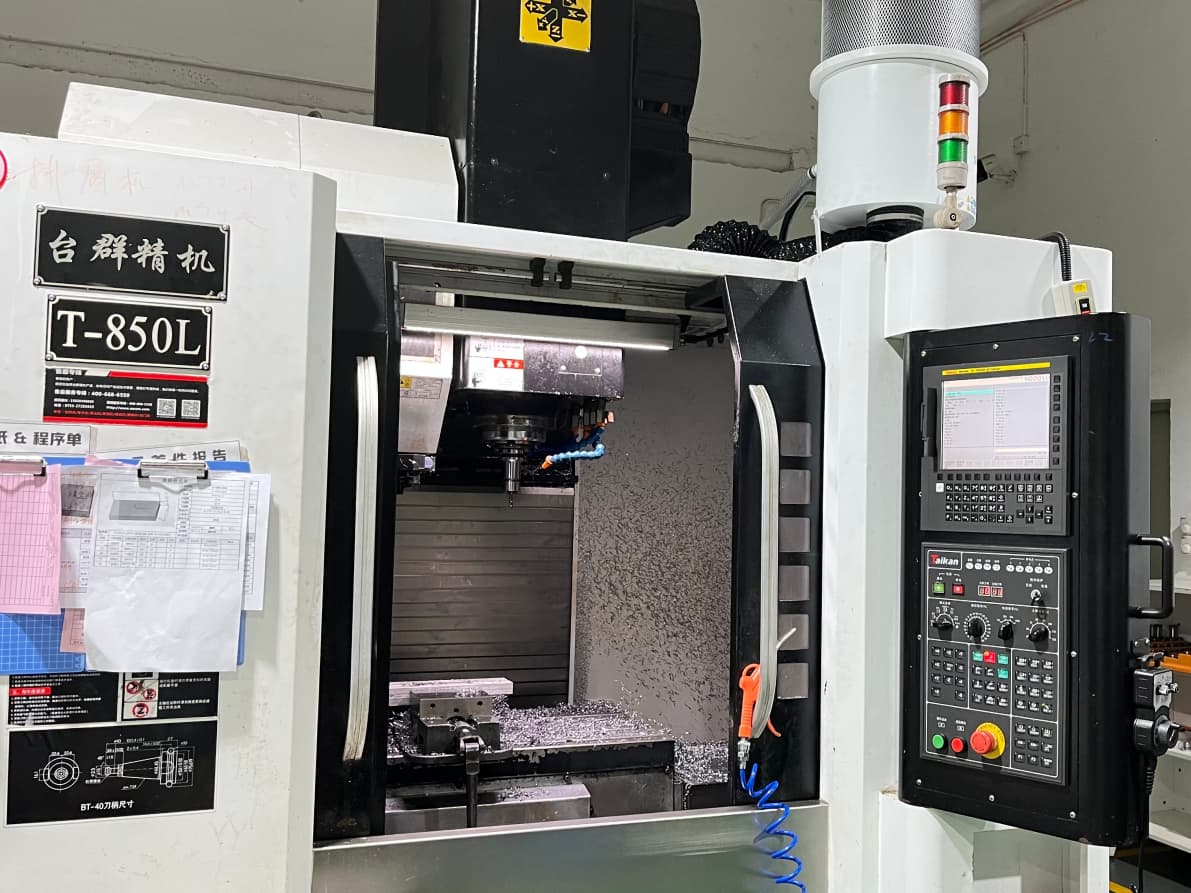
Aluminum CNC milling produces custom parts by removing material from aluminum plate, bar or billet with rotating cutting tools. For a buyer, the key decisions are alloy and temper, functional tolerances, workholding-sensitive features and the required finish. This guide focuses on milled brackets, housings, fixtures and similar components, rather than sheet forming or extrusion.
6061 or 7075: choose against the design requirements
| Alloy | Why consider it | What needs review |
|---|---|---|
| 6061-T6 | A common option for general-purpose machined brackets, housings and fixtures | Required strength, dimensional stability, available stock and finish appearance |
| 7075-T6 | Higher-strength applications where the specified properties justify the material | Corrosion protection, stress-corrosion exposure, stock cost and design suitability |
| 5052 | Corrosion-resistant sheet and formed components | Whether sheet fabrication is more appropriate than milling from solid; stock form and machining behavior |
| 2024 | Selected strength and fatigue-related applications | Corrosion protection, temper and the actual engineering load case |
These are screening considerations, not a substitute for material qualification. Do not switch alloys or tempers without approval from the responsible designer. A marine environment, cyclic loading or a required cosmetic finish can change the choice. Provide the exact material designation and request a material certificate if traceability matters.
Design features that increase milling cost
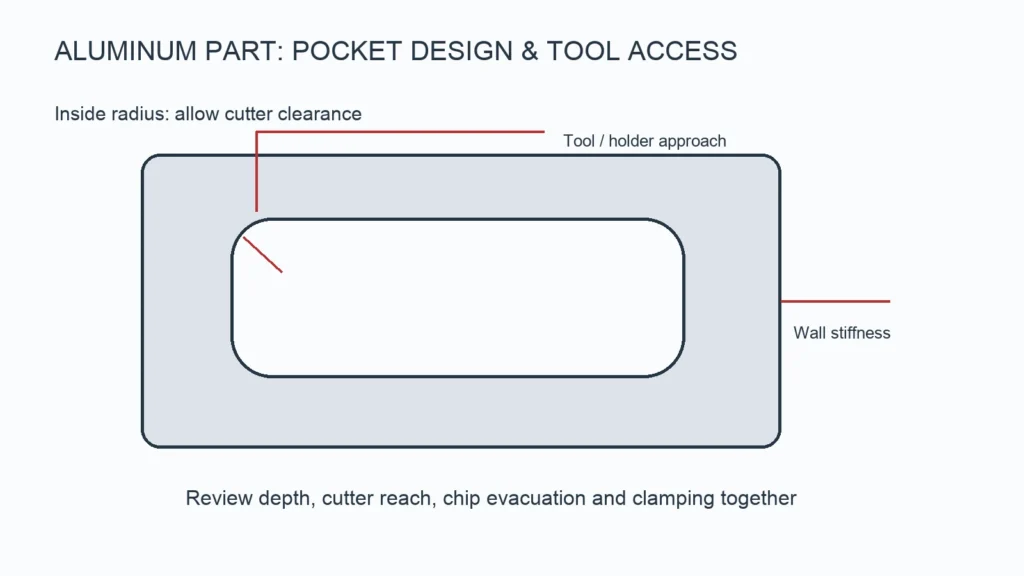
- Deep, narrow pockets: tool reach and chip evacuation can limit access and require longer machining cycles.
- Thin walls: clamping and cutting forces can deflect the part. Discuss support, machining sequence and inspection after release from the fixture.
- Small internal corner radii: a rotating tool cannot make a perfectly sharp internal corner. Where assembly permits, a larger radius may allow a more robust cutter.
- Features on several faces: additional setups can add cost and affect the relationship between datums. Review whether three-axis, indexed or five-axis machining fits the drawing.
- Large material removal: asymmetric removal and stock condition can contribute to distortion. Discuss stock form and process planning for stability.
Aluminum alloys do not all cut alike. Chip adhesion, burrs, tool geometry, coolant strategy and workholding deserve attention; “aluminum is soft” is not enough to predict cost or surface quality. Our CNC milling service includes drawing review to identify these constraints.
Specify tolerances where the part needs them
Start with the assembly interfaces: bearing seats, locating bores, sealing faces and mounting patterns. Specify the relevant datums and geometric tolerances. Agree general tolerances for other dimensions instead of applying a very tight tolerance across the drawing.
YP-MFG can assess tolerances down to ±0.003 mm on suitable features. Feasibility depends on material, feature size, geometry, stability and measurement method. A tight capability value is not a guarantee that every feature or every aluminum component can meet it economically.
Plan anodizing before approving dimensions
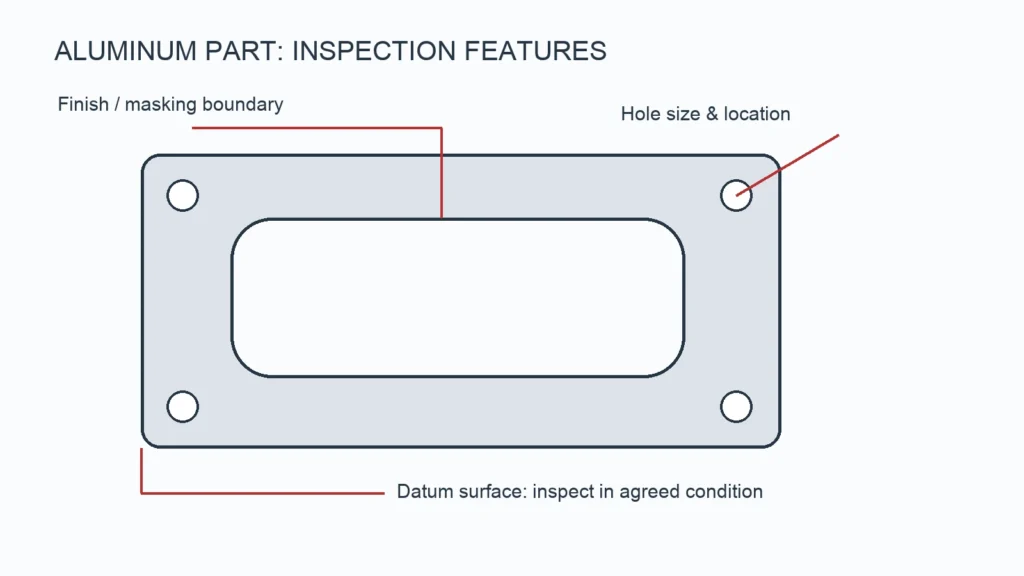
When requesting anodizing or other surface finishes, state the coating specification, required appearance, masking and final dimensional condition. Anodic coating grows partly into and partly outward from the original surface; its effect depends on process and thickness. Do not assume all coating thickness is added to the outside of the part.
For close-fitting holes, threads and mating faces, discuss masking or allowance with the supplier. Alloy, pretreatment and batch conditions can affect cosmetic color. Approve a representative sample where appearance is important, and define acceptance conditions rather than asking only for “black anodized.”
Inspection checks for aluminum milled parts
- Confirm material grade and temper against the order and available certification.
- Measure critical features from the specified datums, in the agreed finished condition.
- Check burrs, sharp edges, thread quality and any sealing surfaces.
- Agree cosmetic acceptance, masking boundaries and packaging to protect the finish.
- Request first article or dimensional reports when required, with a defined reporting scope.
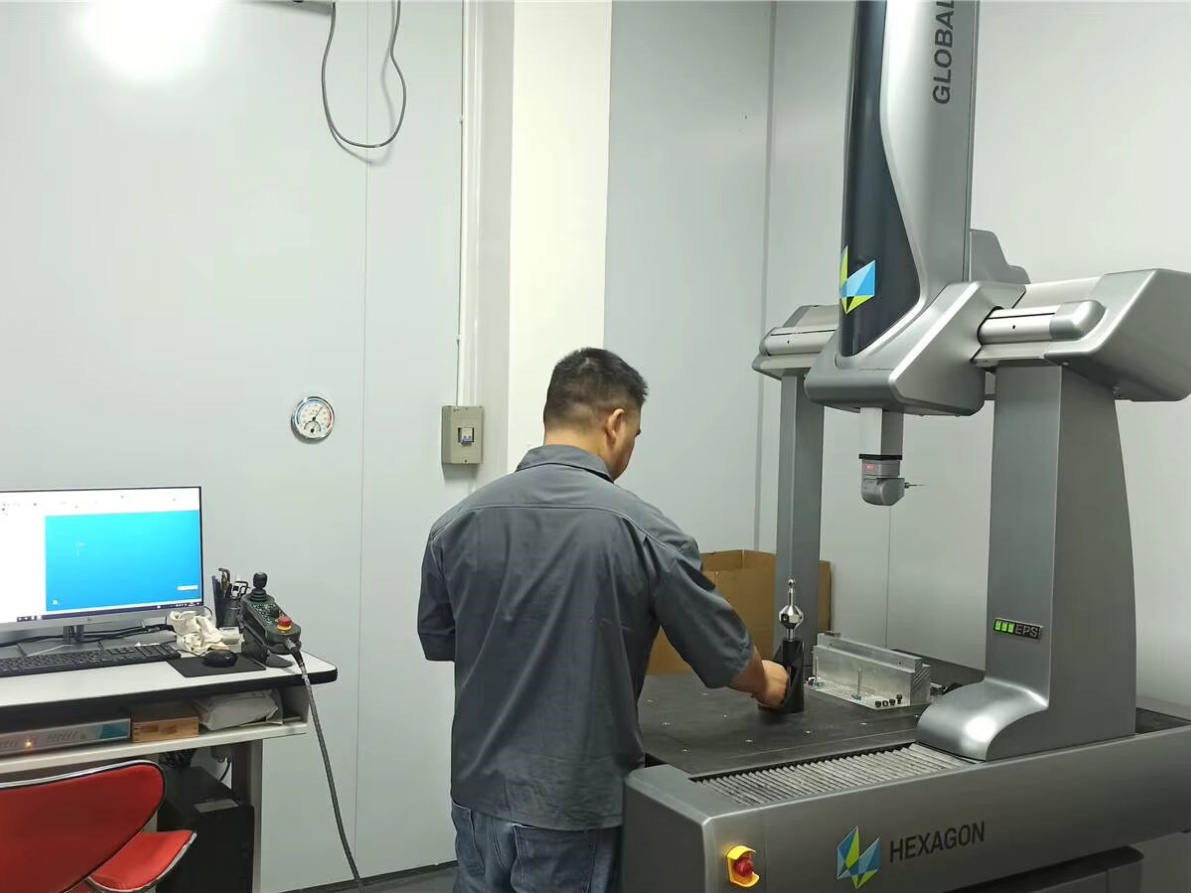
See the YP-MFG inspection process for CMM and documentation options. Agree the report package before production; a certificate does not replace the dimensional acceptance requirements on your drawing.
What to send for an aluminum milling quote
Send a STEP or other available CAD model, a 2D drawing, alloy and temper, quantity, finish, required reports and delivery destination. Identify critical features and provide the drawing revision. For early-stage designs, clearly mark unresolved requirements so the quote can state its assumptions.
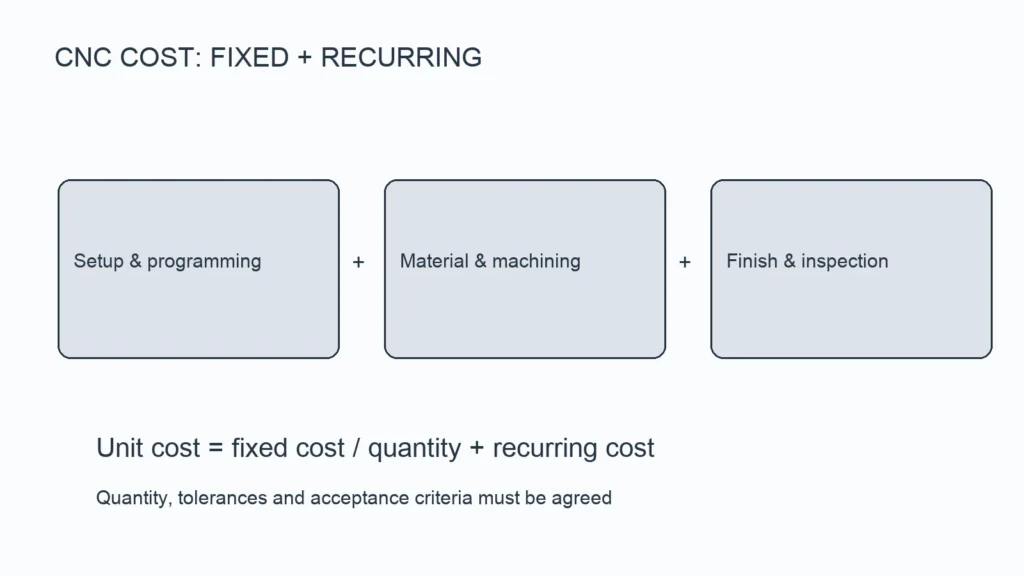
YP-MFG accepts orders from one piece and normally responds with a quote within 24 hours after receiving complete project information. Setup and programming costs still apply to a one-piece order. Manufacturing and shipping lead times are confirmed separately for the reviewed drawing.
Common buyer questions
Is 7075 always better than 6061?
No. Higher strength is useful only when the design needs it. Review corrosion exposure, stock cost, finish and the specified mechanical properties. A material change requires engineering approval.
Do milled aluminum parts need draft angles?
Milling does not generally require draft for mold release. Tool access, internal corner radii, wall stiffness and undercuts are the more relevant design checks. If a feature also serves a molding or casting process, review that requirement separately.
Can I order a prototype before a batch?
Yes. A one-piece prototype can help check assembly and appearance. It does not on its own prove process capability for a production batch; agree first article and production inspection requirements when scaling up.
Discuss your aluminum part
Upload your aluminum part drawings for a manufacturability review and quote. For a broader supplier checklist, read our guide to sourcing CNC machined metal parts.