 English
  German
  Russian
  Japanese
  Korean
  Spanish
  French
  Italian
  Portuguese
 Quick answer:
Metal sheet fabrication bending parts are flat-rolled components shaped through press-brake or air-bending operations into angles, boxes, or compound geometries. Final part quality is governed by material grade, sheet thickness, bend radius, press tonnage, and tooling selection. Getting the right combination of sheet metal bending specifications and tooling determines whether a part holds angular tolerance, resists springback, and stays cost-effective at production volume. Buyers should verify material data sheets and confirm the minimum bend radius before committing to a die or punch design.
Procurement teams often discover bending issues only after first-article inspection, when springback or inadequate tonnage has already pushed the schedule. YPMFG works with engineering and sourcing teams to flag these variables early, before tooling is cut and material is committed to stock.
Core Specifications That Drive Bending Quality
The four parameters that most affect bend accuracy are material thickness, outer bend radius, included angle,and straight flange length. Each one interacts with the others: a thicker sheet demands more tonnage and a larger minimum radius to avoid cracking at the bend line.
Getting any single parameter wrong can shift the final angle by two to four degrees. That shift compounds across multiple bends on the same part, making downstream assembly fits unpredictable and increasing scrap risk.
Before finalising a drawing, confirm that the minimum bend radius for your chosen material is respected and that the flange length clears the tooling envelope. This one check prevents the most common first-article failures.
Material Grade, Tonnage, and Minimum Bend Radius
Different sheet metals behave very differently under bending load. The table below summarises how common grades affect tooling, required tonnage, and part design.
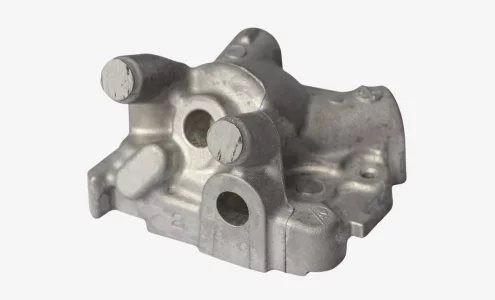
Stainless steel typically needs 40–50 % more press brake tonnage than cold-rolled steel at the same thickness, while aluminium can be formed at tighter radii and lower force. If your design uses mixed-material assemblies, each zone needs its own tonnage and tooling calculation.
Common Bending Mistakes That Add Cost and Delay
Three errors account for most first-article failures in air bending and press-brake operations:
Insufficient flange length. When the straight flange is shorter than the bend deduction plus outer radius, the part will not form correctly. A safe minimum is roughly 2 × thickness plus the outer radius.
Uncompensated springback. Every material elastically recovers after the tool is released. Not adding a springback compensation angle in the die design leads to final angles that are consistently off by several degrees.
Radius below material limit. Forcing a bend radius smaller than the material allows produces cracking on the outer surface, especially in high-strength steel or aged aluminium.
Each of these is far cheaper to catch in CAD review than to discover during physical testing. Sending your files to YPMFG for a pre-production check typically flags springback and flange-length issues before any custom tooling design is fabricated.
Cost Factors Buyers Should Understand
Bending cost is not driven by the press alone. The main variables that shift your per-unit price are:
Material grade and thickness – determines required tonnage, tooling type, and scrap rate.
Number of bends per part – each additional bend adds setup time and machine cycles.
Lot size – small-batch runs amortise tooling over fewer parts, raising per-unit cost.
Tolerance band – tighter angular tolerances may require iterative die adjustment and extra labour.
Post-bend operations – deburring, surface finishing, or welding after the bend adds secondary cost.
Understanding which factor dominates in your part lets you negotiate more effectively. For multi-bend or tight-tolerance components, an engineering review that maps each cost driver to a specific design or process decision can save significant rework.
## Questions Buyers Often Ask About Sheet Metal Bending
What is the minimum sheet thickness a press brake can handle?
Most industrial press brakes accept sheet from about 0.5 mm up to 20 mm, depending on frame size and installed tonnage. Gauges under 1 mm often require special clamping jaws or a bending fixture to prevent slippage during the stroke.
How do I calculate the tonnage required for my part?
Tonnage equals material tensile strength multiplied by thickness, effective bend length, and a safety factor. A supplier will confirm the exact figure once your material grade and bend radius are locked in.
Does bend radius affect part cost?
Yes. A tighter radius demands a sharper tool, more tonnage, and sometimes multiple bending passes, all of which raise per-part cost. Wider radii are generally cheaper to produce.
Can I mix two different materials on one assembly?
You can, but each material zone needs its own set of bend parameters. Cross-material welding after bending also introduces design checks for thermal-expansion mismatch.
What documentation should I provide before requesting a quote?
Send the part drawing, material specification, target lot size, and any applicable sheet metal fabrication standards or customer-specific quality requirements. The more complete the package, the faster and more accurate the quote.
## Choosing the Right Bending Partner for Your Project
The right partner matches your material, tolerance, and volume needs to the correct press capability and tooling set. Before requesting a quote, prepare your material specification, target bend angles, expected lot size, and applicable standards. Sending these details to YPMFG for an engineering review gives you a clear manufacturability assessment and a realistic cost range before any tooling is committed.