 English
  German
  Russian
  Japanese
  Korean
  Spanish
  French
  Italian
  Portuguese
 Quick answer:
Shenzhen 3D industrial printing produces functional, production-quality parts using advanced additive manufacturing processes. Typical lead times range from 1 to 3 weeks depending on part complexity and post-processing needs. Material options include industrial-grade resins, nylon, TPU, and metal alloys such as aluminum, titanium, and stainless steel. Prices vary significantly based on volume, material grade, tolerance requirements, and surface finish specifications. Choosing the right manufacturer requires evaluating technical capability, quality control processes,and engineering support availability.
Introduction
Factory engineers and procurement managers increasingly rely on 3D industrial printing for rapid prototyping and low-to-medium volume production. Shenzhen has emerged as a major hub for these services because of its integrated supply chain and engineering talent. The challenge lies in selecting the right process and manufacturer for your specific application. This article provides a practical framework for evaluating Shenzhen 3D industrial printing options and making informed purchasing decisions.
What Is 3D Industrial Printing?
3D industrial printing, also known as industrial additive manufacturing, builds parts layer by layer from digital CAD models using professional-grade equipment. Unlike desktop 3D printers, industrial machines use high-performance materials engineered for mechanical strength, thermal resistance, and dimensional stability. These processes support applications ranging from functional prototypes to end-use components in aerospace, automotive, medical, and electronics industries.
The technology encompasses several distinct methods, each suited to different material and performance requirements. Understanding these differences is essential for selecting the right process for your project. Industrial-grade systems typically offer tighter tolerances, better surface finishes, and more consistent mechanical properties than consumer-grade alternatives.
Common 3D Printing Processes Used in Shenzhen
Shenzhen manufacturers offer a range of industrial additive manufacturing technologies. Each process has distinct capabilities, advantages, and ideal use cases.
Each process delivers different trade-offs between speed, cost, material performance, and geometric flexibility. The right choice depends on your part’s functional requirements and production volume.
Cost Factors in Shenzhen 3D Industrial Printing
Several variables directly influence the price of industrial 3D printed parts. Understanding these factors helps you estimate costs more accurately before requesting a quote.
Part geometry is a primary cost driver. Complex internal channels, thin walls, and overhanging features may require support structures, longer print times, or additional post-processing steps. Larger build volumes increase material usage and machine time proportionally.

Material selection also affects pricing. Standard Nylon 12 is more affordable than glass-filled variants or metal powders. Elastomeric materials like TPU carry a premium due to handling complexity and longer cycle times. Specialty resins for high-temperature or chemical-resistant applications are priced accordingly.
Post-processing requirements add significant cost. Supports must be removed, surfaces may need sanding or shot blasting, and metal parts often require heat treatment and machining of critical features. Secondary operations such as tapping, drilling, or welding are priced separately.
Tolerance and surface finish specifications directly impact manufacturing cost. Standard tolerances of ±0.1 to ±0.2 mm are achievable without extra charges. Tighter tolerances of ±0.05 mm or better typically require post-print CNC machining or additional quality inspection steps.
Volume discounts are commonly available from Shenzhen manufacturers. Single prototype quotes differ substantially from batch production pricing. Ordering 50 or 100 units often reduces the per-part cost by 30 to 60 percent compared to single-unit pricing.
Material Selection Guide for Industrial Applications
Material choice determines whether a 3D printed part can meet your functional requirements. The following guide outlines common industrial materials and their typical applications.
Standard Resins (SLA) are suitable for visual prototypes, jigs, and fixtures that do not carry structural loads. They offer excellent dimensional accuracy but degrade under UV exposure and prolonged heat.
Nylon 11 and Nylon 12 (SLS and MJF) provide strong, durable parts with good chemical resistance. These materials are widely used for functional prototypes, snap-fit assemblies, and production end-use components. Glass-filled nylon offers enhanced stiffness for load-bearing applications.
TPU and Elastomers deliver flexible, rubber-like parts for gaskets, seals, and vibration-dampening components. Shore hardness ratings typically range from 60A to 95A depending on formulation.
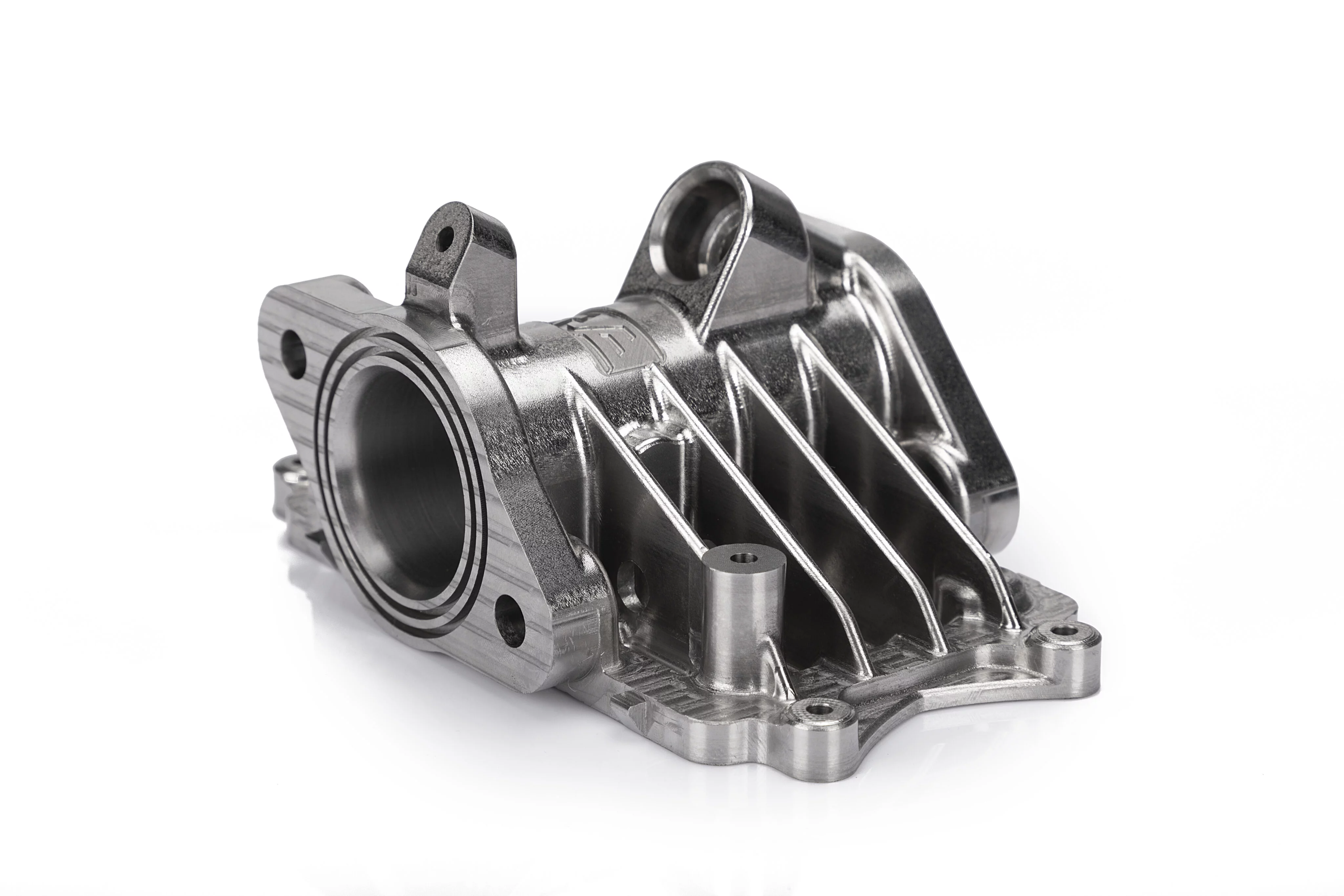
Metal Alloys (DMLS/SLM) include aluminum AlSi10Mg, titanium Ti6Al4V, and stainless steel 316L. These materials achieve mechanical properties comparable to cast or machined equivalents. They are used for aerospace brackets, medical implants, and high-temperature engine components.
When selecting materials, consider temperature exposure, chemical contact, mechanical stress, and regulatory requirements. Material certifications and test reports should be requested from your manufacturer to verify compliance with your specifications.
How to Choose the Right Manufacturer in Shenzhen
Selecting a reliable 3D printing manufacturer in Shenzhen requires evaluating technical capability, quality systems, and communication effectiveness. Many suppliers advertise similar services, but actual capabilities vary significantly.
Request detailed engineering assessments before committing to a project. A capable manufacturer will review your CAD files for design for additive manufacturing (DfAM) optimizations, suggest material alternatives, and identify potential print failures. This collaborative approach reduces risk and improves final part quality.
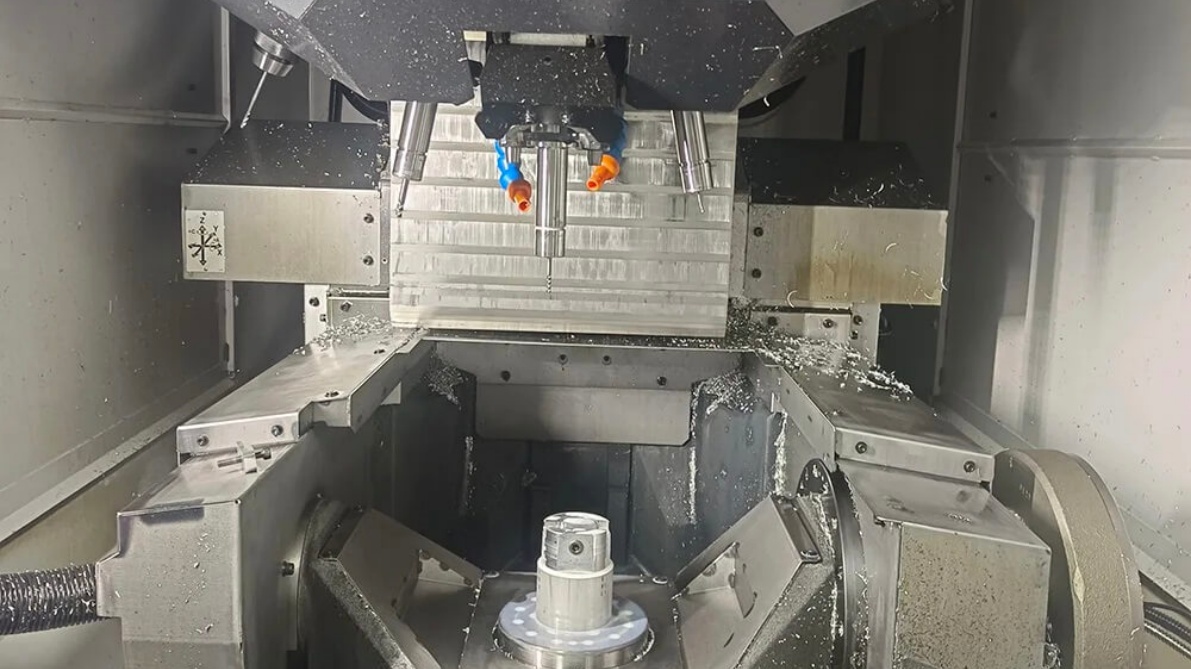
Verify the manufacturer’s quality control processes. Ask about dimensional inspection methods, first-article inspection reports, and traceability procedures. Manufacturers who document each production step and maintain measurement records demonstrate stronger quality management systems.
Consider the manufacturer’s ability to handle hybrid manufacturing workflows. Many projects benefit from combining 3D printed parts with CNC machining, assembly, or surface treatment. A supplier offering multiple manufacturing capabilities can streamline your supply chain and reduce lead times.
YPMFG supports projects requiring integrated CNC machining and additive manufacturing solutions. You can send your specifications for engineering evaluation and receive a comprehensive manufacturing assessment.
Post-Processing and Surface Finishing Options
Post-processing transforms raw 3D printed parts into production-ready components. The required steps depend on material, application, and specification requirements.
Support removal is mandatory for most processes. Resin supports are trimmed and sanded, while powder-based supports are manually removed or blasted away. Poor support removal can leave visible marks or weaken critical features.
Surface finishing options include bead blasting for uniform matte textures, chemical smoothing for resin parts, and CNC machining for precise holes and mating surfaces. Metal parts often require stress-relief heat treatment before any mechanical finishing.
Painting, anodizing, and plating are available for select applications. Color matching and cosmetic consistency should be specified early in the project to ensure repeatability across production batches.
When to Consider 3D Printing vs CNC Machining
Both 3D industrial printing and CNC machining serve different roles in modern manufacturing. Understanding when to use each method prevents costly mistakes.
Choose 3D printing when you need complex internal geometries, lightweight lattice structures, or rapid iteration of design variants. Additive manufacturing excels at producing shapes that are difficult or impossible to machine conventionally.
Choose CNC machining when you require the tightest tolerances, the smoothest surface finishes, or the highest mechanical isotropy. Machined parts typically deliver superior surface quality and more predictable material properties across all axes.
Many successful projects combine both methods. A 3D printed near-net-shape part can be finished on CNC equipment to achieve final specifications. This hybrid approach optimizes cost, lead time, and part performance simultaneously.
Common Questions About Shenzhen 3D Industrial Printing
What is the typical lead time for industrial 3D printed parts in Shenzhen?
Standard prototyping projects complete within 5 to 10 business days. Production batches and parts requiring extensive post-processing may take 2 to 4 weeks. Rush services are available for urgent requirements at additional cost.
Can 3D printed parts replace machined components in production?
Yes, for many applications. Metal 3D printed parts meet mechanical property standards for end-use components. However, critical load-bearing features may still require CNC finishing to achieve specified tolerances and surface qualities.
Is Shenzhen a good location for sourcing industrial 3D printing services?
Shenzhen offers strong advantages including mature supply chains, competitive pricing, and engineering support. The region hosts numerous certified manufacturers specializing in both additive and subtractive manufacturing processes.
What quality documents should I request from my manufacturer?
Request first-article inspection reports, material test certificates, dimensional measurement data, and process qualification records. These documents verify that parts meet your engineering specifications and regulatory requirements.
How do I ensure consistency across multiple production runs?
Specify detailed process parameters, material grades, and acceptance criteria in your purchase agreement. Reputable manufacturers maintain process documentation and can reproduce parts consistently across orders when specifications are clearly defined.
Need Help Selecting the Right 3D Printing Process?
Choosing the correct additive manufacturing process and material requires balancing technical requirements, budget constraints, and production timelines. The decisions you make early in the project significantly affect part quality and total cost.
YPMFG provides engineering evaluation and custom manufacturing solutions for projects combining 3D printing with CNC machining services. Send your specifications and CAD files for a professional review, and receive a detailed assessment with process recommendations and competitive pricing.