English
 German
 Russian
 Japanese
 Korean
 Spanish
 French
 Italian
 Portuguese

CNC machining services in China can reduce unit costs by 30–50% compared with Western manufacturing, but those savings hold only if you verify tooling, material sourcing, quality controls, and communication before the first cut. The biggest risk is not the machining itself. It is unclear specifications and missing inspection data that create costly rework. A structured capability review before you place an order protects both budget and delivery timeline.
Many procurement teams face the same question: how do you confirm a Chinese shop will match the part quality you expect locally, without adding travel or on-site inspection? The answer is a short list of verifiable checks. YPMFG has walked buyers through these same evaluation steps on multiple CNC machined parts projects, and the process is straightforward.
## What CNC Machining Services in China Typically Include
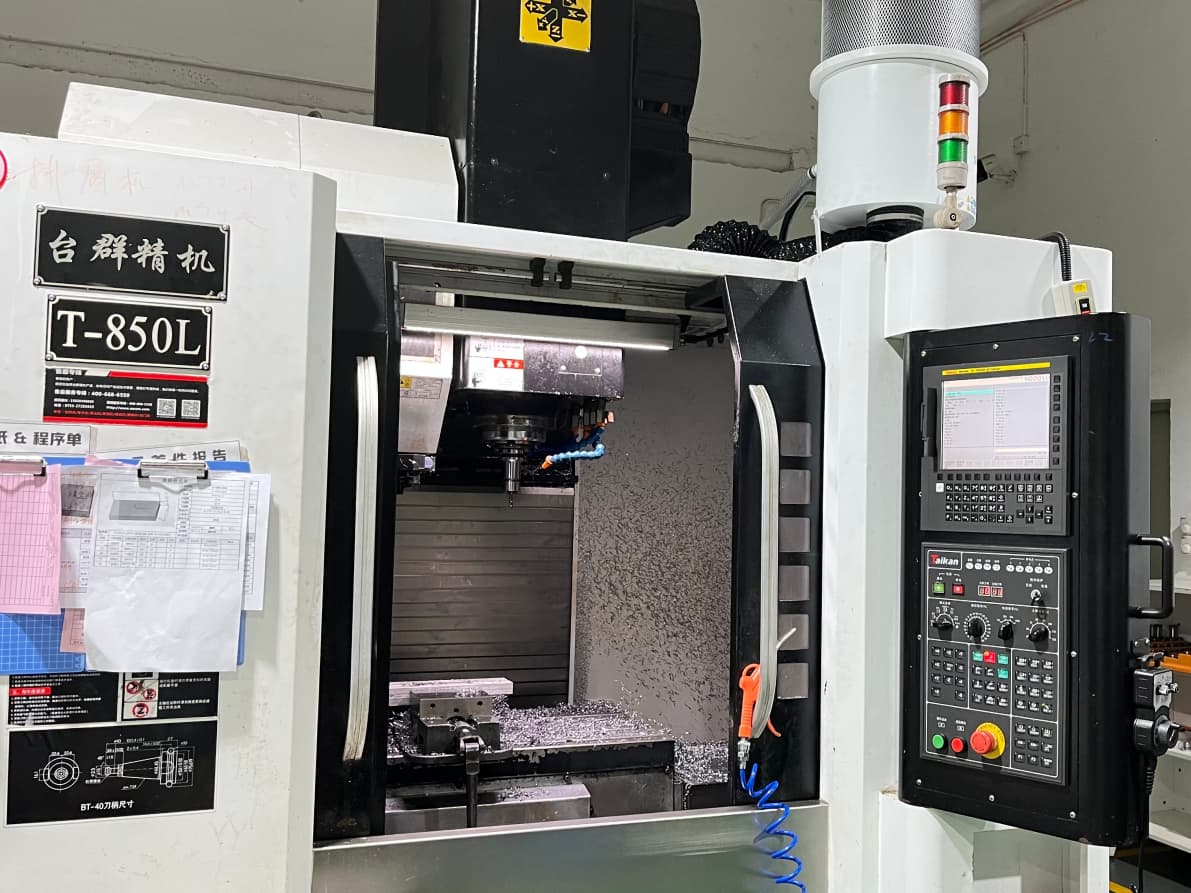
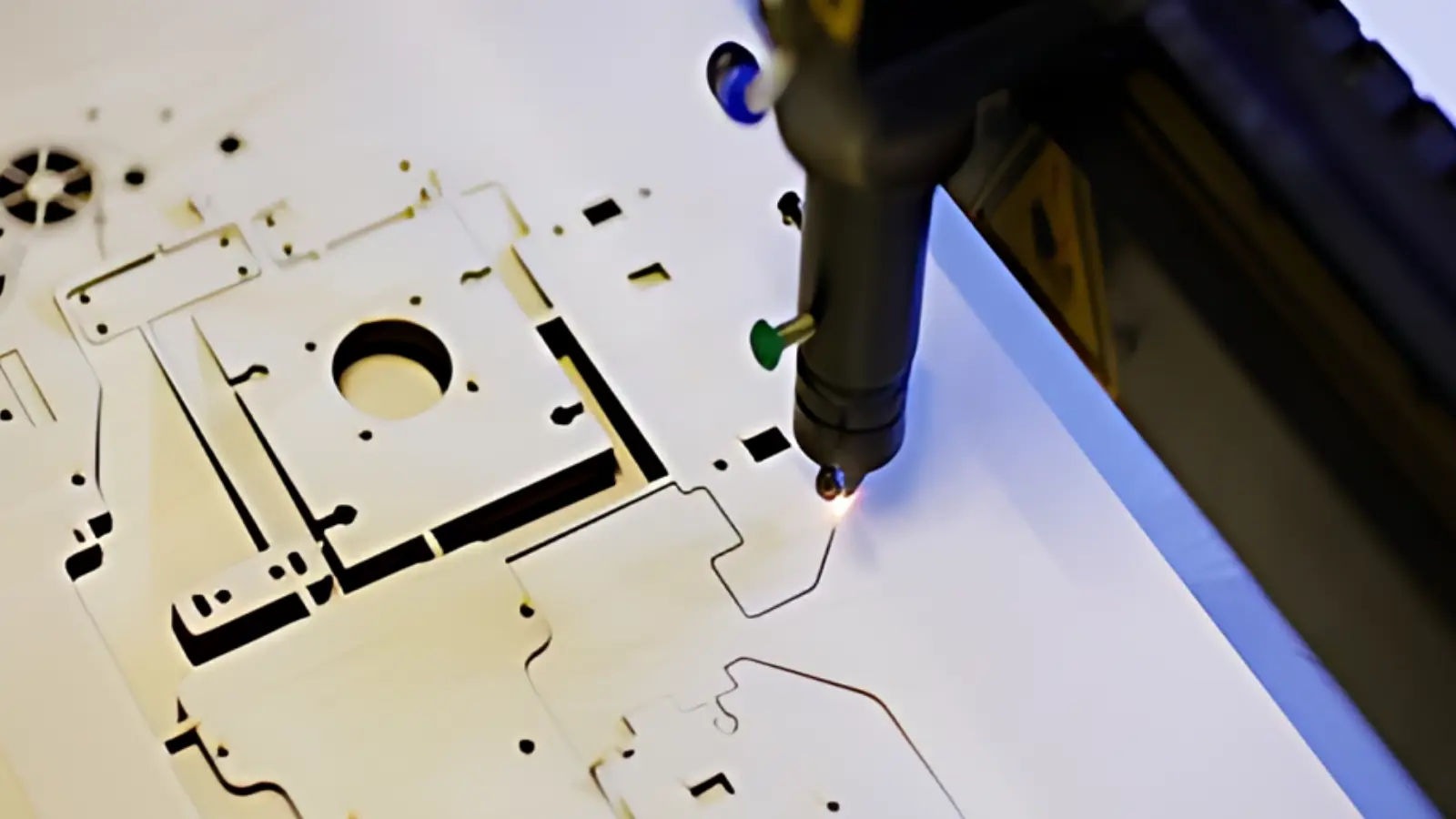
Most Chinese shops offer 3-axis, 4-axis, and 5-axis CNC milling, CNC turning, and CNC grinding. Larger facilities also handle assembly, heat treatment, and surface finishing under one roof. Service depth varies significantly between small workshops and multi-department manufacturers.
A standard engagement covers:
CNC machined components in steel, aluminum, titanium, and engineering plastics
Tolerances from ±0.005 mm on precision parts to ±0.1 mm on general components
Both prototyping (single pieces) and batch production (hundreds to tens of thousands)
Post-machining processes such as anodizing, black oxide, and passivation
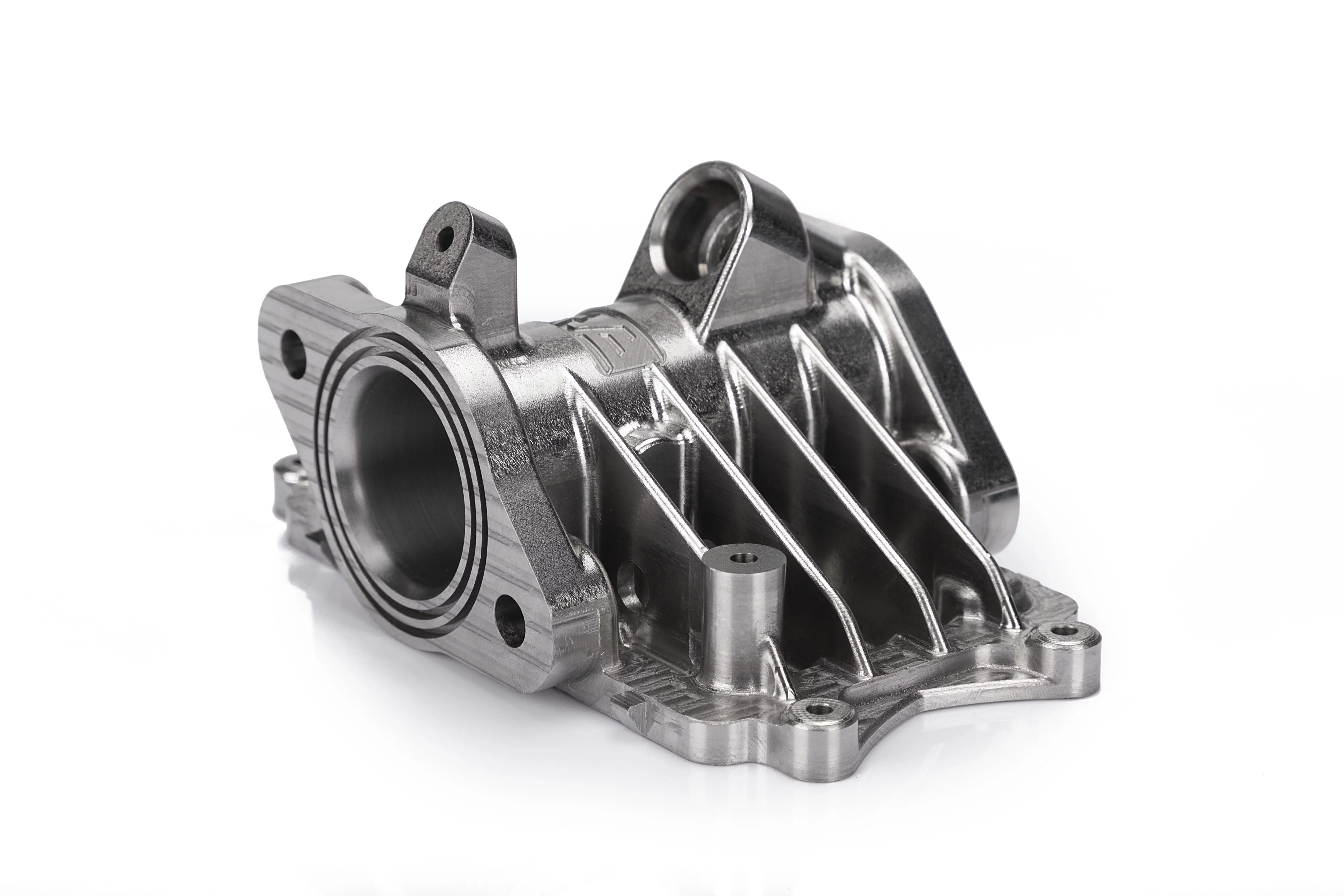
Lead times for CNC milling typically range from two to six weeks for prototype batches and four to twelve weeks for production runs, depending on part complexity and finishing requirements. The dividing line between a basic shop and a full-service partner is whether quality documentation and material traceability come as standard rather than an add-on.
Five Checks That Protect Your Order
Before releasing drawings, run through this checklist:
If a supplier cannot produce material certificates or CMM data for a pilot run, treat that as a clear signal. Request a smaller test batch before committing to full volume.
Common Risks and How to Mitigate Them
The most frequent problems are not machining errors. They are specification gaps.
A drawing that omits material grade, surface finish, or datum callouts will be interpreted differently by every shop. The result is a part that looks correct but will not interchange with your existing components. Each of these gaps compounds quickly, and a single missing datum can shift the entire machining sequence.
Other risk areas to watch:
CNC machining tolerances specified too loosely, giving the shop latitude to use cheaper setups

No defined inspection-report format, so you receive the part but not the data to verify it
Rushed first-article sign-off because the production schedule is tight
No NDA or IP agreement in place before you share proprietary drawings
YPMFG addresses these gaps with a structured CNC machining specification review before any quote is issued. The engineering team flags missing datums, ambiguous tolerances, and material callouts, then returns a marked-up drawing with recommended fixes. This step typically takes one to two business days and prevents weeks of rework later.
Practical Questions Before You Place an Order
What tolerance level can a Chinese CNC shop hold in volume production?
In many cases,±0.01 mm is routine on 3-axis milling. Tighter tolerances such as ±0.005 mm require CMM verification on every piece and may add 15–25% to unit cost. Confirm the specific tolerance your application demands before comparing quotes.
Do I need to send a physical sample or reference part?
Not always. High-resolution drawings with all datums, GD&T, and material specs are usually sufficient. A physical sample helps when you are replicating an existing part without original drawings, or when doing reverse engineering of a legacy component.
How do material choices affect the final price?
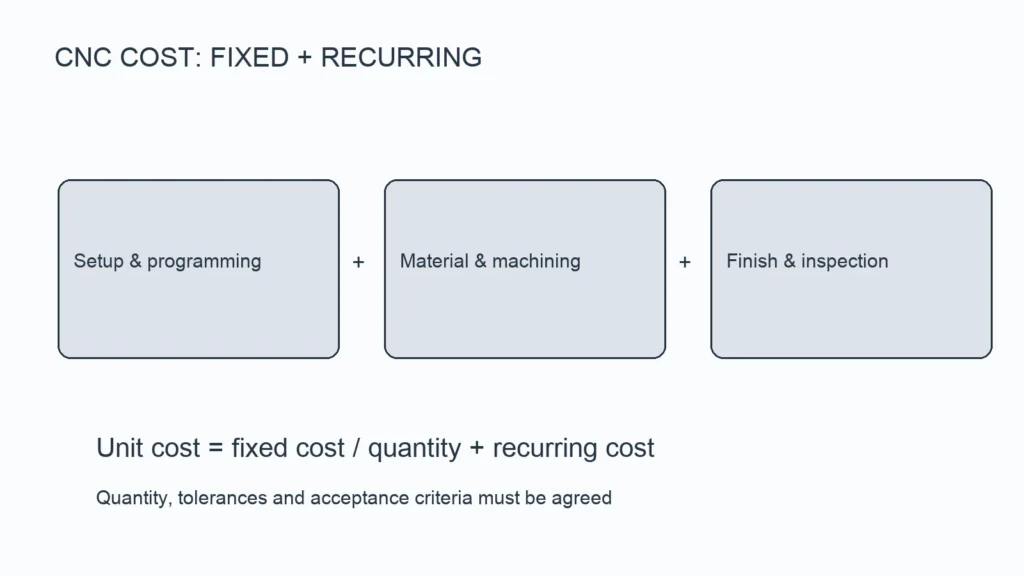
Aluminum parts are the most cost-effective option. Stainless steel and titanium increase raw-material cost by 30–200% and can double machining time. Always ask the supplier to break out material cost separately so you can compare quotes on an equal basis.
What should a standard inspection report include?
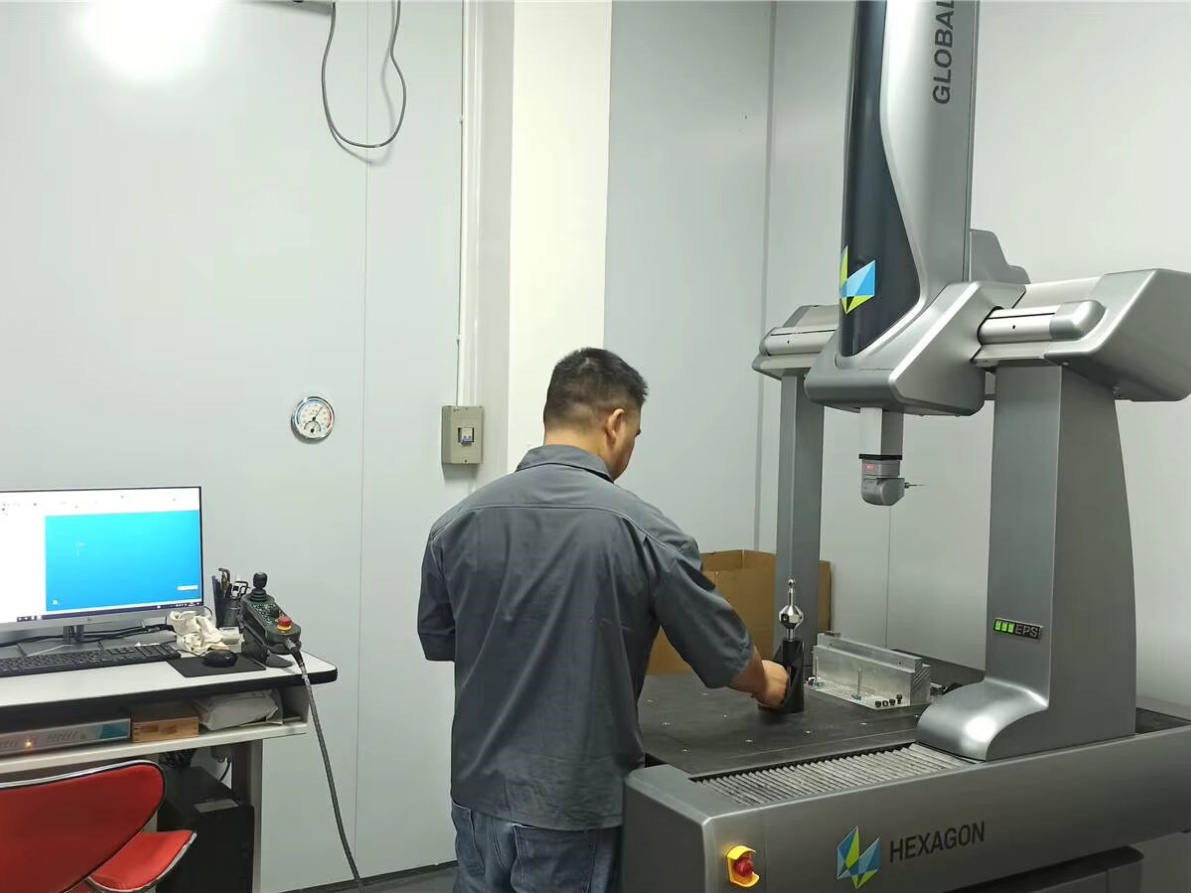
A minimum report lists part number, revision, quantity, material lot, CMM or gauge results for critical dimensions, surface-finish measurement, and a QC sign-off. If the supplier provides only a conformance statement without measurement data, request the full report before accepting the shipment.
What is the typical lead time for CNC machined parts in China?
Prototype batches usually ship in two to six weeks. Production runs of 500 or more units take four to twelve weeks, depending on part complexity, material lead time, and finishing steps. Confirm the delivery window in writing before release.
Choosing the Right CNC Machining Partner
The right partner is not the cheapest quote. It is the shop that will tell you when a drawing has a gap, when a tolerance is unrealistic for your volume and budget, and when a small design change saves money without sacrificing function. That level of engineering feedback is what separates a transactional supplier from a manufacturing partner you can rely on across product generations.
If you are evaluating CNC machining services in China for a new component or a production transfer, send your drawings and specifications to YPMFG for an engineering review. The team will identify missing callouts, recommend realistic tolerances, and provide a transparent cost breakdown before you commit to a production run.