 English
  German
  Russian
  Japanese
  Korean
  Spanish
  French
  Italian
  Portuguese
 Quick answer:
Cast acrylic (cast PMMA) is a sheet material made by pouring liquid monomer into a mould and curing it under controlled conditions. Compared to extruded acrylic, it delivers better dimensional stability, higher optical clarity, and more consistent thickness from edge to edge. For CNC machining projects, cast acrylic holds tighter tolerances after routing and produces cleaner edge profiles. It typically costs 15–30 % more per square metre and comes in fewer standard thicknesses. If your part involves thin-walled panels, large flat surfaces, or a high-gloss finish, cast grade is usually the safer specification.
Procurement teams often order “acrylic” without specifying cast or extruded, only to discover the sheet warps during thermoforming or the milled edges look uneven after multiple tool passes. The distinction matters more than most buyers expect, particularly when a drawing calls for ±0.1 mm tolerance or a mirror-grade surface finish.
Cast Acrylic vs. Extruded Acrylic
Both grades share the same base resin, but the manufacturing process changes how the material behaves on the machine.
If your project stays under 12 mm and tolerances are generous, extruded grade can save meaningful cost. Once panel size grows or flatness becomes a concern, the random molecular structure in cast material becomes the deciding factor.
Machining Cast Acrylic: What Affects Your Results
Cast acrylic cuts cleanly, but feed rate and spindle speed still determine edge quality. For parts holding ±0.1 mm, a sharp carbide end mill and consistent vacuum-table clamping are essential.
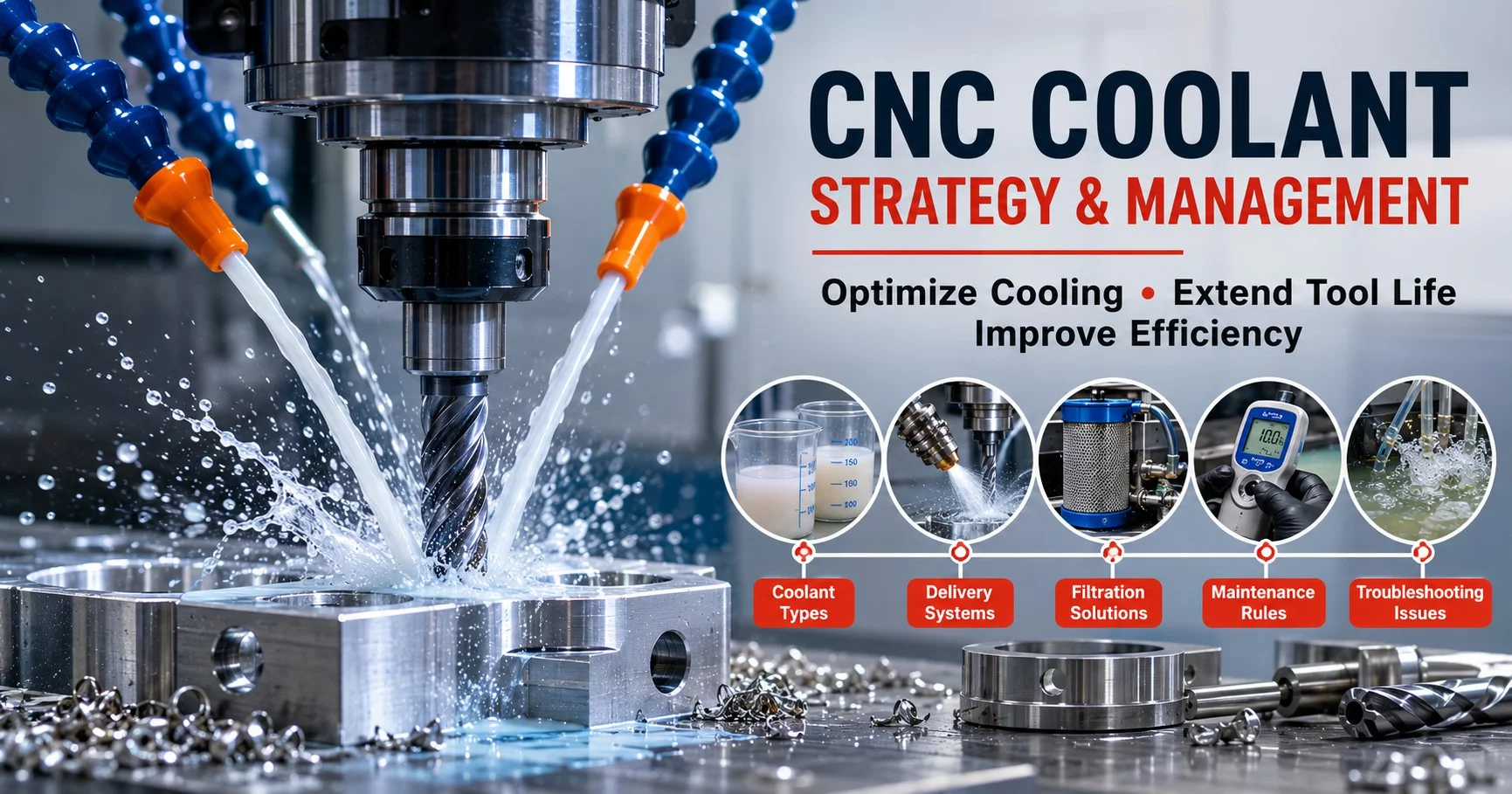
PMMA softens around 105 °C. Excess friction from prolonged cutting will melt and refreeze the cut edge, leaving a hazy band. Short tool paths or a light mist of water-based coolant keep the cut zone cool and the edge clear.
Sanding and polishing behave differently across grades. Cast material sands to a clearer, more uniform finish because the random mould-flow structure scatters light evenly. Extruded sheets can show streaks along the grain if you sand in one direction.
How to Specify Cast Acrylic Correctly
Confirm material thickness and tolerance with the supplier before ordering. Batches vary by ±0.2 mm in some grades.
Request a small sample panel and run a test cut that matches your actual drawing features.

Ask whether the fabricator offers edge polishing, flame finishing, or post-heat treatment as part of the package.
For custom solution needs—thick slabs, UV-stabilized grades, or specialty colors—check stock availability versus lead time before committing to a full batch.
YPMFG supports projects that require thick cast panels or multi-step finishing. You can send your specifications to YPMFG for a quick engineering review before locking in a material purchase.
Common Questions Before Ordering Cast Acrylic
Can cast acrylic be CNC-machined the same way as extruded?
Yes, but expect slightly slower feeds on panels thicker than 10 mm to avoid edge chipping. The random molecular structure in cast grade resists directional tear-out better than extruded sheets.
What thickness range do most shops keep in stock?
Most fabricators hold 1.5 mm to 12 mm in standard cast sheets. Beyond 12 mm, lead times increase and pricing shifts to slab or custom-cut territory.
Does cast acrylic yellow when used outdoors?
UV-stabilized cast grades resist yellowing significantly better than standard extruded sheets. If the part will sit in direct sunlight, specify a UV-stabilized cast grade and confirm the stabilizer package with the supplier.
What edge finish should I request for a CNC-milled part?
A two-pass rough-and-finish strategy with a polished carbide tool gives the cleanest edge. For optical or display parts, add a brief flame-polish step after milling to eliminate micro-scratches.
## Need Help Specifying Cast Acrylic for Your Next Build?
Before you lock in a material purchase, send your part drawings, target tolerance, and production volume to YPMFG. Their engineering team can flag whether cast grade is truly necessary, suggest tooling adjustments, or recommend an alternative that reduces per-unit cost without sacrificing the finish you need. A short file upload or review call is enough to get started.