 German
  English
  Russian
  Japanese
  Korean
  Spanish
  French
  Italian
  Portuguese
 Kurze Antwort:
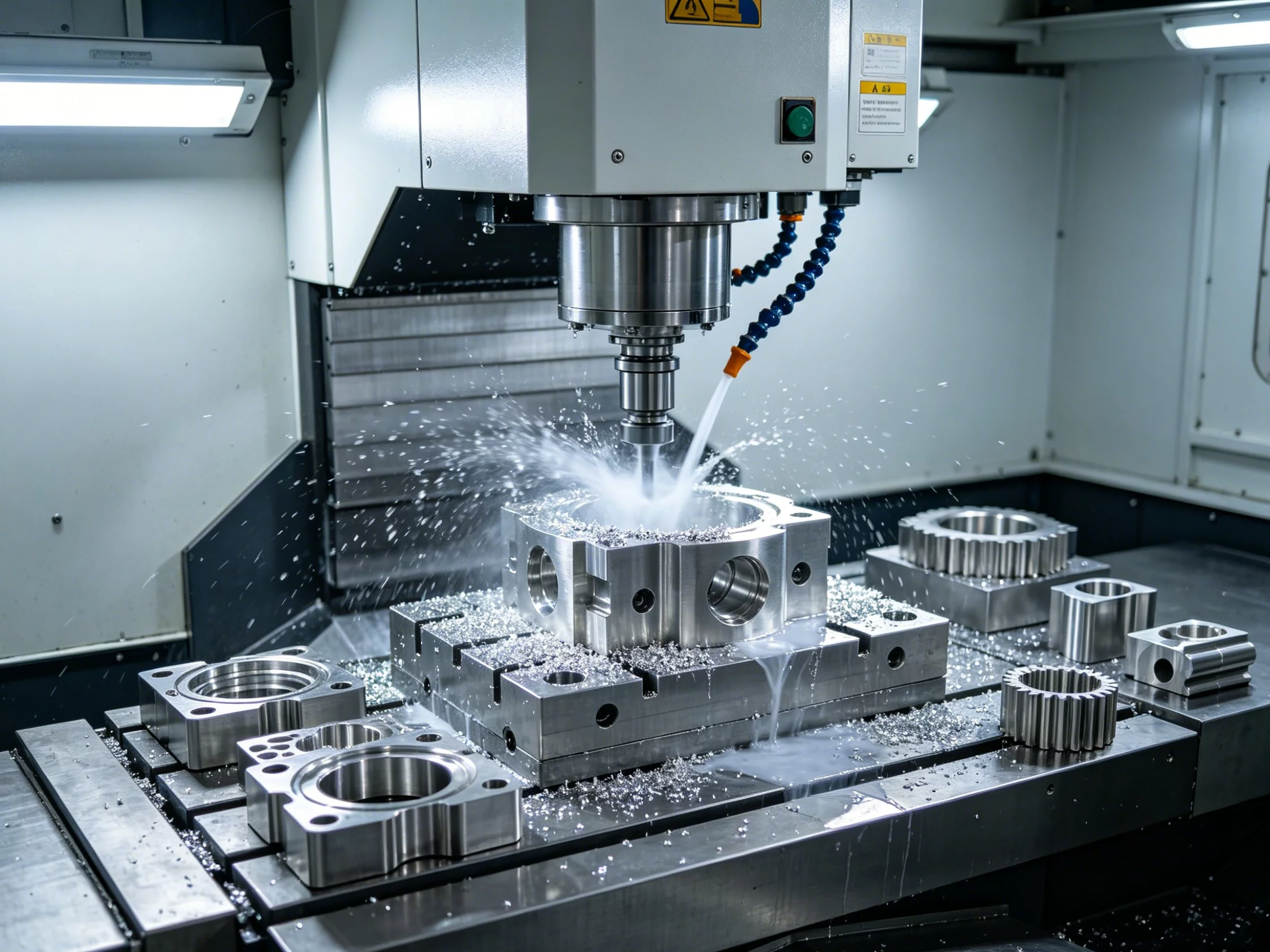
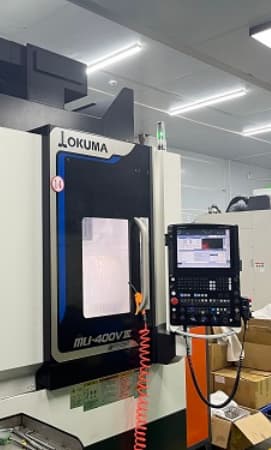
CNC-Bearbeitung is a subtractive manufacturing process that uses computer-controlled tools to cut material into precise parts. It covers several methods including milling, turning, and drilling, each suited to different geometries and tolerances. Modern CNC systems can hold tight tolerances—often within ±0.025mm—and produce consistent results across high-volume runs. If you are evaluating whether CNC machining fits your project, the first step is clarifying your material, tolerance, and production volume requirements.
CNC machining is one of the most widely used manufacturing processes in industrial production. Engineers, procurement teams, and product designers rely on it for prototypes and end-use parts alike. Understanding how CNC machining technology works helps you make better decisions about cost, lead time, material choice, and part quality.
At YPMFG, we work with buyers across industries to evaluate feasibility, select the right process, and deliver parts that meet specification. This article breaks down the core concepts so you can approach your next machining project with confidence.
What Is CNC Machining and How Does It Work?
Kurze Antwort:
CNC stands for computer numerical control. It uses pre-programmed digital instructions to direct cutting tools along multiple axes. The machine follows a CAD file converted into G-code, removing material layer by layer until the final part is formed.
CNC machining differs from manual machining because the operator does not control the tool path by hand. Instead, software handles positioning, speed, depth, and feed rate automatically. This automation reduces human error and enables complex geometries that would be extremely difficult or impossible to produce manually.
There are two main categories of CNC machining processes: subtractive and additive. CNC machining is subtractive. It removes material rather than adding it. This distinction matters because it affects material waste, surface finish, and design constraints.
Common Types of CNC Machining Processes
Different CNC processes are designed for specific part shapes and production needs. Selecting the right process depends on geometry, tolerance, and material.
The choice between these processes affects both price and lead time. A simple turned part often costs less and ships faster than a five-axis milled component. Understanding the difference early prevents unnecessary expense during procurement.
Materials Used in CNC Machining
Kurze Antwort:
CNC-Maschines can process metals, plastics, and some composite materials. The most common metals include aluminum, stainless steel, titanium, and brass. Plastics such as PEEK, Nylon, and acetal are also widely machined.
Material selection should be driven by the part function, not availability alone. Harder materials like Inconel or titanium require slower cutting speeds and specialized tooling. Softer materials like aluminum 6061 allow higher throughput and lower cost per part.
When you provide specifications to a manufacturer, always include the exact material grade. Vague material descriptions such as “steel” or “aluminum” can lead to confusion, delayed quotes, and parts that do not meet performance requirements.
What Determines CNC Machining Cost?
Many buyers assume price is driven mainly by material cost. In reality, several factors interact to determine the final quote.
Part geometry and complexity: Features like deep pockets, thin walls, and tight internal radii increase machining time.
Tolerance requirements: Tighter tolerances demand slower cutting, better tooling, and additional inspection.
Production volume: Low-volume parts carry higher per-unit cost. Volume scaling reduces setup cost amortization.
Material hardness: Harder materials wear tools faster and require more power.
Surface finish requirements: Anodizing, passivation, bead blasting, or polishing add post-processing steps and cost.
Lead time urgency: Rush orders often require prioritized scheduling and overtime setup.
cost factors in cnc machining should be reviewed holistically. A cheaper material may not justify the cost of additional secondary operations or premature part failure.
How to Choose the Right CNC Process for Your Project
Selecting the right approach requires balancing engineering constraints with practical manufacturing considerations.
First, define the part geometry clearly. Use CAD models whenever possible. Complex external shapes favor milling. Rotational symmetry favors turning.
Second, identify the critical features. Mark which surfaces require tight tolerance, which need specific surface finish, and where assembly interfaces exist. Focus your budget on these features rather than applying premium standards everywhere.
Third, confirm the production volume. Prototype runs under fifty parts often justify manual setup flexibility. Volume production above five hundred parts benefits from optimized fixture design and automated loading.
At YPMFG, we offer technische Begutachtung for every new project. You can send your CAD files and specifications for review. Our team evaluates manufacturability, suggests design adjustments, and provides a detailed quote before any commitment.
Design for Machinability: Key Guidelines
Design decisions made before quoting have a significant impact on cost and quality. Some common DFM guidelines include:
Avoid internal corners sharper than the tool radius. Use fillets where possible.
Keep wall thickness above 0.8mm for metals to prevent deflection and vibration.
Minimize deep cavities that require long-reach tools.
Specify tolerances only where function requires them. Over-specifying increases cost unnecessarily.
Design features that allow secure fixturing. Parts that cannot be clamped reliably will show runout and surface marks.
These guidelines do not restrict creative design. They simply align your geometry with the physical constraints of cutting tools and machine travel.
Quality Control and Inspection in CNC Machining
Precision manufacturing requires verification at multiple stages. Reputable shops perform in-process inspection and final measurement before shipment.
Common inspection methods include:
Coordinate measuring machine (CMM) for dimensional verification
Optical comparators for profile checking
Surface roughness testers for finish evaluation
Visual inspection for burrs, scratches, and cosmetic defects
Documentation may include first-article inspection reports,material certificates, and process records. Request these documents early in the procurement conversation. They provide traceability and protect against receiving non-conforming parts.
Common Mistakes Buyers Make When Sourcing CNC Parts
Even experienced buyers encounter avoidable issues when outsourcing machining. Understanding these risks helps you plan more effectively.
Many buyers request quotes based on 2D drawings alone. This often leads to miscommunication about intent, tolerances, and surface finish. Always provide a 3D CAD model alongside your drawing package.
Another frequent mistake is underestimating the importance of material specification. A part machined from the wrong alloy may pass dimensional checks but fail in service due to strength or corrosion issues.
Some buyers also ignore lead time implications of their design choices. Features like deep thin walls or sharp internal corners can double machining time compared to a simpler version of the same part.
Praktische Fragen vor der Entscheidung für die CNC-Bearbeitung
Readers often ask us questions similar to these before committing to a CNC project.
What file formats do you accept for engineering review?
We accept STEP, IGES, SAT, and native CAD formats. PDF drawings are welcome as a reference, but 3D models allow accurate manufacturability analysis.
Can you handle both prototype and production runs?
Yes. We support low-volume prototyping and medium-to-high volume production. Setup costs are amortized differently depending on order quantity.
What is the typical lead time for custom parts?
Lead time depends on part complexity, material availability, and order volume. Standard parts may ship within one to two weeks. Complex or high-volume orders require a quoted timeline after engineering review.
Do you provide documentation with shipped parts?
Yes. We can include inspection reports, material certifications, and process records. Request these explicitly when placing your order.
What information do I need to provide for an accurate quote?
Provide a CAD model, drawing with tolerances and surface finish notes, material specification, and estimated annual or per-order quantity. Additional requirements such as threading, plating, or packaging should also be noted.
Need Help Selecting the Right CNC Machining Approach?
Understanding cnc machining technology is only the first step. The real value comes from applying that knowledge to your specific part requirements.
If you are evaluating a new project, consider starting with an engineering review. You can send your specifications to YPMFG for evaluation. Our team will assess manufacturability, suggest improvements where applicable, and provide a detailed quote with transparent pricing breakdown.
We also offer Stichprobenprüfung for critical applications. This allows you to validate fit, function, and finish before committing to a larger order. Early validation reduces the risk of costly rework downstream.
Clear communication between buyer and manufacturer makes a significant difference. The more context you provide upfront, the more accurate your quote and the smoother your project execution.