Spanish
 English
 German
 Russian
 Japanese
 Korean
 French
 Italian
 Portuguese

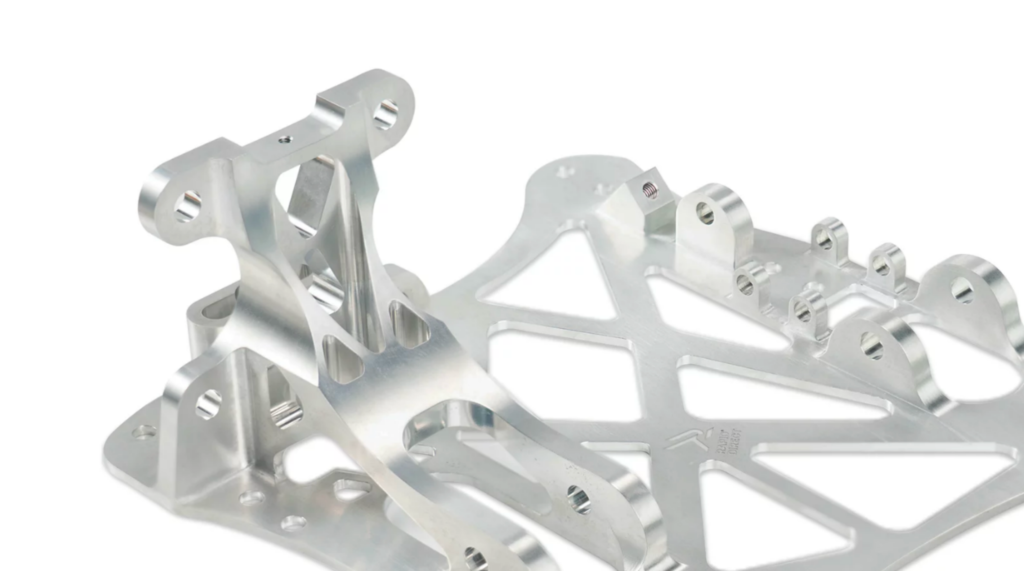
Custom sheet metal fabrication for storage means designing and manufacturing purpose-built enclosures, cabinets,and panel systems from cut, bent, and welded fabricación de chapas metálicas stock. Unlike off-the-shelf racks, these units match your exact dimensions, load limits, and environmental conditions. The typical workflow runs from dimensional specs and material selection through CAD modeling, prototype validation, and batch production. Your choices at each stage directly affect durability, unit weight, and total project cost.
Many industrial and manufacturing buyers hit the same wall: standard storage units simply do not fit the workflow. Custom storage enclosures close that gap by adapting to your floor layout, regulatory requirements, and load specifications. YPMFG supports projects where Mecanizado CNC and precision sheet metal work go beyond what catalog products can handle, helping buyers move from generic inventory to operationally specific solutions.
Material Selection and Fabrication Process
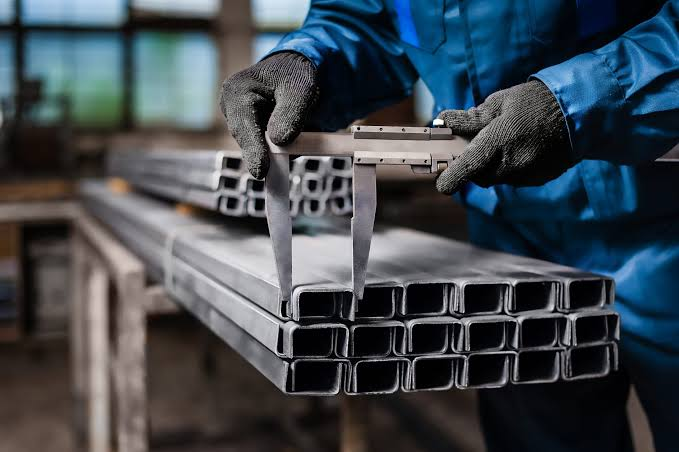
The first decision that shapes everything downstream is your base alloy. Common options include mild steel, 304/316 stainless, and aluminum, each carrying different trade-offs in strength, weight, and resistencia a la corrosión. Mild steel offers the lowest upfront cost but requires coating to resist rust. Stainless holds up in humid or chemical-exposure environments at a higher material premium. Aluminum keeps weight down for overhead or portable units.
The fabrication sequence matters just as much as the alloy. Laser cutting sets dimensional accuracy, press bending creates the panel geometry, and TIG or MIG welding joins structural seams. A short prototype run before full production catches fit issues that a 2D drawing will not reveal. YPMFG can review your drawings at the prototype stage and flag potential warpage or joint-stress problems before you commit to batch quantities.
Mild steel: lowest cost, needs finishing process such as powder coating
304 stainless: general industrial, food, and light chemical use
316 stainless: marine, pharma, and heavy chemical exposure
Aluminum 5052/6061: lightweight, moderate strength, no rust
Design Specifications That Matter
A complete specification sheet removes most of the back-and-forth between buyer and fabricator. The table below lists the data points that drive quoting accuracy and production quality.
When you send this table to a fabricator, quote turnaround drops and the risk of a mismatched unit arriving on the floor is significantly lower. YPMFG can evaluate your spec sheet and return a marked-up drawing with recommended adjustments before cutting begins.
Factores de coste y riesgos ocultos
The unit price of a custom storage unit is rarely the full story. Tooling for non-repeating bends, finishing cycles, and shipping of large assemblies can add 20–40 percent to the raw material cost. Low espesor de la pared to save budget is the most common way buyers end up with a unit that deflects under real load. A unit that bends or sags forces rework, downtime, and in some cases a complete replacement.
Two risks appear frequently. First, specifying a finish that the fabricator has not previously applied to your alloy combination, which leads to longer lead times and inconsistent results. Second, omitting the load-bearing specification so the fabricator guesses at internal bracing. Both are cheaper to fix on the drawing than in the field.
Quality Checks Before You Order
Before releasing a production order, walk through this checklist:

Confirm alloy grade and wall thickness on the cutting list
Verify bend angles against your CAD model, not just the flat pattern
Request a weld map showing joint type and location on every seam
Specify the inspection method: visual, dimensional with CMM, or radiographic for critical joints
Agree on a sample-acceptance protocol before the full batch ships
Running through this list with your fabricator in writing protects you from the most common disputes: dimensional mismatch, cosmetic finish defects, and undocumented joint strength.
Practical Questions Before Choosing a Fabricator
Can I get a prototype before committing to a full run?
Yes. Most fabricators, including YPMFG, will produce one or two sample units for fit and load testing. Budget roughly 25–40 percent more lead time for the prototype phase, and confirm acceptance criteria in writing before the sample ships.
How do I know if my load spec is realistic for the chosen material?
Send your maximum static and dynamic loads to the fabricator’s engineering team. They will calculate required wall thickness and gusset placement. If the numbers do not close, the spec needs adjusting before any cutting starts.
What lead time should I expect for custom storage units?
Typical ranges run four to eight weeks from confirmed drawings to delivery, depending on complexity and finishing. Prototype builds add one to two weeks. Rush timelines are possible but usually increase cost by 15–30 percent.
Do I need to send a 3D model, or are 2D drawings enough?
2D shop drawings with a full spec table are sufficient for straightforward boxes and cabinets. For units with complex internal partitions, angled shelves, or mating interfaces, a 3D CAD file reduces misinterpretation risk considerably.
## Choosing the Right Custom Sheet Metal Storage for Your Application
The right unit is the one that fits your floor plan, carries your actual loads, and survives your operating environment without premature failure. Start with a complete spec sheet, run a prototype, and confirm the finishing standard before scaling to production. You can send your dimensions, material preferences, and load data to YPMFG for an engineering review and a detailed quote. The team will flag any spec gaps and propose adjustments that keep the project on schedule and on budget.