Spanish
 English
 German
 Russian
 Japanese
 Korean
 French
 Italian
 Portuguese

CNC brass parts are machined components produced from brass alloy through subtractive las piezas de latón CNC manufacturing. They appear in plumbing fittings, electrical connectors, valve bodies, and precision assemblies where corrosion resistance and easy machining matter. Before you order, the three factors that most often cause rework are grado de aleación de latón, tolerance class, and surface finish spec. Skipping any of these on the drawing is the top reason buyers receive parts that do not fit the assembly.
If you are comparing quotes and the prices look very different, the gap usually comes from material grade, part geometry, and finishing steps rather than the machine itself. A small spec mismatch between your drawing and the factory’s interpretation will surface late, often after the batch is already machined. Here is a practical checklist to run through before you commit.
Why Brass Is a Common CNC Material
Brass cuts cleanly at high feed rates, which keeps parámetros de mecanizado stable and shortens cycle time. That is one reason many custom brass components in mid-volume production runs favor brass over aluminum or steel for smaller parts. The material also holds dimensional accuracy well, making it a strong match for tight tolerance work.
The grade you select changes both cost and performance. C360 (free-cutting brass) is the default for general CNC work. C387 and C464 are chosen when the part needs higher tensile strength or better resistance to dezincification. Confirm the grade on your drawing before requesting a quote.
Specs to Verify Before Placing an Order
Before sending a drawing for pricing, confirm each item below in writing with your supplier.

A missing certificación de materiales is one of the most frequent reasons a buyer discovers a batch is non-conforming after arrival. Request the MTR or equivalent test report before mass production, not after.
YPMFG can send a material datasheet and confirm grade availability before you finalize a purchase order, which helps rule out mid-run substitutions.
Common Problems and How to Avoid Them
Chip binding in tight internal corners. Brass chips can snarl inside deep holes or narrow slots. Specify chip-breaker geometry on the drawing or ask the machinist to run a peck-drilling cycle for holes deeper than 4× diameter.
Electroplating rejects on rough surfaces. If the part will be plated, keep the as-machined acabado superficial below Ra 1.6 µm. Rougher faces trap plating solution and cause blistering or peeling.
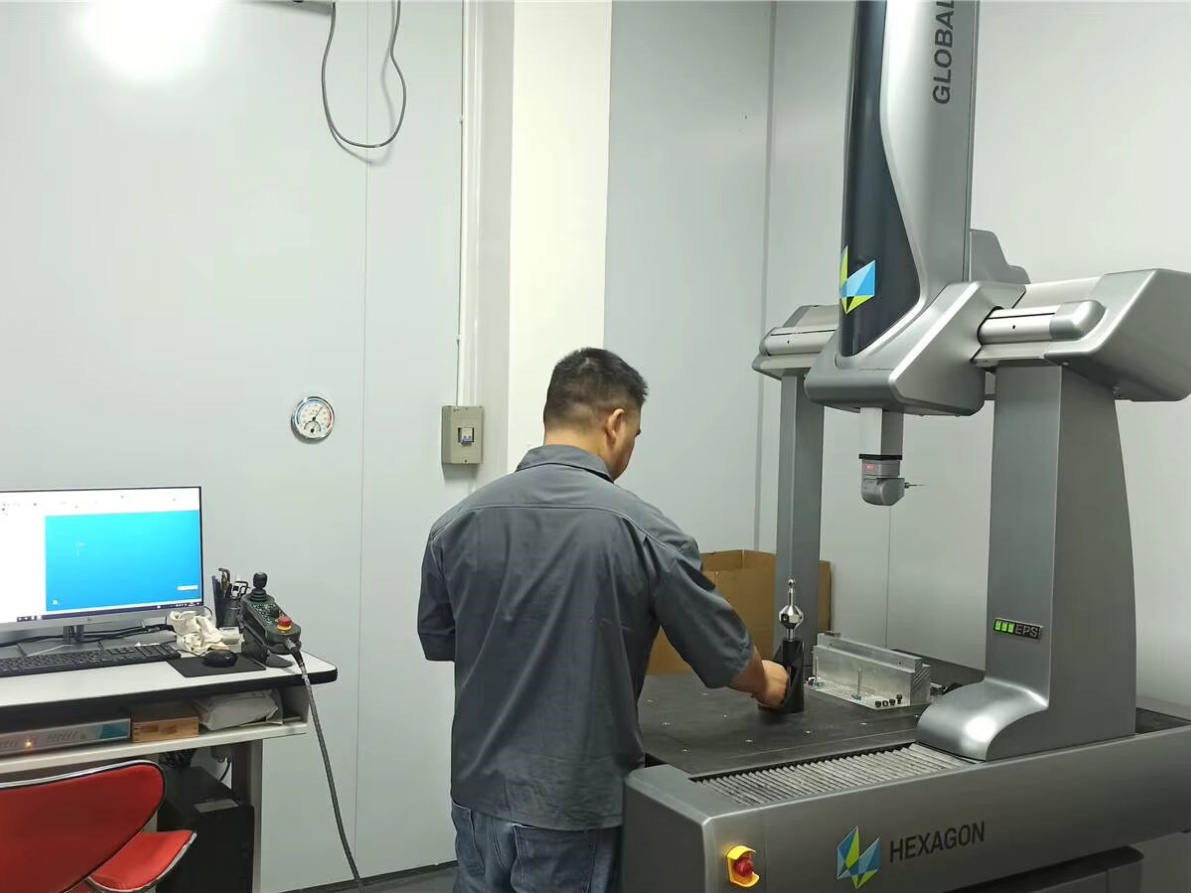
Tolerance drift on long runs. Ask the supplier to report Cpk values for critical dimensions. A Cpk below 1.33 signals the process is not stable enough for your spec.

Each of these is far cheaper to prevent at the drawing stage than to catch in a finished batch.
Preguntas frecuentes de los compradores
What is the minimum order quantity for CNC brass parts?
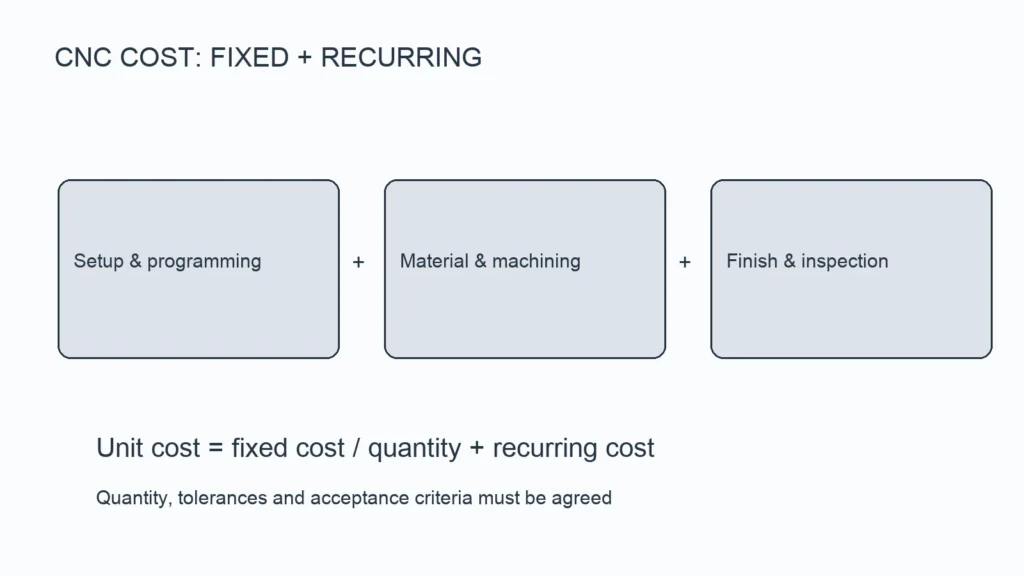
It depends on part size and material lot availability. Many Servicios de mecanizado CNC providers will run prototypes at 1–50 pieces and scale to thousands. Confirm MOQ before requesting a quote so the pricing reflects your actual volume.
Can brass parts hold ±0.005 mm tolerance?
Yes,but the cost rises sharply. Expect dedicated fixtures and in-process inspection at that level. Ask your supplier to confirm whether their shop can hold that tolerance consistently or whether a looser spec will meet your functional needs.
Do I need to write the brass grade on the drawing?
Always. If the field is blank, the factory may substitute a cheaper grade. Print the grade number (e.g., C36000) and the applicable standard (ASTM B16 or ISO 658) in the title block.
How much lead time does electroplating add?
Typically 3–7 working days depending on plating type and part count. Factor that into your delivery schedule and confirm the plating vendor’s turnaround separately from the machining lead time.
Tomar una mejor decisión a largo plazo
La derecha CNC brass part decision comes down to matching alloy grade, tolerance, and finish to the actual function of the component—not to the lowest unit price on the quote sheet. A part that costs a few cents more per piece but eliminates a fit-fail in assembly will save far more downstream.
If your project involves custom brass components with tight tolerances or specific plating requirements, send your drawing and spec sheet to YPMFG for an engineering review. The team can confirm feasibility, suggest material alternatives if needed, and return a firm quote with a defined inspection plan before you commit to volume.