 Italian
  English
  German
  Russian
  Japanese
  Korean
  Spanish
  French
  Portuguese
 Quick answer:
CNC turning is a subtractive machining process where a workpiece rotates against a stationary cutting tool to produce cylindrical parts. It is ideal for shafts, bushings, screws, and sleeves. Choosing the right service depends on material selection, tolerance requirements, surface finish needs, and production volume. A qualified CNC turning service provider can help you balance cost, quality, and delivery time for your specific project.
Buyers in engineering, procurement, and manufacturing often face difficult decisions when ordering turned components. They need parts that meet exact specifications without overspending. The problem is that not every CNC turning service delivers the same result. Some shops run outdated machines. Others lack proper quality checks. The gap between expectation and reality can delay projects and increase costs.
This guide breaks down what matters most when selecting a CNC turning provider. It covers process basics, material options, tolerance ranges, cost factors, and key quality checks. By the end, you will know exactly what to ask and what to verify before placing an order.
What CNC Turning Actually Is
CNC turning uses computer-controlled lathes to remove material from a rotating bar stock. The cutting tool moves along precise axes to shape the outside diameter, inside diameter, threads, grooves, and faces of the part. This process works best for rotational symmetry.
The core advantage of CNC lathe machining is repeatability. Once the program is set, every part comes out nearly identical. That consistency matters when you are producing batches from fifty units to fifty thousand units.
Different turning operations serve different needs. External turning shapes the outer surface. Internal turning or boring creates holes and internal features. Threading produces screw profiles. Facing flattens the end surface. Grooving cuts narrow channels for seals or rings. Modern CNC lathes can combine several of these operations in a single setup, which reduces handling time and improves accuracy.
Common Materials Used in CNC Turning
Material selection directly affects machinability, cost, and final part performance. The most frequently turned materials include:
Aluminum turns easily and accepts fine surface finishes. Stainless steel is harder on tools but delivers excellent durability. Brass offers good chip breakdown and is simple to machine at high speeds. Steel provides the highest strength for load-bearing applications. Plastics avoid secondary coating needs but require careful tool geometry to prevent melting.
When you evaluate a CNC machining parts manufacturer, ask which materials they regularly work with. A shop that only runs aluminum may struggle with tight tolerances on stainless steel. Broad material experience usually signals mature processes.
Tolerance and Surface Finish Capabilities
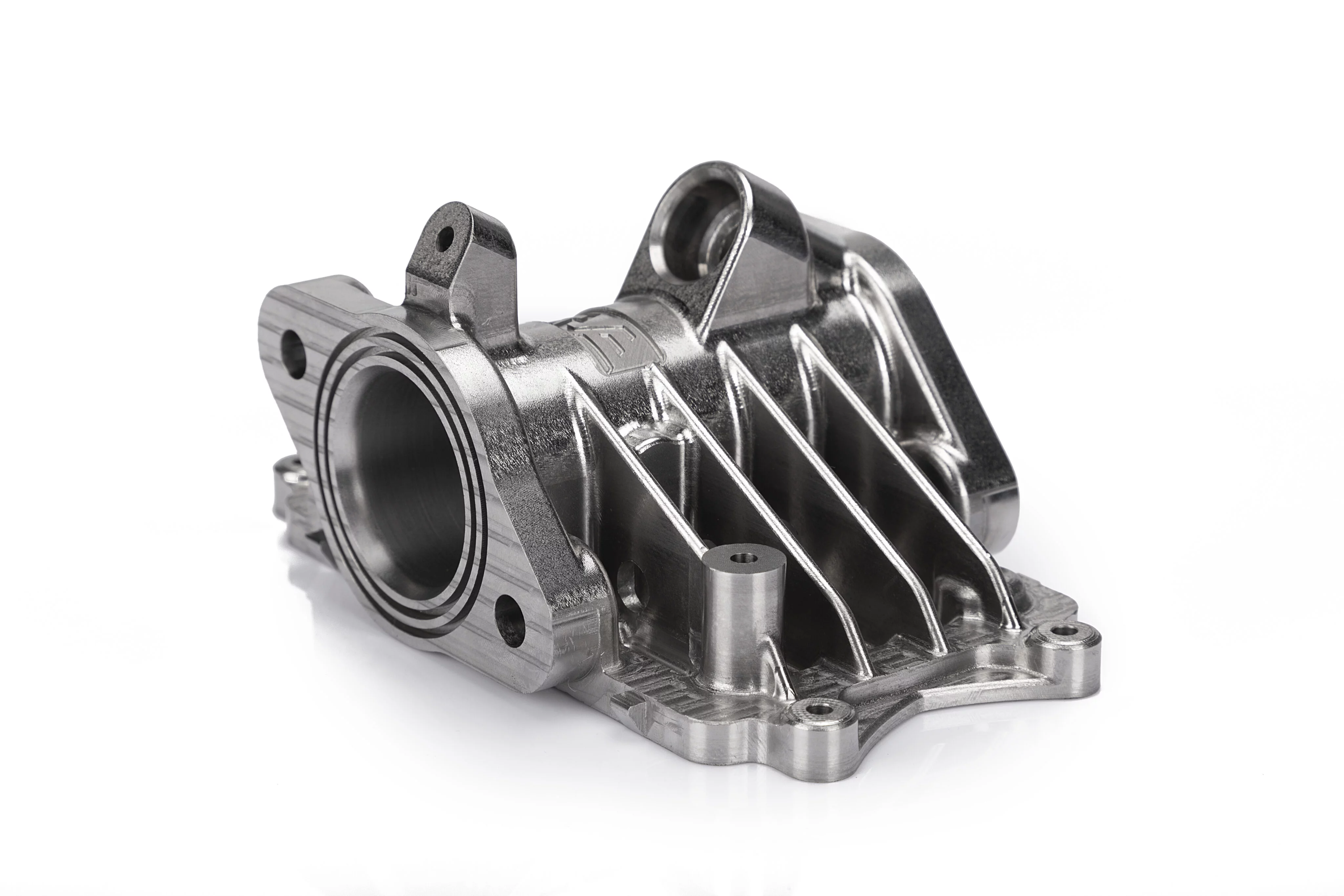
Precision is one of the main reasons buyers choose CNC turning over manual methods. Typical tolerance ranges for modern CNC turning fall between ±0.005 mm and ±0.025 mm. Certain geometries and materials can achieve tighter bounds, but those cases usually require specialized tooling and slower feed rates.
Surface finish is measured in microinches or Ra values. A standard ground finish on CNC turning typically reaches 1.6 to 3.2 Ra. Polished or precision ground surfaces can reach 0.4 Ra. Some applications need specific roughness for sealing surfaces, bearing fits, or aesthetic appearance.
Always confirm whether your drawing requires a specific tolerance callout or surface finish note. A well-prepared CNC parts manufacturing provider should read standard GD&T symbols and clarify anything ambiguous before starting production. Sending complete engineering drawings with clear notes prevents misunderstanding and avoids costly rework.
Cost Factors That Influence Pricing
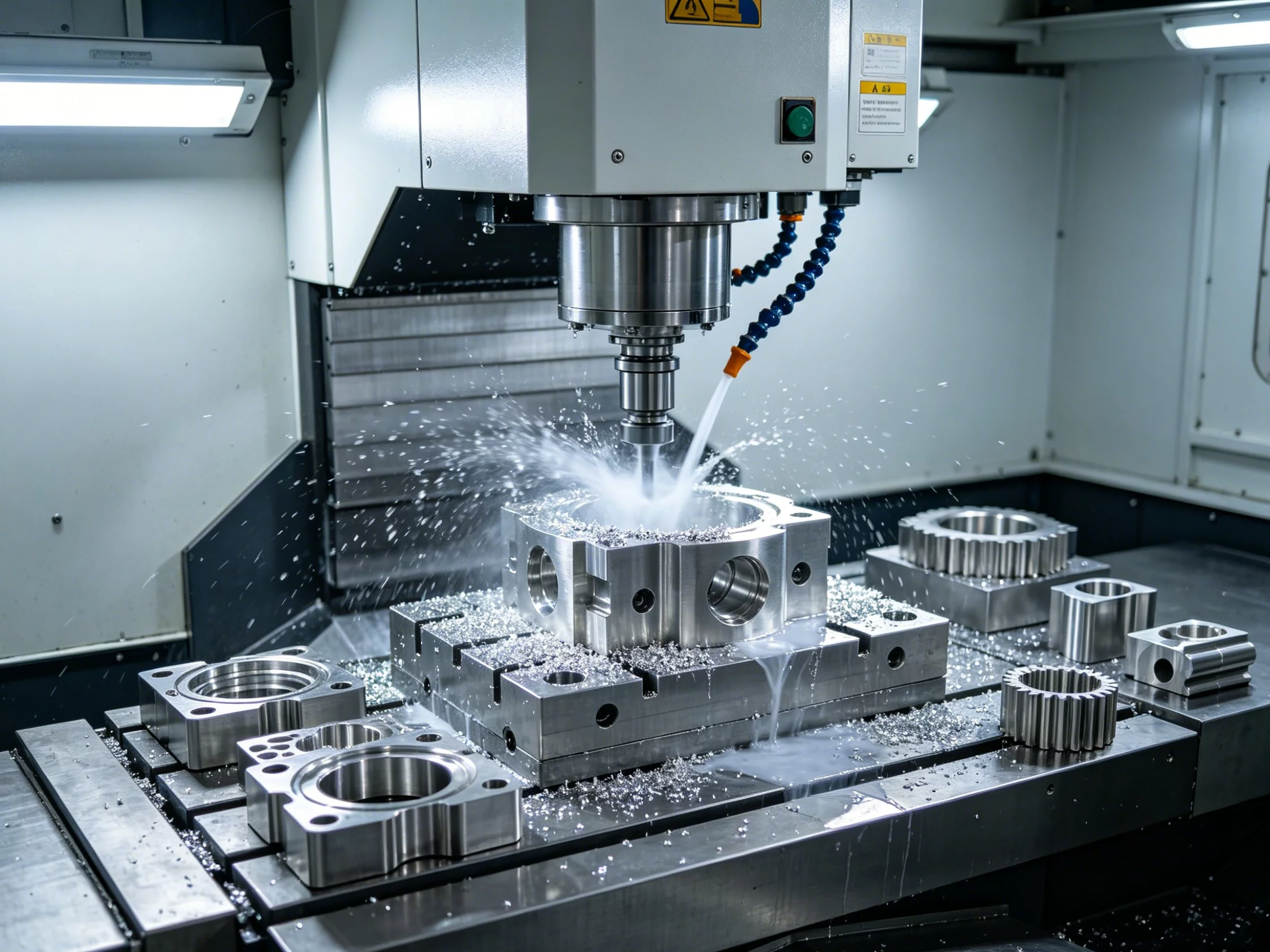
Several elements determine the final price of a turned part. Understanding these helps you budget accurately and negotiate intelligently.
The primary cost drivers include:
Material cost and waste percentage
Part geometry complexity
Tolerance tightness
Surface finish requirement
Batch quantity
Secondary operations such as threading, knurling, drilling, or heat treatment
Setup time relative to production run length
Small batches carry higher per-unit costs because setup and programming time are spread over fewer pieces. Large runs benefit from amortized setup costs and optimized tool paths. That is why CNC turning service pricing often follows a steep drop from prototype quantities to full production volumes.
Additional operations add time and tooling changes. Threading a long bolt requires a different setup than turning a smooth shaft. Knurling, cross-hatching, or chamfering each introduce extra cycles. Ask your supplier to itemize secondary operations so you can compare quotes on equal terms.
How to Evaluate a CNC Turning Provider
Not every machine shop meets the same standard. Use the following criteria to assess a potential partner before committing to a project.
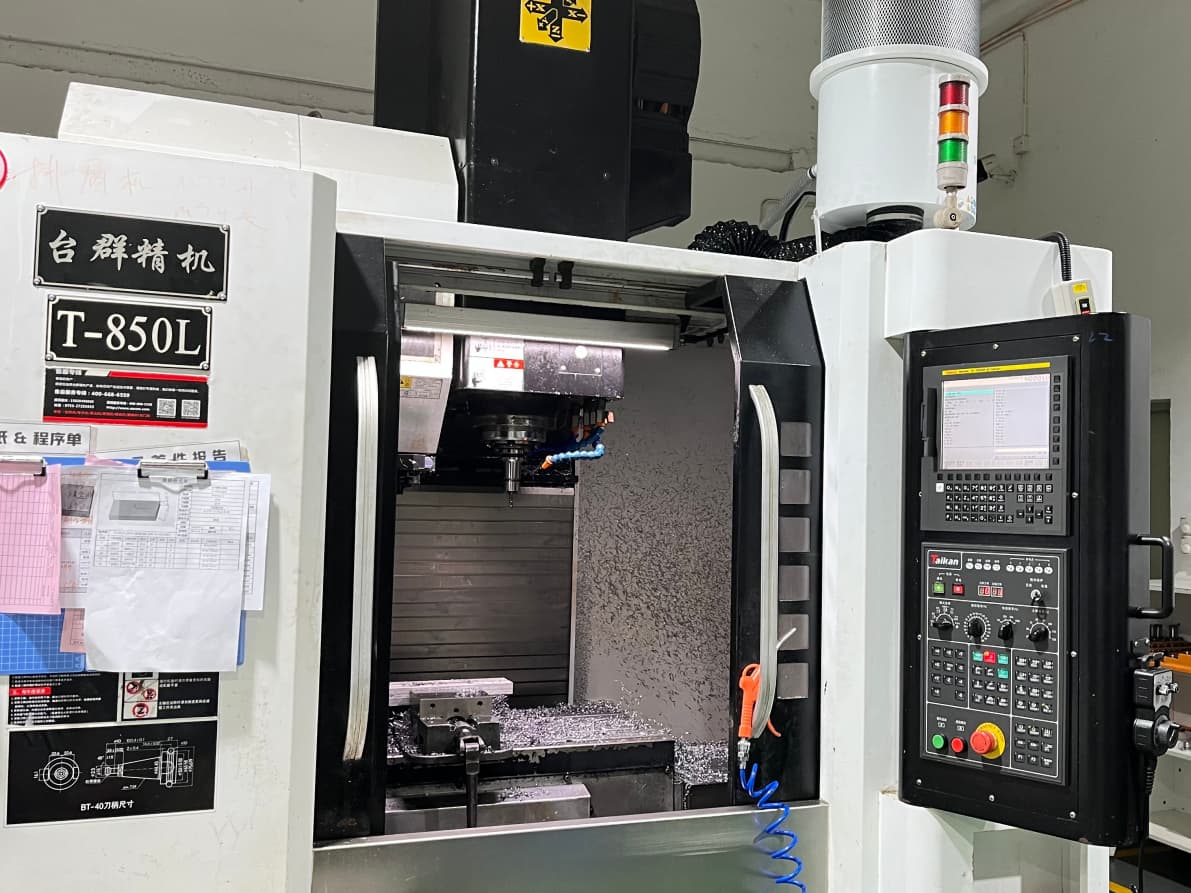
First, check equipment capability. Modern CNC lathes with live tooling and multiple spindles can complete more operations in one clamp. Single-spindle machines often require multiple setups, which increases cycle time and cumulative error. Ask about the machine models and their maximum bar capacity.
Second, review quality systems. A credible CNC machining service provider should maintain documented quality procedures. First article inspection reports, dimensional certificates, and material traceability are basic expectations for precision parts. If a supplier cannot provide sample reports, that is a warning sign.
Third, verify engineer responsiveness. Technical questions often arise during quoting and production. A responsive engineering team can clarify drawings, suggest design improvements, and flag potential issues before machining begins. Slow communication usually means slow problem resolution.
Fourth, examine lead times and flexibility. Fast prototypes do not always mean reliable production delivery. Look for providers who give realistic timelines and stick to them. Rushed schedules should come with clear communication about trade-offs.
Fifth, request samples or trial orders when possible. Physical parts reveal more than quotes ever will. Surface quality, dimension accuracy, and overall finish tell you whether the shop can meet your requirements.
YPMFG supports buyers through engineering evaluation, custom solutions, and detailed documentation at every stage. You can send your specifications to YPMFG for review and receive a structured assessment before production begins.

Applications Across Industries
CNC turned components appear in nearly every mechanical system. The following industries rely heavily on precision turning services.
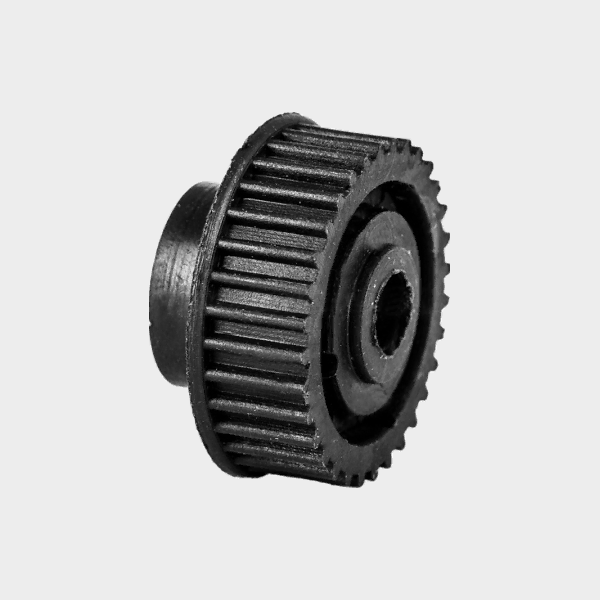
Automotive manufacturers use turned parts for axle shafts, valve stems, hydraulic pistons, and transmission components. Volume is high, and consistency is non-negotiable.
Aerospace and defense require materials with certified traces and tight tolerances. Turbine shafts, landing gear components, and connector pins all come from advanced turning processes.
Medical device companies depend on stainless steel and titanium turns for surgical instruments, implant components, and diagnostic equipment. Cleanroom capability and biocompatible material handling are essential in this sector.
Industrial equipment producers need durable steel and aluminum turns for pumps, valves, and power transmission systems. These parts often face heavy loads and harsh environments.
Electronics and semiconductor manufacturers use precision brass and aluminum turned parts for connectors, waveguide components, and vacuum system fittings. Dimensional stability matters more than raw strength here.
Common Mistakes to Avoid When Ordering
Many buyers make the same preventable errors during the sourcing process. Recognizing these pitfalls can save time and money.
The first mistake is submitting incomplete drawings. Missing tolerances, unclear surface finish notes, or unspecified thread standards create guesswork for the machine shop. Always double-check that every critical dimension is called out before requesting a quote.
The second mistake is ignoring design for manufacturability. Sharp internal corners cannot be produced with round cutting tools. Deep narrow slots may require special tooling. Adding small design adjustments early can significantly reduce cost and lead time.
The third mistake is comparing prices without comparing scope. One quote may include inspection reports and packaging. Another may not. A lower unit price can hide extra charges for documentation, shipping, or rework.
The fourth mistake is assuming all shops can handle all materials. Some turn only aluminum. Others specialize in stainless or exotic alloys. Match your material requirement to the provider’s proven experience.
Improving Part Quality and Longevity
Quality does not end at delivery. Proper handling, storage, and assembly preserve the condition of turned parts throughout their service life.
Steel parts should be coated or passivated if they will face corrosive environments. Aluminum parts benefit from anodizing when wear resistance or appearance matters. Brass parts may require plating depending on the application.
Avoid dropping or striking turned components during assembly. Surface imperfections introduced by careless handling can initiate failure points, especially on precision shafts and sealed surfaces.
Store parts in a dry environment. Moisture causes oxidation on ferrous and some non-ferrous metals. Use desiccant packaging for long-term storage or shipped inventory.
Regular inspection of critical dimensions during assembly helps catch issues early. Coordinate with your CNC lathe machining provider if recurring measurement drift appears in received parts.
Questions Buyers Often Ask About CNC Turning
What is the difference between CNC turning and CNC milling?
Turning rotates the workpiece while the tool stays stationary. Milling rotates the tool while the workpiece stays fixed. Turning produces cylindrical shapes. Milling creates flat surfaces, slots, and complex 3D contours. Many projects require both processes.
Can a CNC turning service handle both prototypes and mass production?
Yes. Most capable shops support short runs for prototyping and scale to high volumes for production. Discuss your quantity range upfront so the provider can plan tooling and scheduling accordingly.
What file formats are accepted for quoting?
PDF drawings, STEP files, and IGES files are commonly accepted. Some providers also read native CAD formats. Include a clear 2D drawing with dimensions and notes alongside the 3D model for the fastest and most accurate quote.
How long does typical lead time take?
Lead time varies with part complexity, material availability, and order quantity. Simple parts in stock material may ship within days. Complex parts with special materials or secondary operations often require one to three weeks. Always confirm estimated delivery before approving the order.
Is inspection documentation included in the price?
Many providers offer basic inspection reports at no extra charge. Detailed first article inspection reports, CMM data, or material test certificates may carry additional fees. Specify your documentation needs during the quoting stage.
What should I do if a part does not meet my tolerance?
Contact the supplier immediately with measurement data and photos. Reputable CNC parts manufacturing companies will investigate the cause and offer a replacement or corrective action. Clear communication and evidence speed up the resolution process.
Choosing the Right CNC Turning Service for Your Project
Selecting the correct turning partner requires more than comparing unit prices. You need a provider who understands your material, your tolerance, your volume, and your delivery timeline. Technical capability, quality documentation,and responsive engineering support are just as important as the final quote.
Before placing an order, verify the shop’s equipment, review sample reports, and discuss any special requirements directly with their engineering team. Small questions asked early prevent expensive problems later.
If you are looking for a dependable CNC turning service partner, YPMFG offers engineering evaluation, material recommendations, custom solutions, and detailed documentation support. You can send your specifications to YPMFG for a professional review and receive a clear quote tailored to your project requirements.