 Italian
  English
  German
  Russian
  Japanese
  Korean
  Spanish
  French
  Portuguese
 Quick answer:
Hardware stamping is a metalforming process that uses presses and dies to cut or shape metal sheets into precise components. It is widely used for producing brackets, contacts, leads, clips, and enclosures across automotive, electronics, and industrial sectors. The process is cost-effective for high-volume runs, but success depends on proper die design, material selection, and manufacturer capability. Buyers should evaluate tolerance ranges, surface treatment options, tooling lead times, and quality control documentation before committing to a supplier.
Metal stamping is one of the most established manufacturing methods, yet selecting the right partner requires more than comparing unit prices. Many buyers encounter issues with dimensional drift, inconsistent part finish, or delayed tooling delivery when they work with inexperienced shops. Understanding the process fundamentals, available materials, and what to verify during vendor evaluation can prevent costly mistakes. This article explains how hardware stamping works, which factors influence quality and cost, and what buyers should check before placing an order.
What Is Hardware Stamping and How Does It Work?
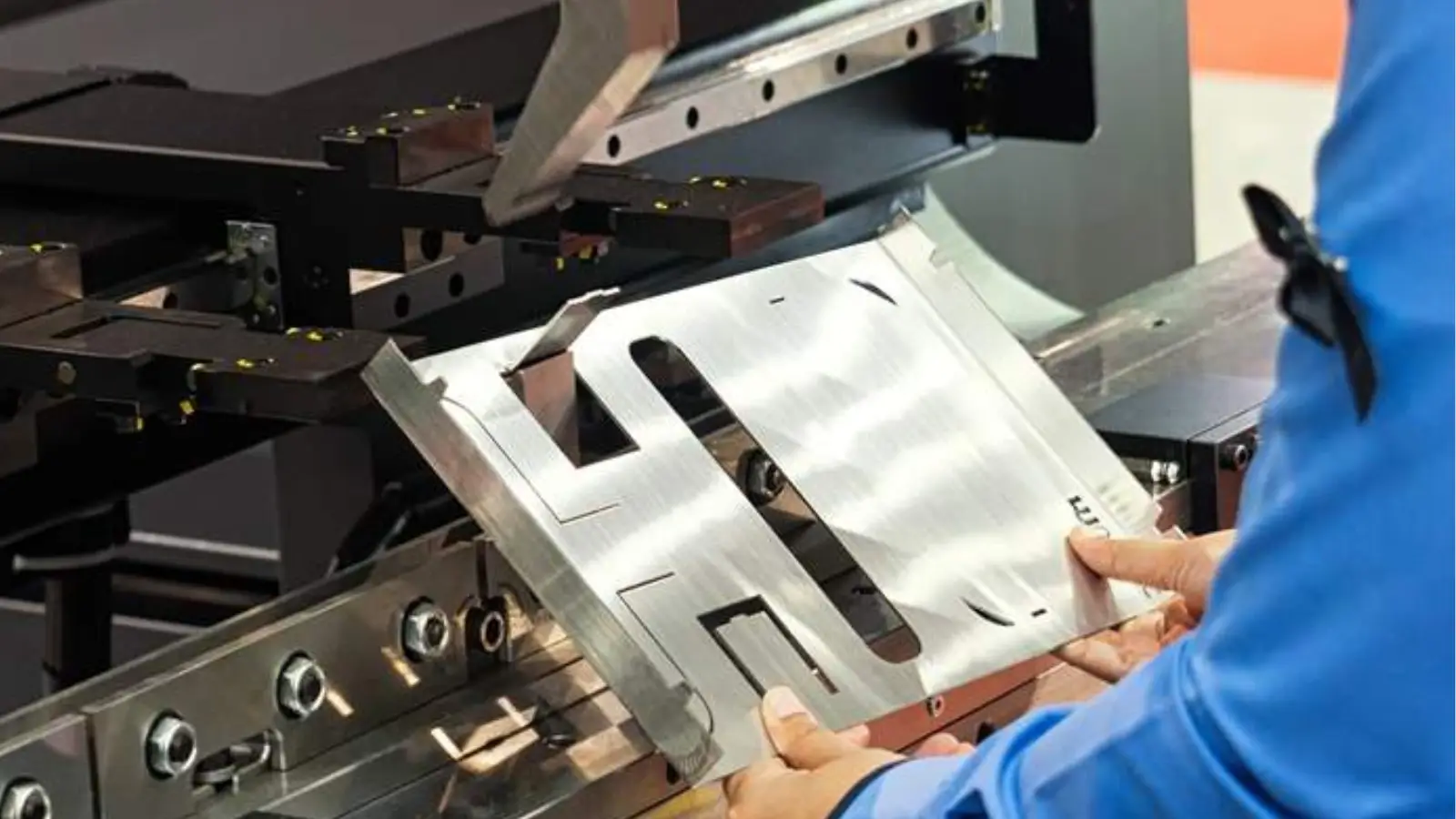
Hardware stamping transforms flat metal coil or sheet into finished parts through a series of press operations. A stamping die is mounted on a mechanical or hydraulic press. The press applies controlled force to cut, bend, form, or pierce the material in a single stroke or multiple stages. Simple parts may require only one operation, while complex geometries need progressive or transfer dies.
The process is highly repeatable, which makes it suitable for production runs ranging from thousands to millions of pieces. Tolerances can typically be held within ±0.005 inches for standard operations, and tighter tolerances are possible with fine-blanking or precision progressive stamping. Material choices include low-carbon steel, stainless steel, aluminum, copper, brass, and specialty alloys. Each material behaves differently during forming, and the selection affects both part performance and tooling life.
Common Types of Stamping Processes
Different applications require different forming approaches. Choosing the right process affects part accuracy, surface quality, and production speed.
Each process has specific capabilities and limitations. Progressive stamping delivers the highest throughput for medium-size parts. Transfer stamping is better suited for large panels or parts that require flipping. Fine blanking produces clean edges without secondary machining. Deep drawing creates three-dimensional shapes from flat blanks. Coining is used when sharp details or threaded features are required.
Key Factors That Influence Stamping Quality
Several variables determine whether a stamped part meets design intent and performs reliably in service.
Material properties are the foundation. Grain direction, thickness tolerance, and temper condition all affect formability. Some materials work-harden quickly, which can lead to cracking during severe bends. Others have excellent springback characteristics that require compensation in die design.
Die design and maintenance directly impact part consistency. Wear patterns develop over time, especially when stamping hardened or abrasive materials. Proper venting, lubrication strategy, and stripper force must be engineered into the die. A well-designed die includes wear strips, replaceable inserts, and inspection points to extend service life and reduce downtime.
Press tonnage and parallelism matter more than raw force alone. The press must provide even pressure across the entire die face. Misalignment causes uneven wear, part distortion, and premature tool failure. Modern presses include shut-height adjustment and parallelism monitoring to maintain consistency.

Process controls such as strip feed accuracy, sensor monitoring, and in-line inspection help catch defects early. Automated vision systems can detect cracks, burrs, or dimensional deviations during high-speed production. Statistical process control data gives buyers visibility into part consistency over time.
Material Selection Guide for Stamped Hardware
The material you choose affects strength, conductivity, corrosion resistance, and manufacturability. Here are the most commonly specified options.
Low-carbon steel (Mild steel): Strong, economical, easy to stamp. Often used for structural brackets and mounting hardware. Can be plated or painted for corrosion protection.
Stainless steel (304, 316, 430): Excellent corrosion resistance. Used in food processing, medical, and outdoor applications. Higher formability requirements and increased tool wear.
Aluminum (1100, 3003, 5052, 6061): Lightweight with good conductivity. Common in electronics enclosures and heat sinks. Softer material reduces die wear but may require support fixtures for thin sections.
Copper and brass: High electrical conductivity. Used for electrical contacts, terminals, and EMI shielding components. Brass offers better machinability and lower friction during forming.
Spring steel: High yield strength for elastic applications. Used for clips, contacts, and compliant elements. Requires careful stress-relief annealing after forming.
Material thickness typically ranges from 0.005 inches for foil applications to 0.250 inches for heavy structural parts. Thinner gauges demand precise handling and specialized tooling to prevent wrinkling or tearing.
Cost Drivers in Hardware Stamping
Unit cost in stamping is not determined by material alone. Several factors combine to define the true cost structure.
Tooling investment is usually the largest upfront cost. A simple single-station die may range from a few thousand dollars, while a complex progressive die can exceed $50,000. Tooling cost is amortized across the production run,making per-unit pricing competitive at higher volumes. For short runs, alternative processes like laser cutting may be more economical.
Part complexity directly affects die design and cycle time. Features such as tapped holes, critical bends, fine threads, or tight-tolerance slots increase manufacturing difficulty. Secondary operations like tapping, welding, or assembling additional components add to total cost.
Production volume determines how tooling cost distributes per part. High-volume programs justify expensive progressive dies. Lower volumes may rely on simpler transfer or single-action setups. Buyers should discuss volume forecasts with their supplier to select the most cost-effective approach.
Material utilization influences both cost and sustainability. Nesting efficiency in strip layout determines how much scrap is generated. Scrap recovery value varies by material type and current market prices. A well-optimized strip layout can significantly reduce material waste.
Surface treatments and plating add process steps and cost. Common options include electroplating, powder coating, passivation, and anodizing. Each treatment has specific preparation requirements and thickness specifications. Buyers should confirm that the chosen coating is compatible with subsequent assembly processes.
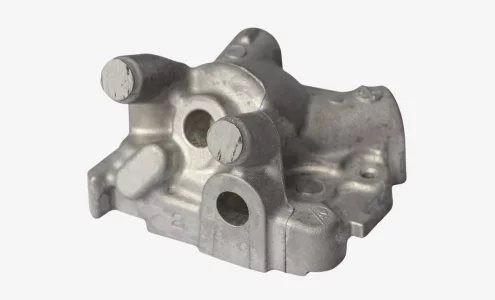
How to Evaluate a Stamping Manufacturer
Choosing the right manufacturing partner requires verifying several capability areas. YPMFG supports buyers through engineering assessment, prototype development, and full-scale production with documented quality controls.
Technical capability should be confirmed through facility audits or detailed questionnaires. Look for evidence of in-house die design, CNC die-making equipment, and experienced tool and die makers. A manufacturer who designs and builds their own dies typically achieves better part quality and faster problem resolution.
Quality management systems are essential for consistent production. ISO 9001 certification demonstrates commitment to documented procedures. First article inspection reports, SPC charts, and traceability records provide evidence of process control. Request to review sample quality documentation before awarding production volume.
Capacity and lead times should match your program requirements. Ask about current press inventory, die maintenance schedules, and typical lead times for new tooling. A supplier with multiple press sizes can accommodate varying part dimensions and volume needs.
Communication and responsiveness often differentiate good suppliers from great ones. Buyers should receive timely updates on tooling progress, production status, and any issues that arise. Clear communication reduces the risk of surprise delays or quality problems reaching final assembly.
Common Mistakes to Avoid When Ordering Stamped Parts
Many procurement issues stem from incomplete specifications or unrealistic expectations.
Missing material specification is a frequent error. Stamped parts require explicit material grade, temper condition, and thickness tolerance. Without these details, a supplier may use an interchangeable material that does not meet performance requirements.
Inadequate surface finish requirement leads to disputes. Specify whether bare, blasted, plated, or coated finish is required. Some applications demand no burrs on mating surfaces, while others allow light edge conditions. Define acceptable surface roughness values when critical.
Ignoring draft and bend allowances causes fit issues. Sheet metal bending generates springback that must be compensated in die design. Experienced stampers account for this during engineering, but buyers should confirm that bend radii and neutral axis positions match assembly requirements.
Underestimating tooling lifecycle costs creates budget surprises. Die maintenance, repair, and replacement are ongoing expenses. Progressive dies with many stations require periodic reconditioning. Budget for annual maintenance rather than treating tooling as a one-time purchase.
Questions Buyers Often Ask About Hardware Stamping
What is the difference between stamping and punching?
Stamping refers to the overall process using dies and presses. Punching is a specific operation within stamping that creates holes. Stamping can include blanking, piercing, bending, drawing, and coining. Punching is one of many operations that stamping performs.
Can stamped parts hold tight tolerances without secondary machining?
Yes, depending on the process and material. Fine blanking can achieve tolerances as tight as ±0.001 inches on selected features. Progressive stamping typically holds ±0.005 to ±0.010 inches. Critical features may still require tapping, drilling, or grinding after stamping.
How long does tooling take to produce?
Simple single-station dies may be ready in two to three weeks. Complex progressive dies often require six to ten weeks or longer. Expedited tooling is sometimes available at additional cost. Lead time depends on die complexity, material availability, and current shop capacity.
What file formats are needed for a stamping quote?
Provide CAD drawings in STEP, IGES, or native format. Include GD&T callouts, material specification, thickness, surface finish requirements, and any special features. 2D PDF drawings with full dimensions are also acceptable for simple parts. More complete information results in faster and more accurate quotes.
How is stamping cost calculated for my project?
Cost includes material, tooling, setup, cycle time, and secondary operations. Suppliers typically provide a breakdown showing each component. For existing parts, historical pricing data helps establish baseline costs. New designs require engineering analysis to estimate material usage, number of operations, and expected tooling life.
What quality inspections are performed on stamped parts?
Standard inspections include dimensional verification, visual examination for defects, and material certification. First article inspection follows AIAG PPAP or equivalent documentation requirements. In-process checks monitor critical dimensions throughout production. Final inspection verifies lot conformance before shipment.
Can a stamping supplier help optimize my part design?
Yes, many manufacturers offer design-for-manufacturability reviews. They can suggest modifications that reduce tooling complexity, improve material utilization, or eliminate expensive secondary operations. Early engagement with the manufacturer typically results in lower cost and better part quality.
Making a Better Long-Term Decision
Successful hardware stamping procurement requires understanding the process, specifying clearly, and selecting a manufacturer with verified capability. Unit price should never be the only decision factor. Tooling quality, process control, communication reliability, and technical support have long-term impact on production stability and total cost.
When evaluating suppliers, review their die-making capability, quality documentation practices, and responsiveness to engineering questions. Ask for examples of similar projects and request detailed quotes that separate tooling from per-part cost. Clear specifications and open dialogue reduce the risk of surprises during production.
If you are developing new stamped components or seeking a second source for existing parts, YPMFG offers custom stamping solutions with engineering review, tooling design support, and production-quality documentation. You can send your specifications or CAD files to YPMFG for a detailed evaluation and competitive quotation.