 Italian
  English
  German
  Russian
  Japanese
  Korean
  Spanish
  French
  Portuguese
 Risposta breve:
Medical stainless steel micro machining refers to the precision CNC manufacturing of small, intricate components made from stainless steel alloys—typically 17-4PH, 316L, or 440C—used in surgical instruments, implantable devices, and diagnostic equipment. The process achieves tight tolerances, often within ±0.005mm, while maintaining biocompatible finitura superficialees and cleanroom-grade cleanliness. If your project involves complex geometries, strict regulatory requirements, or low-volume production runs, working with a specialized manufacturer that offers engineering review and documentation support is essential.
Manufacturers in the medical sector face a narrow margin for error when producing small-scale stainless steel parts. Tolerances are measured in microns, surface finish directly affects device performance, and material traceability must meet regulatory standards. A single dimensional deviation can compromise the entire assembly. This is why understanding medical grade stainless steel selection, micro machining tolerances, e surface finish requirements is critical before issuing a request for quotation.
YPMFG supports companies that need precision stainless steel components for surgical tools, diagnostic hardware, and medical instrument assemblies, offering engineering evaluation and technical documentation alongside each order.
Why Precision Matters in Medical Stainless Steel Parts
Medical devices operate in environments where failure is not an option. A micro-machined stainless steel component might be just a few millimeters long, yet it must maintain structural integrity across thousands of surgical cycles or years inside the human body.
The primary driver behind tight tolerances is function. Medical part tolerances directly impact how implants seat, how surgical tools grip, or how fluid pathways in diagnostic devices flow. A deviation of even 0.01mm can alter the mating surface of a connector or affect the sealing performance of a valve.
Surface finish is equally critical. Rough surfaces on implant-grade components can harbor bacterial growth or cause tissue irritation. Many medical stainless steel parts require a Ra value below 0.4 micrometers, achieved through controlled grinding, polishing, or electropolishing after the machining process.
Material choice determines both mechanical performance and biocompatibility. Not all stainless steels are suitable for medical use, and selecting the wrong grade can lead to corrosion, fatigue failure, or regulatory rejection.
Stainless Steel Grades Used in Medical Micro Machining
Choosing the correct stainless steel grade is one of the most important decisions in medical component manufacturing. Each alloy offers a different balance of strength, corrosion resistance, machinability, and regulatory compliance.
Each grade behaves differently during machining. 17-4PH requires careful heat treatment control after machining to achieve its specified hardness. 316L tends to work-harden quickly, which can cause tool wear if cutting parameters are not adjusted. 440C demands slower feed rates and sharp tooling to avoid cracking at the edge of thin features.
Material certification must be verified before production begins. A reputable manufacturer will provide material test reports (MTRs) and Certificates of Conformance as part of the standard documentation package. This is non-negotiable for medical device manufacturers operating under FDA or ISO 13485 frameworks.
Common Medical Stainless Steel Components Produced Through Micro Machining
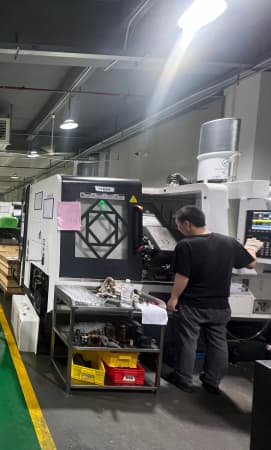
The range of parts produced through medical stainless steel micro machining is broad, but certain categories appear frequently in procurement requests from medical device companies.
Surgical instrument components include hinged joints, latching mechanisms, and needle drivers. These parts demand high dimensional accuracy and surface quality because they interface directly with tissue or other instruments during procedures.
Implantable device parts encompass bone screws, fixation plates, and spinal rod connectors. These components often use 316L stainless steel and require tight tolerances combined with specific surface finishes to ensure proper osseointegration and long-term biocompatibility.
Diagnostic equipment parts include fluid handling components such as valves, nozzles, and connector bodies. These parts must maintain precise internal geometries to ensure accurate sample flow and prevent contamination.
Dental implant components represent another significant application area. Abutments, screws, and framework parts are commonly machined from 17-4PH or 440C to meet the demanding strength and aesthetic requirements of dental applications.
Micro-machining allows these parts to be produced with feature sizes as small as 0.1mm, using multi-axis CNC equipment capable of holding tolerances that manual machining cannot achieve consistently.
Key Factors That Affect Cost in Medical Stainless Steel Micro Machining
Understanding cost drivers helps procurement teams evaluate quotes accurately and avoid unexpected expenses during production. Several factors directly influence the final price of a micro-machined medical stainless steel part.
Part geometry is the first consideration. Complex internal channels, thin walls, and fine features require multiple setups and specialized tooling, which increases machining time significantly. A simple cylindrical pin costs far less than a multi-port fluid manifold machined from the same material.
Tolerance requirements drive cost more than many buyers expect. Moving from ±0.025mm to ±0.005mm can increase machining time by three to five times because the process requires slower cutting speeds, additional finishing passes, and tighter in-process inspection.
Surface finish specifications add another layer of cost. Standard mill finish parts may require no post-machining treatment, while medical parts often need electropolishing, bead blasting, or passivation to meet biocompatibility and cleanliness standards.
Volume plays a role, but in medical micro machining, even high-volume orders rarely benefit from the same economies of scale seen in consumer goods manufacturing. Most medical parts are produced in batches of 50 to 500 units, which keeps per-unit costs relatively stable regardless of order size.
Additional services such as cleanroom packaging, part marking, e dimensional inspection reporting should also be factored into total cost calculations. These are not optional for medical device manufacturers and should be included in any comparative quote analysis.
How to Evaluate a Medical Stainless Steel Machining Supplier
Selecting the right manufacturer for medical micro machining requires more than comparing unit prices. The technical capabilities, quality systems, and documentation support behind a quote determine whether your components will meet regulatory and performance requirements.
First, verify that the manufacturer understands medical device manufacturing standards. This includes familiarity with ISO 13485 quality management requirements, FDA registration expectations, and material traceability procedures. A supplier that cannot explain these processes is a risk regardless of pricing.
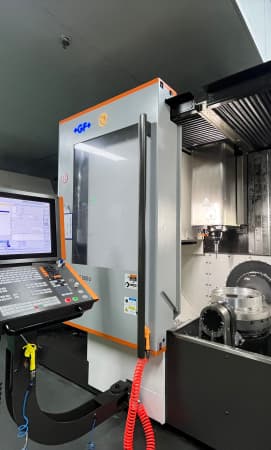
Second, assess their equipment capabilities. Medical micro machining typically requires multi-axis CNC centers with sub-micron positioning accuracy, precision workholding solutions, and in-process measurement systems. Ask about the specific machines they use for medical parts and whether they perform regular calibration.
Third, review their documentation practices. Medical manufacturers should provide material certificates, first-article inspection reports, and process documentation as a standard deliverable. If these require special requests or additional fees, it signals a potential gap in their quality system.
Fourth, consider their engineering support. A supplier that offers engineering evaluation before quoting can identify potential design-for-manufacturability issues and suggest improvements that reduce cost without compromising performance. This proactive approach saves time and prevents costly rework.
YPMFG provides engineering reviews, material recommendations, and full documentation packages for medical stainless steel projects, ensuring that each component meets your specification requirements before production begins.
Practical Considerations Before Starting Production
Several practical steps should be completed before releasing a purchase order for medical stainless steel micro machined parts. Skipping these steps often leads to delays, rework, or parts that do not meet the intended application requirements.
Design review is the most important early step. Submit your CAD files and drawings to the manufacturer for a manufacturability assessment. They can identify features that are difficult or impossible to machine reliably, suggest alternative geometries, and flag any tolerance requirements that exceed standard capabilities.
Material selection should be confirmed with both the engineering and procurement teams. Ensure the specified grade matches your regulatory and performance requirements. Using 316L when 17-4PH is required—or vice versa—can compromise the entire device and create compliance issues during regulatory audits.
Sampling and prototyping should precede full production. Request a small batch of sample parts to verify dimensional accuracy, surface finish, and assembly fit before committing to a larger order. This step catches issues that only become apparent during physical testing.
Documentation requirements must be clearly defined upfront. Specify exactly which certificates, inspection reports,and traceability records you need. Different markets and applications have different documentation expectations, and missing paperwork can delay product registration or customs clearance.
Common Questions Buyers Ask About Medical Stainless Steel Micro Machining
What is the minimum feature size achievable in medical stainless steel micro machining?
Features as small as 0.1mm can be produced using multi-axis CNC micro machining equipment. However, the achievable size depends on the material grade, tooling availability, and required tolerance. Very small features often require slower machining cycles and specialized tooling, which increases per-part cost.
Which stainless steel is best for surgical instrument components?
17-4PH and 440C are the most common choices for surgical instruments. 17-4PH offers a good balance of strength and corrosion resistance after heat treatment, while 440C provides higher hardness and edge retention. The optimal choice depends on whether the instrument requires maximum strength or maximum edge retention.
How long does medical stainless steel micro machining typically take?
Lead times vary significantly based on part complexity, material selection, and order quantity. Simple parts in standard materials may be produced within two weeks, while complex geometries requiring multiple operations, heat treatment, and inspection can take four to six weeks. Expedited timelines are often available for urgent projects.
Can stainless steel medical parts be reused or sterilized repeatedly?
Most medical-grade stainless steels withstand repeated sterilization cycles including autoclaving, ethylene oxide, and gamma radiation. However, the number of acceptable cycles depends on the specific alloy, surface finish, and sterilization method. Parts intended for single-use applications should be clearly marked and handled accordingly.
What certifications should a medical stainless steel machining supplier have?
ISO 13485 certification is the most relevant quality management standard for medical device manufacturers. Additional certifications such as ISO 9001 and FDA registration provide further assurance of process control and regulatory compliance. Suppliers should also maintain material traceability systems that meet regulatory documentation requirements.
What surface finishes are available for medical stainless steel parts?
Common surface finishes include mill finish, bead blast, electropolish, and mechanical polish. Electropolishing is widely used in medical applications because it removes surface imperfections, improves corrosion resistance, and produces a smooth finish that is easier to clean. The appropriate finish depends on the part’s intended use and regulatory requirements.
How is quality verified for micro machined medical stainless steel parts?
Quality verification typically includes first-article inspection using coordinate measuring machines, surface roughness testing, dimensional reporting, and material certification review. Many medical manufacturers also perform visual inspection under magnification for small features and conduct passivation testing to verify corrosion resistance.
What documentation should I expect from a medical machining supplier?
Standard documentation includes material test reports, first-article inspection reports, dimensional inspection data, surface finish verification, and certificates of conformity. Some customers also require process validation records, equipment calibration logs, and traceability documentation linking each part to its raw material lot.
Choosing the Right Medical Stainless Steel Micro Machining Partner
Medical stainless steel micro machining requires a combination of technical precision, regulatory understanding, and consistent quality control that general-purpose machining providers often cannot deliver. The difference between a competent supplier and a problematic one often shows up during the engineering review and documentation phases, not just in the final part dimensions.
The most reliable approach is to select a manufacturer that offers comprehensive engineering support, maintains documented quality systems, and provides full traceability from material to finished part. This ensures that your components meet both performance requirements and regulatory expectations from the first production run.
You can send your specifications to YPMFG for an engineering review and competitive quotation. Their team provides material recommendations, manufacturability feedback, and complete documentation support to help you make informed sourcing decisions for your medical device projects.