 Italian
  English
  German
  Russian
  Japanese
  Korean
  Spanish
  French
  Portuguese
 Risposta breve:
A CNC tool programmer designs the cutting paths and tool selection strategy that turn a CAD model into a finished machined part. They program the G-code, choose cutting tools, set speeds and feeds, and simulate the process before any metal is removed. Without one, machining errors are far more likely, lead times increase, and per-part costs rise.
Most buyers hiring a CNC job shop do not need to write code themselves. What they need is a shop that employs experienced tool programmers who understand their material, geometry, and tolerance requirements.
YPMFG works with project engineers and procurement teams to evaluate drawings, propose tooling strategies, and deliver parts that meet specification on the first run. If your project involves complex contours, tight tolerances, or difficult materials, talking to a tool programmer early can prevent costly rework.
Who Is a CNC Tool Programmer
A CNC tool programmer is a technical role that sits between design engineering and machine operation. Their job is to translate engineering intent into instructions the Macchina CNC can execute reliably and safely.
They typically work from CAD models and engineering drawings. They decide which tools to use, how the part should be held, which cutting strategies apply, and what speeds and feeds are appropriate for the material.
Many shops separate programming from machine operation. Others combine the roles. For high-mix production environments, having dedicated CNC programming specialists usually improves consistency and reduces setup time.
What a Tool Programmer Actually Does
The daily work of a tool programmer covers several distinct responsibilities. Each one directly affects part quality, cycle time, and cost.
Tool path strategy
They select roughing, semi-finishing, and finishing passes. They choose between adaptive clearing, contouring, drilling cycles, and other strategies based on geometry and material.
Tool selection
They match cutter type, diameter, flute count, coating, and reach to the operation. A wrong tool choice can cause chatter, premature wear, or poor surface finish.
Speeds and feeds calculation
They calculate spindle speed, feed rate, and depth of cut. These values depend on material hardness, tool material, machine rigidity, and coolant strategy.
Fixture and setup planning
They determine how the part will be held. This includes vise selection, custom fixtures, tombstoning layouts, and tool magazine organization.
Simulation and verification
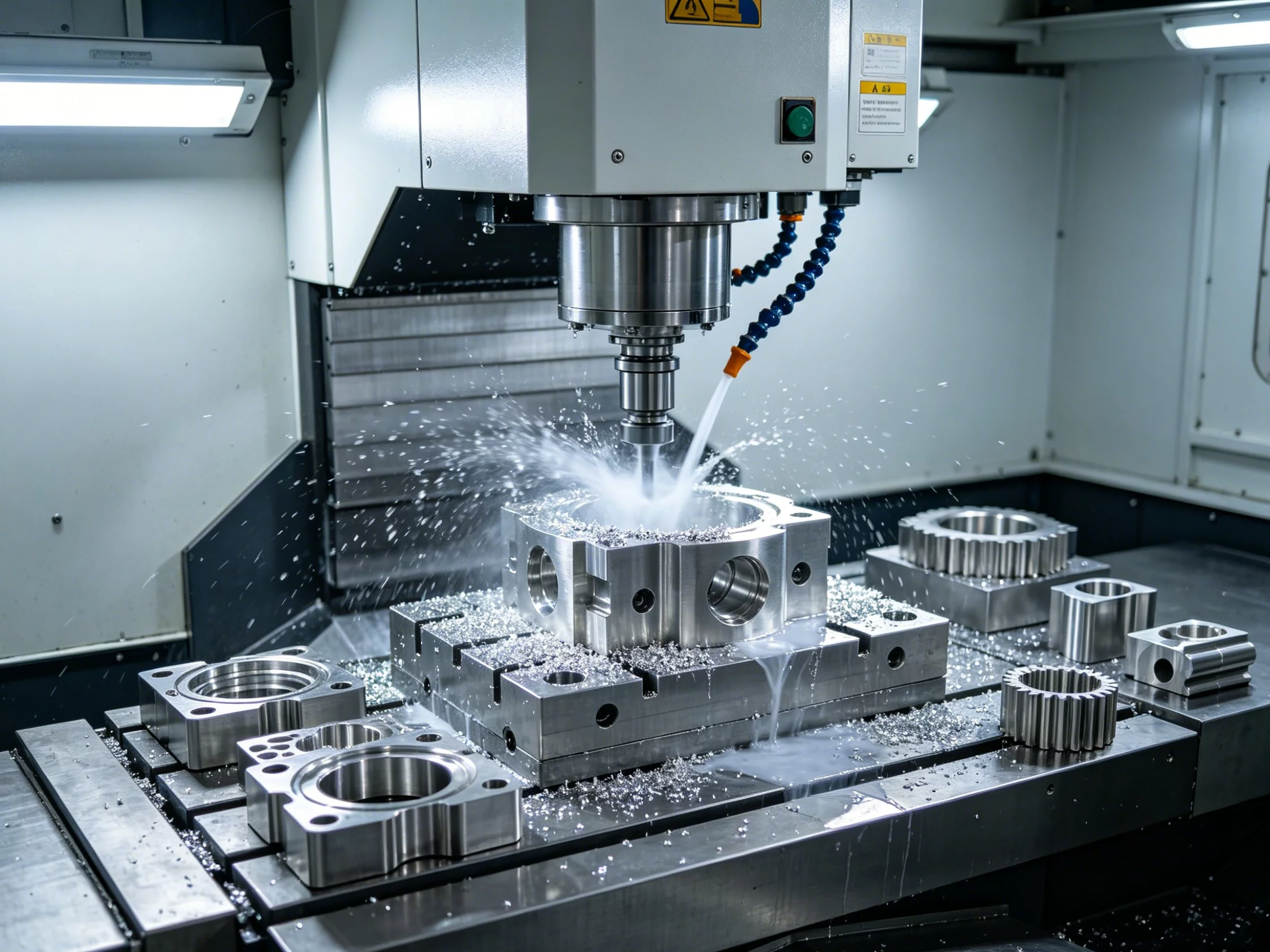
Modern programmers use CAM software to simulate the entire machining sequence. This catches collisions, air cutting, and unnecessary tool travel before the machine runs.

Why Tool Programming Matters for Part Quality
Poor programming shows up quickly in physical parts. Excessive tool wear, inconsistent surface finish, out-of-tolerance dimensions, and part scrap are common symptoms.
A well-optimized program reduces cycle time while maintaining accuracy. It also extends tool life, which lowers consumable cost per part. For high-volume runs, even a small percentage improvement compounds into significant savings.
At YPMFG, we review tool programming as part of every valutazione tecnica before quoting. This step helps us identify potential issues early and propose realistic manufacturing solutions.
Common Mistakes Buyers Make About CNC Programming
Buyers often underestimate how much programming affects the final result. Here are the most frequent misconceptions we see in procurement conversations.
“Any CNC program will work for my part.”
Wrong. A generic program may produce acceptable parts on simple geometries. Complex parts require tailored strategies for each feature.
“I can just send the drawing and get a quote.”
Incomplete information leads to inaccurate estimates. The programmer needs clear tolerances, material specs, surface finish requirements,and inspection criteria.
“Programming is just typing G-code by hand.”
Most modern programming uses CAM software with libraries of proven toolpaths. Manual G-code writing is rare except for simple operations or legacy machines.
“Faster programming always means lower cost.”
Not necessarily. Rushed programs often miss optimizations. A slightly longer programming phase can reduce machining time and scrap rate significantly.
How to Evaluate a Shop’s Programming Capability
When comparing suppliers, asking the right questions about their programming process separates serious shops from those that just run machines.
A shop that answers these questions confidently typically has mature CNC tool path optimization practices. Vague or defensive answers suggest gaps in the programming workflow.
CNC Programming for Different Materials
Material choice drives almost every programming decision. The same geometry machined in aluminum will require completely different parameters than when machined in titanium.
Aluminum and soft alloys
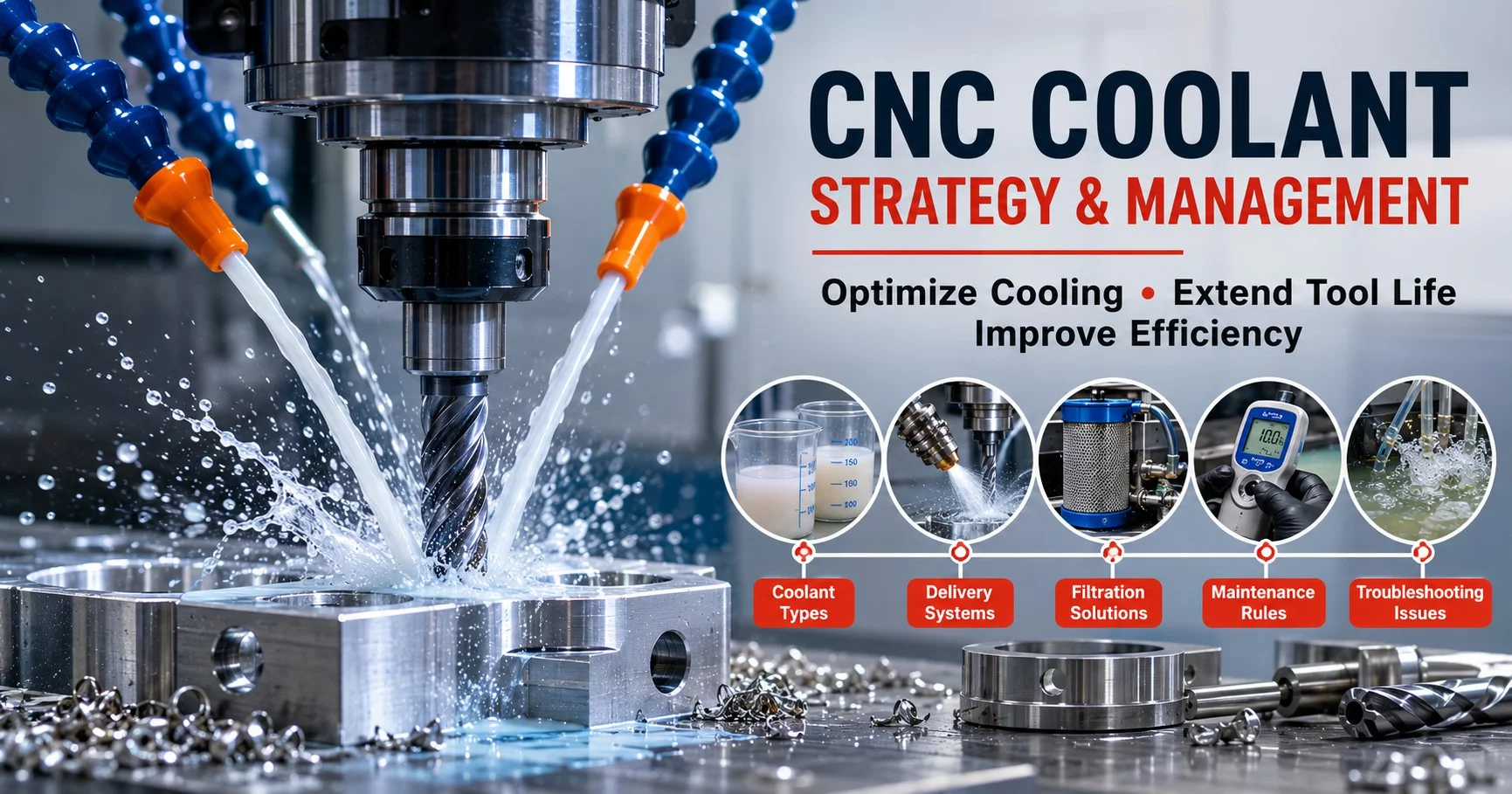
High material removal rates are possible. Programmers can use aggressive depths of cut and high feed rates. Coolant strategy focuses on chip evacuation rather than cooling alone.
Acciaio inossidabile
Lower cutting speeds are necessary. Programmers often use climb milling and consistent chip load to manage work hardening. Tool coating selection becomes critical for wear resistance.
Titanium and superalloys
These materials demand conservative parameters. Programmers prioritize thermal management, steady chip formation, and tool path continuity. Cycle times are longer but predictable with proper planning.
Tecnopolimeri
Thermal distortion is the main concern. Sharp tools, high speeds, and minimal cutting force help prevent melting or deformation during machining.
How Programming Impacts Production Cost
Tool programming affects cost in multiple ways that are not always obvious on a quote.
Cycle time
An optimized program can reduce cycle time by 20 to 40 percent compared to a basic program. This directly lowers machine time cost per part.
Tool consumption
Proper speed and feed selection extends tool life. Poor parameters can double or triple cutting tool costs over a production run.
Setup time
Efficient tombstoning and fixture layout reduce the number of setups required. Fewer setups mean less downtime and lower labor cost.
Scrap rate
Simulation and verification catch errors before material is cut. Avoiding a scrap event saves both material cost and schedule delay.
These factors combine to make programming quality a major component of total manufacturing cost. Requesting a detailed cost breakdown from your supplier should include programming-related items.
When You Need to Talk to a Programmer Early
Some projects benefit from programming input during the design phase. This is especially true when design decisions directly affect manufacturability.
Early consultation helps when your part has deep cavities, thin walls, tight tolerance zones, or multiple material features. The programmer can suggest design tweaks that simplify machining without affecting function.
At YPMFG, we encourage buyers to share preliminary drawings before finalizing specifications. Our team can provide custom machining solutions that balance design intent with production efficiency. This approach typically reduces both cost and lead time.
Practical Questions Before Choosing a CNC Programming Partner
What should you verify before handing over your drawings for production? These questions cover the essentials.
Do you have experience with our specific material?
Ask for examples of similar materials, not just general capability statements. Material-specific experience matters more than generic machine availability.
Can you show a sample program or simulation for our part type?
A reputable shop can often share a redacted example that demonstrates their approach to similar geometries and tolerances.
How do you handle tolerance stack-up in your programs?
Ask about their method for allocating tolerance across multiple operations. A disciplined approach reduces the risk of cumulative error.
What is your process for addressing out-of-tolerance results?
Understand their corrective action workflow. Quick and systematic problem resolution is a sign of mature programming practice.
Can you support DFM feedback during the quoting stage?
Early design-for-manufacturability input can prevent expensive changes later. A shop that offers this proactively usually has strong programming expertise.
Choosing the Right Support for Your CNC Project
CNC tool programming is not a commodity service. The quality of programming directly influences part accuracy, delivery reliability, and total cost. Buyers who evaluate this capability carefully tend to experience fewer production surprises.
YPMFG provides engineering review and tool programming support as part of our Lavorazione CNC service. You can send your drawings and specifications for evaluation. We will assess manufacturability, suggest optimizations where appropriate, and provide a clear quotation with realistic lead times.
If you are comparing suppliers or reviewing your current manufacturing approach, reaching out for an engineering discussion is a low-commitment way to validate your expectations.