 Italian
  English
  German
  Russian
  Japanese
  Korean
  Spanish
  French
  Portuguese
 Risposta breve:
Quando si effettuano gli acquisti Macchina CNCd bushings e brass buses, focus on material certification, dimensional tolerances, surface finish requirements, and supplier track record. The right partner provides engineering support, documentation, and quality control—not just parts. YPMFG offers precision manufacturing with full traceability for industrial applications.
Industrial buyers need components that perform reliably under specific conditions. Bushings reduce friction and wear in moving assemblies. Brass buses distribute electrical current safely. Getting these wrong means production downtime, safety risks, and higher total cost.
At YPMFG, we help engineers and procurement teams select the right materials and specifications for their applications. Below is a practical guide to making confident purchasing decisions.
Understanding Component Function and Application Context
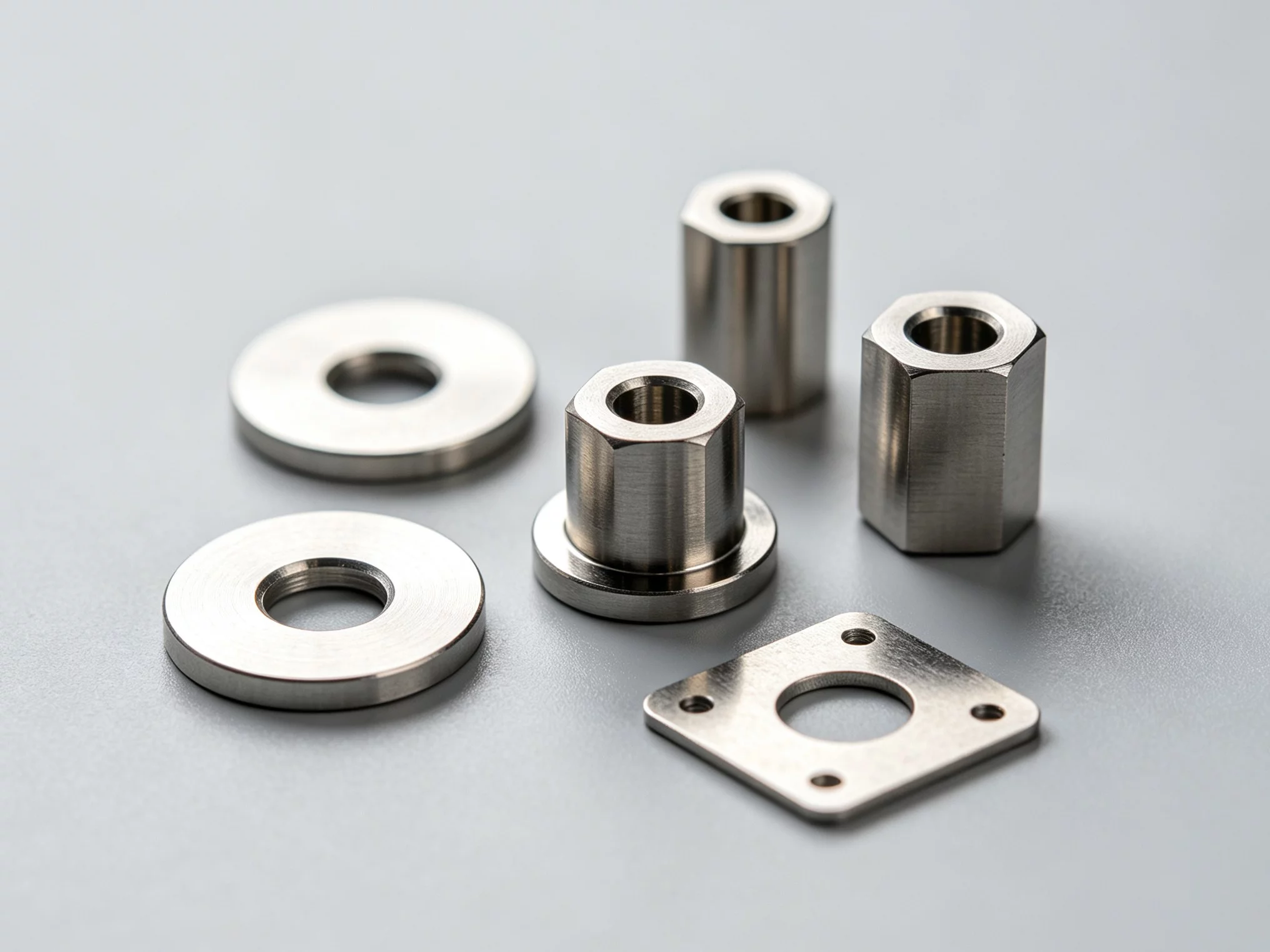
Bushing types vary by design. Plain bushings support rotational or linear motion. Flanged bushings handle axial loads. Thrust washers manage end thrust. Brass buses come in solid, stranded, or busbar configurations. Each serves a distinct mechanical or electrical purpose.
Application environment determines critical requirements. High temperature? Consider thermal expansion and material creep. Heavy load? Look at hardness and wear resistance. Electrical conductivity needed? Brass or copper alloys are typical choices.
YPMFG supports projects across automotive, aerospace, industrial equipment, and energy sectors. We help clarify requirements through technical consultation before quoting.
Key Selection Criteria for Bushings and Buses
Choosing the right component requires evaluating several interrelated factors. Start with the application’s mechanical and electrical demands, then match material properties and tolerances accordingly.
Mechanical factors to assess:
Load type (radial, axial, or combined)
Speed and lubrication conditions
Operating temperature range
Expected service life and maintenance intervals
Electrical factors for bus components:
Current capacity (amperage)
Voltage rating
Contact resistance requirements
Environmental exposure (moisture, corrosion)
Mismatched specifications lead to premature failure. A bushing rated for light load may deform under heavy duty. A busbar with insufficient cross‑section can overheat.
Material Options and Their Trade‑offs

Material selection balances performance, cost, and manufacturability. Different alloys offer distinct advantages.
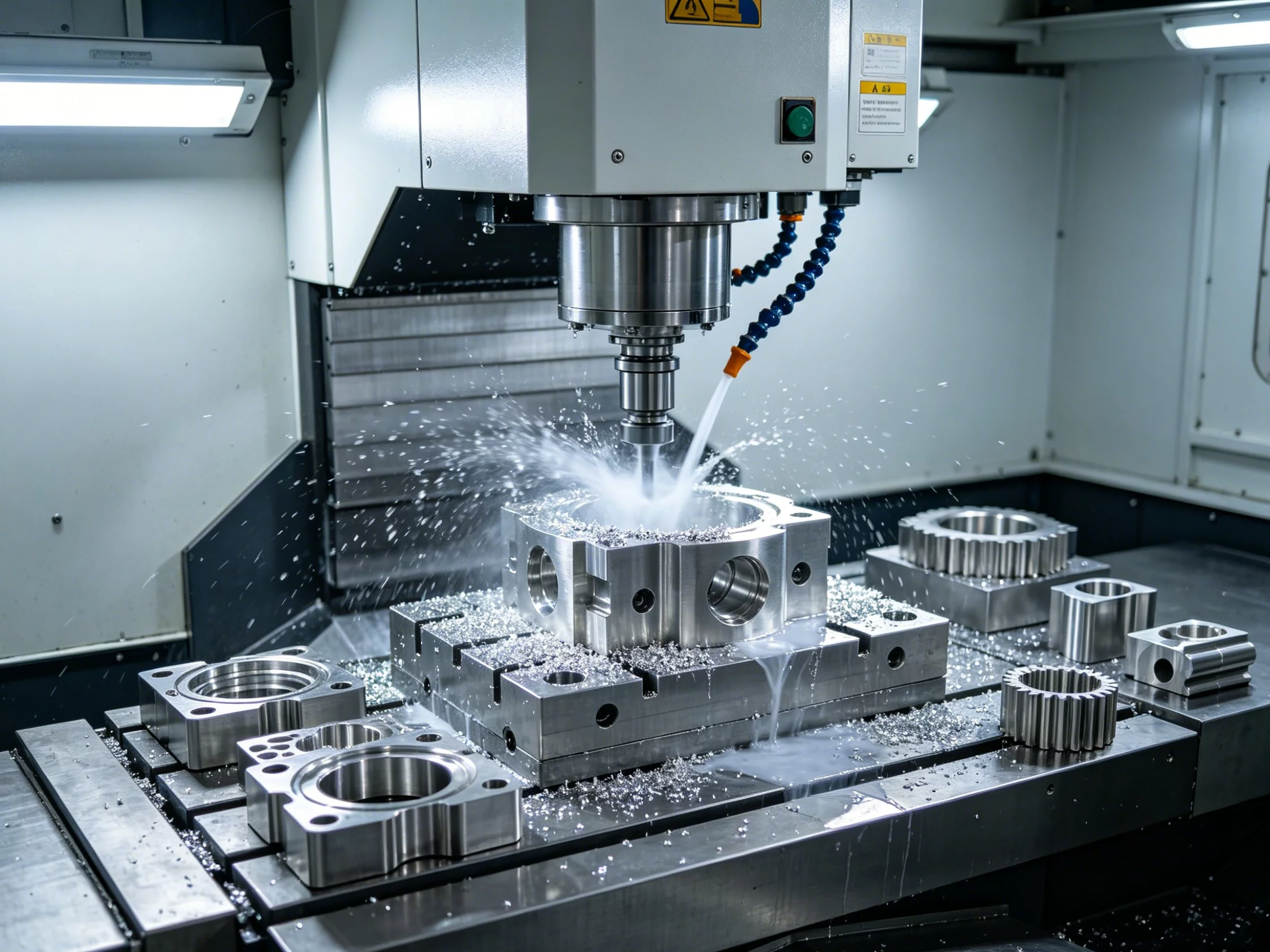
Material choice affects machining strategy. Brass machines faster than steel but may require different tooling. Request material test certificates to verify composition and heat treatment.
Tolerances, Surface Finish, and Quality Documentation
Precision matters. Tolerances ensure proper fit and function. Surface finish influences friction, wear, and sealing.
Typical tolerance ranges:
Bushing inner diameter: ±0.0005″ to ±0.002″ depending on size and application
Busbar flatness: within 0.001″ per inch for consistent electrical contact
Critical features should be held to ISO 2768‑m or tighter per drawing
Surface finish specifications (Ra values) should match the operating interface. Smooth finishes reduce friction but may trap lubricant differently. Ask for process sheets showing inspection methods and instruments used.
YPMFG provides full documentation including material certifications, inspection reports, and first‑article test results. Traceability from raw stock to finished part is standard practice.
Supplier Evaluation Checklist
Not all manufacturers meet the same standards. Use a structured evaluation to compare vendors objectively.
Essential questions to ask:
What quality management system is certified (ISO 9001, AS9100, IATF 16949)?
Can you provide sample parts before committing to full production?
What is your typical lead time for prototype and batch orders?
Do you offer engineering review of drawings for manufacturability?
How do you handle non‑conforming material or out‑of‑tolerance parts?
Value‑added services to consider:
Design for manufacturability (DFM) feedback
Custom packaging or labeling
VMI (vendor‑managed inventory) programs
Emergency replacement parts service
YPMFG’s engineering team reviews submissions for potential issues such as unreachable tool access, ambiguous tolerances, or unrealistic surface finish requirements. This helps avoid costly revisions later.
Cost Drivers and Total Ownership Considerations
Unit price is only one part of the equation. Hidden costs often appear through redesigns, delays, or field failures.
Factors that influence machining cost:
Material size and yield efficiency
Feature complexity and tight tolerances
Batch quantity and setup requirements
Secondary operations (coating, heat treating, threading)
Total ownership costs include:
Inventory carrying cost
Quality inspection and rework
Downtime from premature failure
Administrative cost of managing multiple suppliers
A lower unit price from an unreliable source can double or triple actual cost through delays or failures. Request detailed quotes that break down material, machining, finishing, and inspection separately.
Application‑Specific Guidance by Industry
Different sectors have unique demands. Understanding these helps narrow specification choices.
Settore automobilistico: High volume, strict tolerance control, often requires IATF 16949 certification. Bushings in suspension or engine applications face vibration and temperature cycling.
Settore aerospaziale: Documentation and traceability are paramount. Materials often must meet AMS or MIL specifications. Lightweight aluminum or titanium bushings are common.
Industrial equipment: Reliability and service life are critical. Bronze or polymer‑impregnated bushings handle dirty environments well. Busbars in power distribution need verified current ratings.
Medical: Cleanroom processing, biocompatible materials, and FDA documentation may be required. Stainless steel or specific polymers are typical choices.
YPMFG adapts processes to meet sector‑specific standards. Share your industry and application details when requesting a quote for accurate guidance.
Common Questions Buyers Ask
What is the difference between a bushing and a bearing?
Bushings are plain bearings with no moving internal elements. They rely on the shaft and housing fit for support. Bearings contain rolling elements (balls or rollers) and typically handle higher loads with less friction.
Can brass busbars be welded?
Yes, but special techniques and fillers are needed. Braze welding is common for electrical buses. Consult an engineer to ensure joint integrity does not compromise conductivity.
How do I specify surface finish for a bushing?
Use Ra or Rz values based on the mating surface. Rough surfaces increase wear. Smooth surfaces may not retain lubricant well. Typical values range from Ra 16 µin to 63 µin depending on application.
What certifications should I request for material?
Ask for a mill test report (MTR) or certificate of conformity. For critical applications, require chemical composition and mechanical property verification against ASTM or ISO standards.
Is it better to buy standard sizes or custom‑machined parts?
Standard sizes reduce cost and lead time. Custom machining offers exact fit and optimized design. Evaluate total cost including inventory risk and modification potential.
How should I store brass busbars to prevent degradation?
Keep in a dry, controlled environment. Avoid contact with dissimilar metals that could cause galvanic corrosion. Stack with protective separators to prevent surface damage.
What inspections are typical for CNC‑machined parts?
Coordinate checks, thread gauging, CMM dimension verification, surface finish measurement,and visual inspection. Request an inspection report with measurements compared to drawing callouts.
Choosing the Right Partner for Precision Components
Reliable bushings and busbars come from manufacturers who understand your application, not just those with the lowest price. Evaluate suppliers on technical capability, quality systems, documentation practices, and communication responsiveness.
YPMFG specializes in Lavorazione CNC for industrial and commercial applications. We provide engineering consultation, prototype sampling, and production with full traceability. Our team can review your drawings, suggest design improvements, and deliver parts that meet your tolerances and schedule.
Next steps:
Send your specifications, drawings, or application details to YPMFG. We will return a detailed quotation with material options, lead times, and any technical recommendations. For urgent projects, request expedited review from our engineering team.