 Korean
  English
  German
  Russian
  Japanese
  Spanish
  French
  Italian
  Portuguese
 간단한 답변:
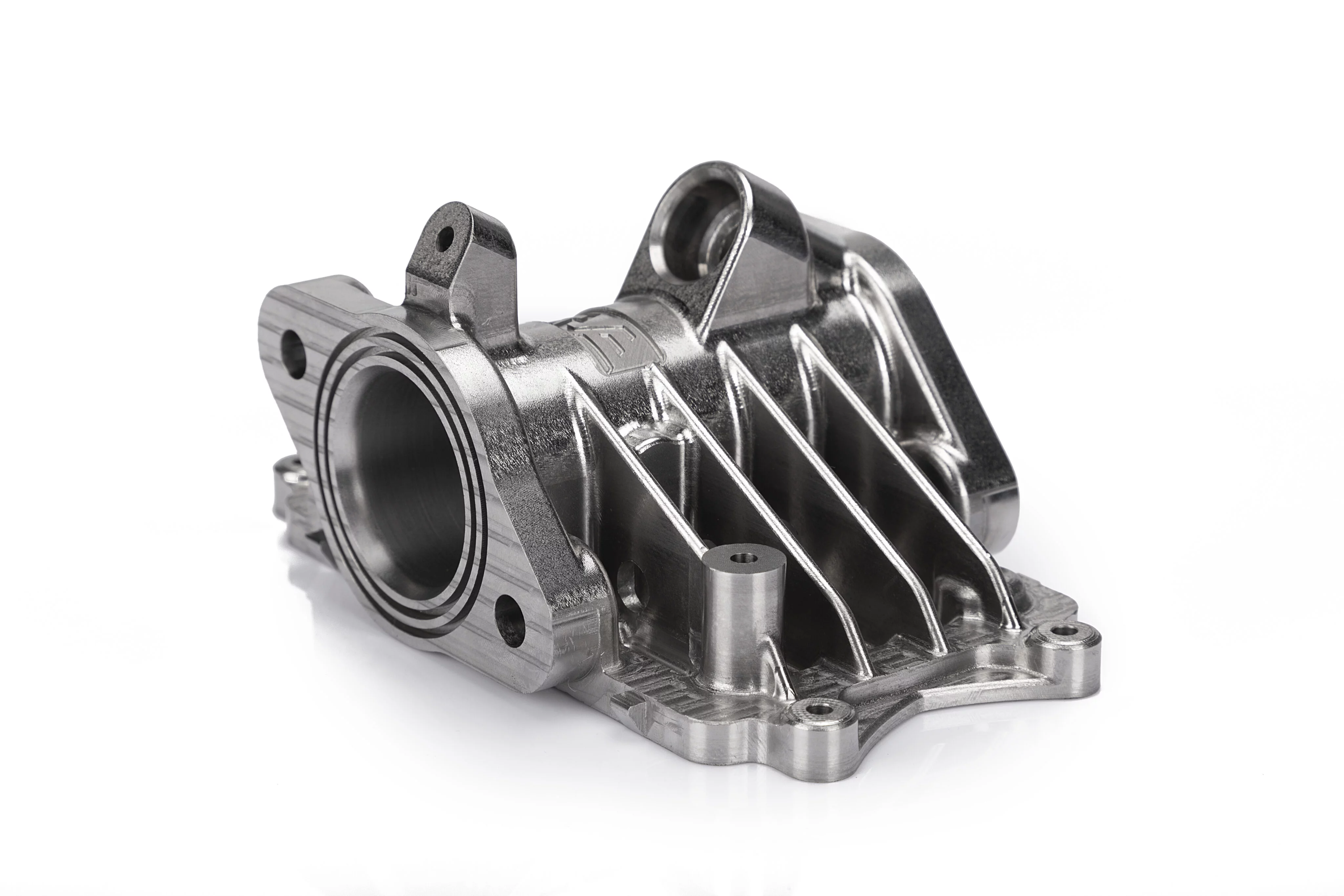
CNC milled aluminum parts are precision metal components made by removing material from aluminum stock using computer-controlled cutting tools. They are widely used across industries including automotive, aerospace, electronics, and medical device manufacturing. Aluminum is preferred for its excellent machinability, lightweight properties, and strong strength-to-weight ratio. If you need accurate, repeatable parts for prototyping or production runs, CNC milled aluminum parts can meet tight tolerances and various surface finish requirements.
Why buyers choose aluminum for CNC 밀링
Aluminum stands out among engineering metals because it machines efficiently without excessive tool wear. The material produces clean chips, holds tight tolerances well, and responds predictably to different cutting strategies.
Engineers and procurement teams often specify aluminum when parts must be light, thermally conductive, or corrosion resistant. It also accepts a range of surface treatments, including anodizing and powder coating, without compromising dimensional accuracy.
At YPMFG, we see that many projects start with aluminum because it offers a practical balance of performance, cost, and manufacturability. That makes it a reliable starting point for both prototyping and low-to-medium volume production.
How aluminum CNC milling works
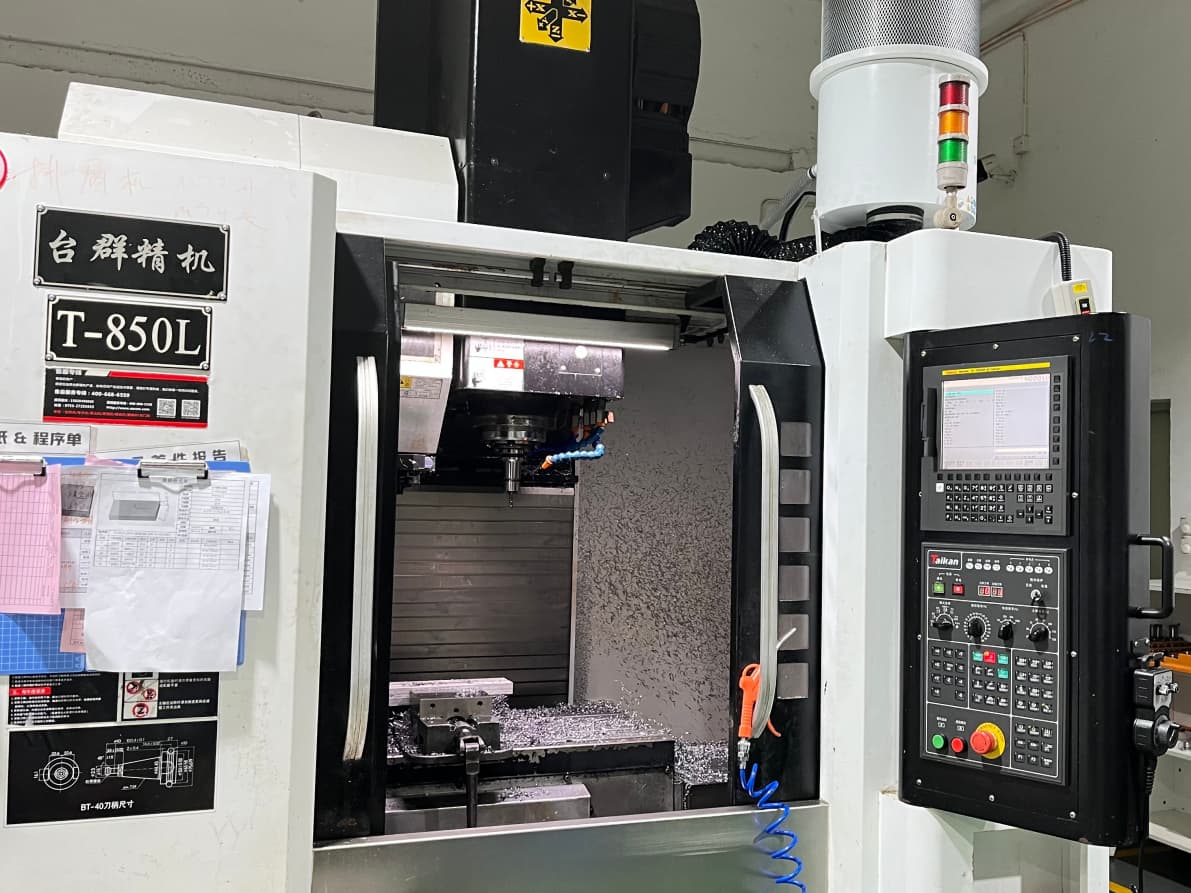
CNC milling uses rotating cutting tools to remove material from a solid block or bar of aluminum. The machine follows digital instructions generated from CAD models, controlling the position, speed, and depth of each cut.
Most common operations include face milling, pocketing, drilling, tapping, and contouring. Depending on part complexity, a single setup or multiple setups may be required. Multi-axis CNC milling allows more complex geometries to be completed in fewer setups, improving accuracy and reducing lead time.
The process is subtractive by nature, meaning the final part shape emerges as material is removed. This approach delivers consistent results across repeated production runs and supports tight geometric requirements.
Aluminum material grades and when to use them
Not all aluminum alloys behave the same way during machining. Choosing the right grade affects cut quality, tool life, mechanical properties, and cost.
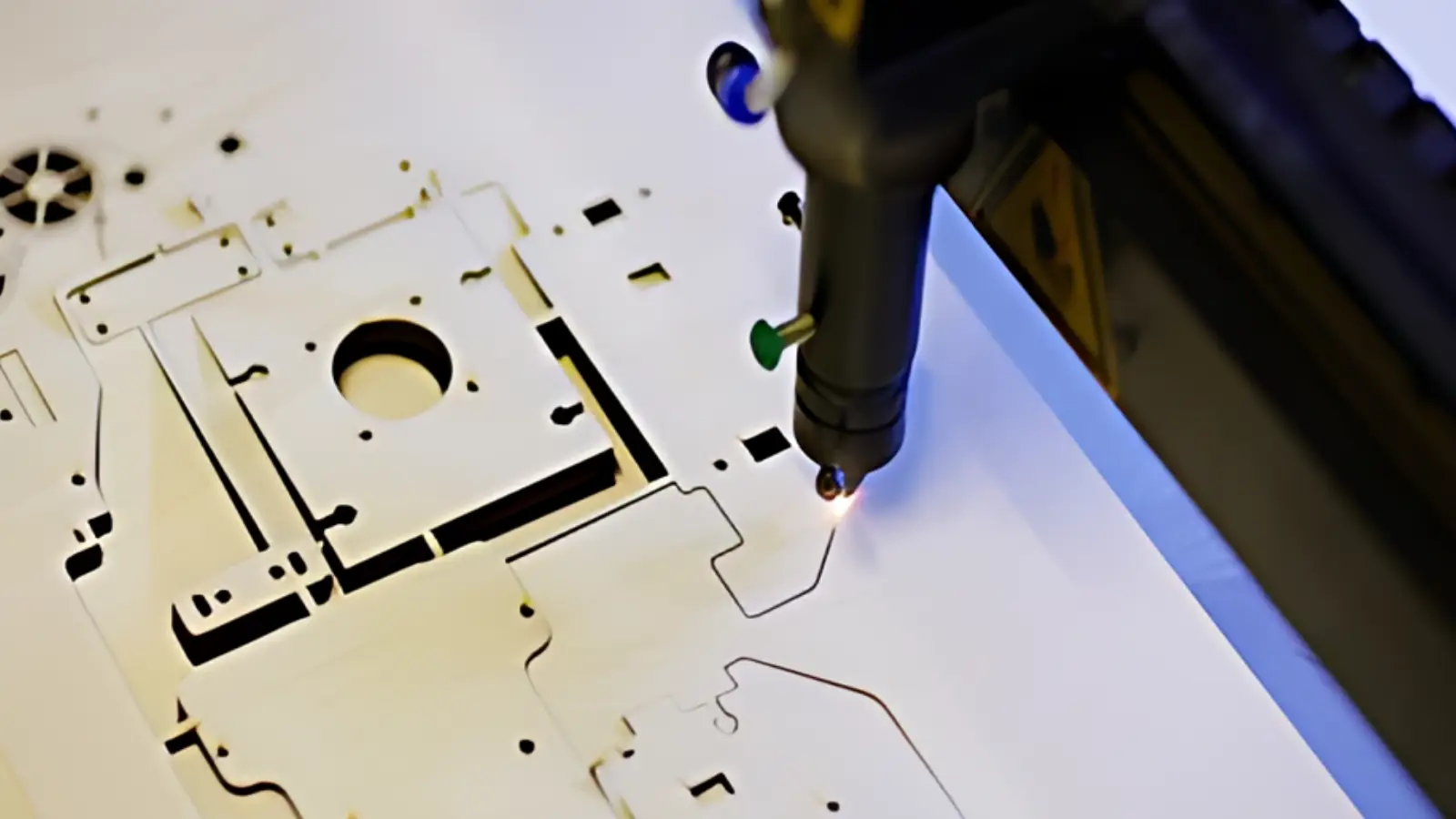
Material selection should be based on functional requirements rather than cost alone. A part exposed to harsh environments may need 5052, while a structural bracket might require 7075. YPMFG can help you evaluate which alloy fits your application based on load, temperature, and environmental factors.
Tolerance and surface finish standards
CNC milling of aluminum typically achieves tolerances in the range of ±0.025mm to ±0.05mm for standard features. Critical features can often hold tighter tolerances, sometimes down to ±0.01mm, depending on part geometry and process stability.
Surface finish options vary based on the application. As-milled surfaces typically fall between Ra 3.2 and Ra 6.3 micrometers. Additional finishing processes such as bead blasting, polishing, or anodizing can improve surface quality and appearance.
When specifying tolerances and finishes, it is important to distinguish between critical and non-critical dimensions. Over-specifying tolerances on every feature increases cost without adding functional value.
Design for manufacturability considerations
Good design leads to better parts and lower costs. Certain design choices can make aluminum CNC 밀링 significantly easier and more efficient.
Internal corners in milling operations always produce a radius equal to the cutting tool size. Designing internal corners with adequate radii avoids unnecessary secondary operations and reduces tool wear. Sharp internal corners are not achievable with standard end mills.
Wall thickness below 0.8mm can lead to chatter and deflection during machining. Thinner walls also increase the risk of part deformation during clamping. Maintaining reasonable wall thickness improves both part quality and machining stability.
Cost factors in aluminum CNC milling
Part cost is influenced by several variables beyond the raw material price. Understanding these factors helps buyers make informed decisions and avoid unexpected expenses.
Part geometry and complexity determine machining time and number of setups
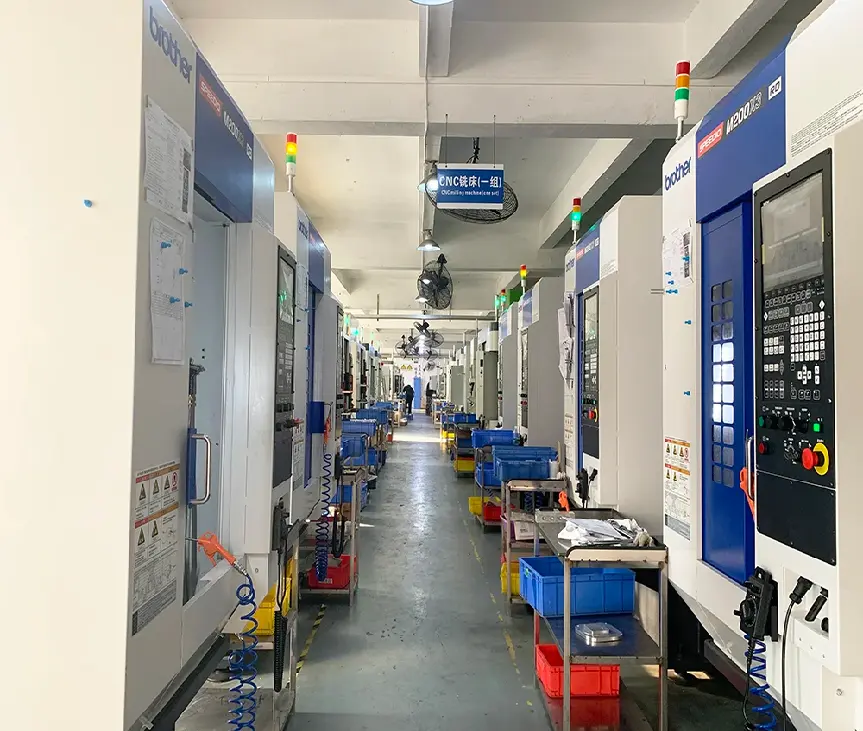
Batch size affects per-unit cost due to setup time distribution
Tolerance requirements influence process planning and inspection effort
Surface finish and post-processing add steps and cost
Material choice impacts both raw cost and machinability
A complex part with tight tolerances and multiple finishes will cost more per unit than a simple bracket with standard requirements. Requesting a detailed quote with clear specifications helps ensure accurate cost estimation.
Quality control and inspection practices
Reliable aluminum CNC 가공 suppliers follow structured quality control processes from raw material receipt to final delivery. These practices help ensure consistency and traceability.
Typical inspection activities include verifying material certificates, checking first article dimensions against engineering drawings, and confirming surface treatment compliance when specified. Coordinate measuring machines are commonly used for precision dimension verification.
Documentation such as inspection reports, material certifications, and process records should be available for audit and traceability purposes. Buyers should confirm these deliverables before placing orders for production runs.
Common applications across industries
Aluminum CNC milled parts appear in many sectors where lightweight, strong, and precise components are required. The versatility of aluminum makes it suitable for a broad range of functional applications.
Automotive and transportation sectors use these parts for brackets, mounts, housings, and thermal management components. The aerospace industry relies on high-strength alloys for structural and critical flight components. Electronics and semiconductor equipment benefit from aluminum’s thermal conductivity and non-magnetic properties.
Medical device manufacturers specify aluminum for instrument housings and component frames due to its cleanability and biocompatible surface treatment options. Each application has unique requirements that influence material grade, tolerance, and finish selection.
Frequently Asked Questions
What is the typical lead time for aluminum CNC milled parts?
Lead time depends on part complexity, quantity, and surface treatment requirements. Simple parts may be completed within a few days, while complex geometries with special finishes can take one to three weeks. Requesting an engineering review helps establish accurate timelines.
Can aluminum parts be anodized after CNC milling?
Yes, anodizing is one of the most common surface treatments for milled aluminum parts. It improves corrosion resistance and surface hardness while allowing color customization. Dimensional changes from anodizing are minimal and should be considered during design.
How do I choose between aluminum 6061 and 7075?
Use 6061 for general-purpose applications requiring good strength and machinability. Choose 7075 when higher strength and fatigue resistance are critical, such as in aerospace or high-load structural applications. 7075 is more expensive and slightly harder to machine.
What information should I provide to get an accurate quote?
Provide CAD files or detailed drawings, specify material grade, define critical tolerances, indicate surface finish requirements, and state the required quantity. Clear specifications allow suppliers to evaluate the part accurately and provide competitive pricing.
Choosing the Right Aluminum CNC Milling Solution
Selecting the right approach for aluminum parts CNC milling involves balancing technical requirements, production volume, and cost expectations. A methodical evaluation of material, tolerance, finish, and geometry leads to better outcomes than focusing on price alone.
YPMFG supports buyers throughout this process, from initial design review and material recommendation to final inspection and documentation. You can send your specifications to YPMFG for engineering evaluation and a detailed quote tailored to your project requirements.