 Korean
  English
  German
  Russian
  Japanese
  Spanish
  French
  Italian
  Portuguese
 간단한 답변: CNC machining is a subtractive manufacturing process that uses computer-controlled machines to cut, shape, and finish materials into precise parts. Unlike manual machining, CNC systems follow digital programs (G-code) to automate cutting operations, delivering high accuracy, repeatability, and efficiency across a wide range of materials including metals, plastics, and composites.
For engineers, procurement specialists, and product developers, understanding CNC machining meaning goes beyond a dictionary definition. It directly impacts how you select materials, design parts for manufacturability, manage production timelines, and control costs. Whether you are producing prototype components or scaling to mass production, knowing how CNC machining works and what it can deliver is essential for making informed manufacturing decisions.
At YPMFG, we work with clients across diverse industries to transform CAD designs into precision-engineered components. Our team provides engineering evaluation, material selection guidance, and custom manufacturing solutions tailored to each project’s tolerances, surface finish requirements, and volume needs.
What is CNC Machining?
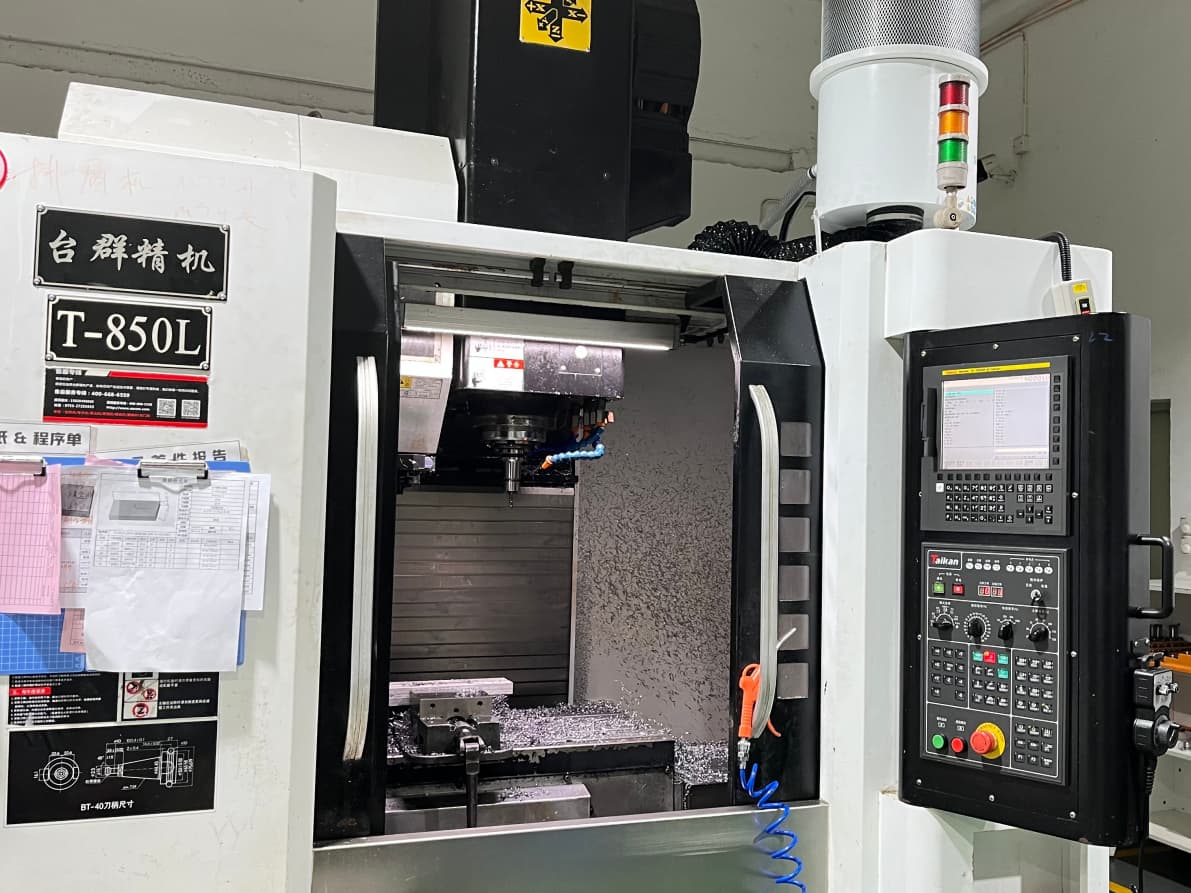
CNC machining stands for Computer Numerical Control machining. It is a manufacturing method where pre-programmed software controls the movement of cutting tools and machinery to remove material from a workpiece. The process converts digital design files into physical parts through automated, multi-axis operations.
The core advantage of CNC over traditional manual machining lies in consistency. Once a program is validated, the same part can be produced repeatedly with micron-level precision. This makes CNC ideal for industries where dimensional stability and quality control are non-negotiable, such as aerospace, medical devices, and automotive components.
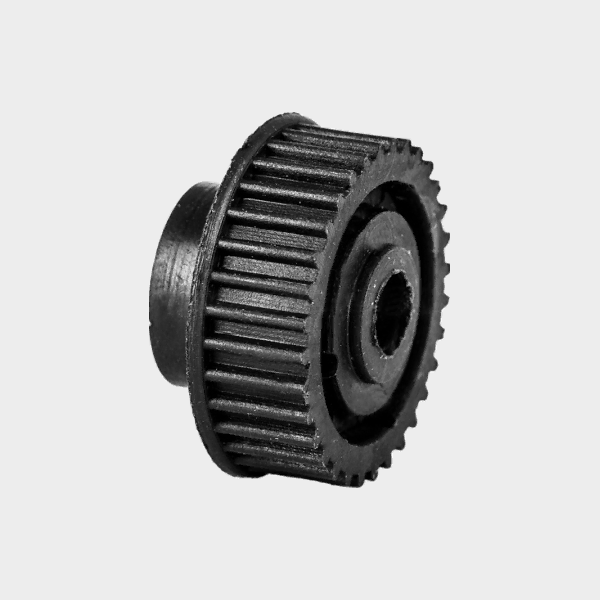
Common CNC processes include milling, turning, drilling, tapping, 그리고 grinding. Each process serves different geometric requirements and material challenges. Understanding which operation fits your part design is the first step toward optimizing both cost and lead time.
How CNC Machining Works
The CNC machining workflow begins with a digital model, typically created in CAD software such as SolidWorks, AutoCAD, or Creo. This design is then translated into manufacturing instructions using CAM (Computer-Aided Manufacturing) software. The CAM system generates G-code, a programming language that tells the machine exactly how to move, at what speed, and along which paths.
During production, the workpiece is secured on a machine table or in a chuck. Cutting tools, mounted on rotating spindles, remove material layer by layer according to the programmed instructions. Modern CNC machines operate on three to five axes, allowing complex geometries to be machined in a single setup without manual repositioning.
Key parameters that influence the final part quality include spindle speed, feed rate, cutting depth, 그리고 tool path strategy. These variables must be optimized based on the material being machined and the desired surface finish. Incorrect parameter selection can lead to tool wear, poor surface quality, or dimensional deviations.
YPMFG supports customers through the entire workflow—from initial design review and material selection to final inspection and delivery. Our engineering team can evaluate your drawings for manufacturability and recommend adjustments that reduce machining time without compromising performance.
Common CNC Machining Processes
Different part geometries and production requirements call for different CNC processes. Selecting the right operation affects lead time, tooling cost, and surface quality. The table below outlines the most widely used CNC machining types and their typical applications.

Choosing the right combination of processes is critical. A single part may require multiple operations—for example, milling for the main body, turning for cylindrical features, and grinding for critical sealing surfaces. An experienced manufacturer will analyze your design and propose the most efficient process sequence to minimize cost while meeting specification requirements.
Key Advantages of CNC Machining
CNC machining remains one of the most trusted manufacturing methods for precision parts. Its advantages extend beyond simple accuracy—they impact the entire production lifecycle.
First, CNC machining delivers exceptional dimensional consistency. Once the program is verified, every part produced will match the design specifications within tight tolerances. This reliability reduces scrap rates and eliminates the need for extensive post-production inspection.
Second, CNC systems support a broad range of 자료, including aluminum, stainless steel, titanium, brass, copper, engineering plastics, and composites. The ability to machine diverse materials on the same platform makes CNC an adaptable solution for prototyping and low-to-medium volume production.
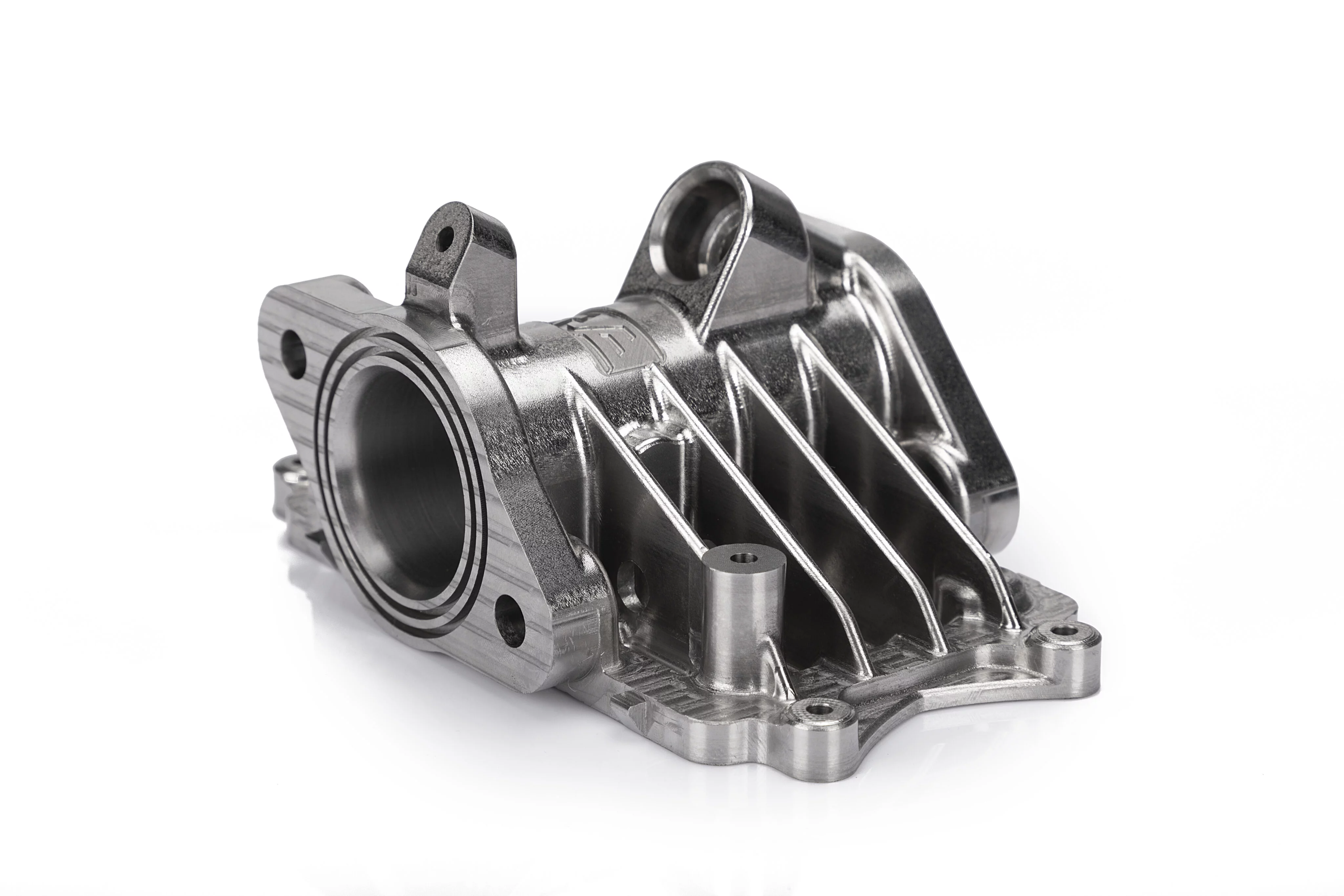
Third, CNC machining enables complex geometries that are difficult or impossible to achieve with manual methods. Multi-axis machines can produce undercuts, internal channels, and organic shapes in a single setup, reducing assembly steps and improving part integrity.
Fourth, the automation inherent in CNC reduces labor dependency and increases production throughput. While setup requires skilled programming, the actual machining runs unattended, allowing one operator to manage multiple machines simultaneously.
Finally, CNC machining offers faster time-to-market for new products. Rapid prototyping capabilities mean designs can be tested and refined within days rather than weeks, accelerating product development cycles significantly.
Industries That Rely on CNC Machining
CNC machined parts are embedded in nearly every advanced manufacturing sector. The following industries represent the largest consumers of precision machined components and drive much of the innovation in tooling, materials, and process optimization.
Aerospace and aviation: Structural components, engine parts, and flight-critical hardware require extreme precision and material integrity. Tolerances are often held to ±0.01 mm or tighter.
Medical and dental: Implants, surgical instruments, and diagnostic equipment demand biocompatible materials and ultra-fine surface finishes. Sterilizability and regulatory compliance are mandatory.
자동차: Engine components, transmission parts, and custom automotive aftermarket items benefit from CNC’s repeatability and ability to machine high-strength alloys.
Electronics: Heat sinks, enclosures, connector housings, and semiconductor components require tight tolerances and excellent thermal or electrical properties.
Industrial equipment: Hydraulic manifolds, valve bodies, robotic arms, and automation components rely on durable, precision-machined parts for long service life.
Each industry brings unique requirements. Medical parts may need anodized or passivated surfaces. Aerospace components often require full material traceability and certified inspection reports. Understanding these sector-specific demands helps manufacturers provide the right level of support and documentation from the start.
Cost Factors in CNC Machining
One of the most common questions from buyers is how CNC machining costs are determined. The pricing structure reflects a balance between material, machine time, tooling, and post-processing requirements.
Material cost depends on the type, grade, and quantity of raw stock. Aluminum 6061 is generally more cost-effective than titanium Ti-6Al-4V, which requires slower cutting speeds and specialized tooling. Material form—bar stock, plate, or forged blanks—also influences pricing.
Machine time is calculated based on the complexity of the part geometry and the number of setups required. Simple geometries with minimal features machine quickly. Complex 3D contours, deep cavities, or tight-tolerance interfaces increase cycle time and cost proportionally.
Tooling and fixturing represent a smaller but meaningful portion of the total cost. Standard end mills and vises keep expenses low. Custom fixtures or specialty tooling for difficult materials add upfront investment but can pay for themselves in longer production runs.
Surface finish and secondary operations such as anodizing, powder coating, heat treatment, and assembly further affect the final price. A part delivered in a mill-finish state will cost less than one requiring multiple post-processing steps before shipment.
Requesting a detailed quote from a manufacturer who provides transparent cost breakdowns is the most reliable way to understand pricing for your specific project.
How to Choose the Right CNC Manufacturer
Selecting a suitable CNC machining partner requires evaluating several factors beyond unit price. The wrong choice can lead to delayed deliveries, rejected parts, and hidden costs that far exceed any initial savings.
First, verify the manufacturer’s technical capability. Review their machine fleet, axis configurations, and maximum work envelope sizes. A shop equipped with 3-axis and 5-axis centers, combined with experience across multiple materials, will handle more design variations without outsourcing.
Second, assess their quality assurance processes. Look for documented inspection procedures, CMM measurement capabilities, and first-article reporting. Manufacturers who provide detailed inspection reports with every shipment demonstrate commitment to traceability and accountability.
Third, consider their engineering support. A responsive team that reviews your drawings for DFM (Design for Manufacturability) recommendations can prevent costly design changes after production has started. Early collaboration between design and manufacturing teams is one of the strongest predictors of project success.
Fourth, evaluate communication and responsiveness. Timely replies to quotation requests, clear updates on production status, and proactive problem-solving indicate a partner who values your timeline and priorities.
YPMFG combines in-house machining,comprehensive inspection, and dedicated engineering support to ensure every project meets specification from the first sample to the final delivery. We offer free design reviews and provide detailed quotes within 24 hours for standard submissions.
Common Mistakes in CNC Part Design
Even experienced engineers can encounter machining challenges when part designs do not align with manufacturing constraints. Recognizing common design pitfalls early prevents production delays, unnecessary cost increases, and post-production rework.
Avoid specifying unrealistically tight tolerances across entire parts. Tight tolerances should be applied only to critical mating surfaces and functional features. Universal ±0.01 mm specifications on non-critical dimensions increase machining time and cost without adding value.
Design deep pockets and internal corners with tool access in mind. End mills cannot produce sharp internal corners—their circular profile leaves a radius equal to half the tool diameter. Specify appropriate corner radii or consider alternative processes for features that require sharp edges.
Consider wall thickness when selecting materials and processes. Thin walls below 0.5 mm in aluminum are prone to vibration and deflection during machining. Thicker sections may require special fixturing or sequential roughing and finishing passes to maintain dimensional stability.
Account for tool reach and clearance when designing complex geometries. Deep, narrow features may require long-reach tools that are more susceptible to breakage. Providing adequate tool access paths simplifies programming and reduces the risk of tool failure during production.
Practical Questions Before Choosing CNC Machining
Buyers frequently have questions before submitting their first project or switching manufacturers. Addressing these concerns upfront helps streamline the quoting and production process.
What file formats do CNC manufacturers accept? Most shops accept STEP, IGES, X_T, and PDF files. STEP files are preferred because they contain complete 3D geometry and metadata. Providing both a 3D model and a 2D drawing with annotated tolerances ensures no ambiguity during production.
How long does a typical CNC machining project take? Lead times vary by part complexity and order quantity. Simple prototype parts can be completed within 3 to 7 business days. More complex multi-operation parts or larger production runs may require 2 to 4 weeks. Rush services are often available for time-critical projects.
Can I request samples before full production? Yes. Most manufacturers offer sample production or first-article inspection reports before committing to batch manufacturing. Sampling allows you to verify dimensions, surface finish, and material certification before approving full-scale production.
What quality documentation is provided with shipments? Standard documentation includes a part inspection report with measured dimensions, material certificate, and surface finish confirmation. Additional certifications such as NADCAP or ISO 13485 compliance reports are available upon request for regulated industries.
What happens if a part does not meet specifications? Reputable manufacturers stand behind their work. If a delivered part fails to meet agreed tolerances or surface finish requirements, the supplier should offer rework, replacement, or credit without dispute. Clear communication of specifications in the initial quote prevents misunderstandings later.
더 나은 장기적 결정을 내리기
CNC machining is more than a manufacturing process—it is a strategic capability that supports product development, quality assurance, and operational scalability. Understanding its meaning, capabilities, and limitations empowers engineers and buyers to make decisions that align with both technical requirements and business objectives.
The right CNC machining partner provides more than cut metal. They offer design feedback that improves part performance, material expertise that prevents failures, and quality processes that build confidence in every shipment. When evaluating suppliers, look beyond the unit price and consider the full scope of technical support, communication quality, and reliability.
If you are preparing a new project or reviewing your current supply chain, consider reaching out to a manufacturer who understands your industry and can provide actionable engineering guidance. You can send your specifications to YPMFG for a free 엔지니어링 평가 and competitive custom quote. Our team is prepared to help you identify the most efficient machining approach, select the optimal material, and deliver parts that meet your exact requirements.