 Korean
  English
  German
  Russian
  Japanese
  Spanish
  French
  Italian
  Portuguese
 간단한 답변:
Selecting the right CNC milling bit depends on four key factors: the workpiece material, the desired surface finish, the machine tool’s power and rigidity, and the specific geometry required for your cut. Carbide end mills are the standard for most metal milling applications, while ball nose cutters handle 3D contours and roughing mills prioritize material removal speed over surface quality. Using the wrong bit geometry or coating can cause premature wear, poor tolerances, or even tool breakage. For projects requiring specialized tooling or custom solutions, sending your specifications to a manufacturer like YPMFG for engineering review can help you avoid costly trial-and-error before production begins.
CNC milling bits are one of the most critical consumables in precision machining. A single wrong choice can damage workpieces, increase cycle times, and raise overall production costs. Many procurement teams treat tooling as a secondary purchase decision, but the impact on part quality and manufacturing efficiency is significant.
YPMFG supports customers across multiple industries with CNC parts manufacturing expertise. Whether you are sourcing standard end mills or require a custom solution for a specialized alloy, understanding how to evaluate milling bits before placing an order is essential.
What Are CNC Milling Bits and How Do They Work?
CNC milling bits are rotating cutting tools mounted on a spindle. They remove material from a workpiece through a subtractive process, producing components with precise geometries and tight tolerances. The cutting edges engage the material at high rotational speeds while the workpiece or tool follows programmed paths defined by CAM software.
The performance of any milling bit depends on its geometry, coating, material composition, and how well it matches the specific application. A mismatch between the tool and the workpiece material is one of the most common causes of unexpected tool failure and scrap parts.
Common Types of CNC Milling Bits
Different milling operations require different bit geometries. Selecting the correct type for your operation is the first step toward efficient machining.
Standard end mills are the most versatile option. They feature cutting edges along the sides and tip, making them suitable for face milling, slotting, and contouring operations on metals and plastics alike.
Ball nose end mills have a rounded tip designed for 3D contouring and mold making. These bits produce smooth curved surfaces but remove material more slowly than flat-bottom end mills.
Roughing end mills, often called “hob” bits, carry a serrated cutting edge that breaks chips into smaller pieces. They are optimized for high material removal rates rather than fine surface finishes.
T-slot cutters are designed specifically for cutting T-shaped slots used in machine tool tables and workholding fixtures. They cannot be used for general milling operations.
The table above shows the trade-offs between bit types. No single tool excels at every operation, so matching the bit to your primary need is important.
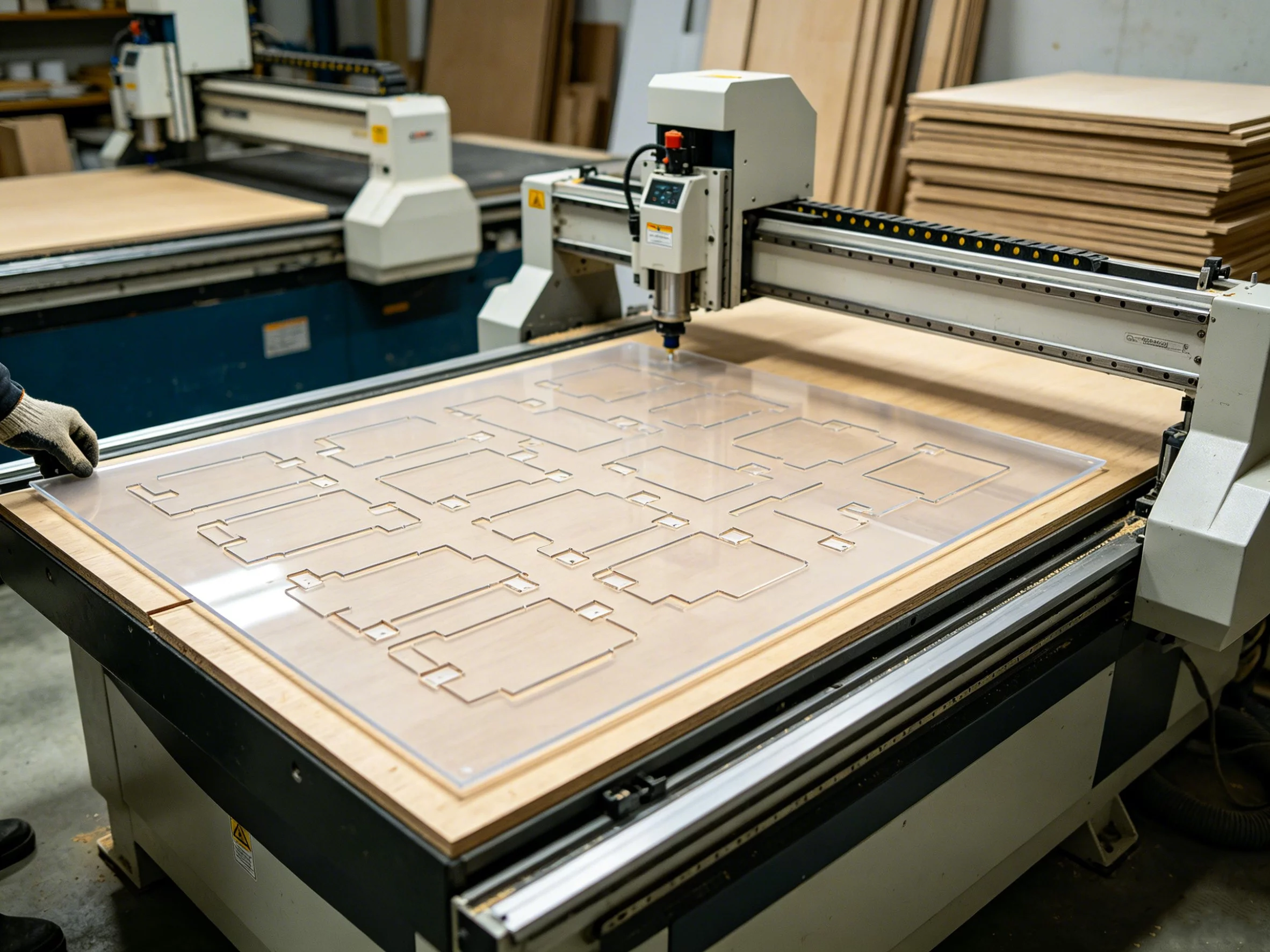
Key Factors That Determine the Right Milling Bit
Choosing the correct CNC milling bits involves evaluating several interrelated parameters. Each factor influences tool life, surface quality, and machining economy.
Workpiece material is the most influential variable. Hardened steels require different geometries and coatings than aluminum or stainless steel. Using a bit designed for aluminum on hardened steel will result in rapid flank wear and potential fracture.
Shank diameter and length of cut must match your machine’s tool holder capacity and the depth of your feature. A long-reach end mill may be necessary for deep pockets, but it sacrifices rigidity compared to a shorter version. Thinner sections of the tool are more prone to deflection and vibration during cutting.
Flute count affects chip evacuation and surface finish. Fewer flutes provide larger chip spaces ideal for soft materials like aluminum. More flutes produce finer finishes on harder materials but risk chip packing in deep slots.
Coating selection can extend tool life significantly in demanding applications. Coatings such as TiAlN, DLC, and AlCrN reduce friction,increase hardness, and improve heat resistance. The right coating depends entirely on the material you are machining.
Cutting geometry, including helix angle and corner radius, determines how aggressively the tool engages the material. A higher helix angle improves chip flow but reduces edge strength. A corner radius strengthens the cutting edge and improves surface finish on filleted features.
How Tool Coatings Affect Performance and Cost
Tool coatings are thin layers applied to the substrate to enhance performance. They do not change the fundamental geometry of the bit but can dramatically extend tool life under the right conditions.
TiAlN coating provides excellent heat resistance and is well-suited for high-speed steel milling. It maintains hardness at elevated temperatures and is commonly used for machining hardened steels and superalloys.
DLC coating offers very low friction and is effective when machining non-ferrous metals like aluminum and copper. It reduces built-up edge formation, which is a frequent problem when milling sticky materials.
Uncoated carbide tools remain a cost-effective choice for soft materials and light finishing operations where heat generation is minimal. In many cases, the savings from using an uncoated bit outweigh the marginal life extension from a coating.
Coating decisions should be based on verified machining data rather than assumptions. A coating that works well for one material may accelerate wear on another. Requesting 엔지니어링 평가 from your supplier before committing to a coating specification can prevent costly mistakes.
Common Mistakes When Purchasing CNC Milling Bits
Many buyers repeat the same errors when sourcing milling tools, leading to avoidable downtime and increased per-part cost.

Ignoring material compatibility between the bit and the workpiece is the most frequent mistake. A bit that performed well on aluminum may fail within minutes on titanium. Always verify the recommended material range before ordering.
Selecting bits based solely on unit price overlooks total cost of ownership. A cheaper bit with shorter tool life requires more frequent changes, increases cycle time, and raises the risk of scrapped parts.
Overlooking shank runout tolerance can reduce tool life by up to 50 percent in severe cases. Runout causes uneven load distribution across cutting edges, leading to premature wear on one side of the bit.
Recommending bits without a complete machining specification leaves too much room for guesswork. Critical details include the exact alloy grade, heat treatment condition, depth of cut, feed rate, and coolant application.
When you prepare a clear specification package including part drawings, material data sheets, and target tolerances, suppliers can provide more accurate CNC milling bits recommendations that match your actual needs.
How to Evaluate and Compare Milling Bit Suppliers
Not all CNC parts manufacturing suppliers treat tooling selection with the same level of technical rigor. The quality of supplier support often correlates with the sophistication of their engineering team.
Look for suppliers who request detailed application information rather than simply quoting a catalog part number. A supplier that asks about your workpiece material, machine specifications, and desired surface finish is demonstrating technical engagement.
Documentation quality is another indicator. Reliable suppliers provide material certificates, coating specifications, and recommended cutting parameters for each tool they offer. These documents help your team validate tool selections against your own machining standards.
Post-sale support matters as well. When a tool fails unexpectedly, a supplier who investigates the root cause and adjusts recommendations is more valuable than one who simply replaces the part. This kind of partnership approach reduces repeated failures and improves long-term machining economics.
YPMFG offers engineering review and custom solutions for projects that require specific tooling configurations. Buyers can send their specifications for assessment before committing to an order.
Common Questions About CNC Milling Bits
What is the difference between HSS and carbide milling bits?
HSS bits are less expensive and more forgiving on older or less rigid machines, but they lose hardness at elevated temperatures. Carbide bits maintain cutting performance at higher speeds and are the standard choice for modern CNC machining of metals.
Can I use the same milling bit for aluminum and steel?
It is not recommended. Aluminum requires sharp geometry and coatings that resist built-up edge, while steel milling demands coatings with high hot hardness. Using a single bit for both materials will compromise tool life on at least one of them.
How do I know when a milling bit needs replacement?
Listen for changes in cutting sound, watch for declining surface finish quality, and monitor spindle load increases. Visible wear on the flank face exceeding 0.3 mm is a common replacement threshold for general machining.
What does flute count tell me about a milling bit?
Flute count indicates how many cutting edges are available along the tool body. More flutes produce finer finishes but require more powerful machines. Fewer flutes evacuate chips more aggressively and are better suited for soft materials.
Should I prioritize coated or uncoated carbide bits?
Coated bits typically deliver longer life when machining steels, titanium, or other challenging alloys. Uncoated carbide remains competitive for aluminum and cast iron applications where coating adhesion may be less beneficial.
How does shank diameter affect machining performance?
Larger shank diameters provide greater rigidity and reduce vibration during heavy cuts. However, the shank must fit your tool holder, so the available spindle taper and tool holder size constrain your options.
What information should I provide when requesting a milling bit quote?
Provide the workpiece material and hardness, required tolerances, depth of cut, desired surface finish, and machine specifications. Complete information allows suppliers to recommend the most suitable bit rather than guessing at a generic solution.
Need Help Selecting the Right CNC Milling Bits?
Choosing the correct milling bit is not merely a purchasing decision—it is a technical decision that affects part quality, cycle time, and manufacturing cost. The right selection balances tool life, surface finish requirements, and material removal rate for your specific application.
Starting with a clear understanding of your workpiece material, your machine’s capabilities, and your target tolerance gives you a strong foundation for evaluating supplier recommendations. Reviewing the coatings, geometries, and flute configurations available against your actual machining conditions will help you avoid the most common purchasing mistakes.
If you are evaluating CNC milling bits for a new project or need support comparing options for an existing process, YPMFG can provide engineering guidance and custom solutions tailored to your requirements. Send your specifications, including material data and feature details, and a qualified engineer will review your case before recommending a tooling strategy.