Russian
 English
 German
 Japanese
 Korean
 Spanish
 French
 Italian
 Portuguese

An aluminum mechanical keyboard uses a CNC-machined or cast aluminum housing in place of plastic or steel. The metal body adds rigidity, sharpens the typing feel, and raises perceived build quality. Most production cases are milled from 6061 or 5052 Обработка на станках с ЧПУ billet. For a keyboard brand, the aluminum shell is often the single most expensive component in the bill of materials. Getting the spec, процесс анодирования, and tolerance right directly affects durability, looks, and unit cost.
If you are designing or sourcing a mechanical keyboard with an aluminum case, the key decisions come down to material grade, machining method, surface finish, and tolerance. YPMFG supports keyboard manufacturers with CNC aluminum components, from a single prototype to full production runs. The sections below break down the decisions that matter most.
What Aluminum Changes in a Mechanical Keyboard
Aluminum case material shifts the typing experience in measurable ways. A machined body transmits far less flex than a plastic shell, so each keypress feels more solid and consistent. The thermal mass of aluminum also keeps the board cooler during long typing sessions. On the surface, anodized aluminum offers a wide color range and resists scratching better than painted plastic. For consumer-facing products, the metal case is often the primary differentiator between a budget board and a premium one.
How Aluminum Keyboard Cases Are Manufactured
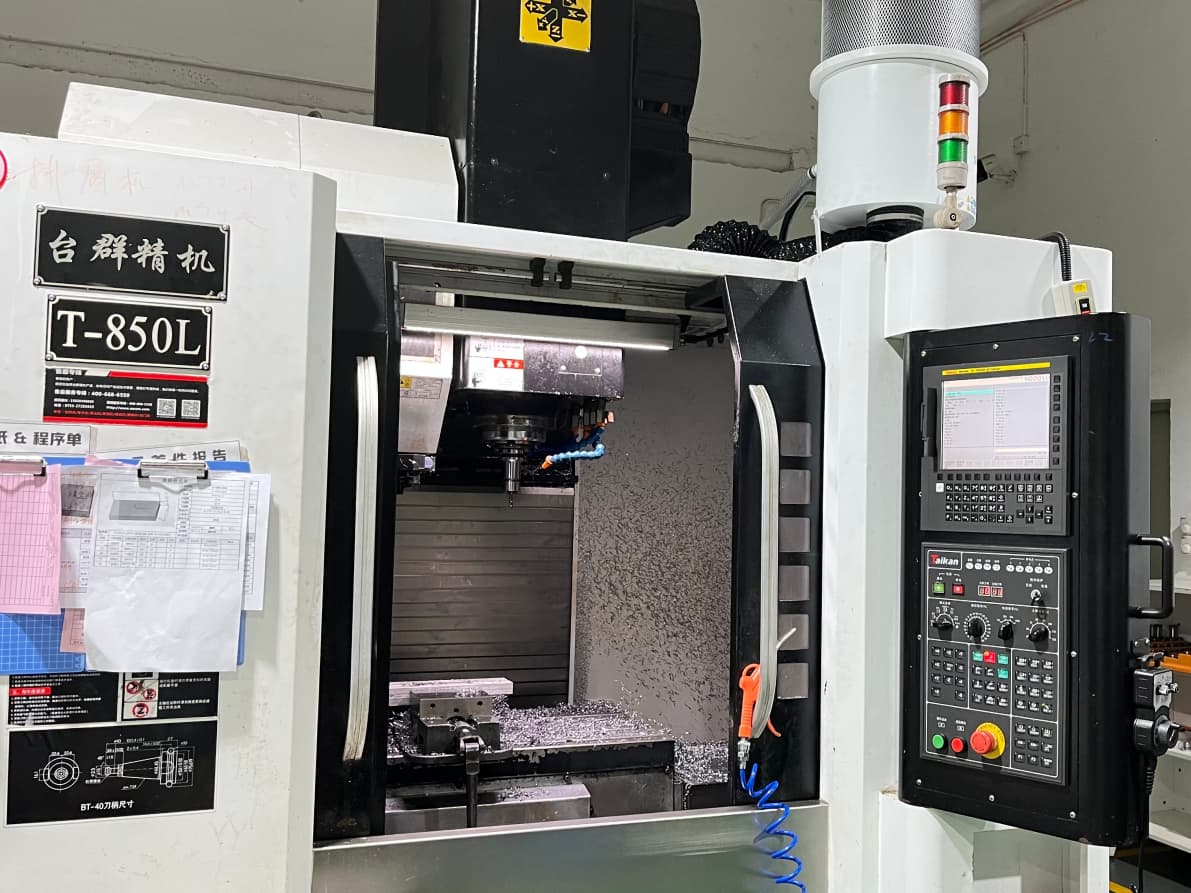
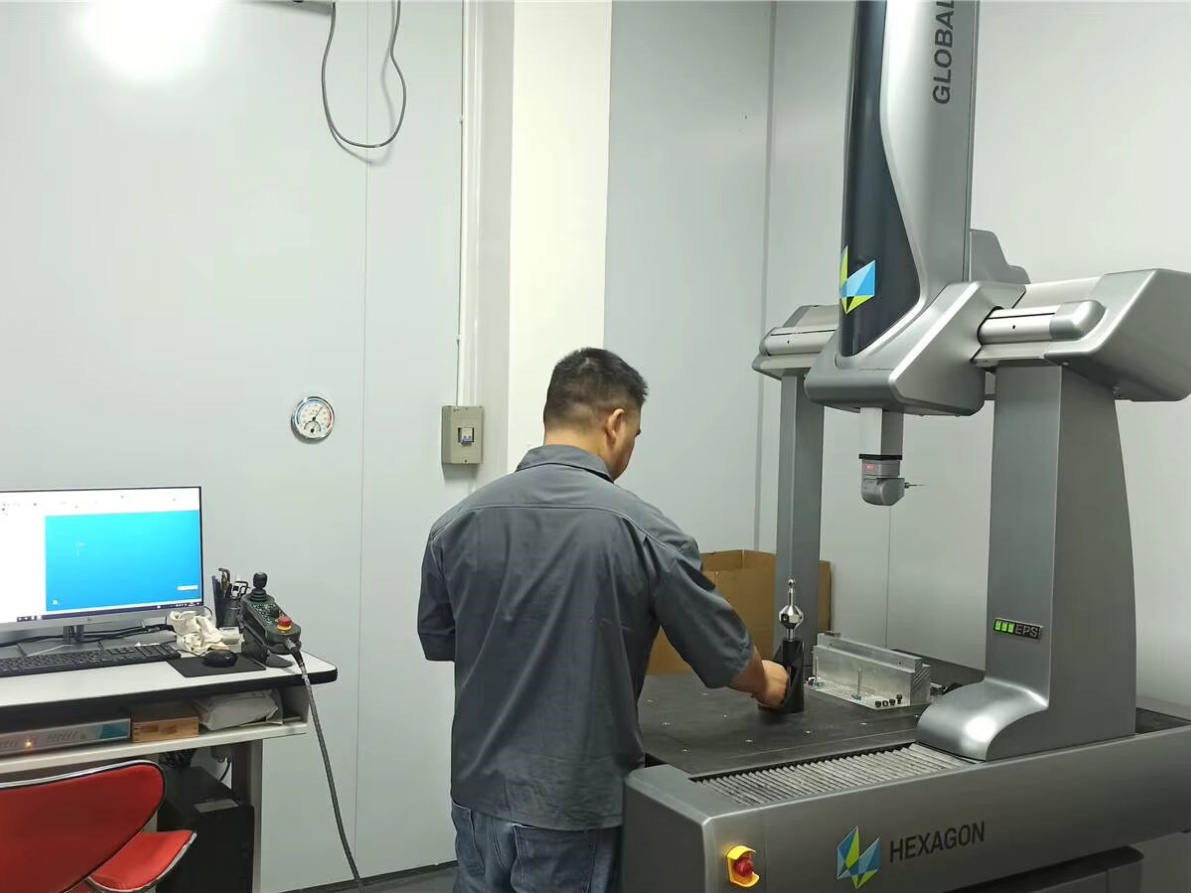
Most production-grade cases are Обработанные на станках с ЧПУ from a solid aluminum billet. The process runs through rough milling, finish milling, and deburring, usually on a 3-axis or 5-axis CNC machine. Critical features—switch openings, plate screw holes, cable cutouts—are held to ±0.05 mm or tighter. After machining, the part goes through anodizing. Type II gives a standard colored oxide layer; type III builds a thicker, more scratch-resistant coating. Many designs also include a separate keyboard plate in aluminum or brass, adding another machined part to the assembly.
Aluminum vs. Other Case Materials

Aluminum sits in the middle: pricier than plastic but lighter and more affordable than steel, while delivering a rigidity-to-weight ratio that most desktop keyboard buyers prefer.
Что необходимо проверить перед оформлением заказа
Before sending a CNC aluminum keyboard case to production, run through this checklist:
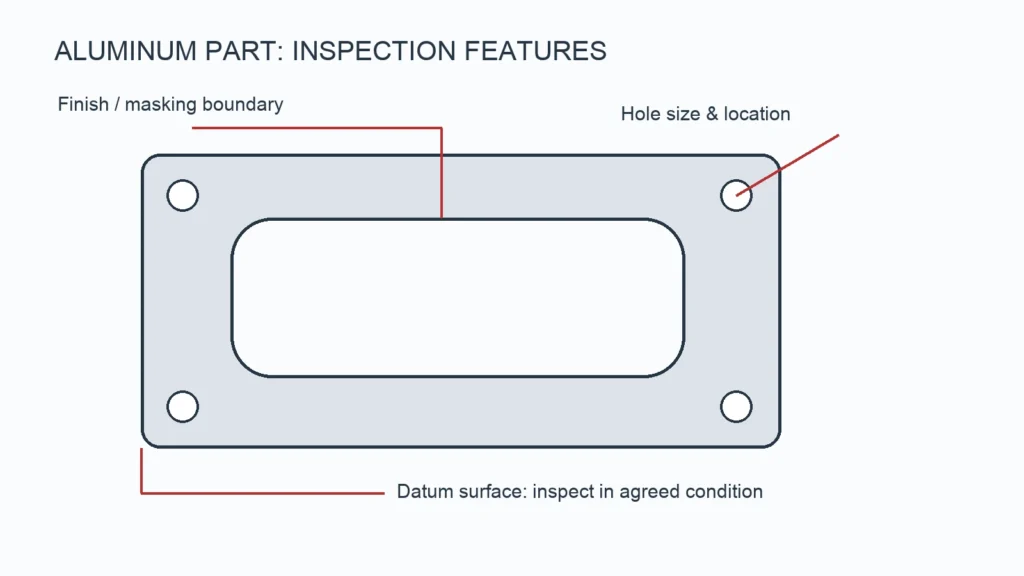
Tolerance and fit. Confirm switch openings, plate screw holes, and cable ports align with your chosen switch and plate spec.
Anodizing thickness. Type II is typically 5–15 µm; type III is 15–25 µm. Thicker oxide means better scratch resistance but a slightly duller color.
Surface texture. Decide between bead-blasted, milled, or plain anodized finish. Exposed milled lines add machine time and cost.
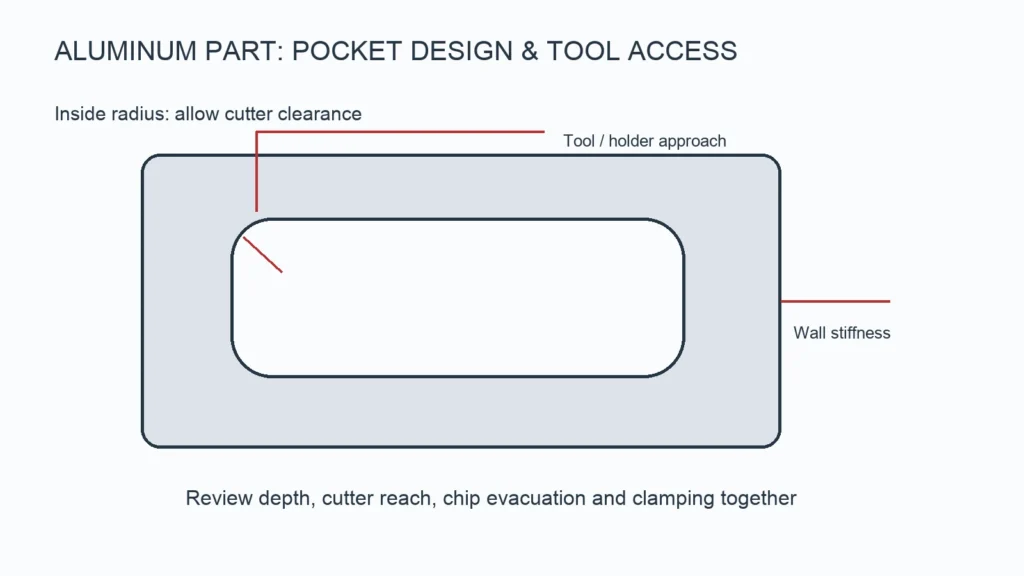
Wall thickness. A 1–2 mm reduction on non-structural areas can shave 50–100 g without losing rigidity, which matters for shipping cost.
Drop test. A finished case should survive a 1 m drop onto concrete without cracking or losing anodize adhesion.
YPMFG can review your drawings against these checkpoints and flag fit or cost issues before tooling starts.
## Common Questions About Aluminum Mechanical Keyboards
Is an aluminum case better than plastic?
For rigidity and perceived quality, yes. For cost-sensitive or ultra-light products, plastic may be the smarter choice. The right answer depends on your target price point and brand positioning.
Can CNC-machined cases scale to high volumes?
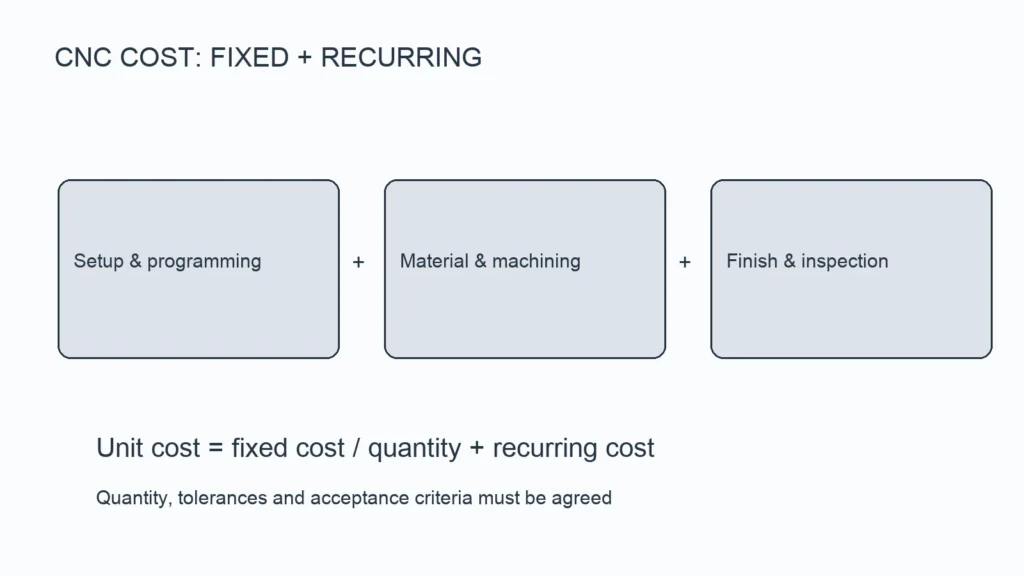
They can. Above roughly 1,000 units, CNC machining stays competitive. At 50,000+ units, die-cast aluminum may lower per-unit cost, but it changes surface detail and tolerance behavior.
Which aluminum alloy is standard for keyboard cases?
Aluminum alloy 6061-T6 is the default. It machines cleanly,anodizes well, and balances strength against weight. 5052 is selected when higher corrosion resistance is required.
Сколько времени занимает создание прототипа?
A single CNC-machined prototype typically ships in 5–10 business days. Custom fixtures for production add one to two extra weeks on top.
Does anodizing affect electrical performance?
No. The oxide layer is only a few microns thick and electrically insulating. It does not interfere with switch contacts or PCB traces beneath it.
Need Help Sourcing Aluminum Keyboard Components?
If you are finalizing a mechanical keyboard design and need a manufacturing partner, send your CAD files and spec sheet to YPMFG. The engineering team will provide a DFA review, material recommendation, anodizing options, and a detailed quote within five business days. You get a clear cost breakdown and realistic lead time before committing to a серийное производство.