Russian
 English
 German
 Japanese
 Korean
 Spanish
 French
 Italian
 Portuguese

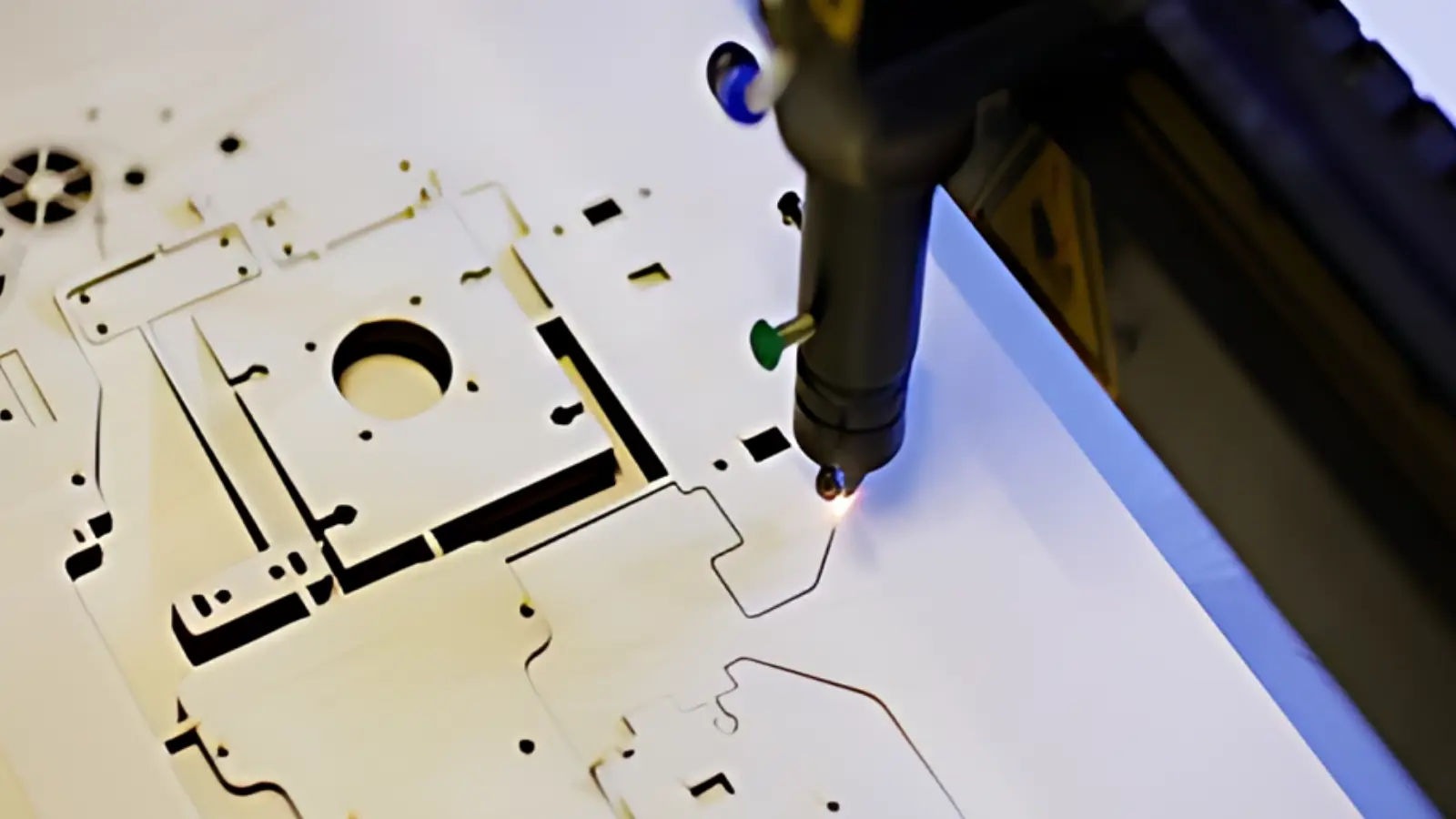
CNC laser cut metal parts are produced by directing a focused laser beam along a programmed toolpath to melt or vaporize material. The process handles carbon steel, aluminum, stainless, and copper in sheets ranging from 0.5 mm to roughly 20 mm, depending on machine power. Cut accuracy typically lands within ±0.1 mm,though the heat-affected zone and kerf width shift with thickness and material grade. If your component needs clean edges, tight geometry, and minimal warping before secondary Обработка на станках с ЧПУ, laser cutting is often the right first step in your fabrication chain.
Most buyers send a drawing but have no clear picture of what the laser will actually deliver. Edge finish, dimensional tolerance, and thermal distortion are the three variables that separate a usable part from a rejected batch. YPMFG supports procurement teams through these decisions, and the sections below cover what to verify before committing to a CNC laser cut metal order.
How CNC Laser Cutting Works
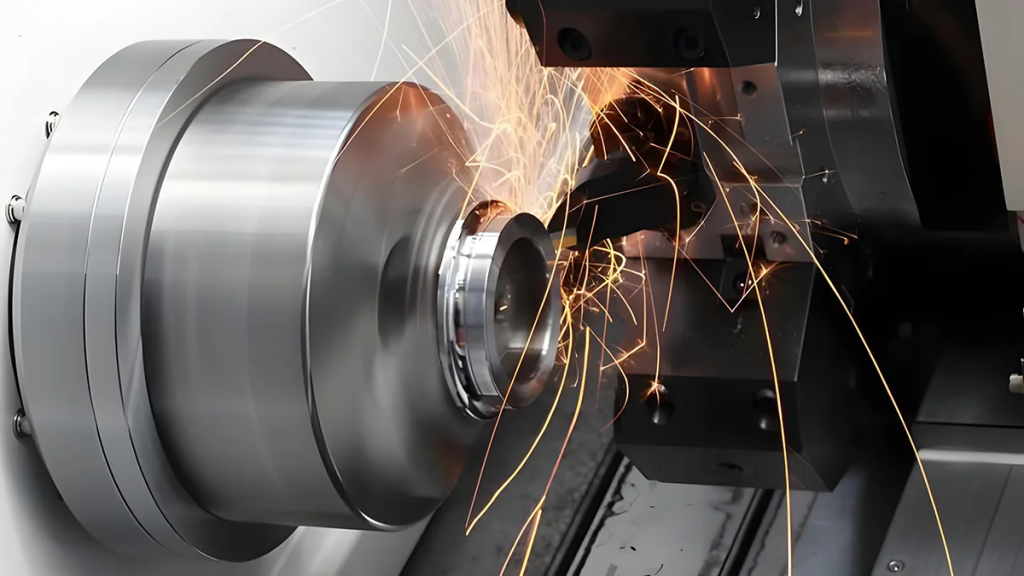
The laser source—usually a fiber, CO₂, or diode unit—generates a beam that is focused through a lens onto the workpiece. An assist gas such as oxygen, nitrogen, or compressed air blows molten material out of the kerf. The CNC controller then moves the head along the path defined in your CAD file so the cut follows exact coordinates.
The key distinction from plasma cutting is kerf width and total heat input. A laser produces a narrower kerf, often 0.1 to 0.3 mm, and a correspondingly smaller heat-affected zone. That difference matters most on metal sheet cutting for thin-gauge parts, where even a 0.5 mm HAZ can warp a 1 mm panel out of flat.
Specs That Determine Cut Quality
Four parameters drive edge quality and dimensional accuracy on every металл, вырезанный лазером job:
Марка и толщина материала – 3 mm stainless behaves differently from 3 mm carbon steel. Oxygen-assisted cuts on steel create an oxidized, slightly rougher edge that may need grinding before painting or plating.
Kerf width – typically 0.1 mm on 1 mm sheet, widening to 0.5 mm or more at 10 mm thickness.

Assist gas selection – nitrogen reduces oxidation on aluminum and stainless. Oxygen speeds up carbon steel cuts but adds a small burr on the bottom face.
Power-to-speed ratio – under-penetrating the beam leaves a tapered, rough bottom edge that can fail a fit check on the first assembly attempt.
Run a trial coupon at your target thickness and gas before releasing a full production batch. A single coupon costs far less than a rejected run.
Thickness limits shift with machine power and controller quality; the values above reflect common industrial settings. Always confirm the specific machine capability with your supplier before finalizing a drawing.
Cost Drivers Buyers Underestimate
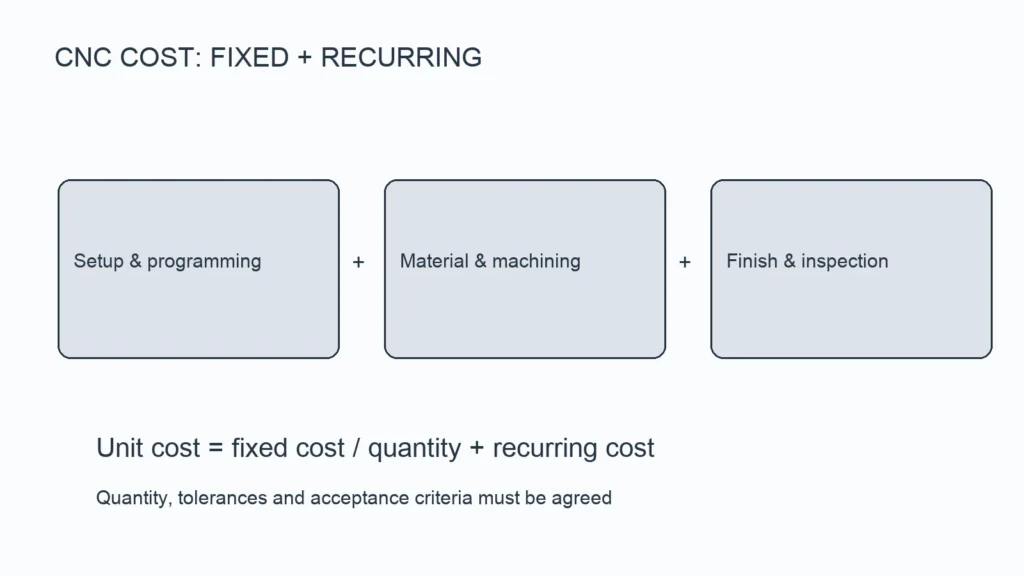
Unit price is rarely the whole story. Thin-gauge laser cuts are inexpensive per part, but if your design calls for metal part machining on 10 mm steel, beam power and cutting speed drop sharply and cost per part climbs.
Other hidden drivers to factor into your quote:
Fixture and nesting efficiency – poor nesting wastes sheet and raises material cost per component.
Post-cut finishing – oxygen-cut carbon steel often needs deburring or light grinding before assembly.
Tolerance grade – holding ±0.05 mm versus ±0.2 mm changes machine setup time and inspection overhead.
Material certification – requesting mill test reports adds a small documentation fee but saves rework downstream.
Send your drawing to YPMFG for a laser cutting cost estimate before locking in a single supplier. A quick engineering review can flag nesting issues or gas selections that will save you on the first run.
Часто задаваемые вопросы перед оформлением заказа
Will my part warp after cutting?
Thin sheets under 1 mm can bow if cut too fast. Specify a slower traverse speed or ask for a stress-relief pass. Parts under 0.5 mm thickness are usually less affected by thermal distortion.
Do I need to state the material grade on the PO?
Yes. 304 and 316 stainless have different absorption rates. Listing only “stainless steel” can lead to the wrong grade being quoted or cut, which changes both cost and performance.
Can laser cutting replace my current plasma cut for a specific shape?
For holes under 2 mm or intricate contours, laser is typically tighter and faster. Plasma still has an advantage on very thick steel above 25 mm where laser power becomes limiting.
What file formats does the machine shop need?
DXF, DWG, or STEP are standard. Include a note on cut orientation, bend lines, and any no-cut zones to avoid a second revision cycle.
How do I verify edge quality on a trial part?
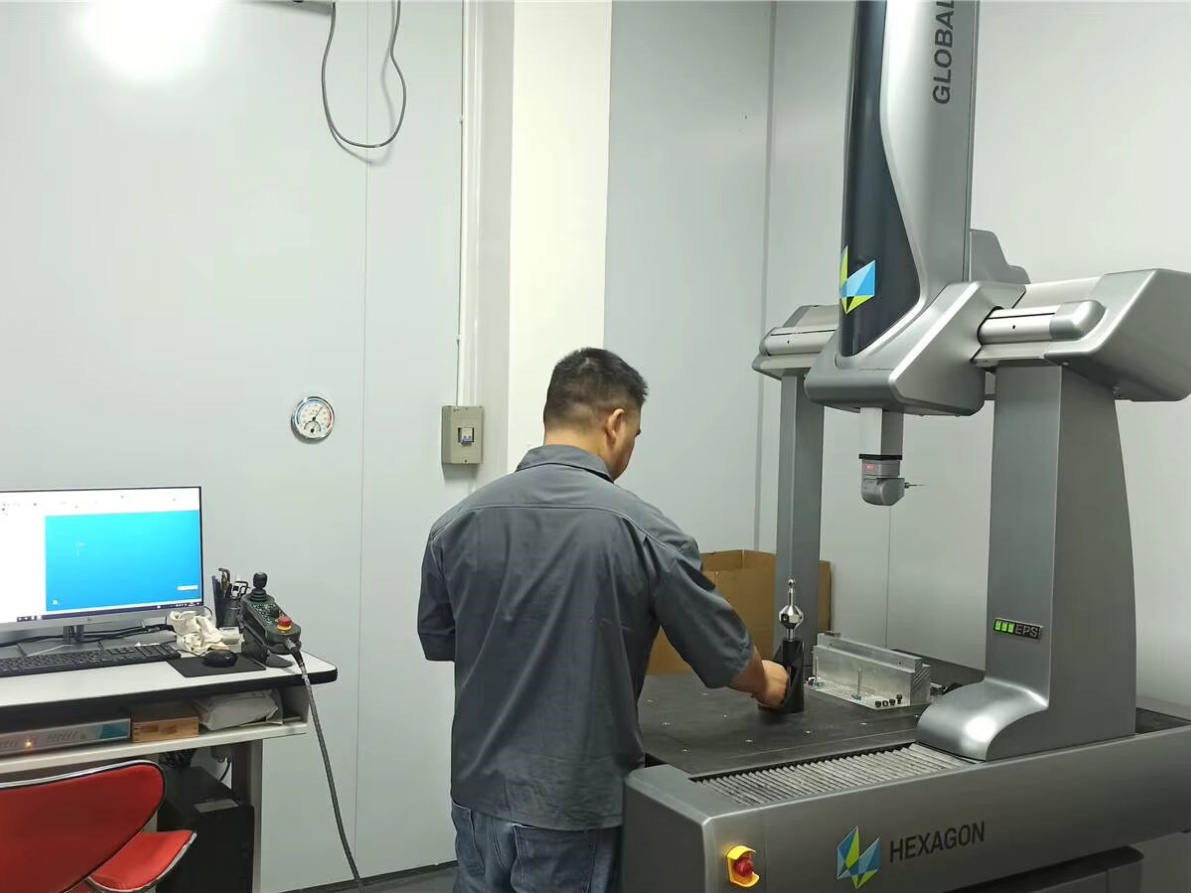
Measure kerf width with a calibrated microscope, check burr height, and confirm the heat-affected zone stays under your specified limit before signing off the full batch.
Making the Right Call on Your Next Batch
Правая сторона CNC laser cut metal solution depends on material, thickness, tolerance, and what happens downstream of the cut. If you are unsure whether your part can go straight from the laser to final assembly or needs secondary точная обработка, send your specifications to YPMFG. The engineering team can review your drawing, confirm gas and power settings, and return a quotation with expected edge quality and a realistic lead time.