Russian
 English
 German
 Japanese
 Korean
 Spanish
 French
 Italian
 Portuguese

6061-T6 aluminum is the default alloy for most commercial and light-industrial turning and milling parts. It balances machinability, corrosion resistance, and post-machining anodizing capability well. For buyers specifying CNC 6061 parts, three decisions matter most: the temper (T6 vs. 6061-O), the tolerance band per feature, and the surface finish. Getting these right up front prevents rework and avoids paying for unnecessary precision on non-critical surfaces.
Most buyers already know 6061 is a safe default. What trips them up is the gap between a part drawing and a quote that feels too high, or a part that arrives with tolerances looser or tighter than the application actually needs.
Why 6061-T6 Is the Default for CNC Parts
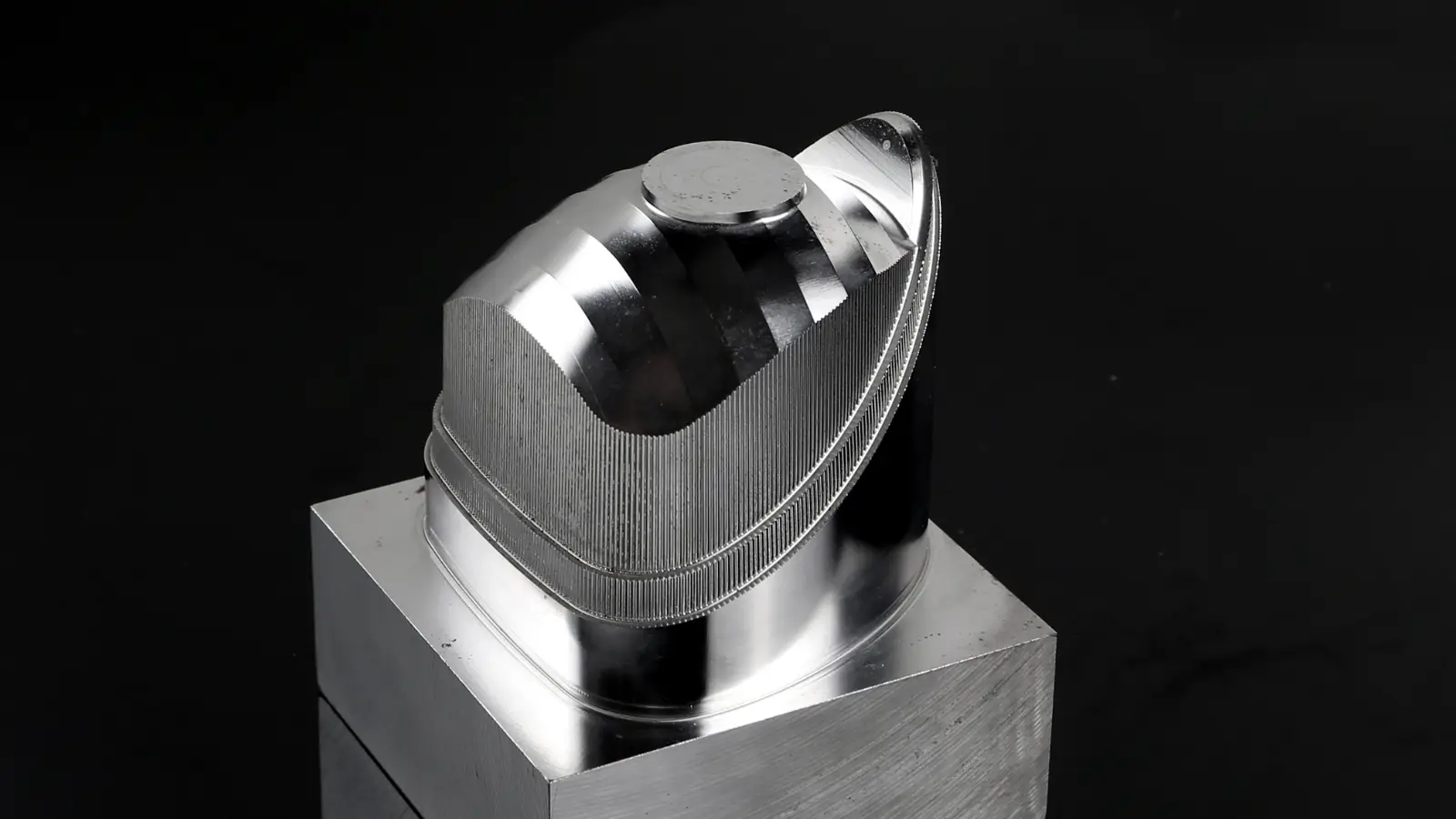
6061-T6 is preferred over 6061-O for most machined components because the T6 temper provides roughly 40% higher tensile strength after stress-relief heat treatment. In practice, a 6061-T6 part holds dimensional stability longer, which matters for brackets, housings, and CNC milled aluminum components that see thermal cycling.
Для Детали, изготовленные на токарных станках с ЧПУ with thin walls or intricate internal geometry, the alloy’s high machinability rating keeps cycle times low and tool wear manageable. This is why most услуга обработки shops default to 6061-T6 when a buyer does not specify otherwise.
Tolerances, Surface Finish, and Anodizing
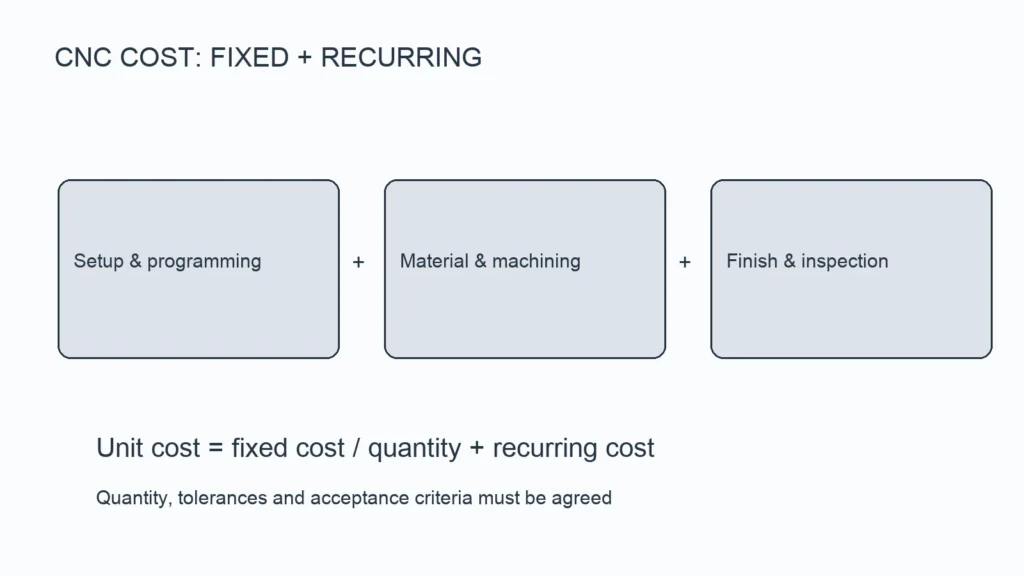
The tolerance you request on each feature drives machining time and cost directly. A ±0.010 in (±0.25 mm) band is standard for general-purpose parts. Tighter bands, such as ±0.003 in, add 20–40% to the cost on the affected features.
Surface finish follows the same logic. A standard as-machined finish lands around 32 µin Ra. If your part will be анодированный алюминий, specify the finish before anodizing; the process adds 0.0005–0.001 in per side and can close a gap or interfere with a fit if not accounted for.
YPMFG supports buyers who need a quick engineering review of tolerance callouts before batch production begins. Sending your drawing or 3D file for a pre-production check can flag interference issues early.
What Actually Drives Cost on 6061 CNC Parts
Cost is not set by a single factor. The table below shows the levers that move the number the most:
After reviewing a CNC machining quote,check which columns the supplier applied. A quote that does not break cost down by feature complexity or finish is harder to compare across suppliers.
Practical Questions Before You Place an Order
Should I specify 6061-T6 or just 6061 on my drawing?
In most cases, specify 6061-T6 explicitly. “6061” without a temper often defaults to the as-extruded O condition, which is softer and more prone to dimensional shift during machining. If your part sees cyclic loading or temperature swings, T6 or T651 is the safer call.
What is the minimum wall thickness for 6061 CNC milled parts?
Walls under 0.5 mm are possible but require careful programming to manage springback and chatter. For CNC turned aluminum parts, minimum practical diameters depend on the chuck grip; below roughly 6 mm, a live center or special fixture is usually needed.
Will anodizing affect my dimensional tolerances?
Yes. Type II anodizing adds 5–25 µm per surface. If you have a critical fit, specify the tolerance on the base metal and reserve clearance in the drawing so the anodize layer does not close the gap.
How do I verify material authenticity on received parts?
Request a mill cert (EN 10204 3.1 minimum) for each batch. For high-criticality applications, a spot-check with a portable XRF analyzer confirms the alloy signature before acceptance.
Выбор подходящего партнера по механической обработке
The right supplier for CNC turning and milling parts in aluminum 6061 is not the cheapest one; it is the one who will flag a design issue before you pay for it. Send your 3D model or drawing to YPMFG and request a no-obligation engineering review. The team can confirm feasibility, suggest tolerance adjustments, and return a line-item quote with material and finish assumptions made explicit. That single step usually saves more money than any other decision in the procurement chain.